OEM wheel and tire fitment specs for the 2018 BMW M5, including bolt pattern (PCD), center bore diameter, thread size, rim diameter, rim width, wheel offset, and backspacing.
2018 BMW M5 Fitment Specs
Baseline mounting dimensions used for interchange decisions.
Multiple OEM configurations exist for this vehicle. Fitment can vary by trim, brakes, and factory wheel package – confirm your exact setup before buying.
Wheels That Interchange With a 2018 BMW M5
Results are evaluated from bolt pattern, center bore direction, OEM width/offset envelope, and lug hardware – not bolt pattern alone.
A normal wheel spacer does not change bolt pattern. Hub rings cannot enlarge a wheel bore that is smaller than the hub. Brake clearance and tire package fitment still require vehicle-specific checks when not confirmed in the dataset.
2018 BMW M5 Wheel Fitment Guide
Known OEM Fitment For 2018 BMW M5
The values below are verified for at least one 2018 BMW M5 configuration. BMW may offer different wheel options by market or package, including staggered setups. If your vehicle has different factory wheels, use the calculator on this page and confirm with your owner’s manual, the door jamb label, or your BMW dealer by VIN before purchasing.
Bolt pattern
5x112
Center bore
66.6 mm
Thread size
M14 x 1.25
OEM rim diameter
19 in
OEM rim width
9.5 in
OEM wheel offset ET
26 mm
Backspacing
5.77 in
OEM tire size
275/40R19
Approx. tire diameter
about 27.7 in
Notes:
Hub-centric requirement is 66.6 mm. Aftermarket wheels with a larger center bore will need 66.6 mm hub-centric rings. Wheels with a smaller bore will not fit the hub.
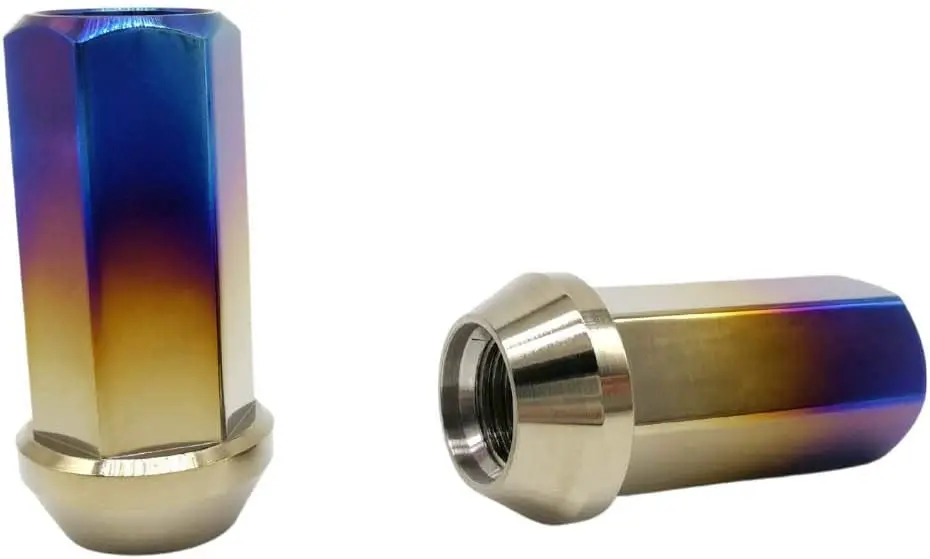
Seat type of the wheel bolts can vary by wheel. Match the bolt seat to the wheel seat and do not mix cone and ball seats. If unsure, confirm with the wheel manufacturer or your BMW dealer.
If your M5 has an optional factory wheel package, dimensions may differ. Confirm by VIN or the owner’s manual.
How To Use The Wheel Interchange Calculator
The calculator compares a donor setup to your 2018 BMW M5 and shows inner clearance, poke, and tire diameter changes. Follow these steps:
Open the calculator and set Installed on to 2018 BMW M5.
Pick a donor vehicle or set Custom wheel size and Custom tire size for the wheels you want to test.
Enter rim diameter, width, and offset for the custom wheel. Enter section width and aspect ratio for the custom tire.
As you change rim diameter, the tire diameter updates in the comparison. Keep overall tire diameter close to stock to maintain speedometer accuracy.
Review Inner clearance change to check strut and liner clearance. A negative number means the wheel moves closer to the suspension.
Review Outer poke change to see how much further the wheel may extend toward the fender.
Check Tire diameter difference. Aim to keep within about plus or minus 3 percent from stock unless you are recalibrating.
If you plan to use spacers, add spacer thickness to offset calculations in the tool by effectively reducing offset.
Fitment Checklist Before You Buy
Hub bore: Must seat on a 66.6 mm hub. Use quality hub-centric rings if the wheel bore is larger.
Bolt pattern: 5x112 only. Do not attempt to fit 5x120 or other patterns.
Thread size and seat: M14 x 1.25 bolts, correct seat for the wheel. If using spacers or different wheel pad thickness, ensure proper bolt or stud engagement length.
Offset and width: Use the calculator to confirm inner clearance to the strut, control arms, and liners, and outer clearance to the fender. Rolling the fenders should not be assumed.
Brake clearance: The M5 uses large performance brakes. Confirm barrel and spoke clearance with a physical test fit or a template from the wheel maker.
Tire load index and speed rating: Match or exceed OEM ratings listed on the door jamb label.
Rolling diameter: Keep within a small variance from the OEM 275/40R19 diameter, about 27.7 in, to protect ABS, DSC, and speedometer accuracy.
TPMS: Ensure sensor compatibility and frequency. Relearn or program as required.
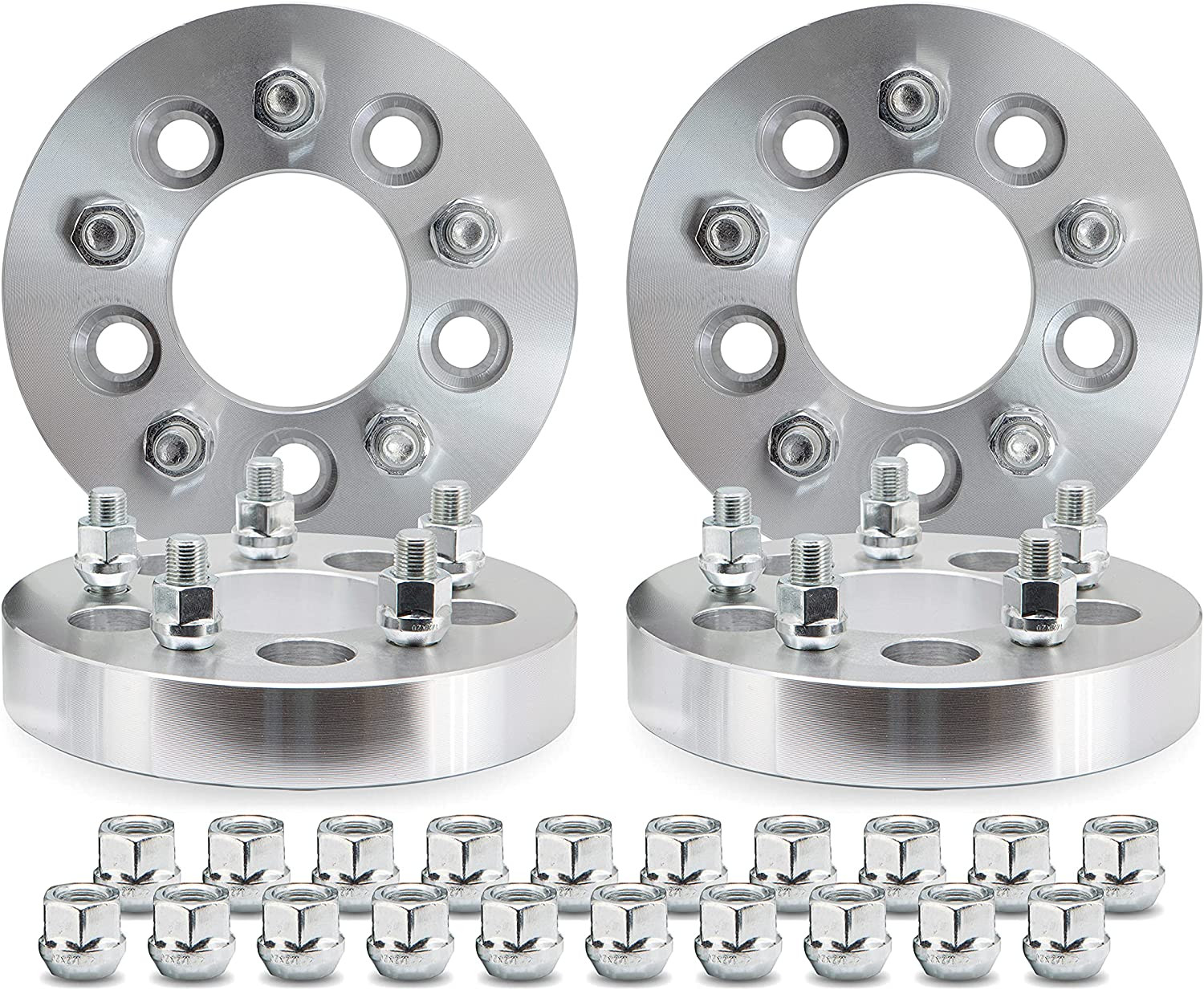
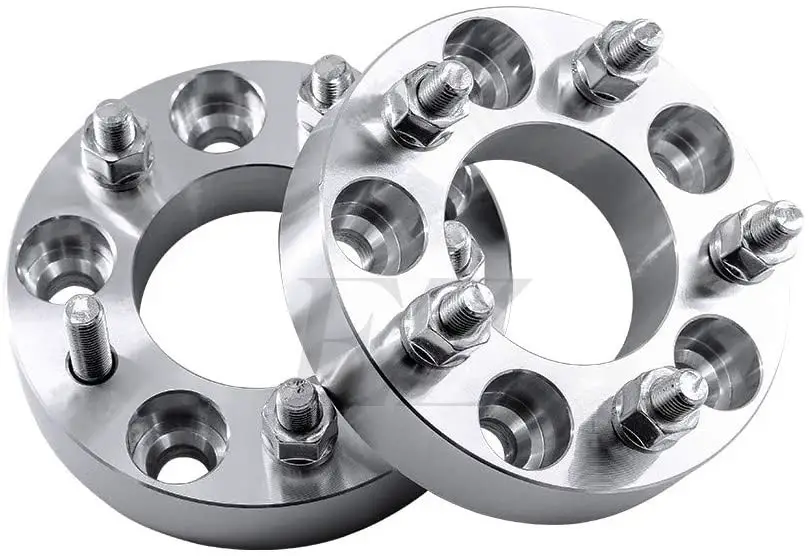
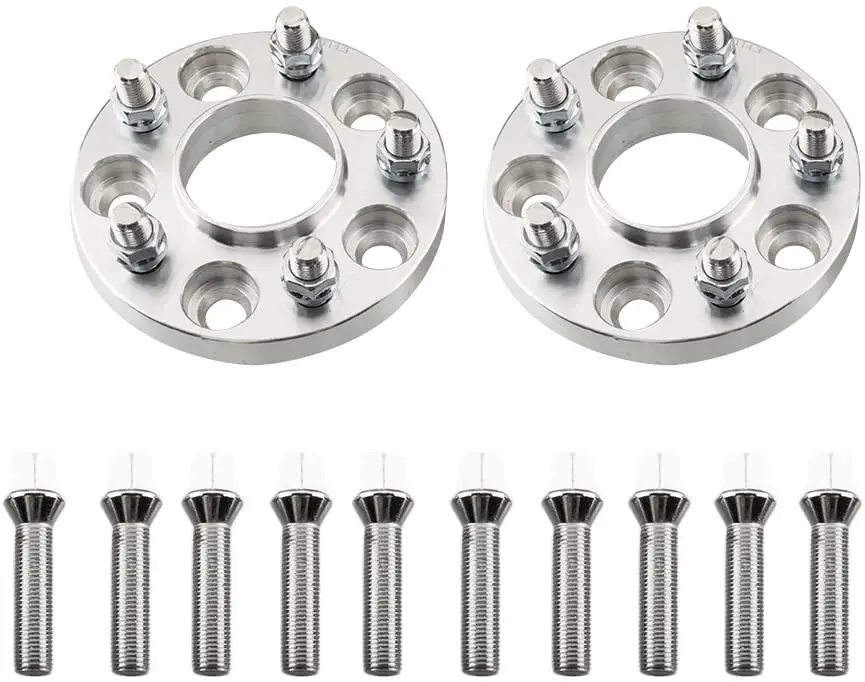
Spacers: If needed for clearance, use hub-centric spacers with matching 66.6 mm center and proper extended bolts. Re-check torque after installation.
Return policy: Only buy from sellers with clear return terms in case a test fit fails.
Plus Sizing And Common Upgrades
Many owners consider moving from the known 19 inch setup to wider wheels and different diameters. Because options vary by package and market, do not assume a size will fit without verification. Use the on-page calculator and these guidelines:
Maintain overall tire diameter near 27.7 in. As rim diameter goes up, aspect ratio usually goes down to keep diameter similar. Example method: plus 1 inch in rim often pairs with about 5 points lower aspect ratio, then fine tune in the calculator.
Width changes affect inner and outer clearance. Each additional 0.5 in of wheel width adds about 6.35 mm total, or roughly 3.175 mm per side. Offset adjustments can reposition the wheel to balance inner and outer clearances.
Offset tuning: Reducing offset moves the wheel outward, increasing poke and fender risk. Increasing offset moves the wheel inward, risking strut or liner contact. Use the calculator’s inner clearance and poke numbers to target safe values.
Staggered setups: Some M5 trims use wider rears. If you plan staggered wheels and tires, confirm that front to rear overall diameters remain compatible with AWD or stability systems, and that tire rotations will be limited.
Track use: Choose tires with sufficient load and speed ratings and allow extra brake clearance for heat expansion.
Installation Tips
Support the car at approved lift points. Use a low profile, adequate capacity floor jack and jack stands on solid ground.
Clean the hub face and the wheel mounting pad with a wire brush. Lightly remove corrosion so the wheel seats flush.
Dry-fit one front and one rear wheel without tires if possible, or test fit complete assemblies to verify brake and inner liner clearance before mounting tires.
If using hub-centric rings, seat them fully on the wheel before mounting.
Install wheel bolts by hand to avoid cross-threading. Do not lubricate threads unless specified by BMW. Most BMW applications require clean, dry threads.
Snug bolts in a star pattern, lower the vehicle, then torque to the BMW specification from your owner’s manual. Re-torque after 50 to 100 miles.
Initialize or relearn TPMS as required. Verify no rubbing at full lock and over bumps.
Have assemblies road-force balanced to reduce vibration.
66.6 mm. Use hub-centric rings if your aftermarket wheels have a larger bore.
What is the wheel bolt thread size?
M14 x 1.25. Always match the bolt seat type to the wheel design.
What was the factory wheel and tire size?
A known OEM configuration is 19x9.5 ET26 with 275/40R19, about 27.7 in overall diameter. Other OEM sizes may exist depending on package. Check your door jamb label, owner’s manual, or confirm by VIN.
Will 20 inch wheels fit my 2018 M5?
Some trims and packages may support 20 inch options, but exact fitment depends on wheel width, offset, and tire size. Use the calculator to keep overall diameter near stock and verify brake and fender clearance. Confirm with OEM sources before purchase.
Do I need hub-centric rings?
Yes if your aftermarket wheel center bore is larger than 66.6 mm. You do not need rings if the wheel has an exact 66.6 mm bore.
Can I use wheels from another vehicle brand?
Only if all critical specs match: 5x112 bolt pattern, correct hub bore or rings, proper offset and width for clearance, correct bolt seat, and adequate brake clearance. Use the calculator and perform a physical test fit.
What torque should I use on the wheel bolts?
Follow the torque specification in your BMW owner’s manual or service information. Do not guess. Re-torque after 50 to 100 miles.
Are spacers safe on the M5?
Quality hub-centric spacers can be safe when used correctly with proper extended M14 x 1.25 bolts and correct seat type. Verify that the effective offset and inner clearance remain acceptable in the calculator.