OEM wheel and tire fitment specs for the 2010 Acura MDX, including bolt pattern (PCD), center bore diameter, thread size, rim diameter, rim width, wheel offset, and backspacing.
2010 Acura MDX Fitment Specs
Baseline mounting dimensions used for interchange decisions.
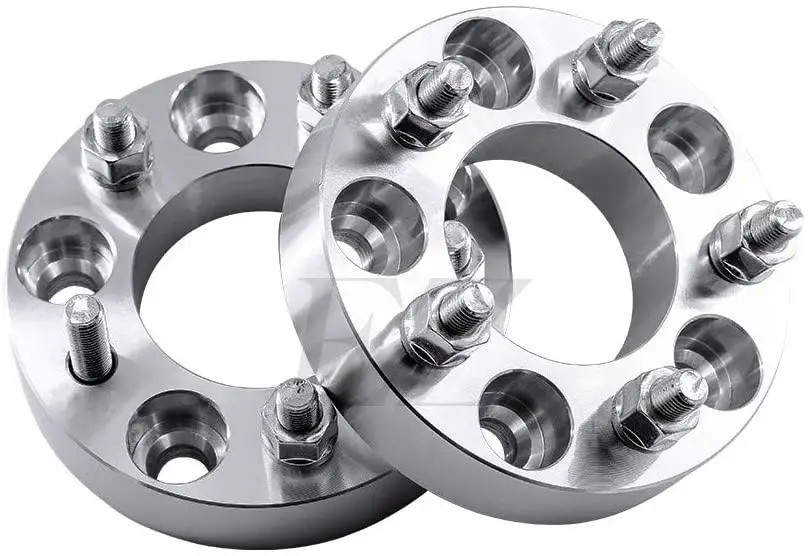
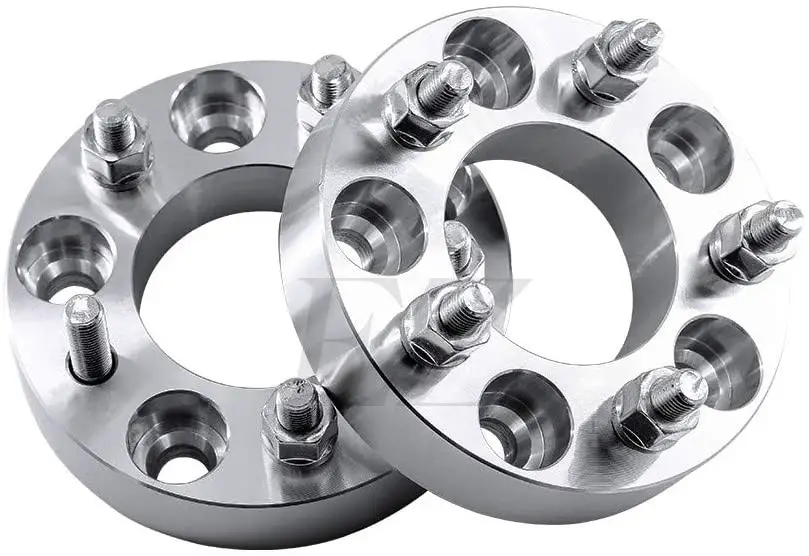
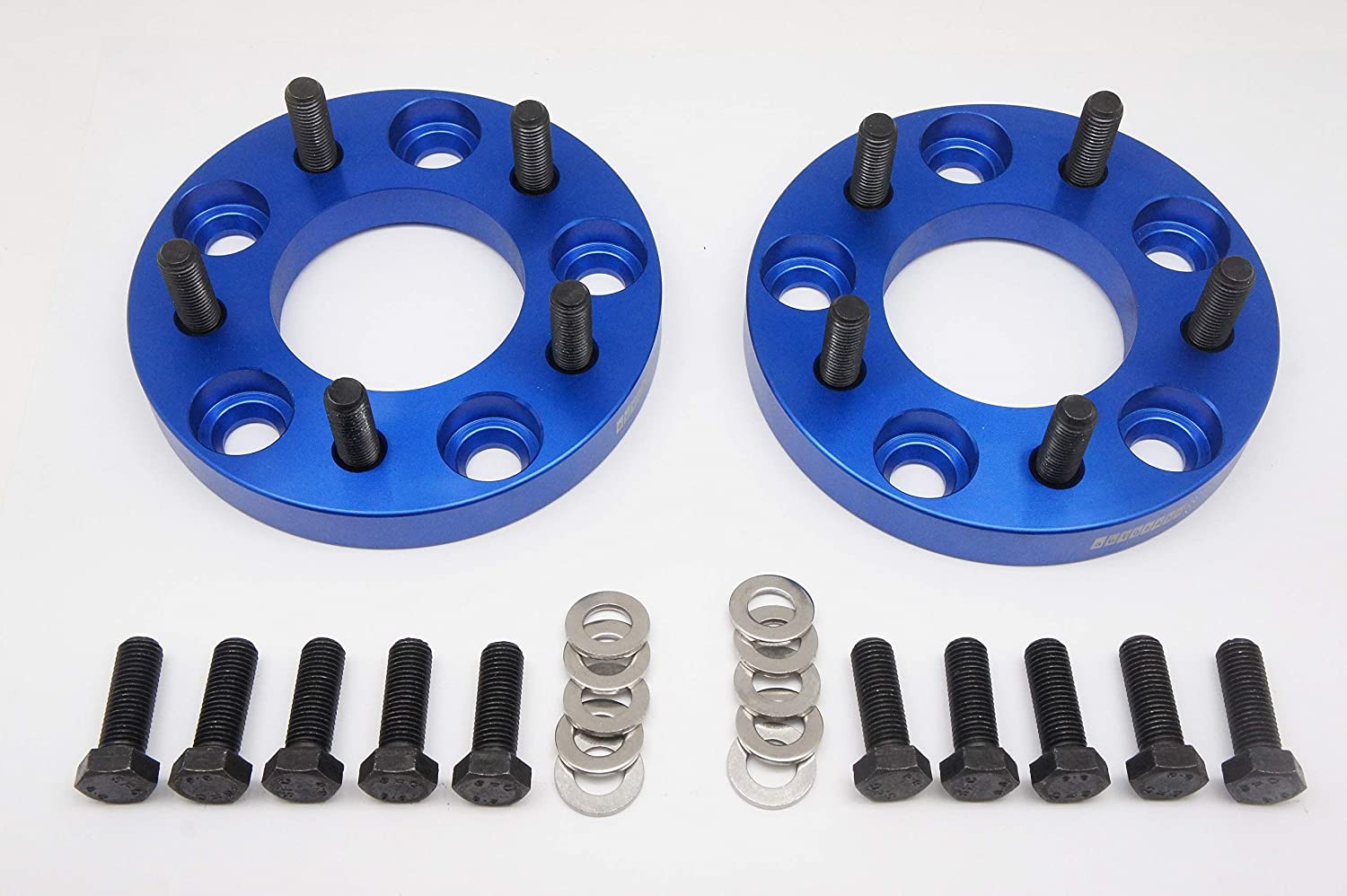
A normal wheel spacer does not change bolt pattern. Hub rings cannot enlarge a wheel bore that is smaller than the hub. Brake clearance and tire package fitment still require vehicle-specific checks when not confirmed in the dataset.
2010 Acura MDX Wheel Fitment Guide
tl;dr
Stock spec: 5x120, 64.1 mm center bore, M12 x 1.5 threads.
OEM wheel: 18x8 ET45 with 5.77 in backspacing.
OEM tire: 255/55R18. Overall diameter about 29.0 in.
To keep speedometer and geometry, match stock sizes closely.
Use hub-centric rings if the wheel bore is larger than 64.1 mm.
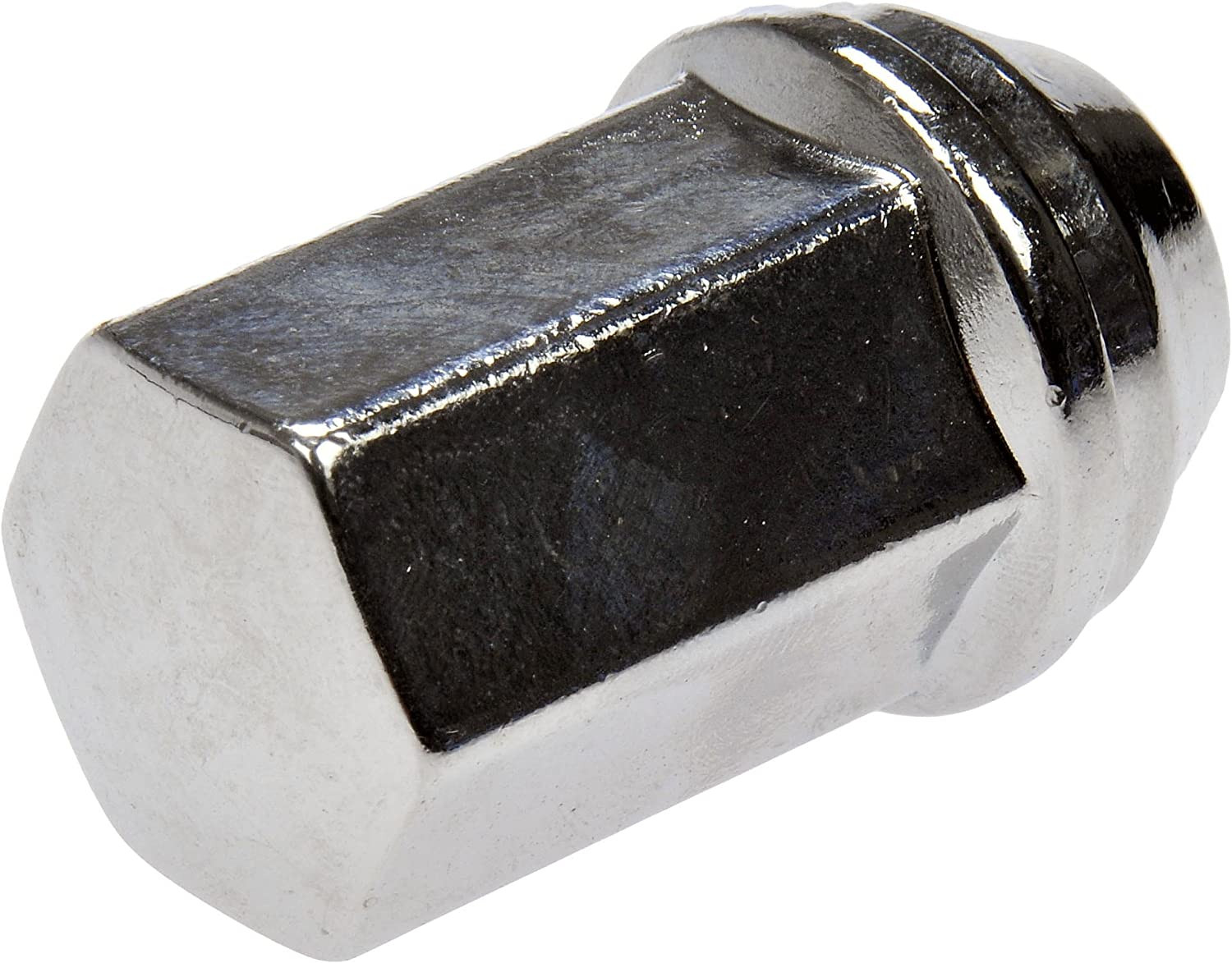
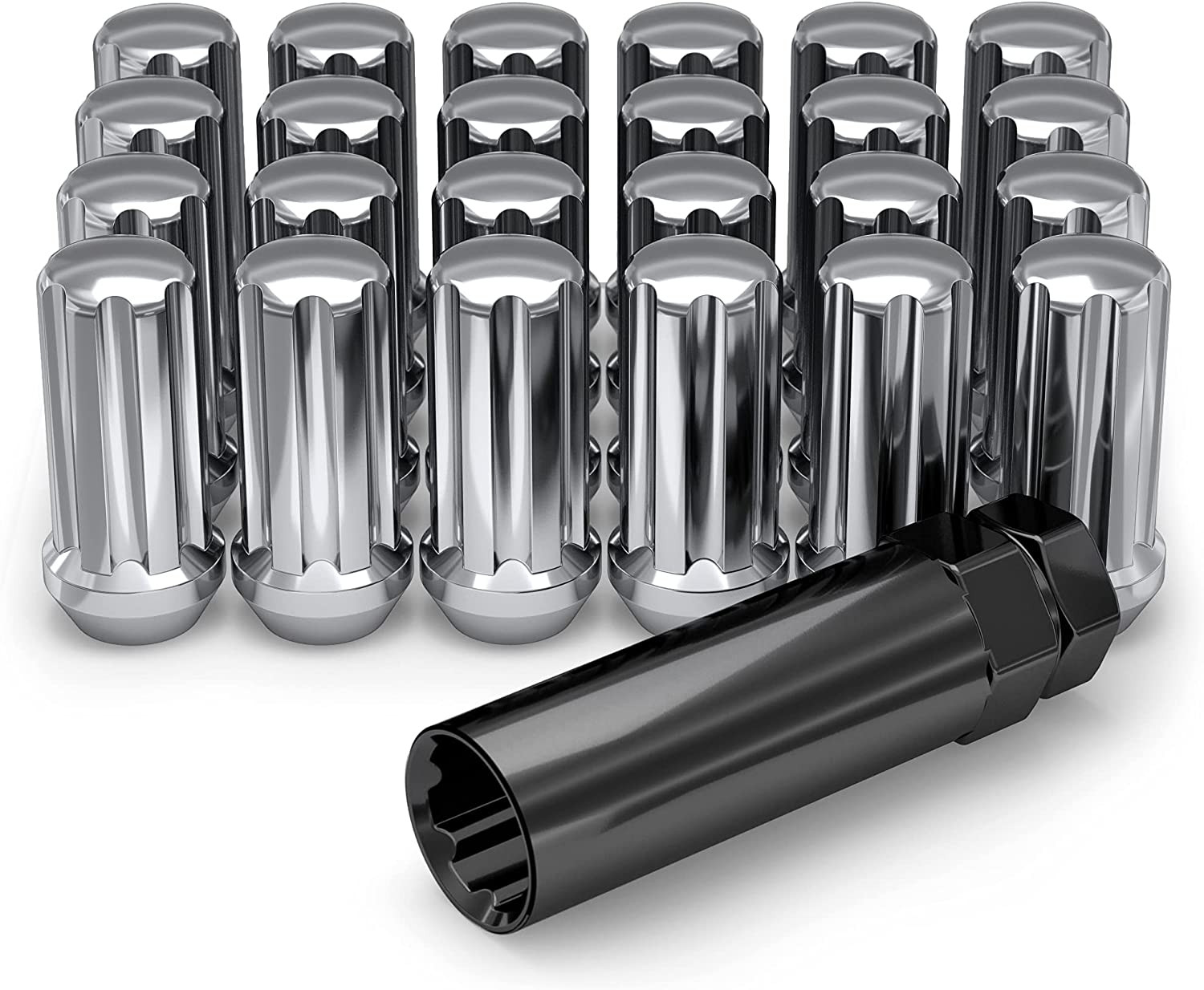
Confirm lug nut seat type before buying aftermarket hardware.
Use the calculator to model offset, width, and tire changes.
Recommendation
I recommend staying near the factory envelope first, then iterating with the calculator.
Keep the bolt pattern exactly 5x120. This is non-negotiable.
Hub bore must be 64.1 mm or larger. Larger bores need rings to 64.1 mm.
Thread size is M12 x 1.5. Reuse OEM lug nuts if seat type matches the wheel.
To replicate stock fit: 18x8 ET45 with 255/55R18 tires.
If changing width, offset, or tire size, adjust step by step in the calculator and measure the vehicle for clearance.
Impact
Offset shifts change inner clearance and fender poke. Small moves are easier to fit.
Wider wheels may need more fender and suspension clearance. Spoke shape also matters around calipers.
Tire diameter changes affect speedometer, gearing feel, and ABS logic. The calculator will show diameter deltas as you adjust size.
Hub-centric mounting reduces vibration. Rings are a simple fix when using larger-bore wheels.
Risks
Wrong bolt pattern will not seat properly. Do not force-fit.
Incorrect center bore without rings can cause vibration and stud stress.
Mismatched lug nut seat type can loosen under load. Verify seat style on the wheel.
Too little inner clearance can contact struts, knuckles, or control arms.
Excess outer poke can hit the fender or liner on compression or steering.
Brake caliper spoke interference is a common gotcha. Always test fit.
Known OEM fitment
Bolt pattern
5x120
Center bore
64.1 mm
Thread size
M12 x 1.5
Rim diameter
18 in
Rim width
8.0 in
Wheel offset
ET45 mm
Backspacing
5.77 in
Tire size
255/55R18
Notes: Values may vary by trim or accessory wheel package. If your MDX has non-standard brakes or wheels, confirm against your door placard, the OEM wheel part number, or your Acura dealer using the VIN. Use the on-page calculator to compare your current wheel set to any candidate setup.
Using the wheel and tire calculator
Set Installed on to 2010 Acura MDX.
Set Wheels from to the donor vehicle or aftermarket wheel specs.
Enter the custom wheel size. Adjust diameter, width, and offset.
Enter the custom tire size. The tool updates overall diameter when rim diameter changes.
Review inner clearance, outer poke, and ride height change. Keep changes modest for the simplest fit.
Fitment workflow
Match the fundamentals: 5x120 pattern, 64.1 mm hub, M12 x 1.5 threads.
Model your candidate wheel in the calculator against OEM 18x8 ET45.
Check inner clearance on the car. Turn lock to lock. Measure to strut, knuckle, and liners.
Check brake spoke clearance. Use a straightedge across the hub face and measure to the caliper face.
Select tires that keep overall diameter near stock for speedometer accuracy, unless you are targeting a known change.
Order hub-centric rings if the wheel bore exceeds 64.1 mm.
Confirm lug seat type. Conical, ball, or mag-seat must match the wheel design.
Torque lug nuts to the value in your owner’s manual. Retorque after 50 to 100 miles.
Gotchas
Do not assume all Acura wheels share this pattern. Always verify 5x120 for the MDX.
Aftermarket center bores are often larger by design. Plan on rings.
Spacers change both effective offset and stud engagement. If you must use spacers, ensure proper stud length and hub-centric design. Verify torque frequently.
Tire shop balancers can hide a small hub mismatch. If you feel highway vibration, check for rings first.
DIY checklist
Verify bolt pattern, hub bore, and threads against the specs above.
Run your candidate setup in the calculator and note clearance changes.
Measure on-vehicle clearances before mounting tires.
Buy hub-centric rings if needed, matching wheel bore to 64.1 mm.
Use correct-seat lug nuts, M12 x 1.5 thread.
Torque to OEM spec from your manual. Retorque after initial miles.
Enter your current OEM setup into the calculator as the baseline.
Test one candidate wheel and tire set at a time. Log the changes.
Inspect the vehicle with the wheel test-fitted. Confirm clearances.
Order any needed rings and correct-seat lugs with M12 x 1.5 threads.
Install, torque per the owner’s manual, and perform a short test drive.
Created for 2010 Acura MDX owners on wheelinterchange.com. If any spec on your vehicle differs from the table above, verify by VIN with an Acura dealer or check the wheel part number castings, then re-run the calculator for a precise comparison.