OEM wheel and tire fitment specs for the 2011 Acura TL, including bolt pattern (PCD), center bore diameter, thread size, rim diameter, rim width, wheel offset, and backspacing.
2011 Acura TL Fitment Specs
Baseline mounting dimensions used for interchange decisions.
Multiple OEM configurations exist for this vehicle. Fitment can vary by trim, brakes, and factory wheel package – confirm your exact setup before buying.
Wheels That Interchange With a 2011 Acura TL
Results are evaluated from bolt pattern, center bore direction, OEM width/offset envelope, and lug hardware – not bolt pattern alone.
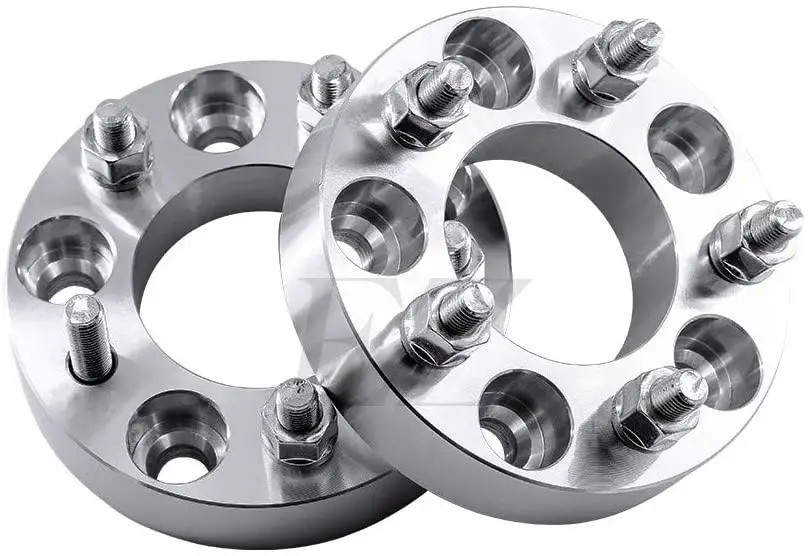
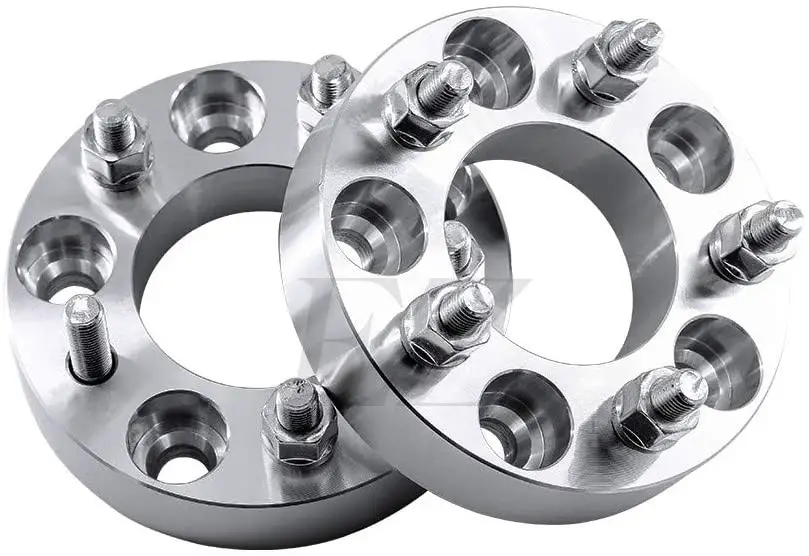
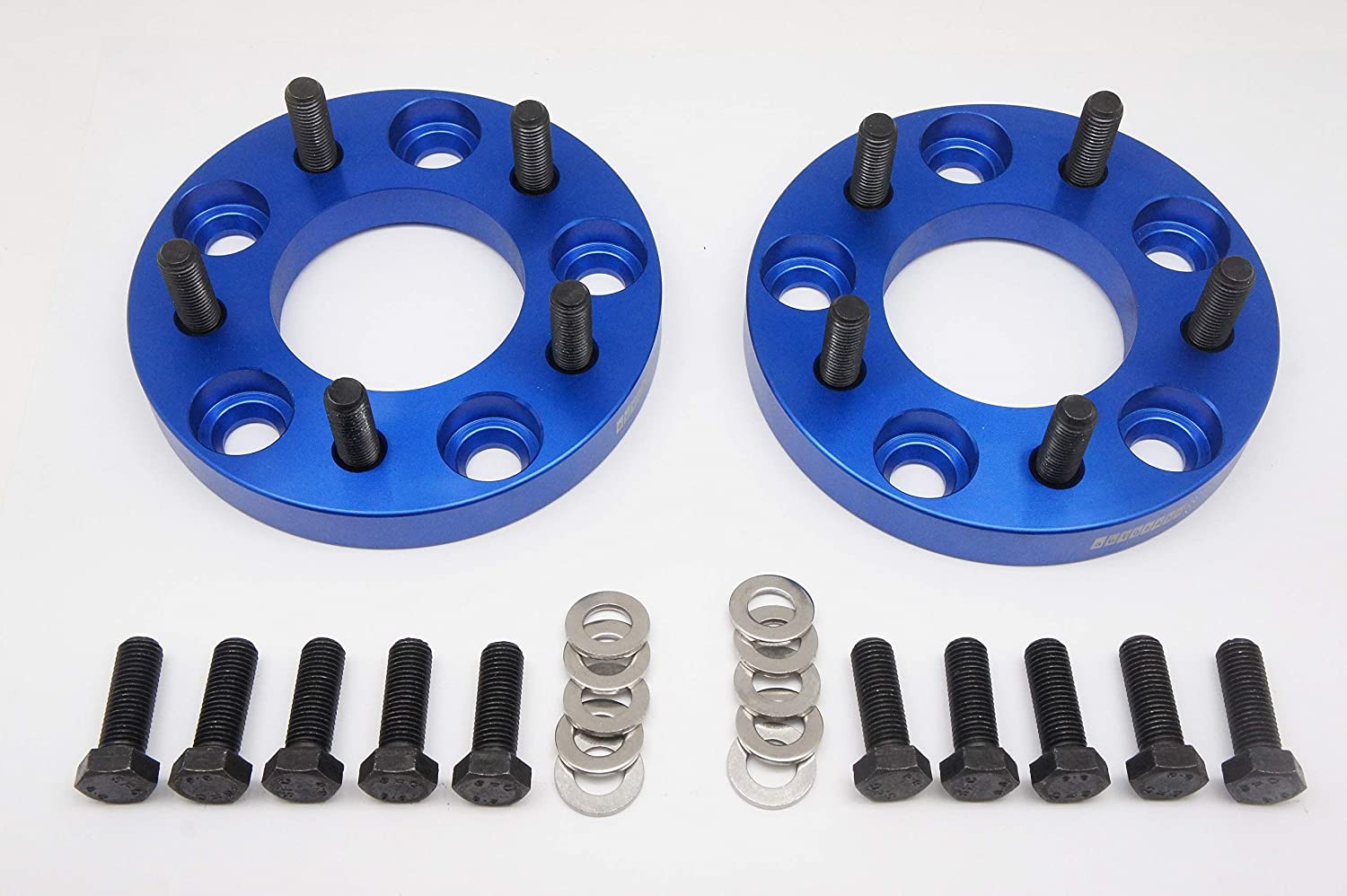
A normal wheel spacer does not change bolt pattern. Hub rings cannot enlarge a wheel bore that is smaller than the hub. Brake clearance and tire package fitment still require vehicle-specific checks when not confirmed in the dataset.
You want facts, not fluff. Here is the baseline we can confirm for a 2011 Acura TL, with careful notes where specs may vary by trim or source. Use the on-page calculator to validate any change, and confirm final choices against OEM references before buying.
1. Baseline
These are the known values provided for this year and model. If a value looks unusual for you, treat it as a prompt to verify with the door-jamb label, the owner manual, or a dealer parts lookup.
Spec
Value
Bolt pattern
5x120
Center bore
64.1 mm
Thread size
M14 x 1.5
OEM rim diameter
18 in
OEM rim width
8.0 in
OEM offset
ET 55 mm
Backspacing
6.17 in
Tire section width
245 mm
Tire aspect ratio
50
Tire rim diameter
R17
Note the mixed tire and wheel diameters above. That can indicate multiple factory packages or a data blend. Do not assume. Use the calculator to compare your actual trim, then confirm with OEM documentation.
2. Edge cases
These are the situations that tend to bite even careful installers. Plan for them early.
Brake clearance can vary by trim. Some calipers sit proud and can foul tighter barrel designs.
High factory offset. Many donor wheels sit lower offset, which may push the wheel outward and alter scrub.
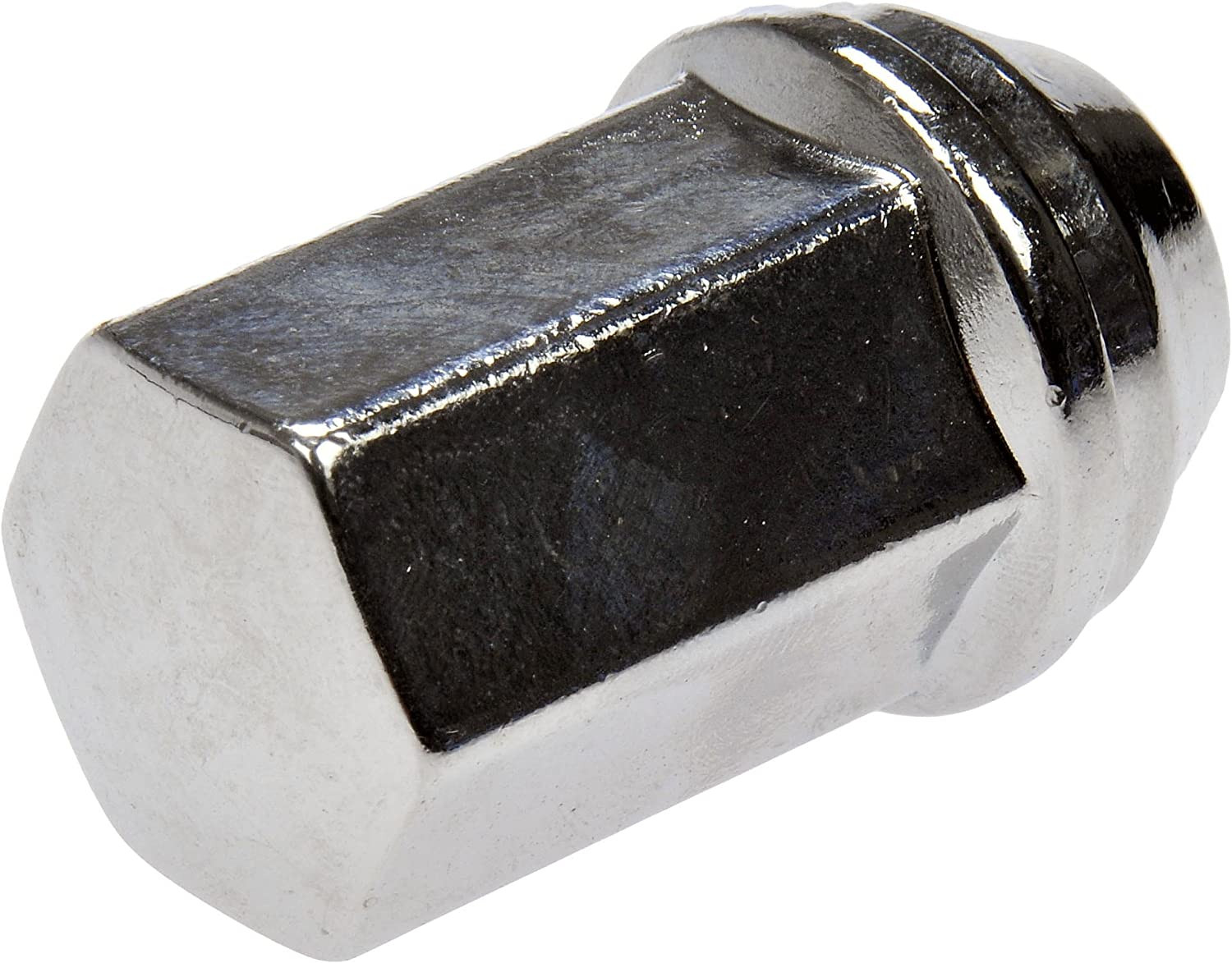
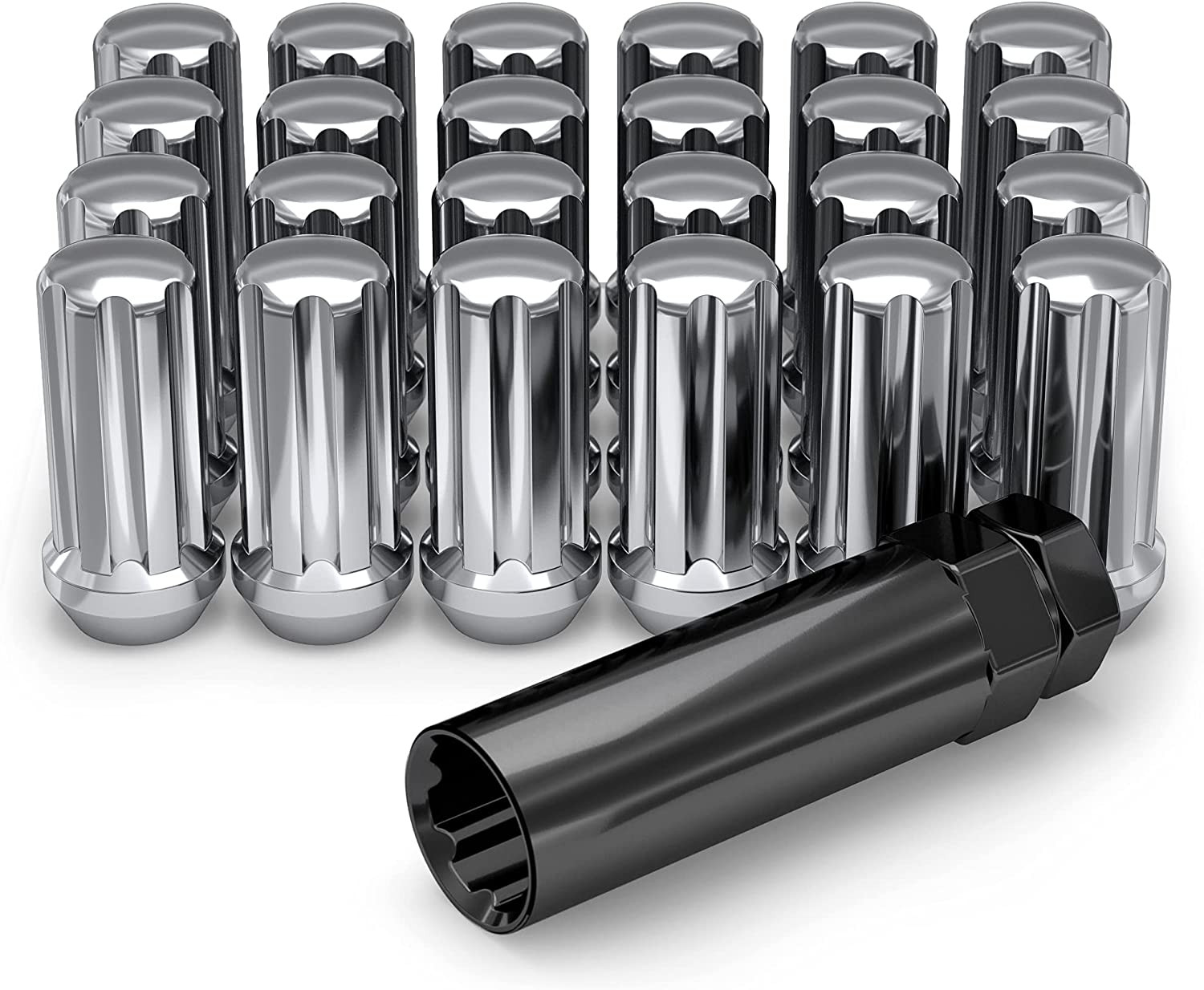
Thread size and seat type. M14 x 1.5 is listed, but some owners expect M12 x 1.5 in this family. Do not mix hardware.
Hub size mismatch. Many 5-lug aftermarket wheels use a larger center bore that needs rings to stay hub-centric.
Tire diameter drift. A small rim change can balloon rolling diameter if the tire is not adjusted.
Inner clearance. Wider wheels can clip the strut tube, spring perch, or liner at full lock.
3. Detection
Use these checks before committing money or time. They are quick and can prevent a return.
Confirm your exact trim and factory wheel option. Check the door-jamb tire label and owner manual.
Measure your current wheel. Width is bead seat to bead seat, not outer lip to lip.
Read markings inside the wheel. Look for diameter, width, and offset stamps.
Verify thread size and seat type on a removed lug nut. Match the donor hardware accordingly.
Measure the hub. A simple digital caliper can confirm the 64.1 mm bore at the hub nose.
Test caliper clearance. A clay or putty smear on the caliper face can show contact during a slow rotation.
Use the calculator. Set Installed on to your 2011 TL, then compare a donor wheel or a custom size. Adjust rim diameter, width, and offset. The tool also recalculates tire diameter when you change rim size.
4. Mitigations
If your chosen wheel is close but not perfect, these steps may resolve fitment while managing risk.
Hub-centric rings. Step any larger wheel bore down to 64.1 mm to reduce vibration.
Hardware match. Use the correct thread and seat style for the wheel. Do not mix ball and cone seats.
Tire sizing. In the calculator, tune section width and aspect ratio to keep overall diameter near stock.
Brake clearance. Prefer barrel-friendly wheels if calipers are close. A concave design may help in some cases.
Spacers, only if necessary. They can solve inner rub, but require hub-centric designs and full lug engagement.
Alignment and steering feel. After changes, get a fresh alignment and check steering return.
Re-torque. Re-check torque after 50 to 100 miles to catch any settling.
5. Safe defaults
When in doubt, keep geometry close to stock. This keeps risk and surprises low.
Stay near 8.0 in width and ET 55 when practical.
Match tire overall diameter as closely as possible to stock.
Limit poke or tuck changes. Small offset moves are easier to live with.
Keep the hub-centric interface. Use rings when the wheel bore is larger than 64.1 mm.
Buy hardware only after you confirm thread size on your car.
6. Checklist
Confirm bolt pattern: 5x120.
Confirm hub bore on car: 64.1 mm.
Confirm thread size on car: M14 x 1.5 is listed, verify before purchase.
Set your current setup in the calculator. Capture baseline inner and outer clearances.
Enter the donor or custom setup. Keep diameter close, and watch inner clearance and poke.
Check caliper and barrel clearance by test fit if possible.
Select hub-centric rings if the wheel bore is larger than 64.1 mm.
Match lug seat type and thread to the wheel and the hub.
Install carefully, torque in a star pattern, then re-torque after driving.
The specs above reflect what we have for the 2011 TL, and some values may vary by trim or package. If anything conflicts with your car, trust your VIN-specific OEM source and use the calculator to model changes before you buy. Careful checks now can save a return and keep the drive smooth.