2003 Acura RSX
Direct Fit- Bolt pattern5x114.3 · Match
- Center bore64.1 mm · Match
- Wheel geometryCompatible with OEM envelope
Mounting dimensions align with known OEM fitment for this vehicle.
Baseline mounting dimensions used for interchange decisions.
Multiple OEM configurations exist for this vehicle. Fitment can vary by trim, brakes, and factory wheel package – confirm your exact setup before buying.
Results are evaluated from bolt pattern, center bore direction, OEM width/offset envelope, and lug hardware – not bolt pattern alone.
Mounting dimensions align with known OEM fitment for this vehicle.
Mounting dimensions align with known OEM fitment for this vehicle.
Mounting dimensions align with known OEM fitment for this vehicle.
Mounting dimensions align with known OEM fitment for this vehicle.
Mounting dimensions align with known OEM fitment for this vehicle.
Mounting dimensions align with known OEM fitment for this vehicle.
Mounting dimensions align with known OEM fitment for this vehicle.
Mounting dimensions align with known OEM fitment for this vehicle.
Mounting dimensions align with known OEM fitment for this vehicle.
Mounting dimensions align with known OEM fitment for this vehicle.
Mounting dimensions align with known OEM fitment for this vehicle.
Mounting dimensions align with known OEM fitment for this vehicle.
Mounting dimensions align with known OEM fitment for this vehicle.
Mounting dimensions align with known OEM fitment for this vehicle.
Mounting dimensions align with known OEM fitment for this vehicle.
Mounting dimensions align with known OEM fitment for this vehicle.
Mounting dimensions align with known OEM fitment for this vehicle.
Mounting dimensions align with known OEM fitment for this vehicle.
Mounting dimensions align with known OEM fitment for this vehicle.
Mounting dimensions align with known OEM fitment for this vehicle.
Geometry within known OEM envelope (approx. outer change 6.35 mm, inner change 6.35 mm vs mid OEM).
Geometry within known OEM envelope (approx. outer change 6.35 mm, inner change 6.35 mm vs mid OEM).
Geometry within known OEM envelope (approx. outer change 6.35 mm, inner change 6.35 mm vs mid OEM).
Bolt pattern data is incomplete for a full interchange decision.
Showing 24 of 78 evaluated donors. Same-model years are prioritized.
Only years with evidence-based interchange relationships are listed. Adjacent years are not assumed compatible.
Compare a donor vehicle or custom wheel against this 2002 Acura RSX.
Compare wheel compatibility between two vehicles
2002 Acura RSX





Products below are matched to required fitment dimensions from our parts inventory. Confirm seat style, thickness, and clearance before ordering.
M12 x 1.5
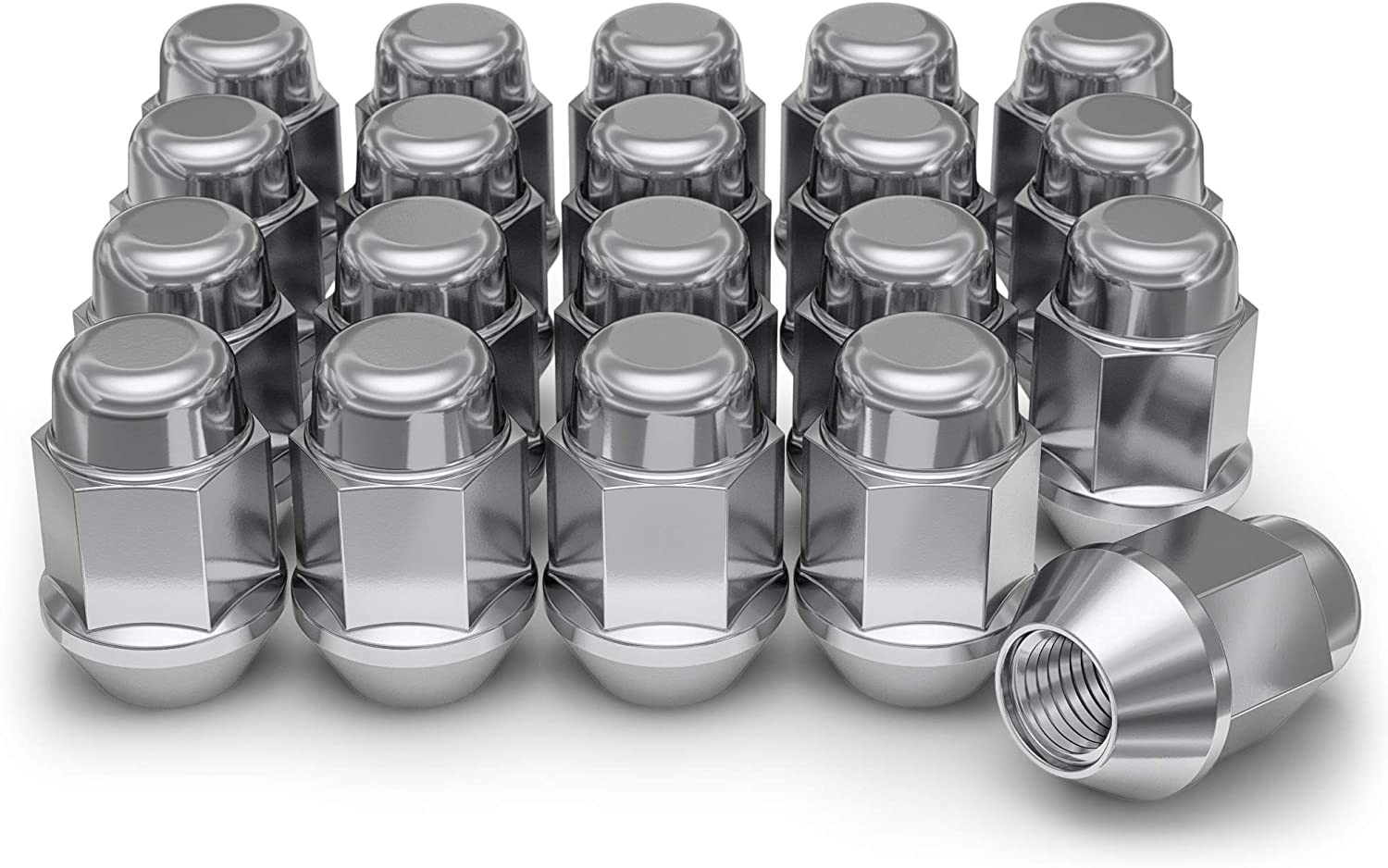
M12 x 1.5 · Confirm wheel seat style before ordering
View on Amazon →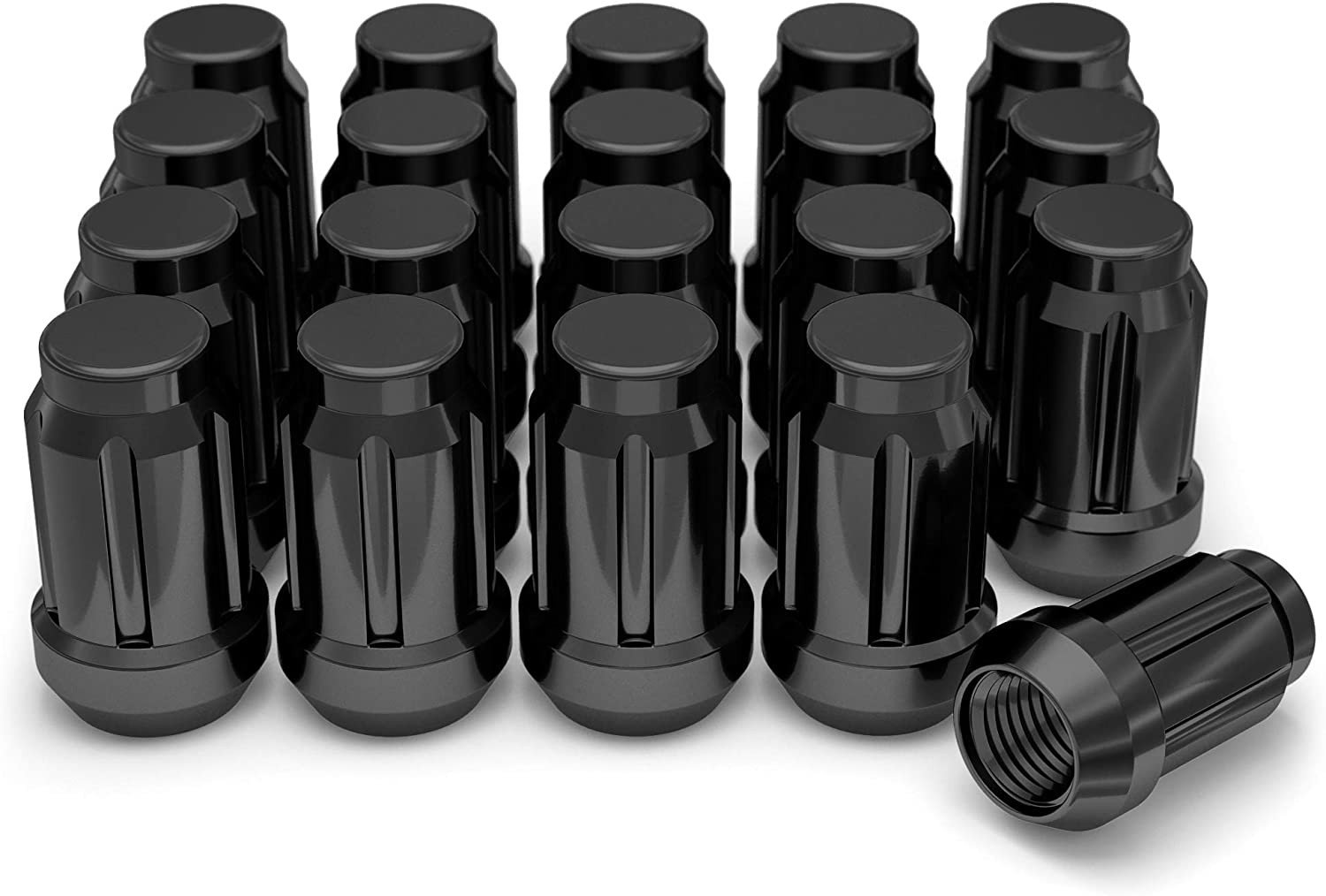
M12 x 1.5 · Confirm wheel seat style before ordering
View on Amazon →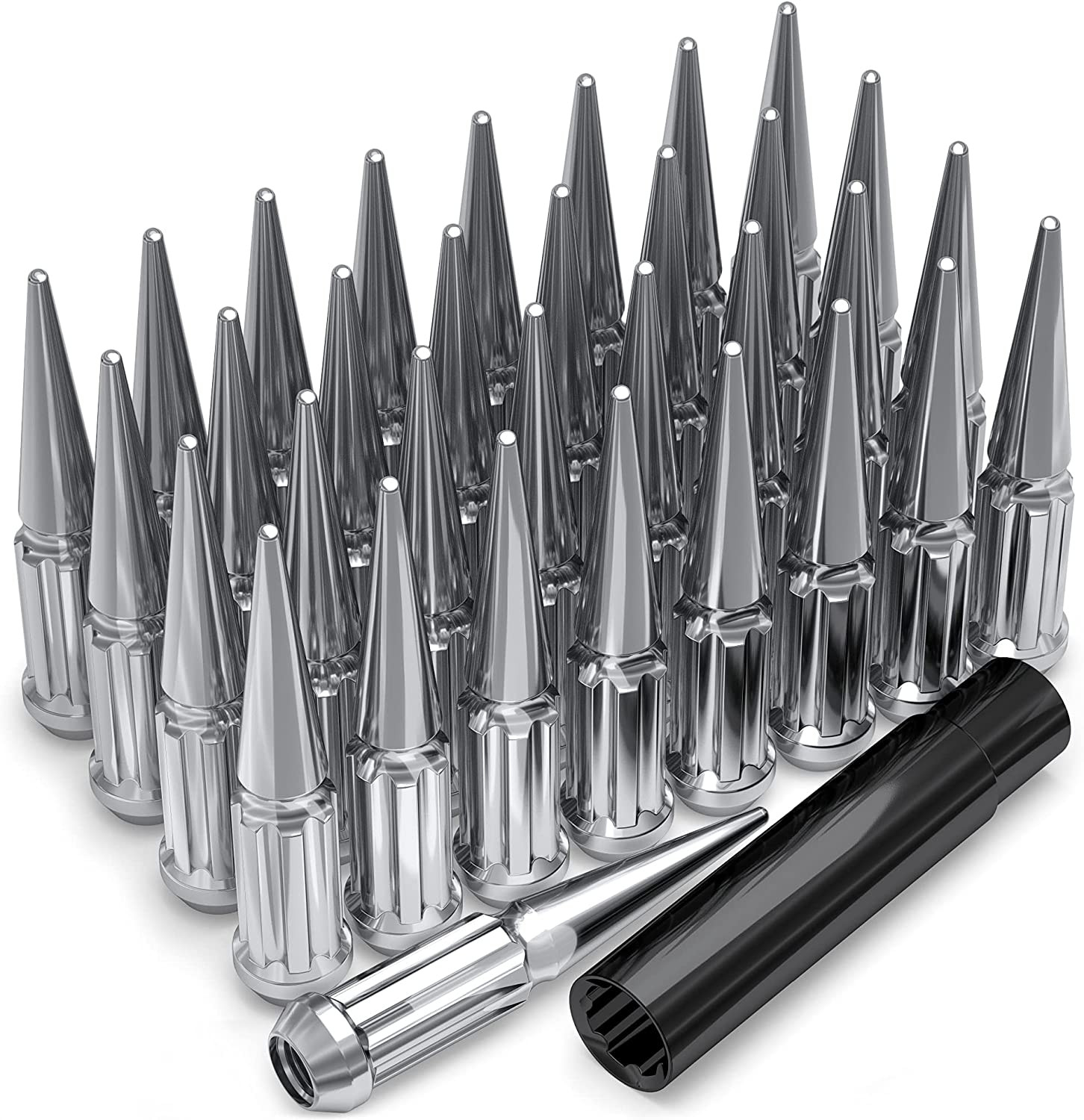
M12 x 1.5 · Confirm wheel seat style before ordering
View on Amazon →5x114.3 · 64.1 mm hub
Directional bolt-pattern adapters. A spacer does not change PCD.
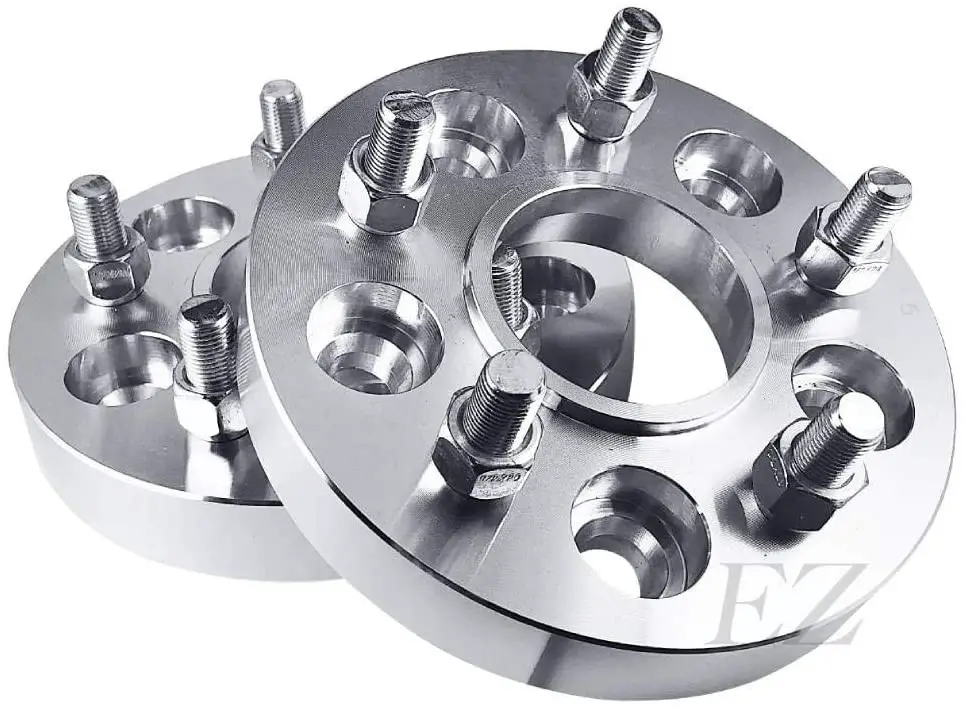
5x114.3 → 5x112 · hub 57.1 mm · 1 inch / 25 mm
View on Amazon →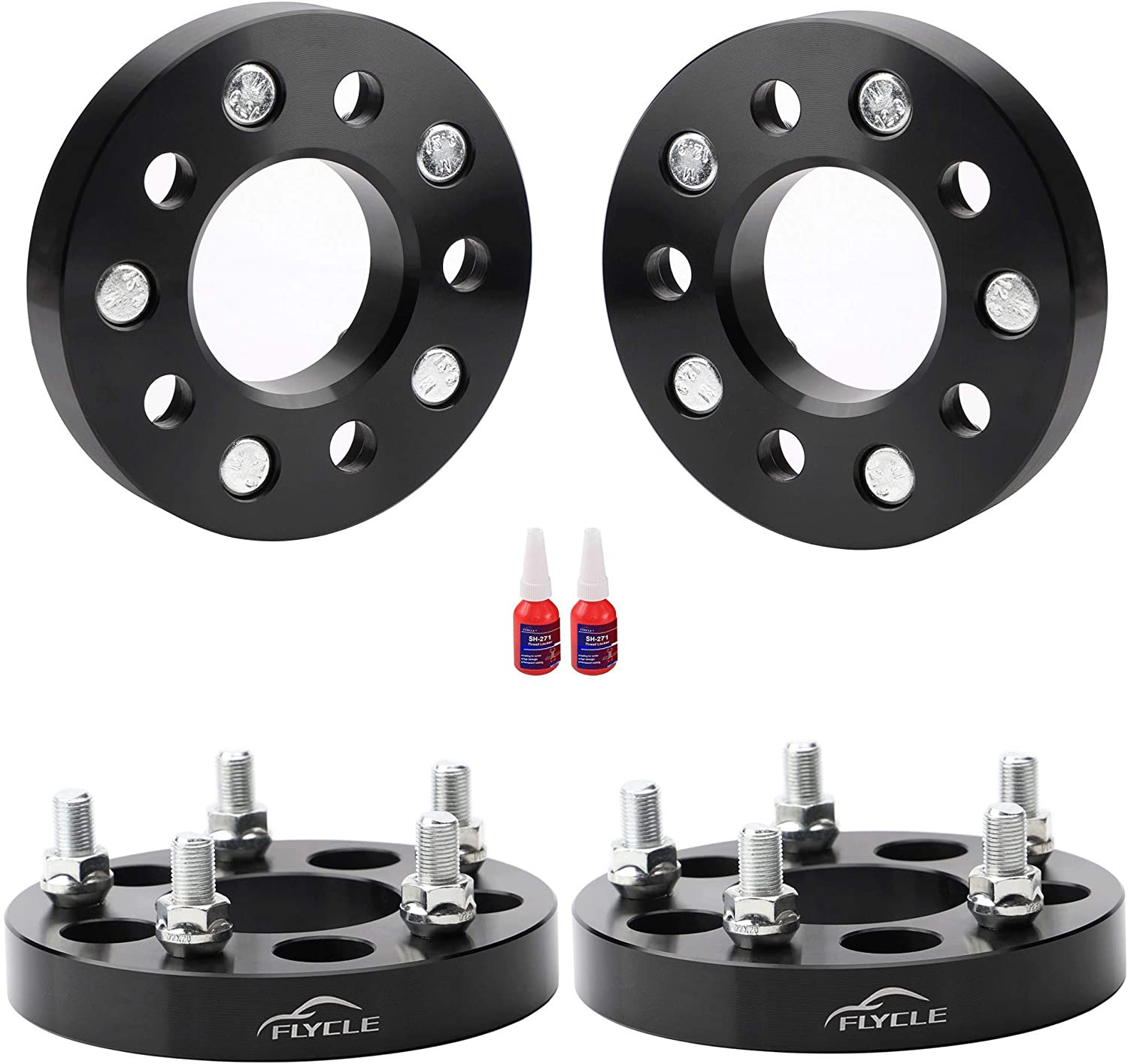
5x114.3 → 5x120.7 · hub 73 mm · 1 inch / 25 mm
View on Amazon →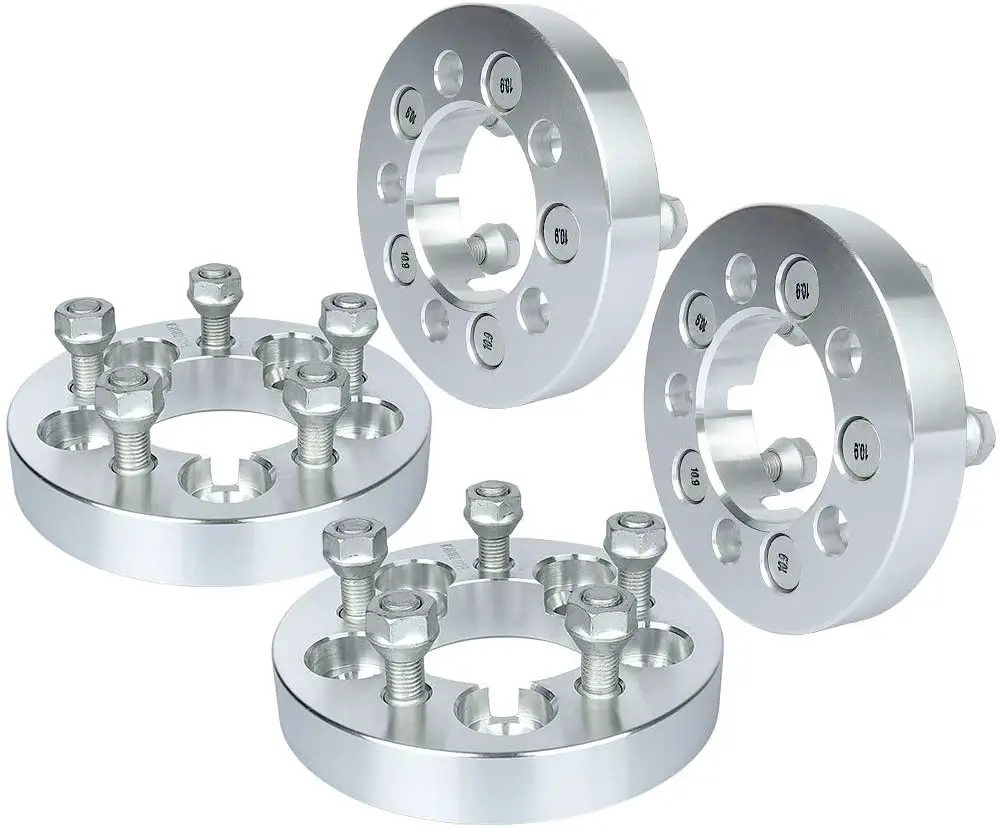
5x114.3 → 5x100 · hub 73.1 mm · 1 inch / 25 mm
View on Amazon →As an Amazon Associate we earn from qualifying purchases. Product availability and pricing may change.
Wheel interchange depends on more than bolt pattern. Where data is available, this site compares:
A normal wheel spacer does not change bolt pattern. Hub rings cannot enlarge a wheel bore that is smaller than the hub. Brake clearance and tire package fitment still require vehicle-specific checks when not confirmed in the dataset.
You need to select replacement wheels and tires for a 2002 Acura RSX while ensuring safe fitment and correct hardware compatibility. The decision hinges on preserving bolt pattern, thread compatibility, center bore fitment, and maintaining safe wheel geometry and clearance.
Known OEM fitment evidence for this vehicle is listed below and should be treated as the primary baseline for interpretation.
| Parameter | OEM value (provided) |
|---|---|
| Bolt pattern | 5x114.3 |
| Center bore | 64.1 mm |
| Wheel thread | M12 x 1.5 |
| Rim diameter | 16 in |
| Rim width | 6.5 in |
| Wheel offset (ET) | 45 mm |
| Backspacing | 5.02 in |
| Tire | 205/55R16 |
Interpretation of fitment must respect the supplied OEM values and the physical constraints of the vehicle. Evidence indicates bolt pattern, center bore, lug thread, rim size, and offset are key constraints for safe mounting and operation.
Limitations exist in the provided data. TPMS sensor type, lug seat style, factory torque specification, and trim-dependent variations are not supplied. This absence imposes a requirement to confirm those variables before purchase or installation.
How to confirm unknowns: consult the vehicle’s owner manual, door-jamb tire placard, dealer or OEM parts lookup using the VIN, and the on-page wheel/tire calculator for quantitative clearance modeling.
Options can be grouped by how closely they follow OEM parameters versus how much change they introduce to wheel geometry and mounting hardware.
A concise comparison follows, presenting interpretation of evidence and practical consequences for a skeptical evaluator weighing the options.
| Option | Fitment ease | Safety/handling | Cost and complexity |
|---|---|---|---|
| OEM-equivalent | Highest; matches bolt pattern, bore, thread and offset. | Lowest uncertainty; preserves OEM scrub radius and clearance. | Moderate; straightforward installation and minimal additional parts. |
| Aftermarket, same bolt pattern/bore | High; no rings required if bore matches. | Good if offset and width are close to OEM; minor handling differences possible. | Variable; may be similar to OEM cost, depends on brand. |
| Aftermarket requiring hub rings | Medium; adds one more component to ensure centering. | Acceptable if properly installed; rings mitigate vibration risk from larger bore. | Lower wheel cost but added parts and fitment verification required. |
| Wider/different offset | Lowest; requires calculator validation and physical test for rubbing. | Higher risk of altered steering feel, rubbing, or bearing load; requires thorough validation. | Higher if spacers, fender work, or different hardware become necessary. |
| Adapters | Lowest convenience; adds mechanical interfaces and stress points. | Increases risk profile; long-term durability and safety are conditional on quality and pattern match. | Often cheaper initially but can increase inspection, maintenance, and liability costs. |
As an observer and analyst, my interpretation of the evidence supports choosing wheels that match the 5x114.3 bolt pattern, 64.1 mm center bore, and M12 x 1.5 thread as primary requirements.
If you select aftermarket wheels, prefer those listing a center bore of 64.1 mm or plan to use properly sized hub-centric rings to restore centering. Use the on-page calculator to model any change in rim width, diameter, or offset before purchase.
Practical steps for a DIY or technician workflow:
Helpful tools and parts can be sourced through general searches. Example resources include hub-centric rings and a calibrated torque wrench for safe installation.
Hub rings search: hub centric rings 64.1mm · Torque wrench search: torque wrench 1/2 drive
There are several plausible risks associated with wheel changes, and their mitigation requires measured verification rather than assumption.
Given the limitations in available data, the hypothesis that a wheel will fit should be validated using the on-page calculator and OEM documentation before purchasing. This approach reduces uncertainty and resolves the primary concerns of a skeptical evaluator.
