2008 Acura RDX
Direct Fit- Bolt pattern5x114.3 · Match
- Center bore64.1 mm · Match
- Wheel geometryCompatible with OEM envelope
Geometry within known OEM envelope (approx. outer change -0.67 mm, inner change -5.68 mm vs mid OEM).
Baseline mounting dimensions used for interchange decisions.
Results are evaluated from bolt pattern, center bore direction, OEM width/offset envelope, and lug hardware – not bolt pattern alone.
Geometry within known OEM envelope (approx. outer change -0.67 mm, inner change -5.68 mm vs mid OEM).
Geometry within known OEM envelope (approx. outer change -0.67 mm, inner change -5.68 mm vs mid OEM).
Geometry within known OEM envelope (approx. outer change -0.67 mm, inner change -5.68 mm vs mid OEM).
Geometry within known OEM envelope (approx. outer change -0.67 mm, inner change -5.68 mm vs mid OEM).
Geometry within known OEM envelope (approx. outer change -0.67 mm, inner change -5.68 mm vs mid OEM).
Geometry within known OEM envelope (approx. outer change -0.67 mm, inner change -5.68 mm vs mid OEM).
Geometry within known OEM envelope (approx. outer change -0.67 mm, inner change -5.68 mm vs mid OEM).
Geometry within known OEM envelope (approx. outer change -0.67 mm, inner change -5.68 mm vs mid OEM).
Geometry within known OEM envelope (approx. outer change -0.67 mm, inner change -5.68 mm vs mid OEM).
Geometry within known OEM envelope (approx. outer change -0.67 mm, inner change -5.68 mm vs mid OEM).
Geometry within known OEM envelope (approx. outer change -0.67 mm, inner change -5.68 mm vs mid OEM).
Geometry within known OEM envelope (approx. outer change 0.67 mm, inner change 5.68 mm vs mid OEM).
Geometry within known OEM envelope (approx. outer change 0.67 mm, inner change 5.68 mm vs mid OEM).
Geometry within known OEM envelope (approx. outer change 0.67 mm, inner change 5.68 mm vs mid OEM).
Geometry within known OEM envelope (approx. outer change 0.67 mm, inner change 5.68 mm vs mid OEM).
Geometry within known OEM envelope (approx. outer change -0.67 mm, inner change -5.68 mm vs mid OEM).
Geometry within known OEM envelope (approx. outer change -0.67 mm, inner change -5.68 mm vs mid OEM).
Geometry within known OEM envelope (approx. outer change -0.67 mm, inner change -5.68 mm vs mid OEM).
Geometry within known OEM envelope (approx. outer change -0.67 mm, inner change -5.68 mm vs mid OEM).
Geometry within known OEM envelope (approx. outer change -0.67 mm, inner change -5.68 mm vs mid OEM).
Geometry within known OEM envelope (approx. outer change -0.67 mm, inner change -5.68 mm vs mid OEM).
Geometry within known OEM envelope (approx. outer change -0.67 mm, inner change -5.68 mm vs mid OEM).
Geometry within known OEM envelope (approx. outer change -0.67 mm, inner change -5.68 mm vs mid OEM).
Geometry within known OEM envelope (approx. outer change -0.67 mm, inner change -5.68 mm vs mid OEM).
Showing 24 of 77 evaluated donors. Same-model years are prioritized.
Only years with evidence-based interchange relationships are listed. Adjacent years are not assumed compatible.
Compare a donor vehicle or custom wheel against this 2007 Acura RDX.
Compare wheel compatibility between two vehicles
2007 Acura RDX





Products below are matched to required fitment dimensions from our parts inventory. Confirm seat style, thickness, and clearance before ordering.
M12 x 1.5
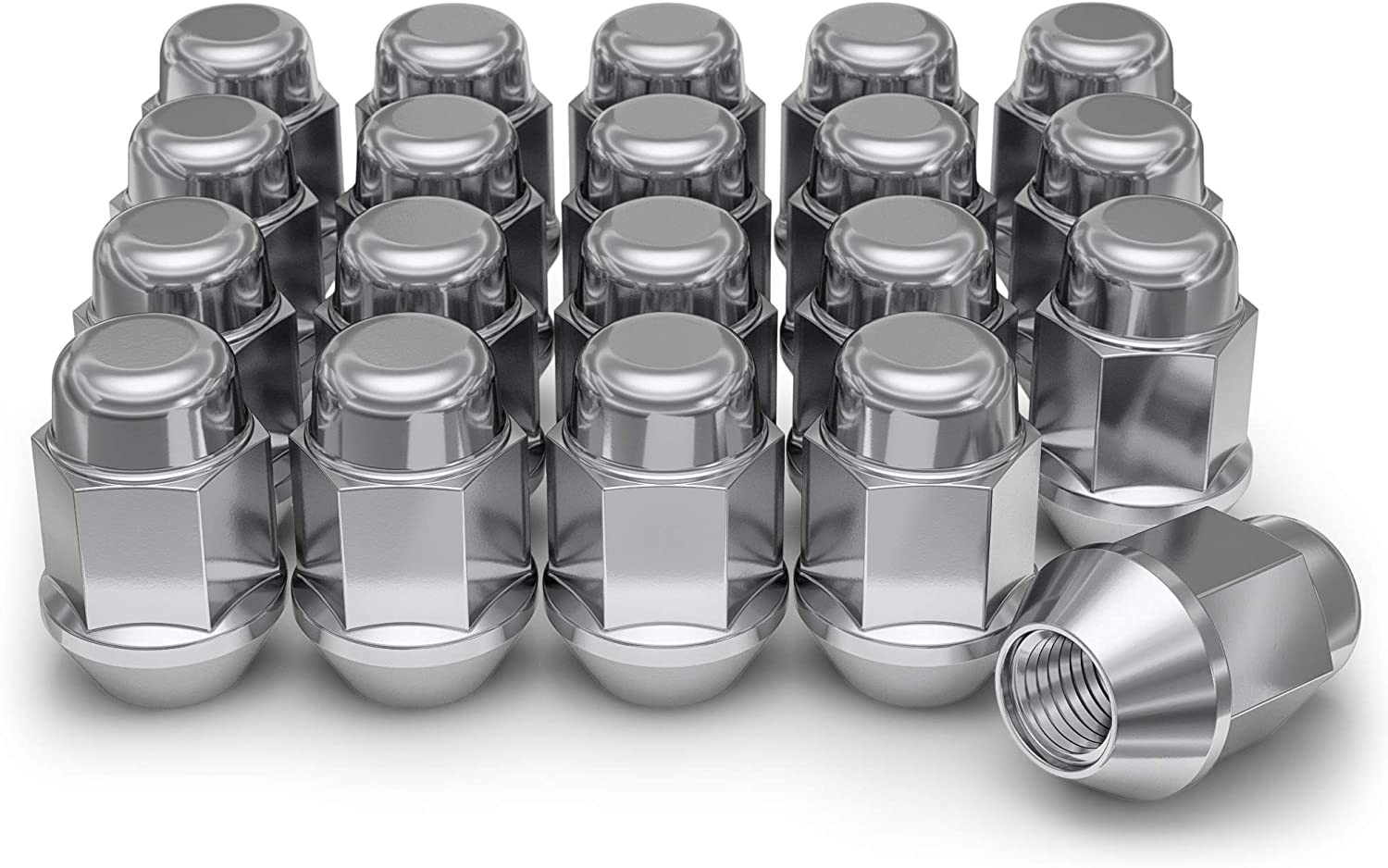
M12 x 1.5 · Confirm wheel seat style before ordering
View on Amazon →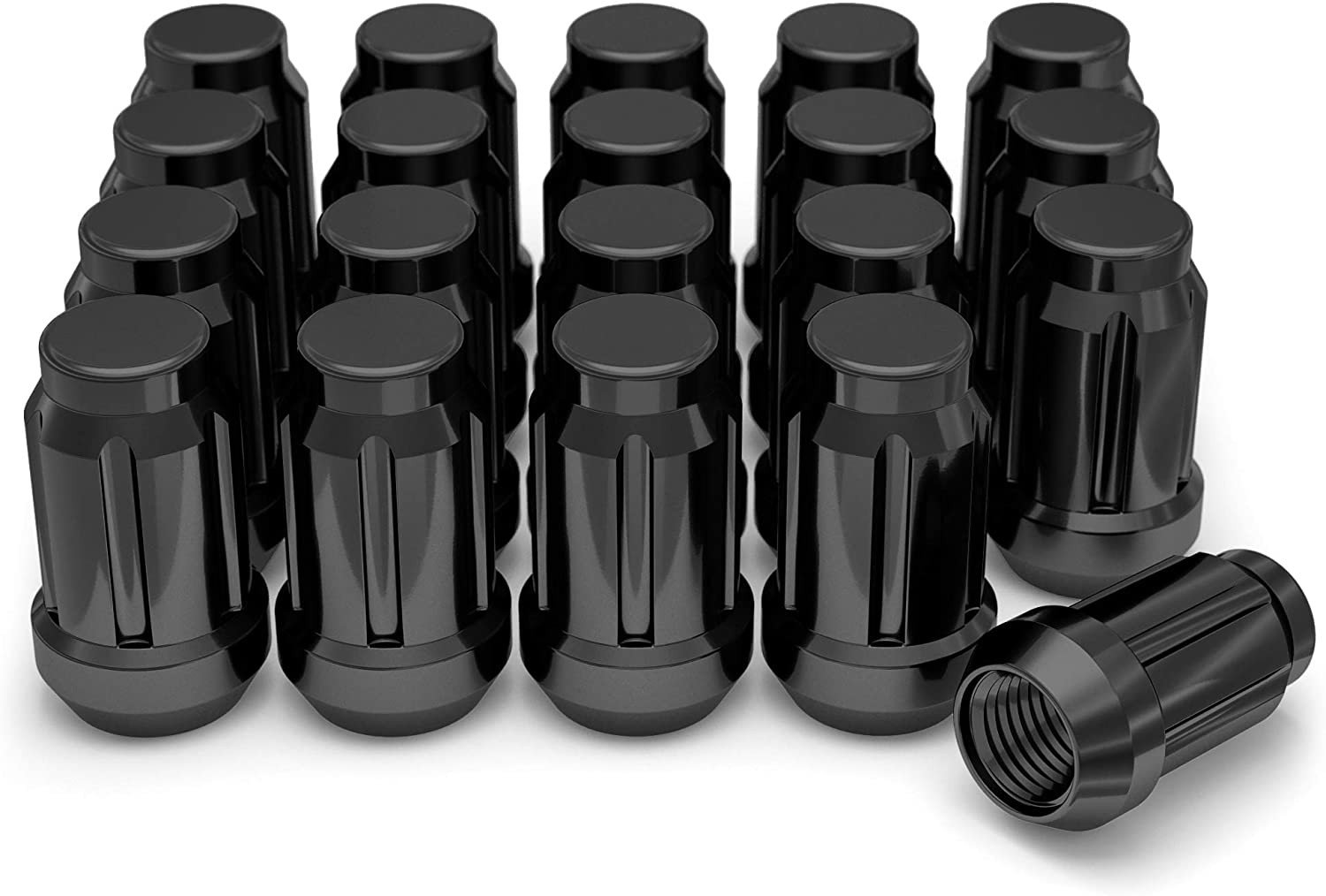
M12 x 1.5 · Confirm wheel seat style before ordering
View on Amazon →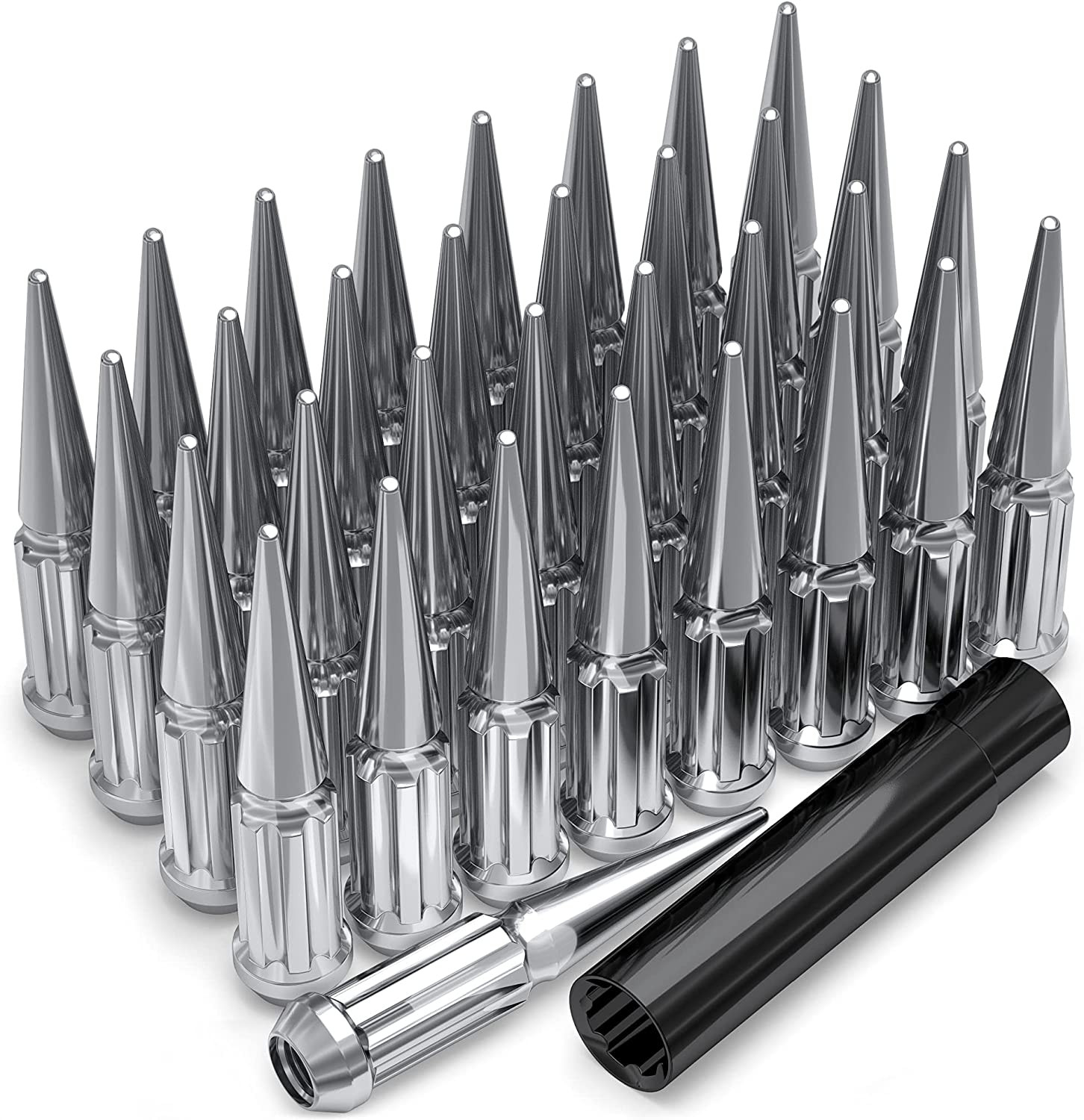
M12 x 1.5 · Confirm wheel seat style before ordering
View on Amazon →5x114.3 · 64.1 mm hub
Directional bolt-pattern adapters. A spacer does not change PCD.
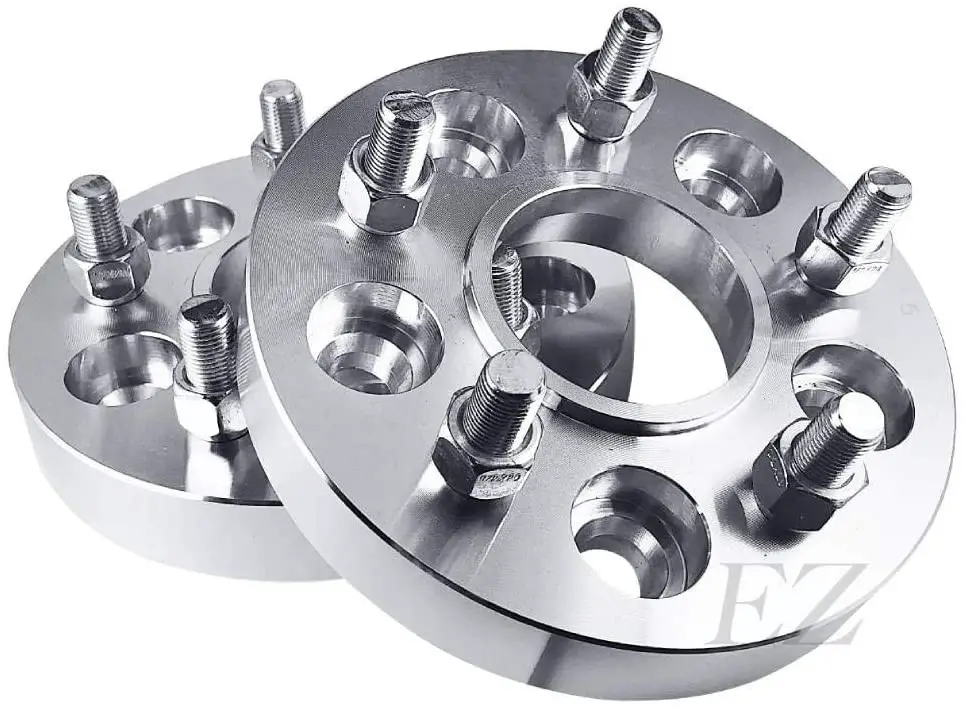
5x114.3 → 5x112 · hub 57.1 mm · 1 inch / 25 mm
View on Amazon →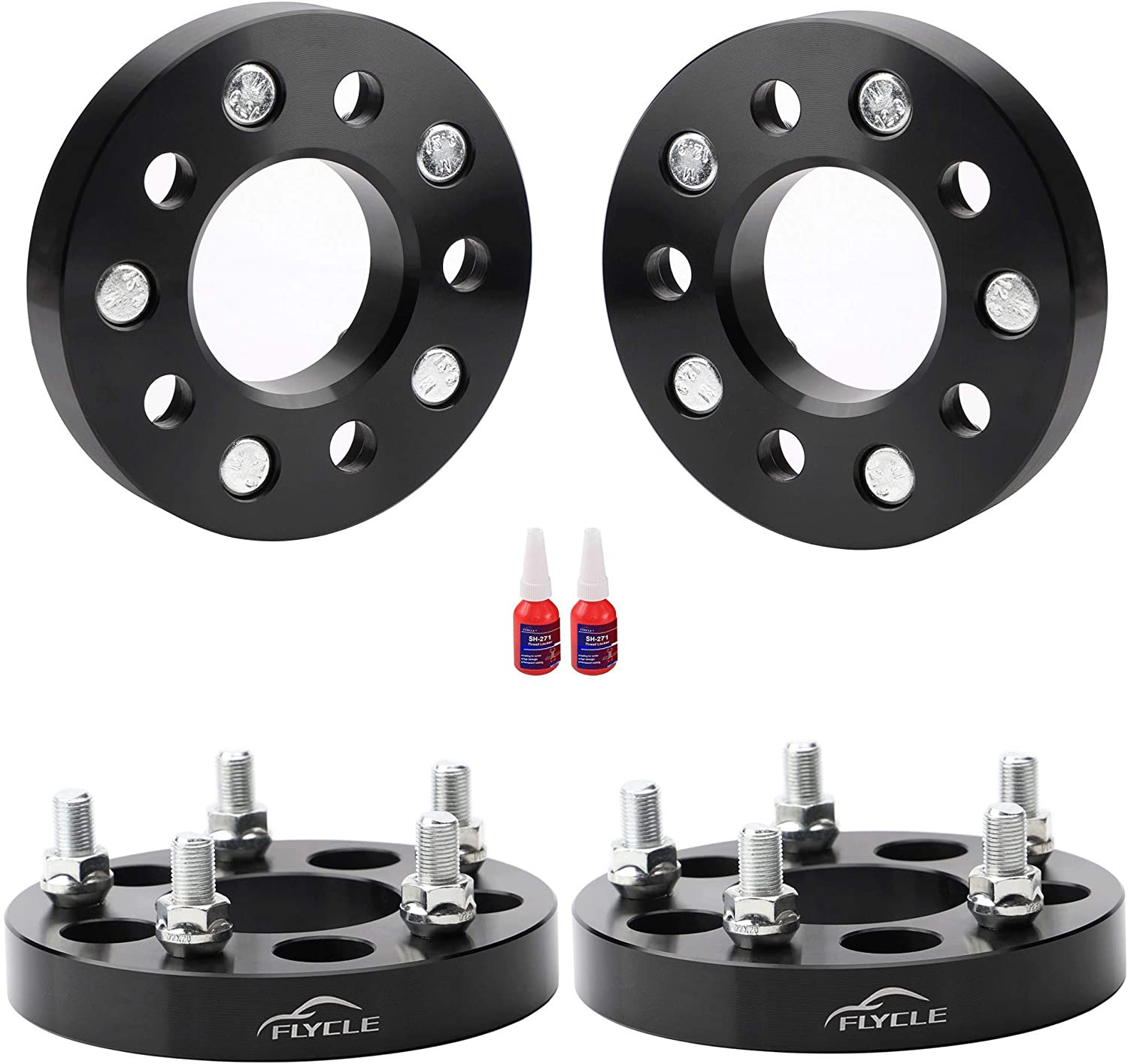
5x114.3 → 5x120.7 · hub 73 mm · 1 inch / 25 mm
View on Amazon →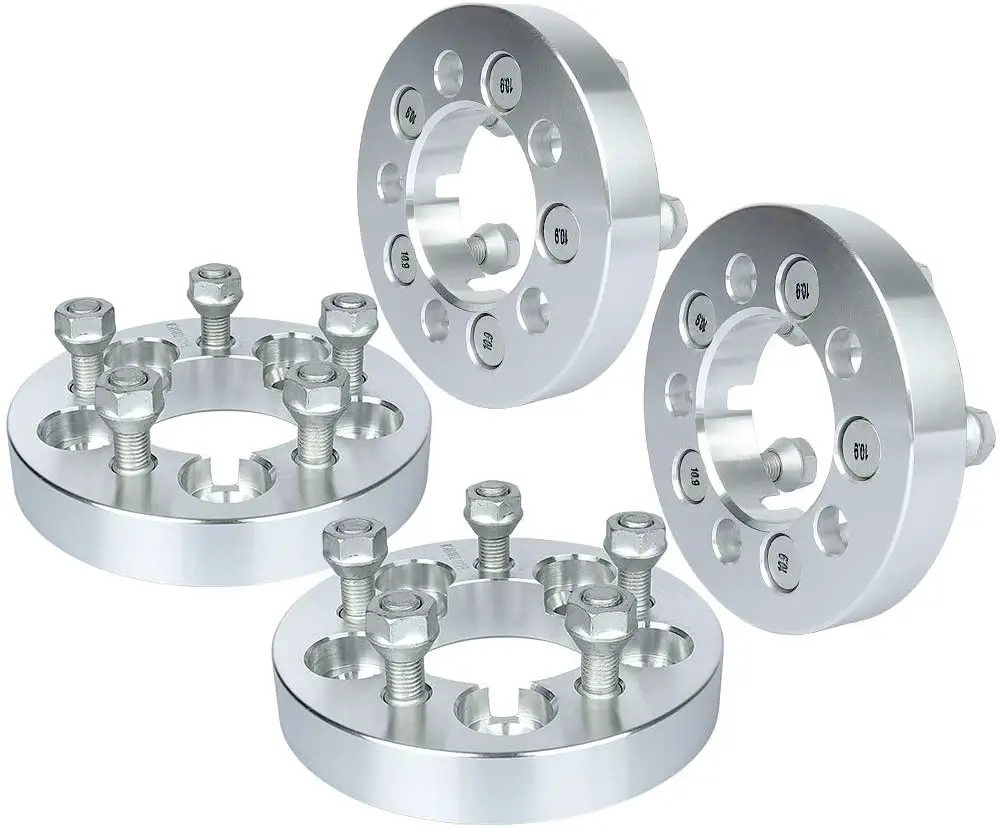
5x114.3 → 5x100 · hub 73.1 mm · 1 inch / 25 mm
View on Amazon →As an Amazon Associate we earn from qualifying purchases. Product availability and pricing may change.
Wheel interchange depends on more than bolt pattern. Where data is available, this site compares:
A normal wheel spacer does not change bolt pattern. Hub rings cannot enlarge a wheel bore that is smaller than the hub. Brake clearance and tire package fitment still require vehicle-specific checks when not confirmed in the dataset.
The 2007 Acura RDX runs 5x114.3, 64.1 mm hub bore, M12x1.5 studs. OEM wheels are 18x7.5 ET45 with 5.52 in backspacing, on 235/55R18 tires. Use the on-page calculator to compare donor wheels and custom sizes. Keep the hub bore at 64.1 mm or use rings if larger. Verify inner clearance and fender poke before buying.
| Bolt pattern | 5x114.3 |
| Center bore | 64.1 mm |
| Thread size | M12 x 1.5 |
| Wheel size | 18 x 7.5 |
| Offset (ET) | 45 mm |
| Backspacing | 5.52 in |
| Tire size | 235/55R18 |
If any value for your trim differs, verify against your door placard, owner’s manual, and the on-page calculator readouts. When in doubt, stick close to the OEM spec and validate with a careful test fit.
