OEM wheel and tire fitment specs for the 2012 BMW X5, including bolt pattern (PCD), center bore diameter, thread size, rim diameter, rim width, wheel offset, and backspacing.
2012 BMW X5 Fitment Specs
Baseline mounting dimensions used for interchange decisions.
Multiple OEM configurations exist for this vehicle. Fitment can vary by trim, brakes, and factory wheel package – confirm your exact setup before buying.
Wheels That Interchange With a 2012 BMW X5
Results are evaluated from bolt pattern, center bore direction, OEM width/offset envelope, and lug hardware – not bolt pattern alone.
Use lug nuts compatible with your vehicle's studs. Geometry within known OEM envelope (approx. outer change -0.67 mm, inner change -5.68 mm vs mid OEM).
A normal wheel spacer does not change bolt pattern. Hub rings cannot enlarge a wheel bore that is smaller than the hub. Brake clearance and tire package fitment still require vehicle-specific checks when not confirmed in the dataset.
2012 BMW X5 Wheel Fitment Guide
Known OEM Fitment For 2012 BMW X5
The values below reflect a verified OEM configuration for the 2012 BMW X5. Other trims and option packages may differ. If your vehicle has a different wheel or tire size on the door jamb placard, use that as your baseline and verify with BMW documentation.
Bolt pattern
5x120
Center bore
74.1 mm
Thread size
M14 x 1.25
Rim diameter
18 in
Rim width
8.5 in
Wheel offset
ET 46 mm
Backspacing
6.06 in
Tire size
255/55R18
Notes:
OEM specs can vary by trim, package, market, and wheel option. Confirm your exact baseline using your door placard, your VIN in BMW TIS or the owner manual, then replicate it in the calculator to compare changes.
Backspacing is derived from wheel width and offset but can differ slightly due to rim lip design. Use offset and width as your primary clearance references.
How To Use The Wheel Interchange Calculator
The calculator on wheelinterchange.com lets you compare one setup against another for clearance, poke, and diameter changes.
Set Installed on to 2012 BMW X5.
Choose Wheels from to define the donor vehicle or set Custom wheel size to enter rim diameter, width, and offset you want to try.
Enter Custom tire size if you plan to change section width and aspect ratio. When you change rim diameter, the tool updates tire diameter in the comparison so you can keep overall diameter close to stock.
Review inner clearance to suspension and brakes, outer poke vs fender, and overall tire diameter difference. Aim to keep total diameter change within about 1 to 3 percent unless you have measured clearances and speedometer calibration in mind.
If your BMW has different OEM sizes than listed above, first enter your actual OEM wheel and tire sizes from the door placard as the baseline. Then compare any candidate setup against that baseline.
Fitment Checklist Before You Buy
Bolt pattern - Must be 5x120 for direct fit. Adapters change thickness and clearances and require additional measurements.
Center bore - Vehicle hub is 74.1 mm. Aftermarket wheels with larger bores require hub-centric rings sized 74.1 mm to the wheel bore. Wheels with smaller bores will not fit.
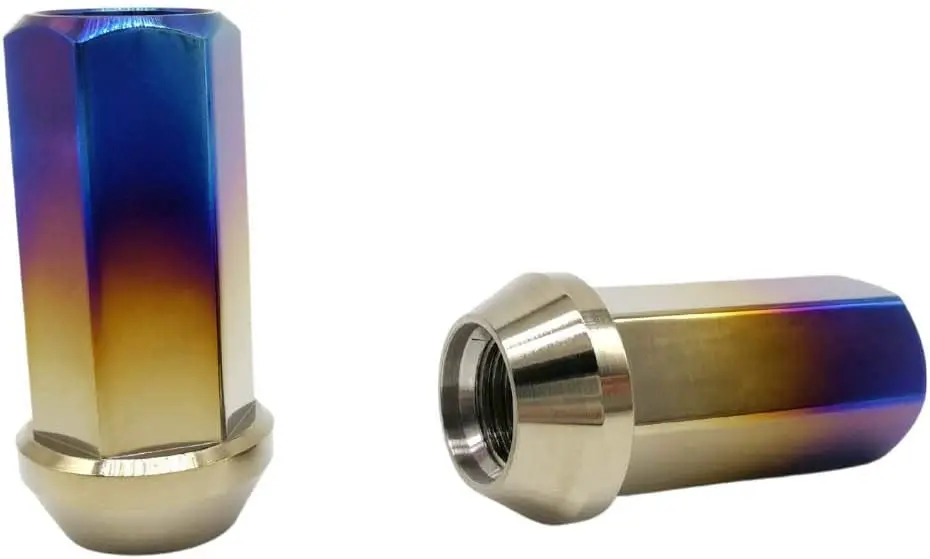
Thread size and hardware - Threads are M14 x 1.25. Many BMW SUVs use lug bolts, not nuts. Confirm hardware type and seat profile required by your wheels. Do not mix seat types.
Offset and width - Compare against the OEM ET 46 mm and 8.5 in width using the calculator. Check inner clearance to struts and brake calipers and outer poke relative to fenders.
Overall tire diameter - Keep close to OEM to protect ABS, stability control, and speedometer function. Use the calculator to estimate the difference.
Brake caliper clearance - Barrel and spoke clearance must be verified, especially with larger brakes. Request a wheel brake template from the wheel maker if available.
Load rating - Wheel and tire load ratings must meet or exceed the X5 axle loads. Check tire load index and wheel manufacturer specs.
TPMS - The 2012 model year may use different TPMS strategies by market. Check whether your vehicle uses direct in-wheel sensors or indirect ABS-based monitoring. Plan to transfer, program, or code sensors if needed.
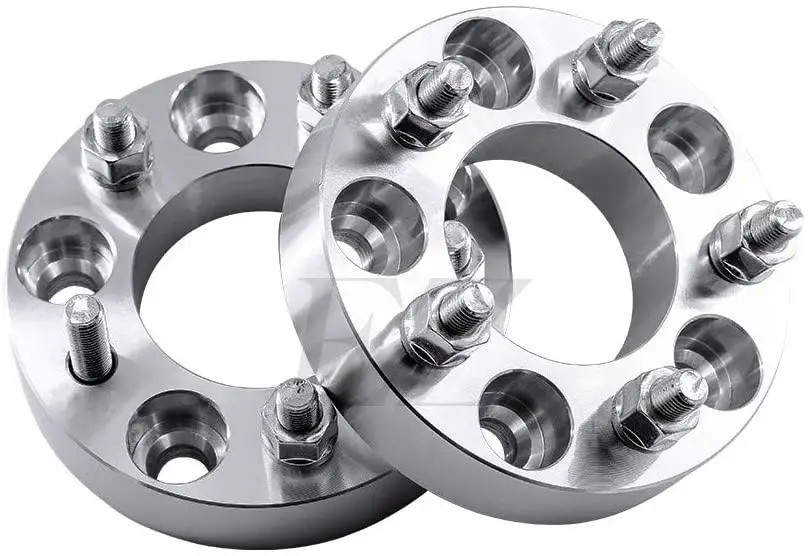
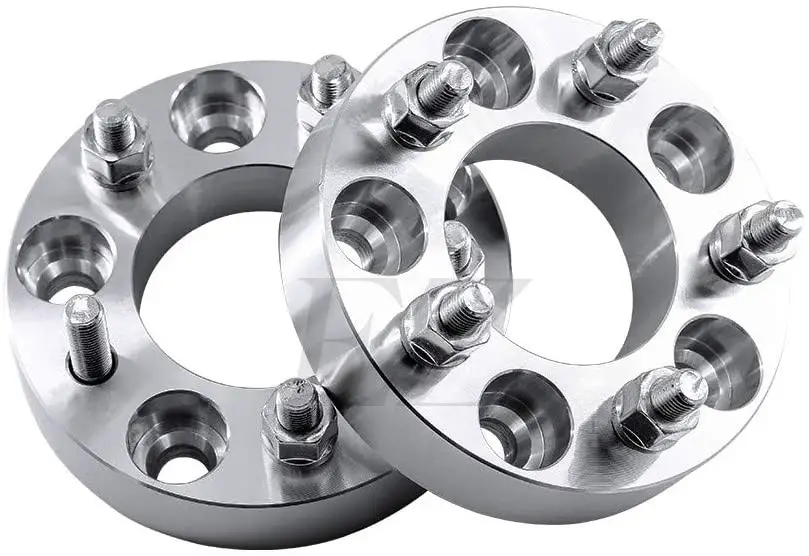
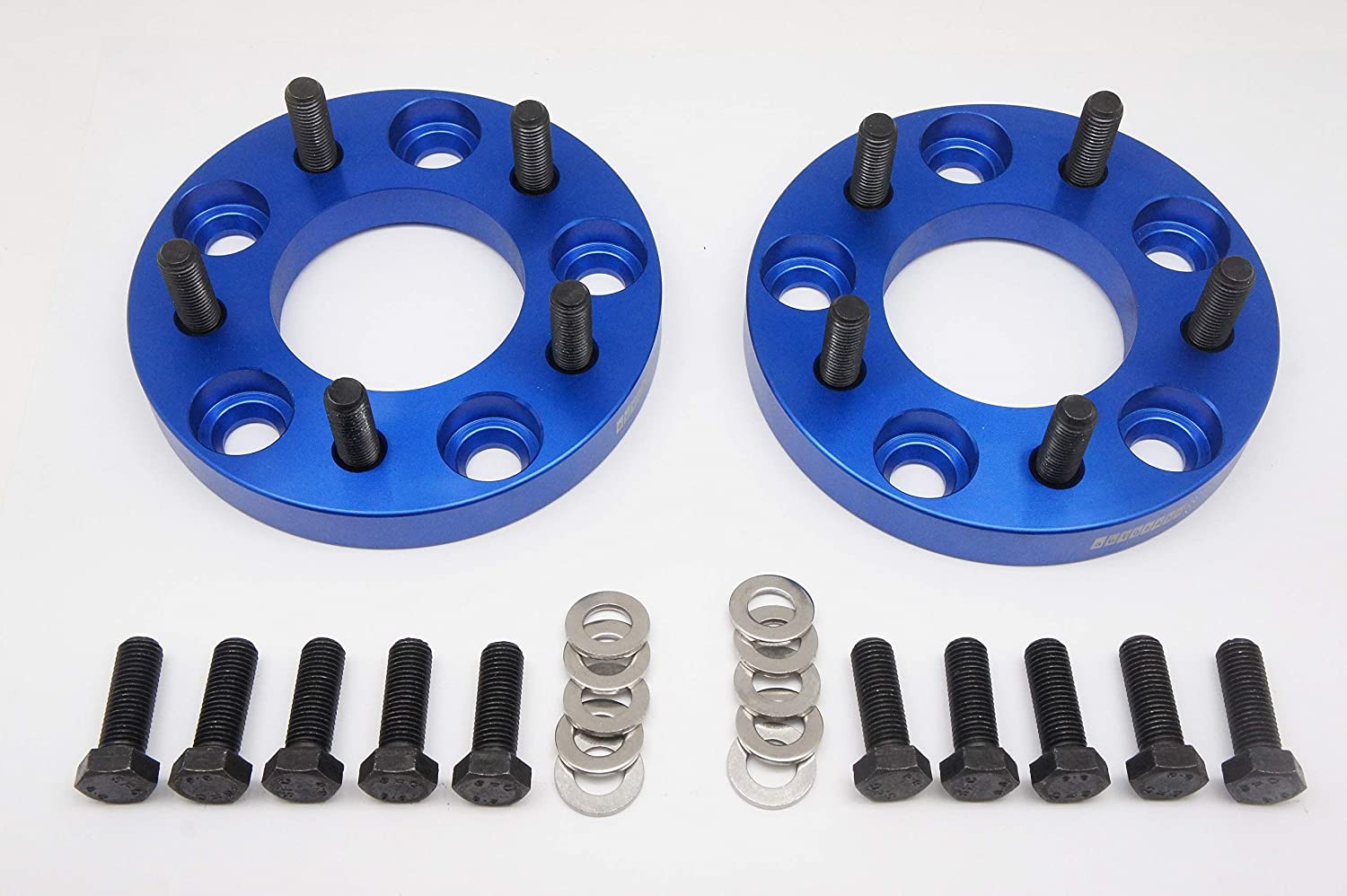
Spacers - If used, they must be hub-centric. Ensure proper thread engagement with extended bolts. As a rule of thumb, thread engagement should be at least the bolt diameter.
Test fit - Always test fit a front and rear corner, spin-check for rubbing, and cycle steering lock to lock before mounting tires or driving.
Plus Sizing And Common Upgrades
Many owners consider moving to larger diameter wheels for appearance and handling, for example 19 or 20 inch options. Compatibility depends on width, offset, tire choice, brake package, and suspension. Because these values vary by trim and market, use the on-page calculator with your exact OEM baseline to model potential sizes. Keep these guidelines in mind:
Target an overall tire diameter change within about 1 to 3 percent of your OEM size to limit speedometer error and drivetrain stress.
As wheel width increases, offset usually must decrease to maintain inner clearance. Use the calculator to see inner clearance and outer poke changes relative to ET 46 on the 8.5 in OEM reference.
Staggered setups can impact rotation patterns and tire wear. If your X5 uses all-wheel drive, front and rear overall diameters must match closely.
Low-profile tires reduce sidewall height and can increase impact harshness and wheel damage risk on poor roads. Consider your road conditions before upsizing.
Installation Tips
Prepare the hub - Clean rust and debris from the 74.1 mm hub with a nylon or brass brush. Do not grind or remove material from the hub.
Dry-fit each wheel - Verify hub-centric fit without force. Confirm caliper and spoke clearance by slowly rotating the wheel by hand.
Hardware care - Match bolt length and seat type to the wheel and any spacer used. Do not lubricate bolt threads unless the manufacturer explicitly instructs it, as lubrication changes torque.
Use a wheel hanger pin - This helps align heavy wheels on vehicles that use lug bolts.
Torque procedure - Hand snug in a crisscross pattern, then torque to the OEM specification from your BMW owner manual or BMW TIS. Re-torque after 50 to 100 miles.
Hub-centric rings - If used, install them fully seated and flush on the hub before mounting the wheel.
TPMS - If your vehicle uses direct sensors, transfer or install compatible sensors and perform relearn or coding as required for your market.
What is the OEM bolt pattern and center bore for the 2012 BMW X5
Bolt pattern is 5x120 and center bore is 74.1 mm based on the known OEM configuration listed above.
What is the OEM wheel and tire size for this reference setup
Wheel 18 x 8.5 in with ET 46 mm, tire 255/55R18. Other trims may have different factory sizes. Check your door placard and use that as your baseline in the calculator.
What offset range will fit
It depends on wheel width, brake package, and suspension. Start from the OEM ET 46 mm on 8.5 in width and use the calculator to see how changing offset affects inner clearance and outer poke on your specific vehicle.
Do I need hub-centric rings
If your aftermarket wheels have a center bore larger than 74.1 mm, you need rings sized 74.1 mm to the wheel bore. If the wheel bore is exactly 74.1 mm, rings are not required. Smaller bores will not fit.
Are spacers safe to use on the X5
They can be when high quality and hub-centric, but they change clearances and require extended M14 x 1.25 bolts with sufficient thread engagement. Model the spacer thickness in the calculator and verify physically before driving.
Will 19 or 20 inch wheels fit
Many owners upgrade diameter, but exact compatibility depends on width, offset, tire size, and brakes. Use the calculator to keep overall diameter within about 1 to 3 percent of your OEM baseline and check all clearances.
What torque should I use on the wheel bolts
Follow the OEM torque specification in your BMW owner manual or BMW TIS for your exact trim and market. Do not guess. Re-torque after 50 to 100 miles.
Does the 2012 X5 use direct TPMS sensors
This can vary by market and build. Inspect your current wheels for valve-mounted sensors and consult your owner manual or BMW TIS. If direct sensors are used, you will need compatible sensors and a relearn or coding procedure after wheel changes.
Use the wheelinterchange.com calculator to validate every change before purchasing. For critical specs or when in doubt, confirm with BMW documentation for your VIN.