2016 BMW X5
Direct Fit- Bolt pattern5x120 · Match
- Center bore74.1 mm · Match
- Wheel geometryCompatible with OEM envelope
Geometry within known OEM envelope (approx. outer change -0.67 mm, inner change -5.68 mm vs mid OEM).
Baseline mounting dimensions used for interchange decisions.
Multiple OEM configurations exist for this vehicle. Fitment can vary by trim, brakes, and factory wheel package – confirm your exact setup before buying.
Results are evaluated from bolt pattern, center bore direction, OEM width/offset envelope, and lug hardware – not bolt pattern alone.
Geometry within known OEM envelope (approx. outer change -0.67 mm, inner change -5.68 mm vs mid OEM).
Geometry within known OEM envelope (approx. outer change -0.67 mm, inner change -5.68 mm vs mid OEM).
Geometry within known OEM envelope (approx. outer change -0.67 mm, inner change -5.68 mm vs mid OEM).
Geometry within known OEM envelope (approx. outer change -0.67 mm, inner change -5.68 mm vs mid OEM).
Geometry within known OEM envelope (approx. outer change -0.67 mm, inner change -5.68 mm vs mid OEM).
Geometry within known OEM envelope (approx. outer change -0.67 mm, inner change -5.68 mm vs mid OEM).
Geometry within known OEM envelope (approx. outer change -0.67 mm, inner change -5.68 mm vs mid OEM).
Geometry within known OEM envelope (approx. outer change -0.67 mm, inner change -5.68 mm vs mid OEM).
Geometry within known OEM envelope (approx. outer change -0.67 mm, inner change -5.68 mm vs mid OEM).
Geometry within known OEM envelope (approx. outer change -0.67 mm, inner change -5.68 mm vs mid OEM).
Geometry within known OEM envelope (approx. outer change -0.67 mm, inner change -5.68 mm vs mid OEM).
Geometry within known OEM envelope (approx. outer change -0.67 mm, inner change -5.68 mm vs mid OEM).
Geometry within known OEM envelope (approx. outer change -0.67 mm, inner change -5.68 mm vs mid OEM).
Geometry within known OEM envelope (approx. outer change -0.67 mm, inner change -5.68 mm vs mid OEM).
Geometry within known OEM envelope (approx. outer change -0.67 mm, inner change -5.68 mm vs mid OEM).
Geometry within known OEM envelope (approx. outer change 12.02 mm, inner change 7.02 mm vs mid OEM).
Geometry within known OEM envelope (approx. outer change 12.02 mm, inner change 7.02 mm vs mid OEM).
Geometry within known OEM envelope (approx. outer change 12.02 mm, inner change 7.02 mm vs mid OEM).
Geometry within known OEM envelope (approx. outer change 12.02 mm, inner change 7.02 mm vs mid OEM).
Geometry within known OEM envelope (approx. outer change -0.67 mm, inner change -5.68 mm vs mid OEM).
Geometry within known OEM envelope (approx. outer change -0.67 mm, inner change -5.68 mm vs mid OEM).
Geometry within known OEM envelope (approx. outer change -0.67 mm, inner change -5.68 mm vs mid OEM).
Geometry within known OEM envelope (approx. outer change -0.67 mm, inner change -5.68 mm vs mid OEM).
HardwareLug nuts for M14x1.25
Use lug nuts compatible with your vehicle's studs. Geometry within known OEM envelope (approx. outer change -0.67 mm, inner change -5.68 mm vs mid OEM).
Showing 24 of 46 evaluated donors. Same-model years are prioritized.
Only years with evidence-based interchange relationships are listed. Adjacent years are not assumed compatible.
Compare a donor vehicle or custom wheel against this 2017 BMW X5.
Compare wheel compatibility between two vehicles
2017 BMW X5





Products below are matched to required fitment dimensions from our parts inventory. Confirm seat style, thickness, and clearance before ordering.
M14 x 1.25
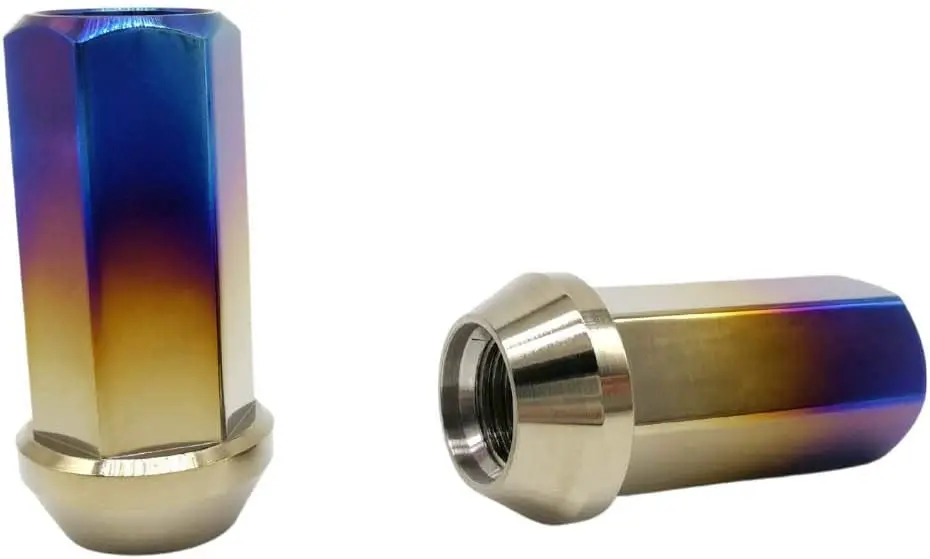
M14 x 1.25 · Confirm wheel seat style before ordering
View on Amazon →5x120 · 74.1 mm hub
Directional bolt-pattern adapters. A spacer does not change PCD.
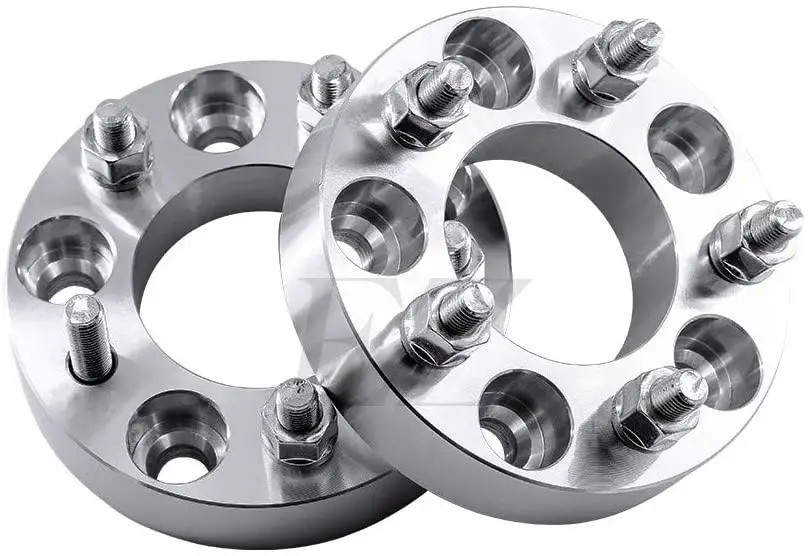
5x120 → 5x127
View on Amazon →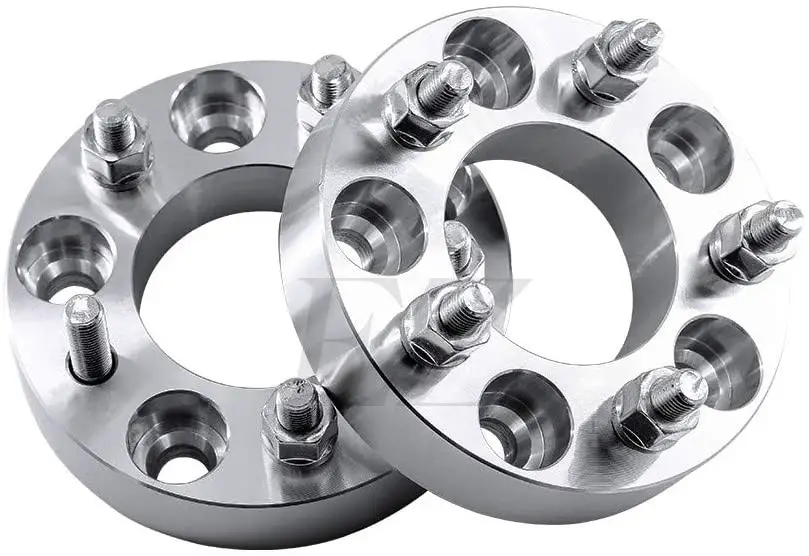
5x120 → 5x114.3
View on Amazon →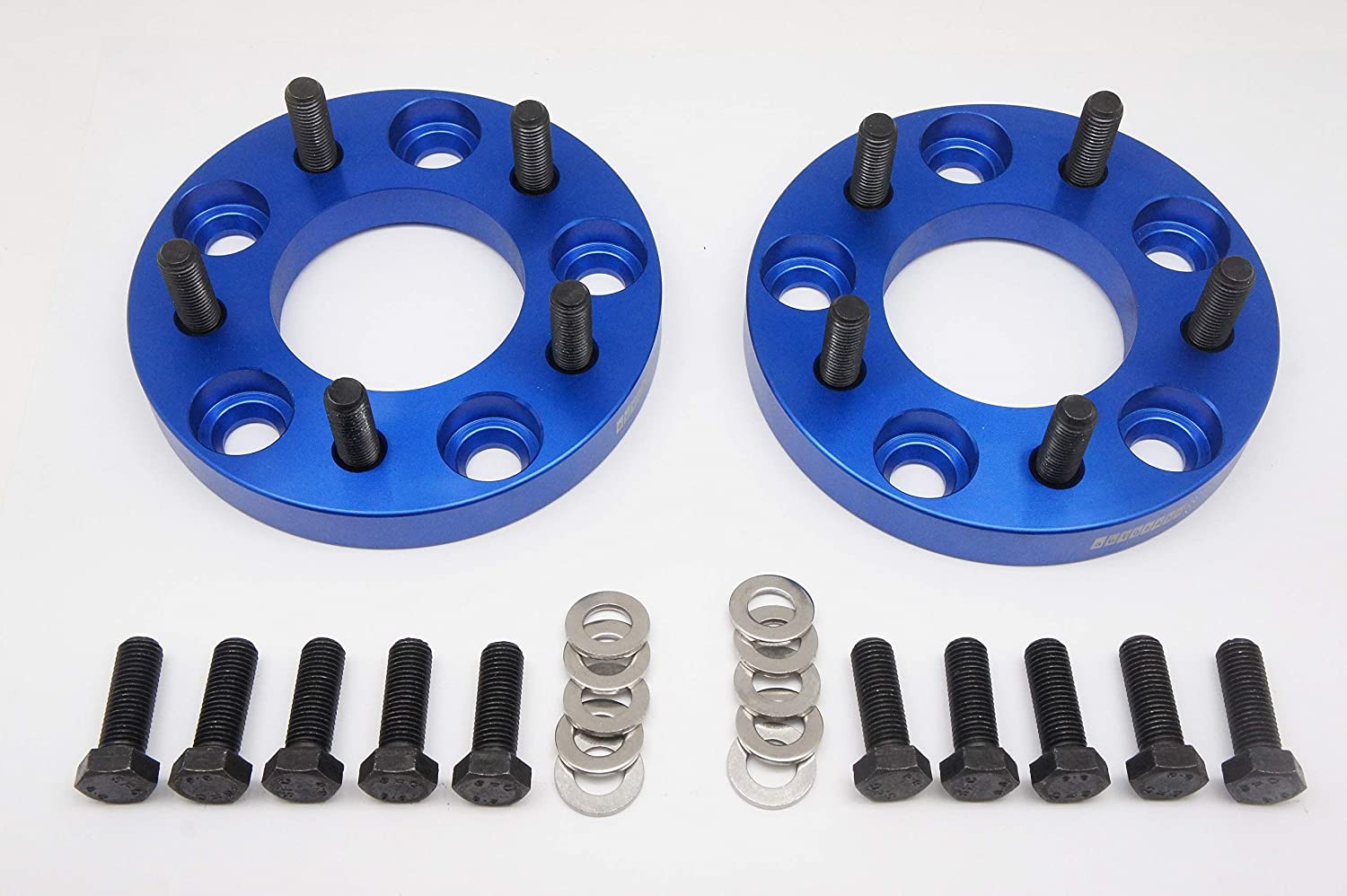
5x120 → 5x114.3
View on Amazon →As an Amazon Associate we earn from qualifying purchases. Product availability and pricing may change.
Wheel interchange depends on more than bolt pattern. Where data is available, this site compares:
A normal wheel spacer does not change bolt pattern. Hub rings cannot enlarge a wheel bore that is smaller than the hub. Brake clearance and tire package fitment still require vehicle-specific checks when not confirmed in the dataset.
The following values reflect OEM fitment information available for the 2017 BMW X5. Some trims and packages can differ, especially vehicles with larger brake packages or factory staggered setups. If your vehicle varies, confirm exact specs on your tire placard, in the owner’s manual, by VIN with a BMW dealer, and by testing changes in the on-page calculator.
| Bolt pattern (studs x PCD) | 5x120 |
| Center bore (mm) | 74.1 |
| Thread size | M14 x 1.25 |
| Rim diameter (in) | 18 |
| Rim width (in) | 8.5 |
| Wheel offset ET (mm) | 46 |
| Backspacing (in) | 6.06 |
| Tire size | 255/55R18 |
Notes:
Backspacing is a function of wheel width and offset. Measuring conventions and lip thickness can change the result you see on a ruler. If your measurement differs from the table, enter your exact wheel width and offset in the calculator to compare clearances.
BMW models may use either square or staggered wheel and tire setups. If your X5 is staggered, check front and rear sizes separately in the calculator and match or exceed the OEM load index shown on your tire placard.
The calculator on this page is designed to test a donor wheel or a custom size against your 2017 BMW X5 before you buy.
Step 1. In Wheels from (donor vehicle), pick the vehicle the wheels came from. If you are testing an aftermarket set, use the Custom wheel size controls instead.
Step 2. In Installed on (your vehicle), select 2017 BMW X5 to lock in your baseline. The known OEM fitment above is your starting reference.
Step 3. To try different wheels, adjust Custom wheel size. Change rim diameter, width, and offset. The tool will show inner clearance to suspension and outer position at the fender.
Step 4. To try different tires, adjust Custom tire size. Changing rim diameter updates overall tire diameter in the comparison so you can see ride height and speedometer impact.
Step 5. Review results. Aim to keep inner clearance safe for struts, spring perches, and brake lines, and avoid excessive outer poke that could contact the fender or liners on compression or steering. Check brake caliper clearance any time you reduce wheel diameter or move the inner barrel closer.
Step 6. If results look close, physically test-fit a wheel on the hub and rotate it by hand to confirm barrel and spoke-to-caliper clearance before mounting tires.
1. Bolt pattern and center bore. Your X5 uses 5x120 with a 74.1 mm hub. Aftermarket wheels with a larger bore require hub-centric rings sized 74.1 mm to the wheel’s center bore. Avoid wheels with a smaller bore.
2. Offset and width. Use the calculator to compare inner clearance to your strut and knuckle, and outer position at the fender. Verify both front and rear, especially if considering staggered widths.
3. Brake clearance. Some packages have larger front calipers. Smaller diameter wheels or aggressive spokes can foul calipers. Confirm with a template from the wheel maker or by a bare-wheel test-fit.
4. Tire load index and speed rating. Match or exceed the OEM values on your door placard. Do not downsize load index on SUVs.
5. Overall diameter. When changing tire size, keep overall diameter close to stock to maintain ABS and speedometer behavior. The calculator will show the difference.
6. Hardware. Match thread size M14 x 1.25 and the correct seat style specified by the wheel manufacturer. If you add spacers, use hub-centric spacers and longer hardware of the correct thread and seat.
7. TPMS. If your X5 is equipped with tire pressure sensors, source compatible sensors and have them programmed or relearned per BMW guidance.
Plus sizing refers to increasing wheel diameter while choosing a lower-profile tire so overall diameter stays near stock. Many owners explore 19, 20, or larger diameters for appearance or handling. Exact compatibility depends on wheel width, offset, and brake package. Always confirm using the calculator and a physical test-fit.
General guidelines:
- Keep overall tire diameter close to stock to protect ABS, DSC, and speedometer accuracy. The calculator will show the percentage change as you adjust sizes.
- As wheel width increases, you typically need a lower offset to avoid inner rub. Changes that bring the wheel too far out may require fender clearance checks.
- For winter setups, narrower tires can improve snow traction, but maintain load index and verify brake clearance if downsizing wheel diameter.
- Staggered setups can improve rear traction but remove the ability to rotate tires front to rear. Confirm both axles independently.
Work on a cool vehicle on level ground. Chock wheels, use the correct jack points, and support the vehicle with stands before removing wheels.
Clean the hub face and the new wheel mounting pad so they are free of rust and debris. A thin film of high-temp anti-seize on the hub center can help prevent future sticking, but keep friction faces dry and clean.
If your X5 uses lug bolts, a wheel hanger guide pin makes alignment much easier. Hand start fasteners to avoid cross-threading and snug them in a star pattern.
Torque fasteners to the BMW-specified value for your vehicle and wheels. Recheck torque after your initial drive. If spacers are installed, retorque more frequently at first.
After any tire size change, verify speedometer and steering feel on a careful test drive. Watch for rubbing on full lock, over bumps, and with passengers or cargo.
The right tools make wheel work safer and faster. Consider:
What is the bolt pattern for the 2017 BMW X5?
It is 5x120.
What center bore does my X5 use?
The hub bore is 74.1 mm. If your wheel’s center bore is larger, install hub-centric rings sized 74.1 mm to the wheel’s bore so the wheel is centered by the hub.
Will wheels from another BMW fit my 2017 X5?
Possibly, but you must verify bolt pattern, center bore, offset, width, and brake clearance. Use the calculator to compare and then perform a physical test-fit. Do not assume cross-model compatibility.
Can I run different front and rear tire sizes?
Yes, many SUVs use staggered setups. Check both axles in the calculator, keep overall diameters compatible with AWD and stability systems, and match or exceed OEM load index on all tires.
How close can I get on inner clearance?
Leave enough room for suspension movement, tire flex, and manufacturing tolerances. Use the calculator to visualize inner changes and then confirm physically by turning the steering from lock to lock and compressing the suspension as much as practical.
Do I need new lug hardware?
Match thread size M14 x 1.25 and the correct seat type required by your wheels. If you add spacers, use high-quality hub-centric spacers and appropriately longer hardware. Follow OEM torque specs.
What tire pressure monitoring sensors do I need?
If your X5 is equipped with TPMS, use sensors compatible with your model year and frequency. Your BMW dealer or a reputable parts source can confirm by VIN. Many shops can clone or program sensors during mounting.
Why does the backspacing number in the table differ from my measurement?
Backspacing depends on how wheel width is measured and on lip thickness. Enter your exact width and offset in the calculator to see a calculated backspacing and the resulting clearances.
