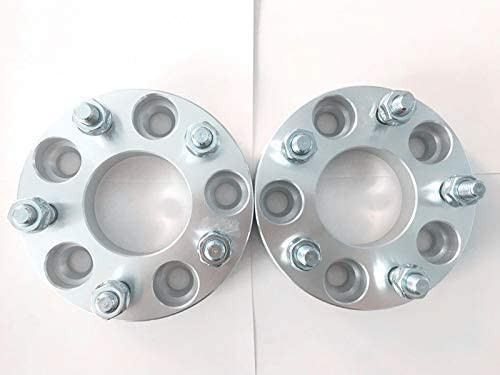
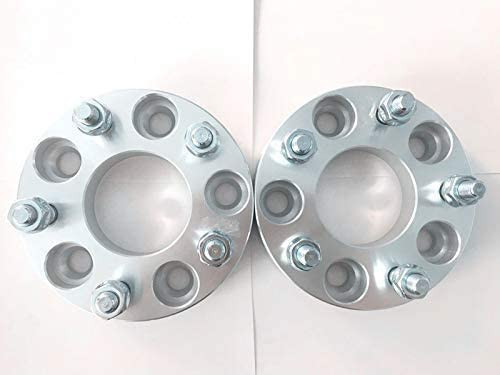
OEM wheel and tire fitment specs for the 2004 Chevrolet Impala, including bolt pattern (PCD), center bore diameter, thread size, rim diameter, rim width, wheel offset, and backspacing.
2004 Chevrolet Impala Fitment Specs
Baseline mounting dimensions used for interchange decisions.
Multiple OEM configurations exist for this vehicle. Fitment can vary by trim, brakes, and factory wheel package – confirm your exact setup before buying.
Wheels That Interchange With a 2004 Chevrolet Impala
Results are evaluated from bolt pattern, center bore direction, OEM width/offset envelope, and lug hardware – not bolt pattern alone.
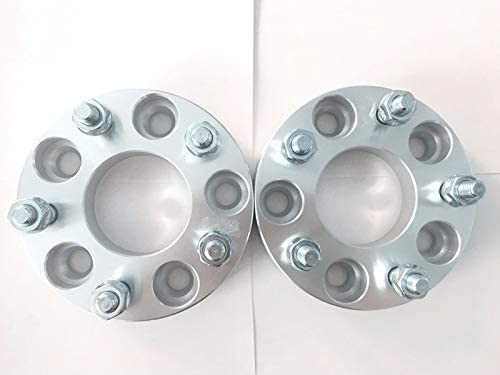
A normal wheel spacer does not change bolt pattern. Hub rings cannot enlarge a wheel bore that is smaller than the hub. Brake clearance and tire package fitment still require vehicle-specific checks when not confirmed in the dataset.
2004 Chevrolet Impala Wheel Fitment Guide and Calculator | wheelinterchange.com
Known OEM Fitment For 2004 Chevrolet Impala
The specifications below reflect the known factory wheel and tire data available for the 2004 Chevrolet Impala. If your trim differs or has an appearance package, verify against your owner’s manual and the on-page calculator before ordering.
Bolt pattern
5x115
Center bore
70.3 mm
Thread size
M12 x 1.5
Rim diameter
16 in
Rim width
6.5 in
Wheel offset (ET)
52 mm
Backspacing
5.3 in
Tire size
225/60R16
Notes:
Offset and backspacing above are from the known OEM setup. If your vehicle has different wheels from factory, measure and compare in the calculator.
Always match the wheel’s seat type and lug hardware to the wheel design. The seat style is not provided here. Inspect your wheels or consult the wheel manufacturer.
How To Use The Wheel Interchange Calculator
The calculator on this page helps you compare a donor wheel-tire setup to your 2004 Impala and model safe changes to rim width, diameter, offset, and tire size.
Step 1: In “Installed on (your vehicle)” select 2004 Chevrolet Impala, or manually enter the OEM specs above.
Step 2: In “Wheels from (donor vehicle)” choose the vehicle or enter the donor wheel specs to compare.
Step 3: Use “Custom wheel size” to try new rim width, diameter, and offset. The tool will update clearances inboard and outboard.
Step 4: Use “Custom tire size” to adjust section width and aspect ratio. When you change rim diameter, the tool recalculates overall tire diameter for an apples-to-apples comparison.
Step 5: Review results. Focus on inner clearance to struts and knuckles, outer poke toward the fender, brake caliper clearance, speedometer change, and ride height difference.
Step 6: If any dimension is unknown, measure your current wheel or consult OEM service data, then re-run the comparison.
Fitment Checklist Before You Buy
Bolt pattern: Wheel must be 5x115. Do not assume 5x114.3 is acceptable.
Center bore: Hub bore must be at least 70.3 mm. Larger bores can be centered with rings. Smaller will not fit.
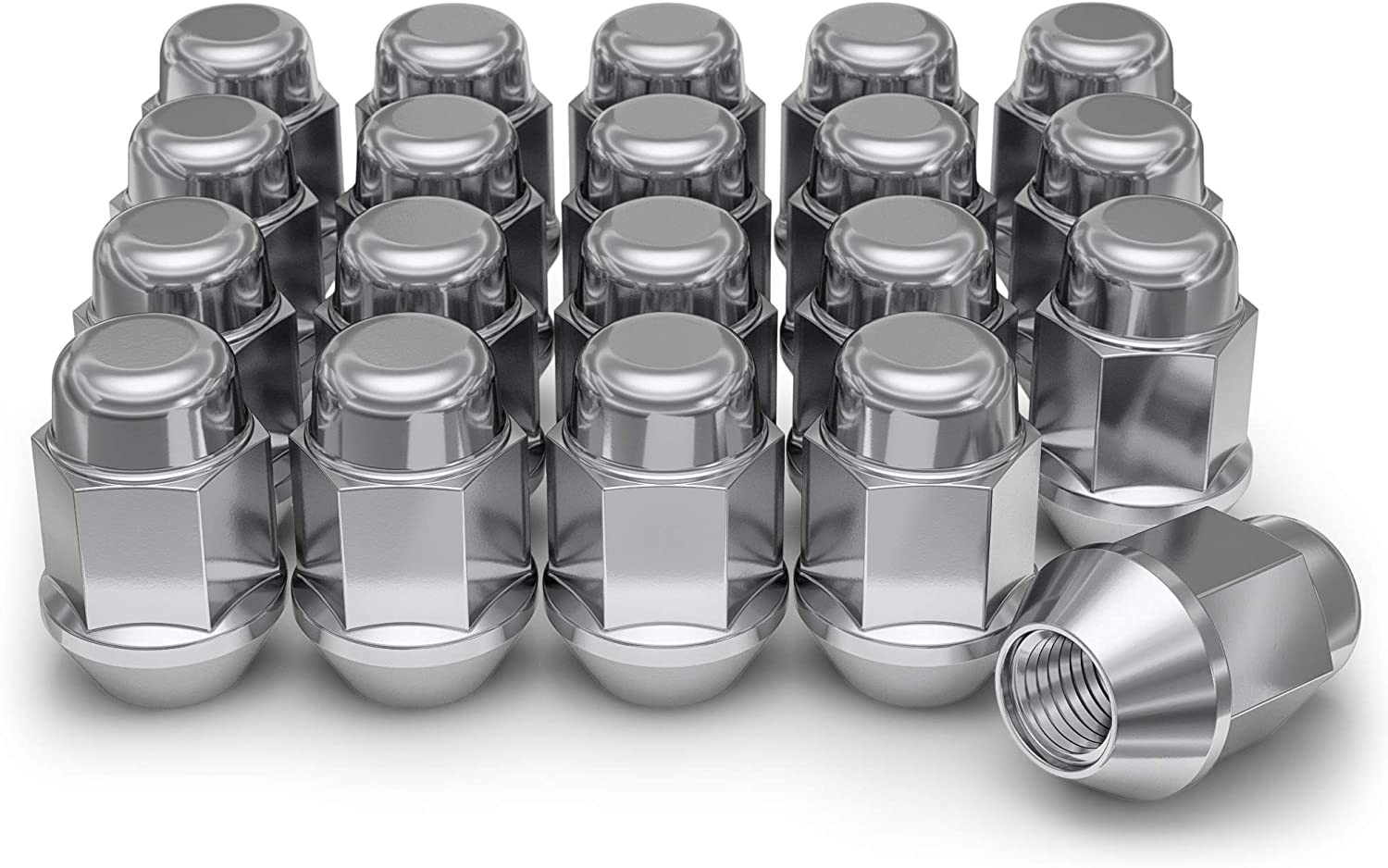
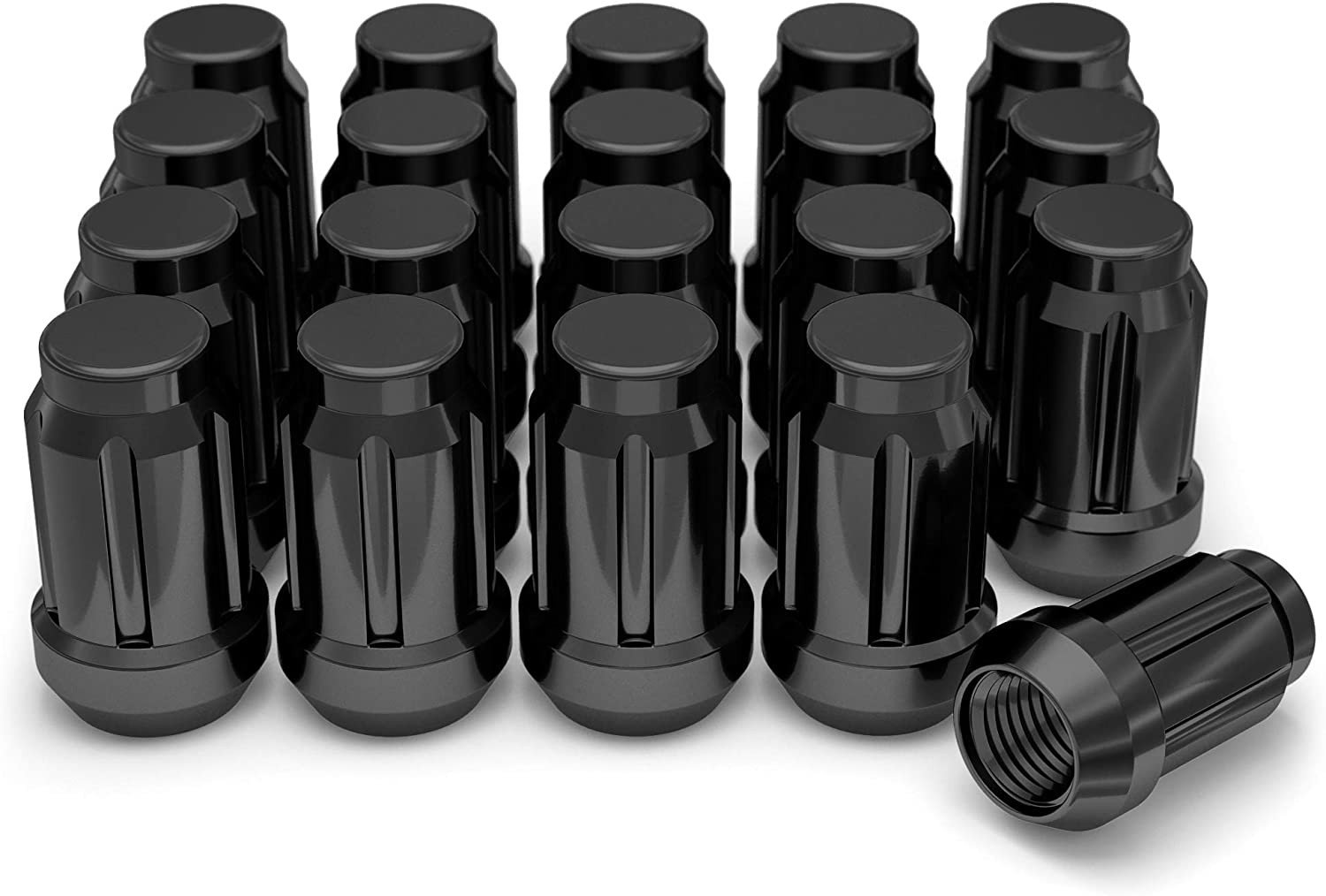
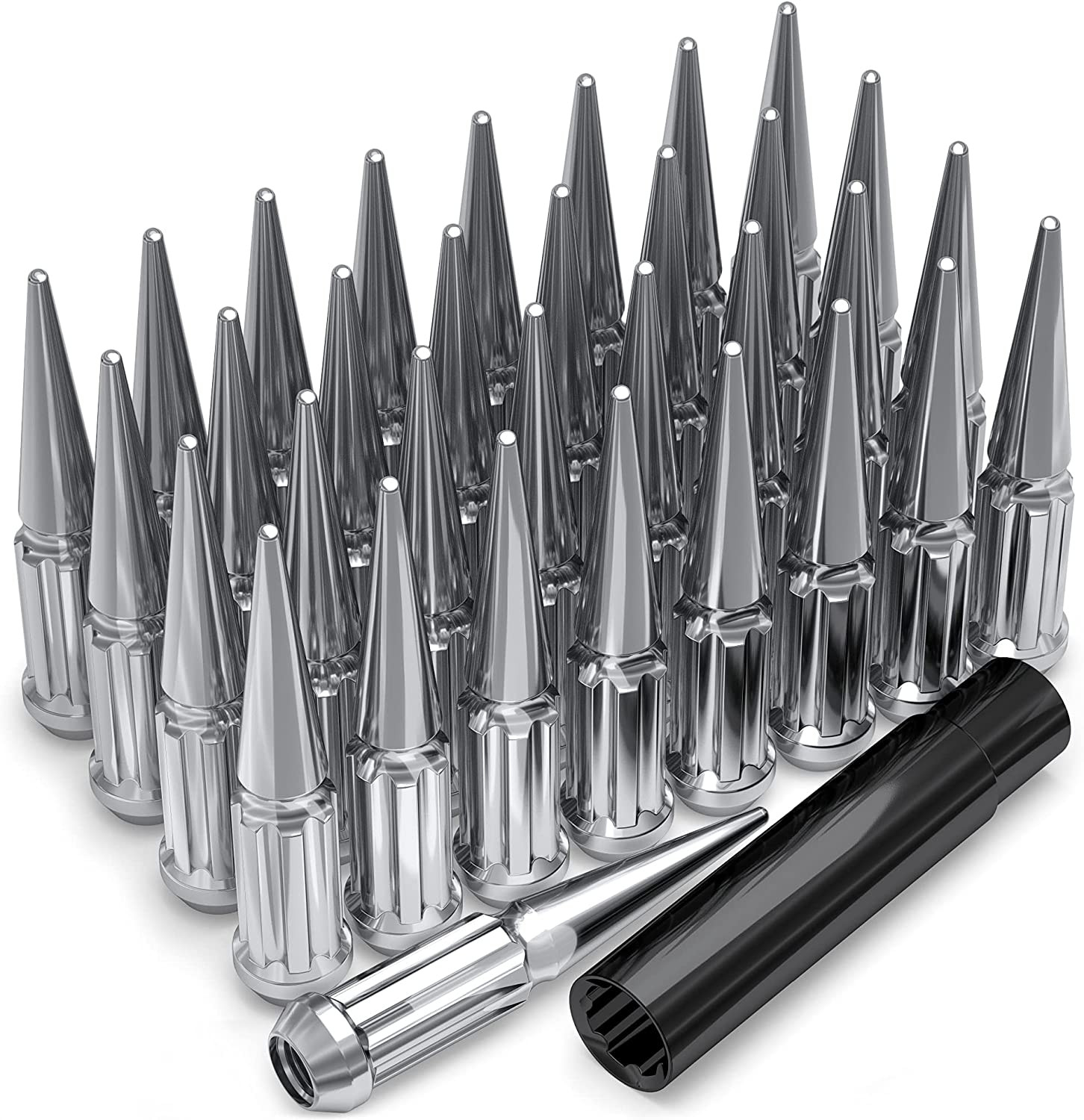
Thread size: Hardware must be M12 x 1.5 and seat type must match the wheel. Verify conical, mag, or ball seat with the wheel maker.
Offset and backspacing: OEM reference is ET 52 mm and 5.3 in backspacing. Use the calculator to see how changes affect inner strut and outer fender clearance.
Brake clearance: Confirm barrel and spoke-to-caliper clearance. Test-fit one front wheel and rotate by hand.
Load rating: Wheel and tire load index must meet or exceed the vehicle’s GAWR. Check the door jamb placard and tire specs.
Overall diameter: Keep new tire diameter close to stock to protect ABS and speedometer function. The calculator shows percent change.
TPMS: If your Impala is equipped, plan to transfer or replace sensors and complete relearn as needed. If unsure, check the owner’s manual.
Stud protrusion: Ensure the wheel’s lug holes and pockets allow full nut engagement. You need adequate thread engagement, typically equal to the stud diameter. Verify with OEM guidance.
Spare compatibility: If changing diameter or offset significantly, verify the spare still fits safely or plan an alternate roadside solution.
Alignment: After any major wheel or tire change, get a four-wheel alignment to protect tires and handling.
Plus Sizing And Common Upgrades
The stock setup is 16x6.5 with 225/60R16. Many owners consider plus sizing for appearance and handling. Follow these guidelines rather than assuming a size will fit:
Maintain overall tire diameter close to stock. Use the calculator to target within about 1 to 3 percent of OEM to limit speedometer error and gearing impact.
As rim width increases, offset often needs to decrease to keep inner clearance. Model this in the calculator and confirm you still clear the strut and fender liners.
Check brake clearance on the front axle first. Larger diameters can improve barrel clearance but spoke shape still matters.
If a wheel’s center bore is larger than 70.3 mm, plan to use hub-centric rings sized to your wheel’s bore to 70.3 mm for better vibration control.
When in doubt, test-fit one wheel and turn lock-to-lock while compressing the suspension to check for rub points.
If you do not have complete data for an aftermarket wheel, request a spec sheet from the seller that lists diameter, width, offset, bolt pattern, center bore, and load rating, then compare in the calculator.
Installation Tips
Preparation: Park on level ground, set the parking brake, and use wheel chocks.
Jack points: Use the pinch welds or OEM-specified lift points. Support the vehicle with rated jack stands.
Hub cleaning: Wire-brush the hub face and center pilot. Remove rust and debris so the wheel seats flush. Do not stack paint or heavy anti-seize on the mating faces.
Hub rings: If the wheel bore is larger than 70.3 mm, install correct-size hub-centric rings before mounting the wheel.
Lug hardware: Verify M12 x 1.5 and correct seat type for the wheel. Hand start all lugs to avoid cross-threading.
Tightening: Snug in a star pattern. Lower vehicle and torque to the OEM specification using a calibrated torque wrench. If you do not have the exact torque spec, consult the owner’s manual or OEM service information.
Re-torque: Recheck torque after 50 to 100 miles of driving.
Test drive: Listen for vibration or rubbing. If present, stop and inspect clearances and hub centering.
It is not recommended. The patterns are different and can prevent proper seating of the wheel and hardware. Only use wheels that are specifically manufactured for 5x115 or are explicitly approved by the wheel maker for your vehicle with the correct hardware.
What happens if the wheel’s center bore is larger than 70.3 mm?
Use hub-centric rings that reduce the wheel bore to 70.3 mm to help center the wheel on the hub and reduce vibration. If the bore is smaller than 70.3 mm the wheel will not fit.
Do I need new lug nuts?
You need hardware that matches both the vehicle thread M12 x 1.5 and the wheel’s seat style. If your new wheels use a different seat or require tuner lugs, purchase the correct set.
What offset should I run with wider wheels?
There is no single offset that fits every width. Use the calculator to compare inner and outer clearance against the OEM ET 52 mm reference, then test-fit to confirm brake and fender clearance.
Will changing tire diameter affect my speedometer?
Yes. The calculator shows percent change from stock. Keep total diameter close to OEM to minimize error and avoid ABS or transmission shift issues. Verify with GPS or a speed-measuring app after installation.
Do I need TPMS sensors on a 2004 Impala?
Equipment can vary by market and trim. Check your owner’s manual. If equipped, transfer or replace sensors and perform the relearn procedure when installing new wheels.
What torque should I use on the lug nuts?
Consult the owner’s manual or OEM service information for the exact torque specification. Always use a calibrated torque wrench and re-torque after initial driving.