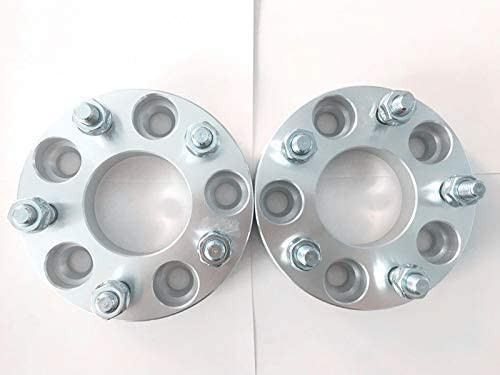
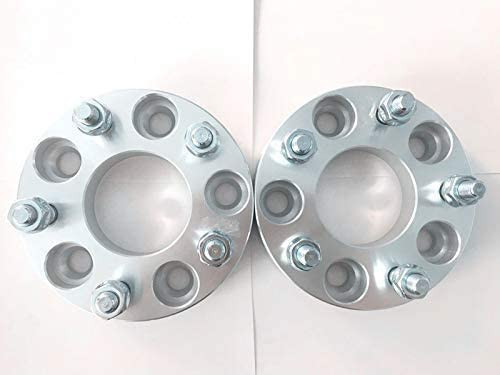
OEM wheel and tire fitment specs for the 2001 Chevrolet Malibu, including bolt pattern (PCD), center bore diameter, thread size, rim diameter, rim width, wheel offset, and backspacing.
2001 Chevrolet Malibu Fitment Specs
Baseline mounting dimensions used for interchange decisions.
A normal wheel spacer does not change bolt pattern. Hub rings cannot enlarge a wheel bore that is smaller than the hub. Brake clearance and tire package fitment still require vehicle-specific checks when not confirmed in the dataset.
2001 Chevrolet Malibu Wheel Fitment Guide | wheelinterchange.com
Known OEM Fitment For 2001 Chevrolet Malibu
The values below reflect the provided OEM information for this specific year and model. If your trim or door-jamb tire label shows something different, follow the OEM label and owner’s manual, then verify on this page using the calculator.
Bolt pattern
5x110
Center bore
65.1 mm
Thread size
M12 x 1.5
OEM wheel size
15 x 6.0
OEM offset
ET 42 mm
Backspacing
4.65 in
OEM tire size
215/60R15
Notes:
Backspacing here is based on rim width at the bead seat. Do not mix formulas without knowing how width was measured.
Some equipment can vary by trim or market. When in doubt, confirm your exact wheel and tire specs with the vehicle’s door-jamb placard and the Chevrolet service information, then compare with the on-page calculator.
How To Use The Wheel Interchange Calculator
The calculator on this page lets you compare a potential donor wheel and tire to your 2001 Chevrolet Malibu to predict clearance and speedometer changes. It also supports custom wheel and tire sizes.
Start with Installed on - select 2001 Chevrolet Malibu to lock in your baseline.
Pick Wheels from - choose a donor vehicle if you are cross-shopping, or leave it blank and use Custom wheel size.
Use Custom wheel size to test diameter, width, and offset changes. Custom tire size lets you adjust section width and aspect ratio.
When you change rim diameter, the tool updates tire diameter in the comparison so you can keep overall diameter close to stock.
Review inner clearance to suspension, outer poke toward the fender, and any tire diameter difference affecting speedometer and gearing.
Use the brake-clearance and fender notes from your physical measurements to validate the on-screen results before buying.
Fitment Checklist Before You Buy
Bolt pattern must be 5x110. Do not attempt to fit 5x112, 5x114.3, 5x115, or other patterns.
Center bore: OEM hub is 65.1 mm. - If an aftermarket wheel has a larger bore, plan hub-centric rings sized to the wheel’s bore to 65.1 mm. - If a wheel’s bore is smaller than 65.1 mm, it will not seat.
Thread size is M12 x 1.5. Use lug nuts or bolts that match both your vehicle’s studs and the wheel’s seat type. Do not mix acorn/conical, ball, or mag seats. Verify seat type with the wheel manufacturer.
Offset: OEM ET 42 mm. Small changes can work, but always check inner clearance to struts and outer poke to fenders with the calculator and a physical test-fit.
Wheel width and backspacing affect suspension and brake clearance. Compare to the OEM baseline 15x6.0 with 4.65 in backspacing in the calculator.
Tire diameter: Keep overall diameter close to OEM 215/60R15 to reduce speedometer error and avoid rubbing. Many installers target within about 2 to 3 percent, but you must verify real clearance on your car.
Load rating: Wheels and tires must meet or exceed the vehicle’s GAWR and load index requirements on the door-jamb label.
Brake clearance: Measure your caliper to spoke barrel clearance. If the donor wheel has tighter spoke curvature, confirm clearance with a template or test-fit.
Stud engagement: After torqueing, at least the full stud diameter of thread engagement is a common safety guideline. If using spacers, you may need longer studs. Verify per OEM and spacer manufacturer.
Never force-fit mismatched hardware, and do not use wobble bolts or re-drilled wheels on this application.
Plus Sizing And Common Upgrades
The OEM baseline is 15x6.0 ET42 with 215/60R15. Plus sizing changes wheel diameter and width to improve tire options or aesthetics. Because clearances vary by brake package and suspension condition, do not assume any specific upgrade will fit without checks.
Overall diameter: Keep close to stock to help maintain speedometer accuracy and gearing feel. Use the calculator to preview percent difference.
Width changes: Wider wheels and tires can reduce inner clearance and increase outer poke. Compare inner clearance and poke values directly to OEM in the calculator.
Offset math: If you decrease offset compared to ET42, the wheel moves outward. If you increase offset, it moves inward. Use the tool to quantify changes before purchase.
Tire section width and aspect ratio: Small changes in section width can significantly affect fender clearance under compression and steering lock. Always test-fit when increasing width.
Installation Tips
Safety first: Park on level ground, use wheel chocks, a quality jack, and rated jack stands. Never work under a car supported only by a jack.
Prep the hub: Clean the hub face and the wheel mounting pad with a nylon or brass brush to remove rust and debris so the wheel seats flush.
Dry fit: Test-fit the wheel on the front hub first and rotate by hand to check brake and suspension clearance before mounting a tire.
Hub-centric rings: If required, seat rings fully in the wheel before mounting. They should not be loose on the hub.
Lug hardware: Match thread size and seat type. Do not lubricate wheel studs or nuts unless specified by OEM, as this alters torque.
Torque: Hand start all lugs, snug in a star pattern, then torque to the value in your owner’s manual using a calibrated torque wrench. Re-torque after 50 to 100 miles.
TPMS: If your vehicle is equipped, transfer or program sensors as required. For valve-stem TPMS, use new seals and service kits.
Tools And Helpful Supplies
Torque wrench - accurate torque in a star pattern helps prevent rotor warping and fastener damage. Search on Amazon
Floor jack and jack stands - rated for your vehicle weight. Search on Amazon
Hub-centric rings - size to your wheel’s bore down to 65.1 mm. Search on Amazon
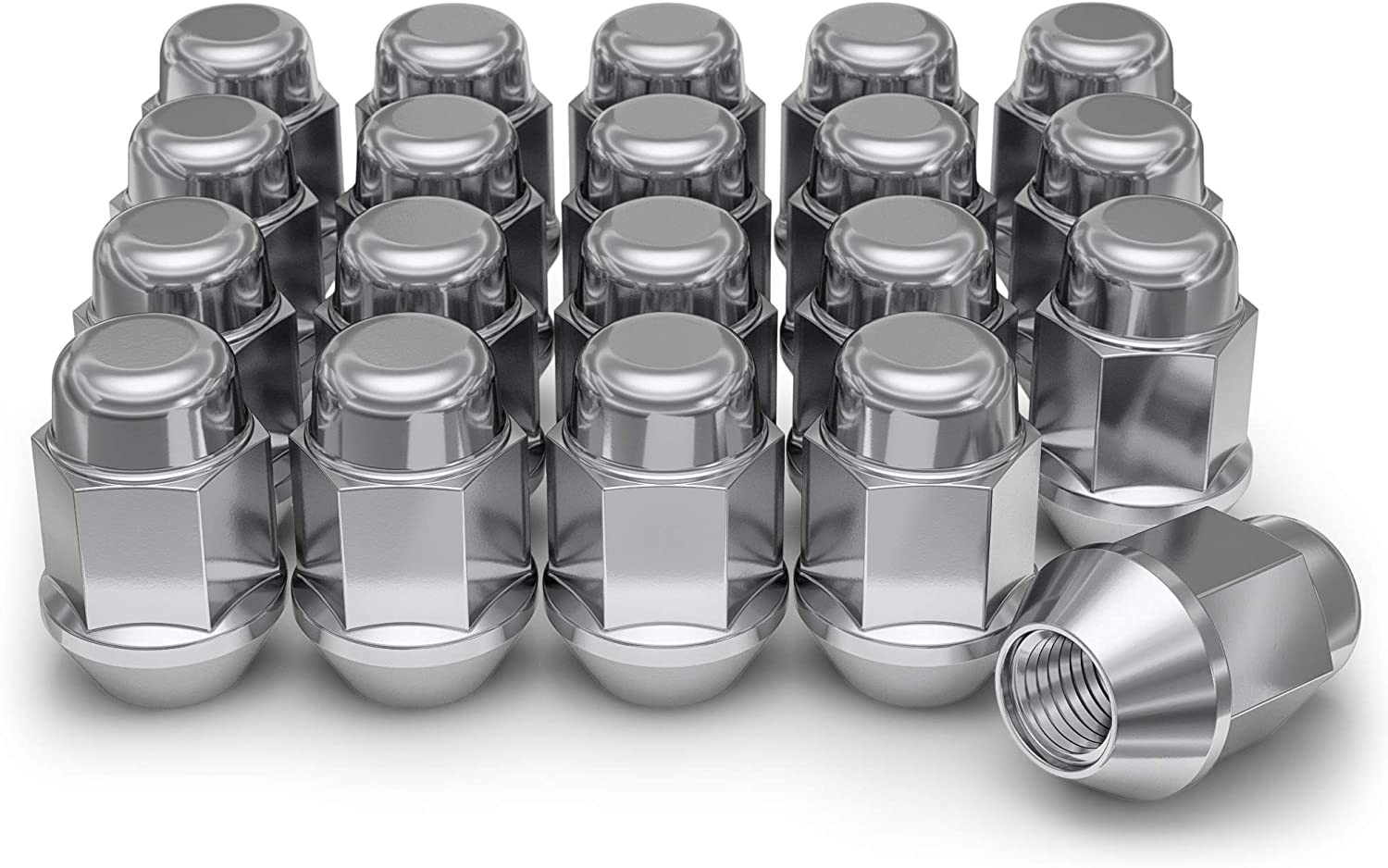
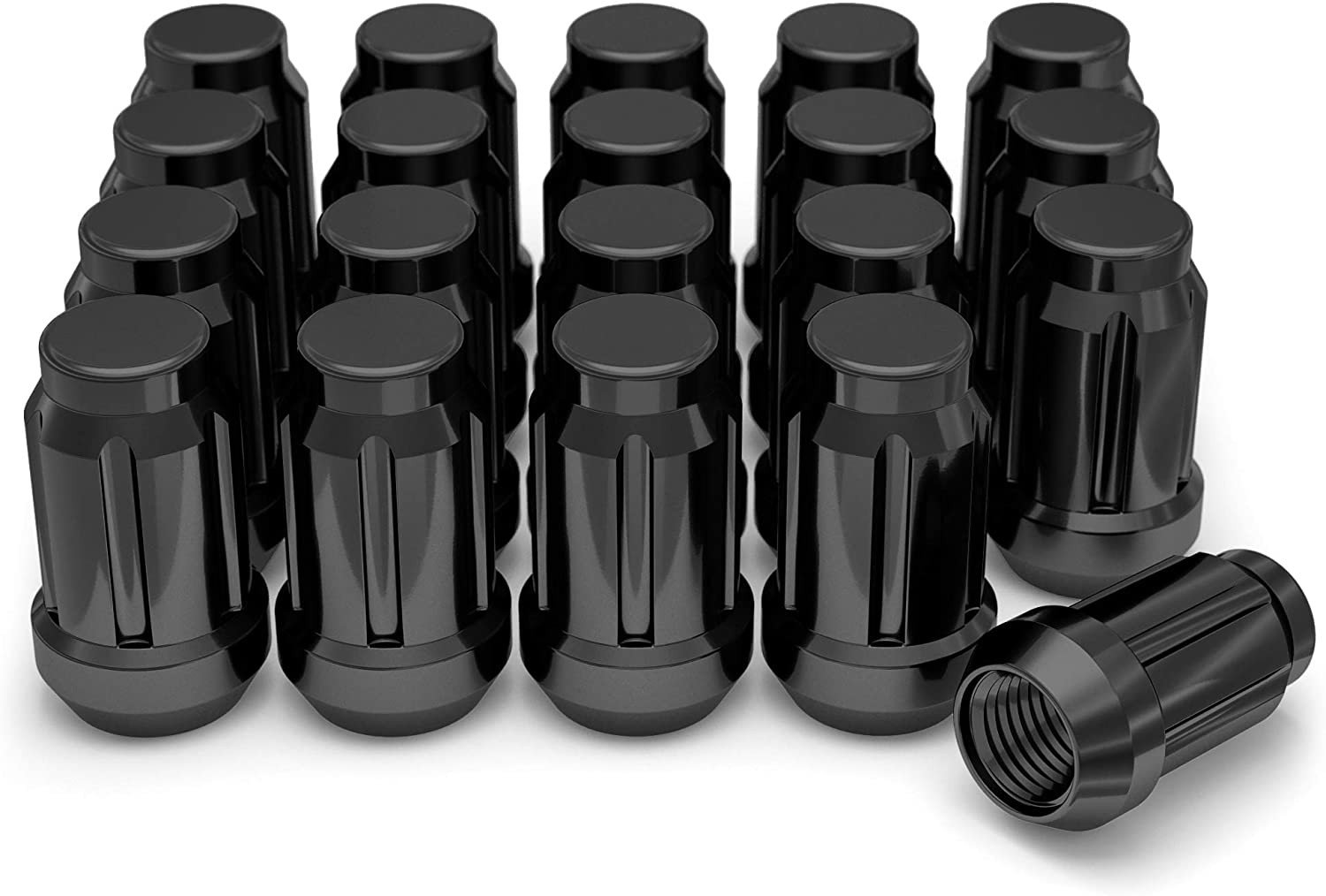
M12x1.5 lug nuts or bolts with the correct seat type for your wheels. Search on Amazon
FAQs
What is the bolt pattern for the 2001 Chevrolet Malibu?
5x110. That is 5 studs on a 110 mm pitch circle. Wheels must match this exactly.
What offset should I use?
The provided OEM offset is ET42 mm. Small changes may work, but you must verify inner suspension clearance and outer fender poke with the on-page calculator and a test-fit.
Do I need hub-centric rings?
If your wheel’s center bore is larger than 65.1 mm, use rings sized from the wheel’s bore down to 65.1 mm. If the wheel’s bore is smaller than 65.1 mm, the wheel will not fit the hub.
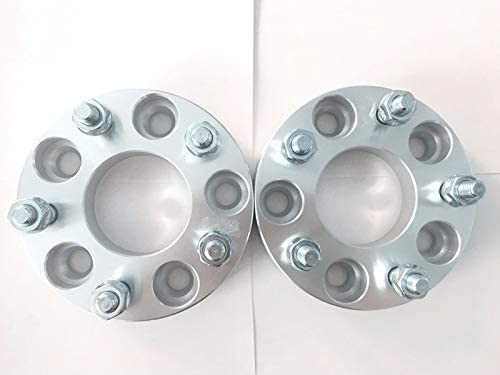
Can I use spacers or adapters?
Only if they are high-quality and hub-centric, and only after ensuring you will maintain proper thread engagement and clearance. Adapters that change bolt pattern are not recommended for safety on this application. Follow manufacturer instructions and local regulations.
What tire size is OEM?
215/60R15 is provided as the stock size. If your door-jamb label differs, follow the OEM label and confirm using the calculator.
Will wheels from another vehicle fit my Malibu?
Possibly, but only if key dimensions match: 5x110 bolt pattern, center bore at least 65.1 mm, compatible offset and width, and correct hardware. Use the calculator’s Wheels from vs Installed on comparison and then physically test-fit.
Can I reuse my factory lug nuts with aftermarket wheels?
Only if the seat type, thread size M12x1.5, and shank depth match the aftermarket wheel’s requirements. Many aftermarket wheels use a different seat profile, so verify with the wheel manufacturer.
How do I check brake caliper clearance?
Measure the closest point from the hub face to the caliper and compare with the wheel’s spoke and barrel profile. A test-fit without a tire is best. Rotate the wheel by hand and check for contact.