- Bolt pattern5x112 · Same recorded PCD
- Center bore66.5 mm · same recorded hub figure
- Wheel geometryNot fully recorded
Wheel width/offset data is incomplete.
Recorded OEM specifications for the 2023 Audi Q7, donor years with overlapping ranges, and a calculator to compare a selected wheel. Range overlap is not a guaranteed fit.
Save these wheel specs to your Ownery garage
Baseline mounting dimensions used for interchange decisions.
Thread-only product links are shopping examples, not verified fits. Seat style is not confirmed here. As an Amazon Associate we earn from qualifying purchases.
These are vehicle-year records whose recorded OEM ranges overlap this 2023 Audi Q7. Overlap is not a guarantee that a specific wheel will install. Selected-wheel comparison is in the calculator below.
Evaluated 7 donor years. Listed 7 eligible overlaps (not all evaluated years are compatible). Showing all listed.
Wheel width/offset data is incomplete.
Dataset suggestionHub-centric rings ≈ 71.6 → 66.5 mm – not a verified installation requirement.
Wheel width/offset data is incomplete. Hub ring 71.6 → 66.5 mm may apply if mounting dimensions are otherwise compatible.
Only years with evidence-based interchange relationships are listed. Adjacent years are not assumed compatible.
Compare a donor vehicle or custom wheel against this 2023 Audi Q7. Use Compare in calculator on a donor row above to fill the donor side of this same calculator.
Compare wheel compatibility between two vehicles
2023 Audi Q7





Example products matched to recorded thread, hub, or spacer dimensions. They are not verified fits. Confirm seat style, thickness, and clearance before ordering.
M14 x 1.5
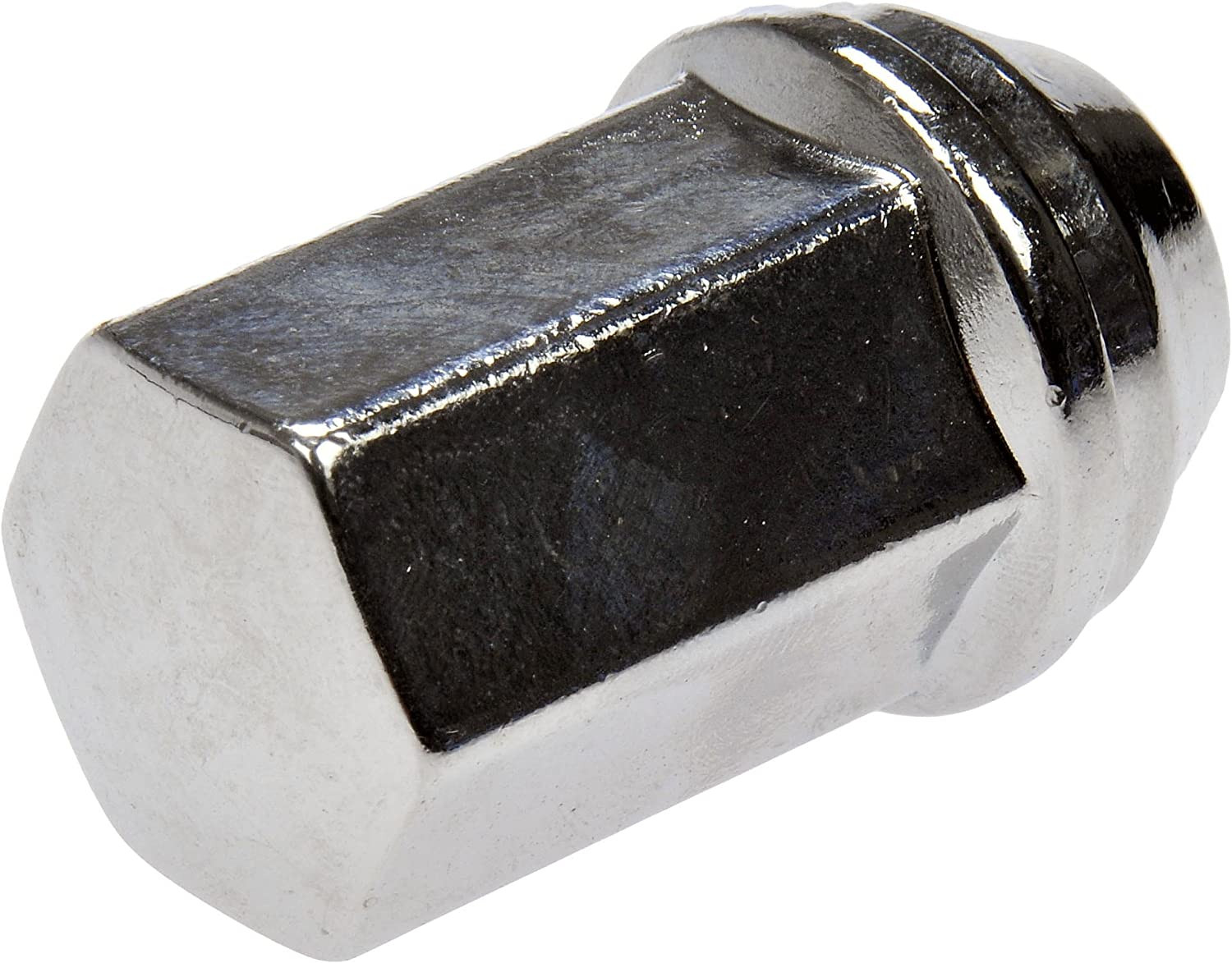
M14 x 1.5 · Thread match only; seat style is not verified
View on Amazon →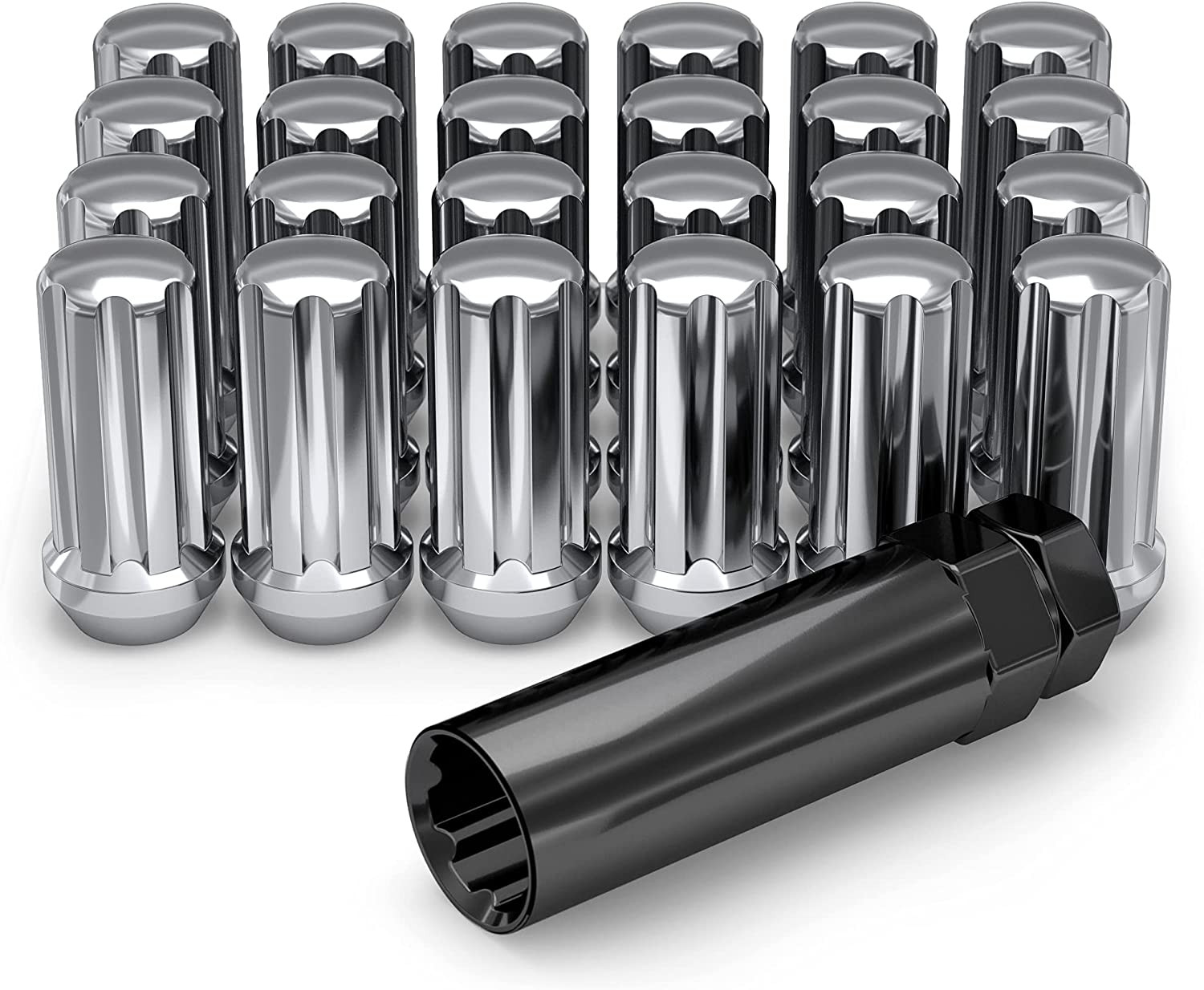
M14 x 1.5 · Thread match only; seat style is not verified
View on Amazon →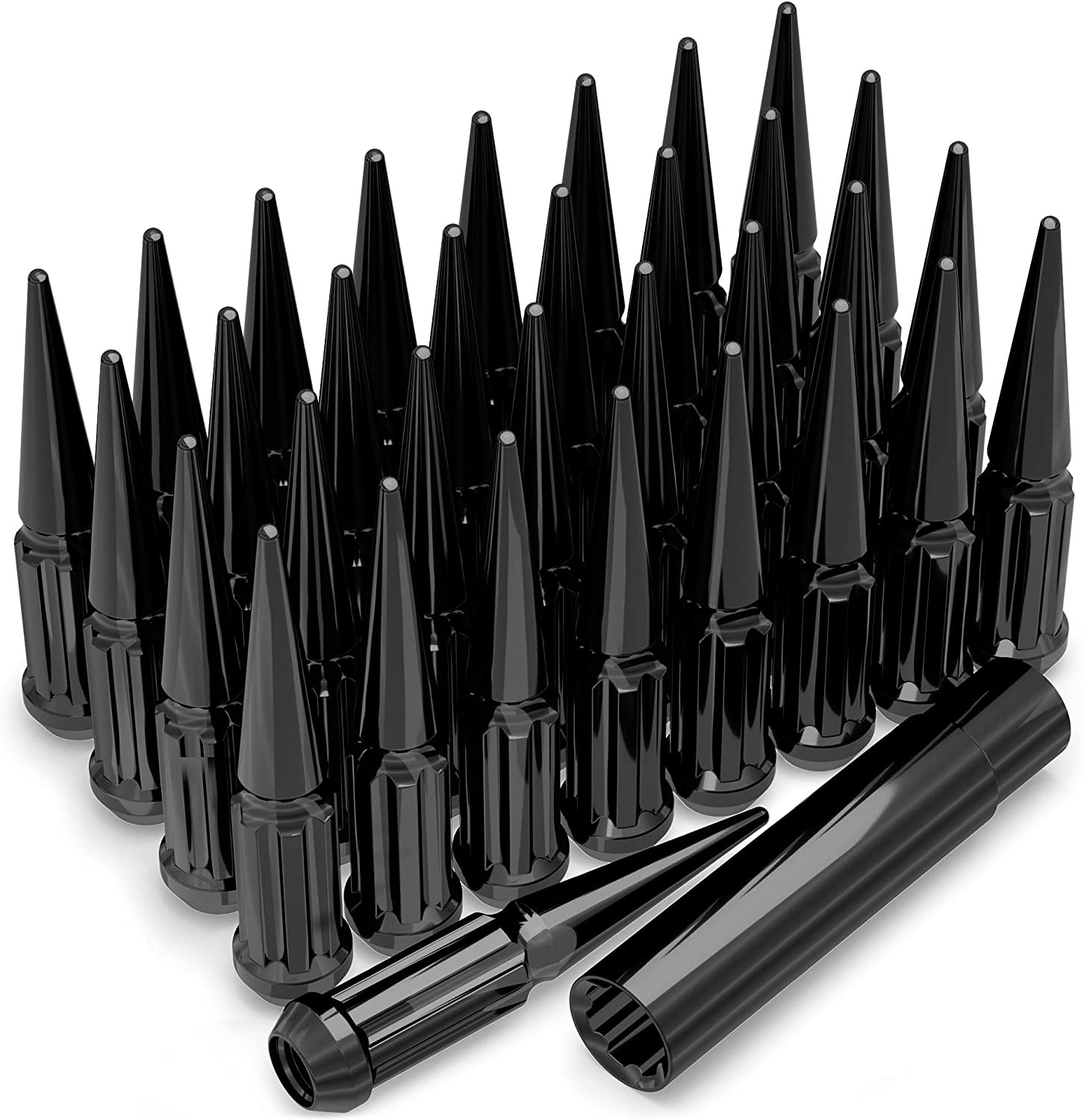
M14 x 1.5 · Thread match only; seat style is not verified
View on Amazon →As an Amazon Associate we earn from qualifying purchases. Product availability and pricing may change.
People often think swapping wheels is just about bolt holes lining up. That sounds reasonable, and I used to assume the same.
Wheel studs match bolt holes visually, and wheels look like simple round parts. If the pattern fits, it feels like a done deal.
Fitment is multidimensional. Bolt pattern is necessary but not sufficient. Center bore, thread size, offset, rim width, and tire sizing all matter together.
Mismatching one item can cause vibration, brake clearance issues, or wheel detachment risk. Small differences add up and change handling or safety.
Think of this page as a clear checklist for swapping wheels onto a 2023 Audi Q7. I’ll walk you through the key fitment points and give practical steps for testing fitment safely.
If a spec is unknown for this model year, I’ll explain how to confirm it with the on-page calculator and OEM references. That approach helps avoid guessing and reduces surprises.
Think of the calculator as a virtual mockup for donor wheels and your Q7. Follow these steps.
If the bolt pattern differs, wheels won’t mount without an adapter. Adapters change bolt pattern but add stress and can change hub load. If you consider them, pick high-quality adapters and confirm stud length and wheel stud engagement.
If the wheel hole is larger than 66.5 mm, use hub-centric rings to center the wheel. If the wheel hole is smaller, the wheel will not fit; do not attempt to enlarge it yourself without professional machining.
Thread mismatch prevents proper lug engagement. The 2023 Q7 uses M14 x 1.5 studs. Use matching nuts and the correct seat style. If a wheel has tapered seats, match the nut seat accordingly.
Incorrect offset shifts track width and can cause rubbing on fenders, brakes, or suspension. Small offset changes are manageable; large changes may require spacers or trimming and affect handling. Run the calculator to preview the impact before installation.
| Specification | Value |
|---|---|
| Bolt pattern | 5x112 |
| Center bore (mm) | 66.5 |
| Thread size | M14 x 1.5 |
| Rim diameter (in) | Unknown – check your trim or use the on-page calculator |
| Rim width (in) | Unknown – varies by trim and wheel option |
| Wheel offset (ET, mm) | Unknown – varies by OEM wheel option |
| Backspacing (in) | Unknown – can be calculated from offset and rim width |
| Tire section width (mm) | Unknown – depends on factory tire option |
| Tire aspect ratio (%) | Unknown – depends on factory tire option |
| Tire rim diameter (R) | Unknown – check your vehicle placard or the calculator |
Quick recap. If a spec is unknown here, confirm it using your door placard, owner’s manual, or the calculator on this page. The dealer parts department or factory sticker gives definitive OEM values.
If a wheel issue appears while driving, slow down safely and pull over. If you suspect a loose lug or wheel wobble, stop as soon as possible and inspect. If a lug is missing or loose, don’t continue driving at speed. Replace with the spare and have the wheel assembly checked by a shop.
Spare wheel specs can differ. Think of a spare as a temporary solution. If you lack the correct lug tool or a torque wrench, hand-tighten carefully and drive slowly to the nearest shop to torque properly.
A: Possibly, but only after checking bolt pattern, center bore, offset, and thread size. The calculator helps compare these values. Confirm specific trim differences first.
A: If the wheel center bore is larger than 66.5 mm, rings sized to the wheel ID and 66.5 mm hub will help center the wheel and reduce vibration.
A: Check the door jamb placard, the owner’s manual, or your dealer parts counter. The on-page calculator can help estimate impacts but is not a substitute for OEM documentation.
A: Adapters change load paths and can be safe when high-quality and properly installed, but they increase complexity and risk. Consider professional advice before using them.
This information is for guidance and educational purposes. I base recommendations on common fitment practice and safety-first experience. Vehicle specifications can vary by trim, option package, and market. If a spec is unknown above, confirm it using the on-page calculator, your owner’s manual, door placard, or a dealership parts specialist. For critical fitment, professional installation and verification are recommended.
Tools and rings referenced here are examples. If you want to shop, look for hub-centric rings or a torque wrench from a reputable supplier. Example searches you might run: hub centric ring and torque wrench.
Wheel interchange depends on more than bolt pattern. Where data is available, this site compares recorded OEM values:
A normal wheel spacer does not change bolt pattern. Hub rings cannot enlarge a wheel bore that is smaller than the hub. Brake clearance and tire package fitment still require vehicle-specific checks when not confirmed in the dataset.
