2006 BMW M6 Wheel Fitment Guide | wheelinterchange.com
Known OEM Fitment For 2006 BMW M6
The values below reflect information provided for this specific year and model. Equipment can vary by market and trim. If something on your car differs, verify against your owner’s manual, the tire and loading label on the driver door jamb, the wheel part stampings, and our on-page calculator before you buy.
| Wheel Specs |
|---|
| Bolt pattern | 5x120 |
| Center bore | 72.6 mm |
| Thread size | M12 x 1.5 |
| Rim diameter | 18 in |
| Rim width | 8.0 in |
| Offset (ET) | 14 mm |
| Backspacing | 4.55 in |
| Tire Spec |
|---|
| Section width | 255 mm |
| Aspect ratio | 40 |
| Rim diameter | 19 in |
Note: The wheel and tire details provided above include an 18 in rim diameter and a 255/40R19 tire entry. That indicates equipment may vary by package. Always confirm what your specific vehicle currently runs using your door label and wheel stampings, then use the calculator to compare any alternatives.
How To Use The Wheel Interchange Calculator
Our calculator lets you compare a donor setup to your 2006 BMW M6 and model a custom size with live clearance estimates.
- Step 1. In Installed on (your vehicle), select 2006 BMW M6.
- Step 2. In Wheels from (donor vehicle), choose a candidate vehicle or enter known donor wheel specs if you have them.
- Step 3. Use Custom wheel size to try a different rim diameter, width, and offset. The tool updates inner and outer clearance so you can see how far the wheel moves relative to the strut, knuckle, and fender.
- Step 4. Use Custom tire size to set section width and aspect ratio. When you change rim diameter, the calculator updates overall tire diameter in the comparison so you can keep speedometer error in check.
- Step 5. Review Brake and hub notes. The M6 has large brakes, so spoke-to-caliper clearance is critical.
- Step 6. Save or print your comparison and verify measurements on the car before ordering.
Tip: Keep overall tire diameter change within about plus or minus 3 percent of your current setup to help maintain speedometer accuracy and ABS stability system behavior. Use the inner and outer clearance readouts to ensure the tire does not contact suspension parts on full lock or the fender on compression.
Fitment Checklist Before You Buy
Work through this list to avoid vibration, rubbing, or hardware issues.
- Pattern and hub: The 2006 M6 uses a 5x120 bolt pattern and a 72.6 mm hub center bore. Aftermarket wheels usually have a larger center bore and need 72.6 mm hub centric rings to stay vibration free.
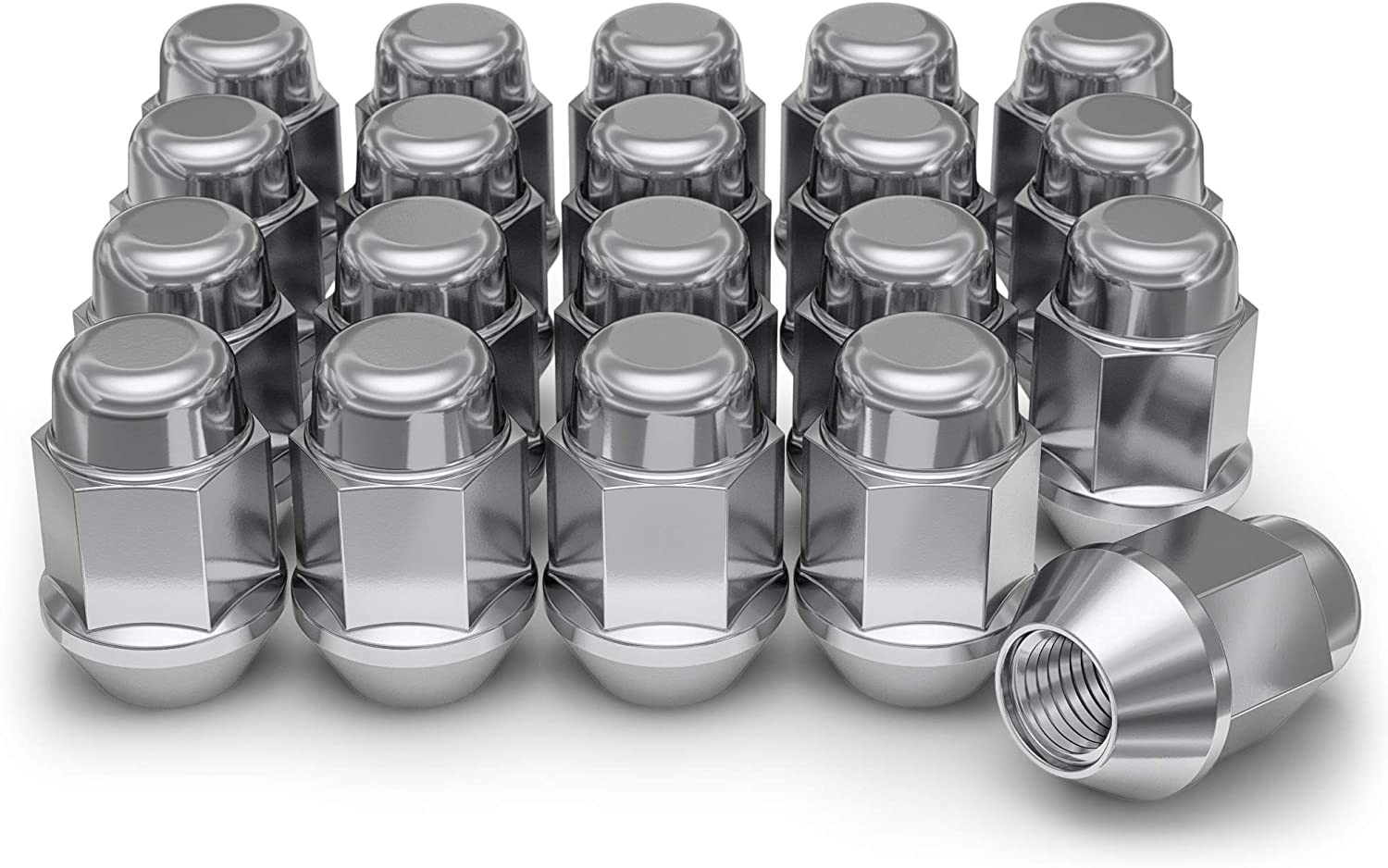
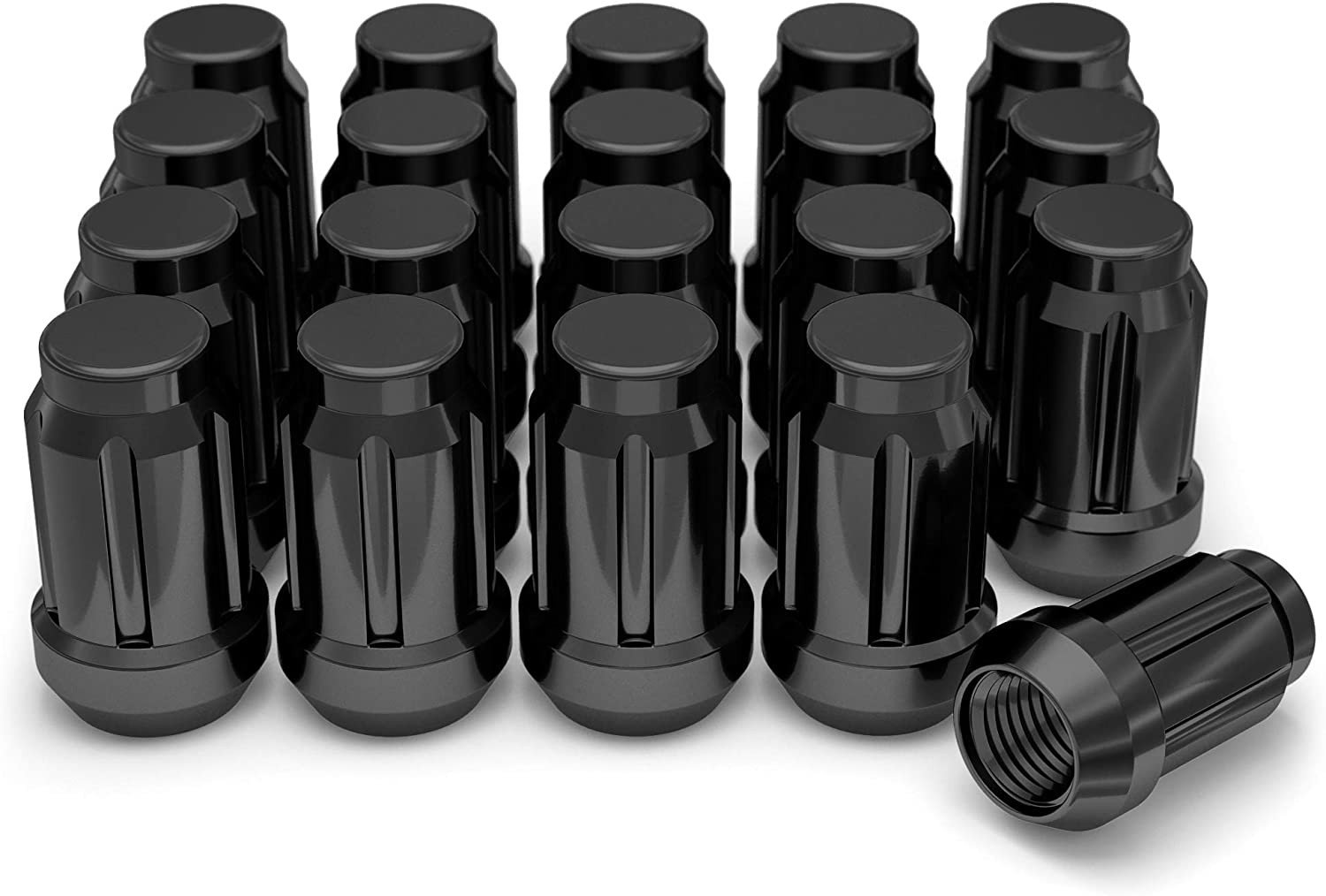
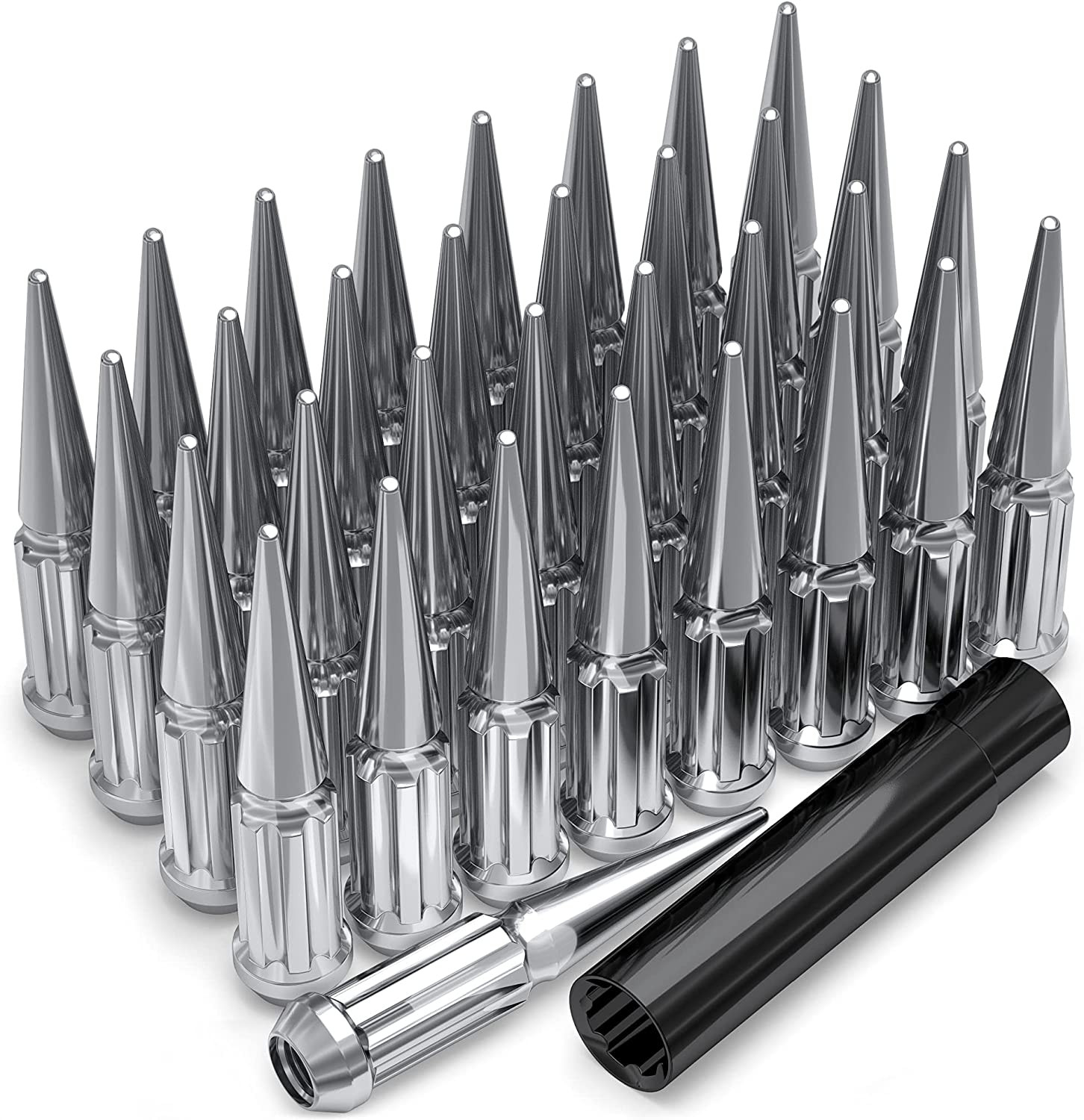
- Hardware: Thread size is M12 x 1.5. Confirm bolt seat type required by the wheel manufacturer and use the correct length, especially if spacers are involved.
- Offset and width: The provided offset is ET 14 with 8.0 in width. If you change width or offset, use the calculator to confirm both inner clearance to struts and outer clearance to fenders.
- Backspacing: Listed at 4.55 in. Backspacing ties directly to wheel width and offset. If your wheel width differs from 8.0 in, expected backspacing will change. Confirm with the calculator or by measuring.
- Brakes: The M6 has large calipers. Check spoke and barrel clearance. Ask the wheel seller for a brake template if needed, and test fit before mounting tires.
- Tires: Match or exceed OEM load and speed ratings. Use the calculator to keep overall diameter within your target tolerance.
- Staggered setups: Some packages may be staggered front to rear. Verify your existing tire sizes on the sidewall and the door jamb label before ordering.
- TPMS or pressure monitoring: 2006 systems vary by market. Check whether your car uses in-wheel TPMS sensors or ABS-based monitoring and source parts accordingly.
Plus Sizing And Common Upgrades
Enthusiasts often explore larger diameters or wider wheels for the M6. If your current label or tire shows 255/40R19, you can model a move to 20 in in the calculator and select a tire that keeps overall diameter similar. Wider rears or a staggered set can be evaluated by entering front and rear separately where applicable. Do not assume a size will clear simply because it fits another BMW or M6 trim. Always verify caliper and fender clearance, steering lock clearance, and suspension travel in the calculator and on the car.
Keep an eye on three things when plus sizing: ride height change from overall diameter, inner clearance change from offset and width, and potential for tramlining from very wide, low-profile tires. Aim to keep speedometer error low and confirm that the new wheels meet or exceed the vehicle load rating.
Installation Tips
Test fit each bare wheel first. Clean the hub face and the wheel mounting pad so they sit flush. If your wheels have a larger center bore, install 72.6 mm hub centric rings. Hand start all M12 x 1.5 bolts and snug them in a star pattern. Lower the vehicle until the tire just touches, then torque the bolts evenly to the BMW factory specification in your owner’s manual. Re-torque after 50 to 100 miles. If equipped, perform a TPMS relearn or verify the pressure monitoring system is operating correctly after installation.
Tools And Helpful Supplies
FAQs
What is the bolt pattern on the 2006 BMW M6?
It is 5x120 as provided above. Always verify your specific car before ordering.
What center bore do I need?
The hub center bore is 72.6 mm. If an aftermarket wheel has a larger bore, use 72.6 mm hub centric rings to keep the wheel centered on the hub.
Can I run 18 in wheels on this car?
The data provided lists an 18 in rim specification and a 255/40R19 tire entry, which indicates equipment can vary. The M6 has large brakes, so caliper clearance is the limiting factor. Use the calculator and a physical test fit to confirm 18 in barrel and spoke clearance before purchase.
What offset should I use with wider wheels?
Offset depends on wheel width and the clearances you want to maintain. The provided spec is ET 14 at 8.0 in width. If you change width, use the calculator to visualize inner and outer movement and keep safe distances to suspension and fenders.
Do I need different lug hardware for aftermarket wheels?
Thread size remains M12 x 1.5, but seat type and length may change based on the wheel and any spacers. Match the bolt seat to the wheel design and follow the wheel maker’s guidance.
Will the speedometer stay accurate if I change wheel diameter?
Use the tire section and aspect ratio fields in the calculator to keep overall diameter within about plus or minus 3 percent of your current setup. The tool shows the difference and speedometer impact.
Backspacing vs offset, which should I use?
Both describe where the wheel sits. Offset is in mm from wheel centerline. Backspacing is the distance from the wheel mounting face to the inner wheel lip in inches. If your wheel width changes, backspacing will change even with the same offset. Use the calculator to avoid confusion and measure on the car when in doubt.