2016 BMW X3 Wheel Fitment Guide | wheelinterchange.com
Known OEM Fitment For 2016 BMW X3
The values below reflect known factory equipment for at least one 2016 BMW X3 configuration. Other trims or packages may differ. If your vehicle’s build varies, confirm with your door-jamb tire label, the owner’s manual, or your BMW dealer by VIN before purchasing.
| Bolt pattern (studs x PCD) | 5x120 |
| Center bore (mm) | 72.6 |
| Thread size | M14 x 1.25 |
| Stock wheel size | 18 x 8.0 in |
| Stock ET offset (mm) | 43 |
| Backspacing (in) | 5.69 |
| Stock tire size | 245/50R18 |
Important notes:
- Center bore is hub-centric at 72.6 mm. If an aftermarket wheel has a larger bore, hub-centric rings are typically required to avoid vibration. Ring size depends on the wheel’s bore and should match 72.6 mm on the vehicle side.
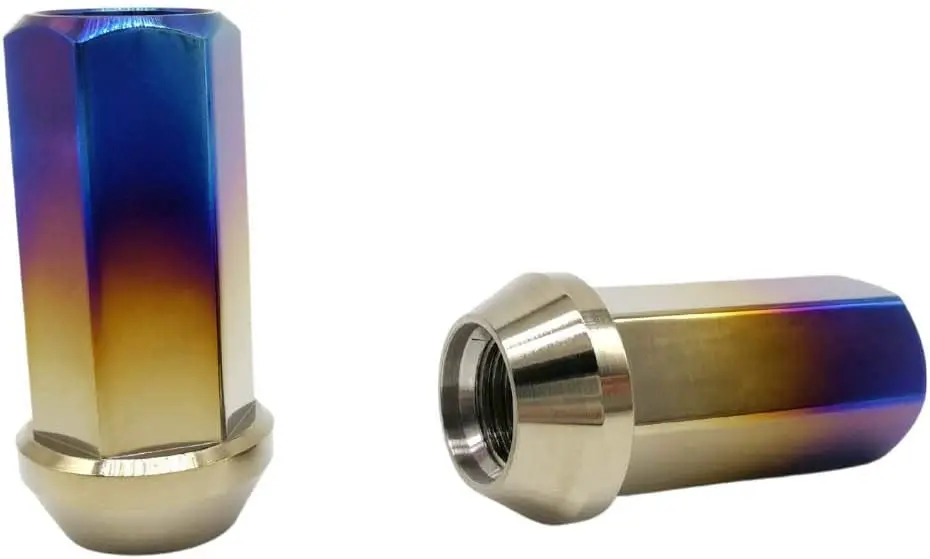
- Wheel fasteners use M14 x 1.25 threads. Fastener type and length must match the wheel’s seat design and thickness. Do not reuse fasteners if seat type or length requirements change. If unsure, verify with BMW or the wheel manufacturer.
How To Use The Wheel Interchange Calculator
The calculator on this page compares Wheels from (donor vehicle) versus Installed on (your vehicle), and it lets you test Custom wheel size and Custom tire size. Use it to check inner clearance, outer poke, and overall diameter before you buy.
- Set Installed on (your vehicle) to 2016 BMW X3. This loads the known OEM baseline above.
- Option A: Compare a donor vehicle. Choose the donor in Wheels from to see how its wheel and tire package changes clearance and diameter on your X3.
- Option B: Test custom sizes. Enter Custom wheel size (diameter, width, offset) and, if needed, Custom tire size. When you change rim diameter, the tool updates tire diameter in the comparison so you can keep overall diameter close to stock.
- Evaluate the results. Look at:
- Inner clearance to suspension and wheel well. Positive movement inboard reduces clearance.
- Outer position or poke relative to the fender. Excessive poke risks rubbing on compression or steering.
- Overall tire diameter change. Aim to stay close to stock to keep speedometer and ABS behavior within acceptable limits.
- Before purchasing, confirm against OEM documentation and measure your car. The calculator is a planning aid and does not replace physical checks.
Fitment Checklist Before You Buy
Use this quick checklist to reduce the risk of rubbing, vibration, or hardware issues.
- Bolt pattern and center bore: Wheel must be 5x120. Center bore must be 72.6 mm or larger with proper hub-centric rings to 72.6 mm.
- Offset and width: Compare against the OEM 18x8 ET43 baseline using the calculator. Check inner clearance near struts, spring perches, and liners, and outer poke relative to fender lips and bumper tabs.
- Brake clearance: Spoke and barrel design must clear calipers and rotor hats. If testing a donor wheel, verify with a template from the wheel maker or a test fit.
- Fasteners: M14 x 1.25 threads. Seat type and length must match the wheel. Do not mix seat types.
- Load rating: Wheel and tire load index must meet or exceed the values on the door-jamb label for your X3.
- Tire diameter: Keep overall diameter close to stock to protect speedometer accuracy and driver-assist systems. Use the calculator to compare.
- TPMS: Sensor type and frequency can vary by market and build. Reuse your sensors if compatible or source ones that match your vehicle. Verify via VIN or owner’s manual.
Plus Sizing And Common Upgrades
The information below is for planning only. Actual fit depends on your specific trim, suspension, brake package, alignment, and tire model. Always verify with the calculator and a physical test fit.
- General approach: Move up 1 inch in wheel diameter at a time and reduce tire aspect ratio to keep overall tire diameter close to the stock 245/50R18 baseline.
- Examples to evaluate in the calculator:
- Plus 1 from 18 to 19 in: A 245-width tire with a lower aspect ratio, such as 245/45R19, is commonly used to maintain similar overall diameter. Confirm offset and inner/outer clearances.
- Plus 2 from 18 to 20 in: A 245/40R20 is often selected to keep overall diameter similar. Wider setups or staggered widths can reduce inner clearance or increase poke. Verify carefully.
- Wider tires: Increasing section width can improve grip but may reduce inner clearance and increase rubbing risk on full lock or compression. Check both sides of the front and rear.
- Ride and protection: Lower-profile tires typically ride firmer and are more vulnerable to pothole damage. Consider local road conditions.
If your trim originally came with different wheel or tire sizes than listed above, use your actual OEM size as the baseline in the calculator and verify with OEM sources before proceeding.
Installation Tips
Follow safe shop practices. Support the vehicle with stands on solid ground. Wear eye protection. If you are not comfortable, have a qualified technician perform the work.
- Pre-fit checks: Test fit one corner. Verify hub fitment on 72.6 mm, caliper clearance, and that the wheel seats fully on the hub without contacting suspension components.
- Hub prep: Clean hub faces with a nylon or brass brush and remove rust scale. A very light film of anti-seize on the hub face and center bore can help future removal. Keep friction surfaces clean and dry.
- Fasteners: Verify M14 x 1.25 threads and the correct seat type for the wheel. Hand start all fasteners to avoid cross-threading. Do not use an impact to start threads.
- Torque: Tighten in a star pattern in stages, using a calibrated torque wrench to the OEM specification listed in your owner’s manual. Re-torque after 50 to 100 miles.
- TPMS: If new wheels require different valves or sensors, install compatible TPMS and perform relearn or programming as specified by BMW.
- Clearance check: After installation, turn the steering from lock to lock and compress the suspension if possible to confirm no contact with liners or fenders.
Tools And Helpful Supplies
FAQs
Can I install wheels with a different center bore?
Yes, if the wheel has a larger bore. Use hub-centric rings that reduce the wheel bore to 72.6 mm on the hub side. If the wheel bore is smaller than 72.6 mm, it will not fit without machining by a qualified shop.
Do I need new wheel fasteners for aftermarket wheels?
Possibly. You must match M14 x 1.25 threads, correct seat type, and proper shank or bolt length for the wheel. The required length changes with wheel and spacer thickness. Follow the wheel manufacturer’s guidance and BMW specifications.
What is the largest tire I can run on a 2016 BMW X3 without rubbing?
It varies by trim, wheel offset, suspension condition, alignment, and tire model. Use the calculator to compare your proposed size to stock and then test fit. Maintain overall diameter close to stock and verify clearance at full steering lock and over bumps.
Can I use spacers or adapters to fit different wheels?
Quality hub-centric spacers can adjust effective offset, but they reduce inner thread engagement and change load paths. Adapters that change bolt pattern add thickness and complexity. If you use them, choose hub-centric, high-grade parts, extend fasteners appropriately, and recheck torque frequently. Always verify legality and insurance implications in your region.
How do I verify if my TPMS will work with new wheels?
Sensor type and frequency can vary by market and model year. Reuse your existing sensors if the new wheels accept them, or source compatible replacements. Confirm with your owner’s manual or a dealer by VIN, then perform the required relearn or programming.
How do I measure backspacing and offset changes?
Backspacing is the distance from the mounting pad to the inner rim edge. Offset is the distance from the wheel centerline to the mounting pad. The calculator converts between width and offset to show inner and outer position changes. Use it to compare against the OEM 18x8 ET43 baseline.
My 2016 X3 has a different factory wheel or tire size than listed. What should I do?
Use your actual OEM size from the door-jamb label or owner’s manual as the Installed on baseline in the calculator. Then compare any donor or custom setup. When in doubt, confirm with your BMW dealer using your VIN.