2012 Buick Enclave Wheel Fitment Guide | wheelinterchange.com
Known OEM Fitment For 2012 Buick Enclave
The values below reflect known factory specifications for at least one 2012 Buick Enclave configuration. Other trims or appearance packages may differ. If anything on your vehicle does not match, confirm against the tire placard on the driver door jamb, the owner’s manual, an OEM parts catalog, and by using the on-page calculator.
| Bolt pattern (studs x PCD) | 6x132 |
| Center bore | 74.5 mm |
| Thread size | M14 x 1.5 |
| OEM rim diameter | 19 in |
| OEM rim width | 7.5 in |
| OEM wheel offset (ET) | 50 mm |
| Backspacing | 5.72 in |
| OEM tire size | 255/60R19 |
Approximate overall tire diameter for 255/60R19 is about 31.05 in (788.6 mm). The calculator will compute tire diameter automatically when you change rim or tire size.
How To Use The Wheel Interchange Calculator
Use the calculator to compare two setups so you can visualize clearances and speedometer impact before you buy.
- Set Installed on (your vehicle) to 2012 Buick Enclave and verify the OEM size fields match your tire placard. If they do not, edit them to your exact factory size.
- For Wheels from (donor vehicle), either pick a known vehicle or enter a Custom wheel size and Custom tire size if you are evaluating aftermarket parts.
- Adjust rim diameter, rim width, and offset to match the wheels you are considering. When you change rim diameter, the tire diameter will update as you change section width and aspect ratio.
- Review inner clearance to the strut and brakes, outer poke relative to the fender, and ride height change. Aim to avoid reducing inner clearance to the point of interference and avoid excessive outer poke that could contact the fender during turns or compression.
- Check the speedometer difference and load capacity. Keep the load index at or above OEM. Use the result as a pre-check, then verify physically during a test fit.
Fitment Checklist Before You Buy
Go through this list to reduce the risk of vibration, rubbing, or safety issues.
- Confirm exact OEM size on your door-jamb sticker and owner’s manual. Trim packages may differ.
- Match bolt pattern precisely at 6x132. Do not attempt to fit 6x139.7 or any other PCD.
- Center bore must seat on the 74.5 mm hub. If the new wheel has a larger bore, use hub-centric rings sized 74.5 mm to the wheel’s bore. If the wheel bore is smaller than 74.5 mm, it will not fit.
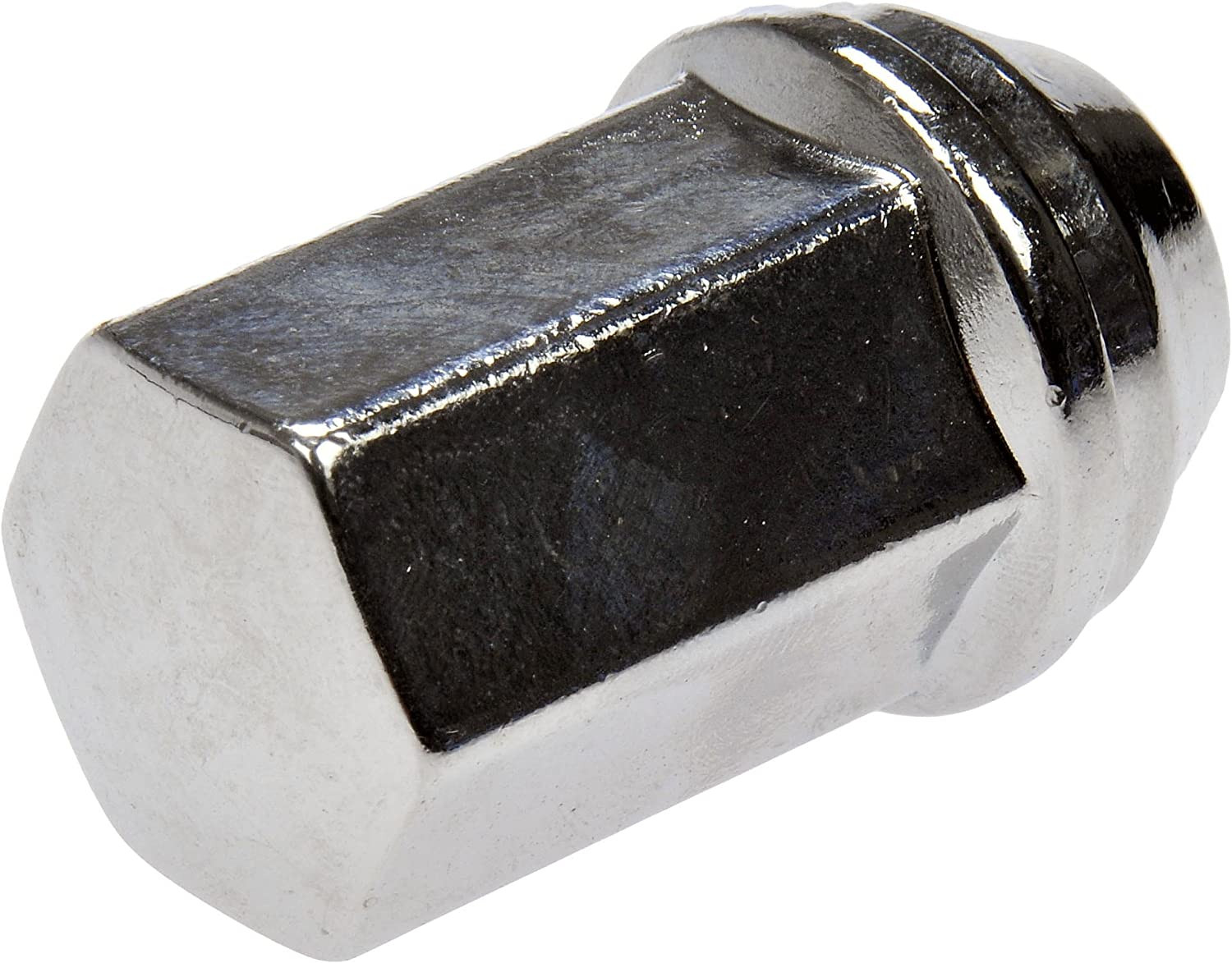
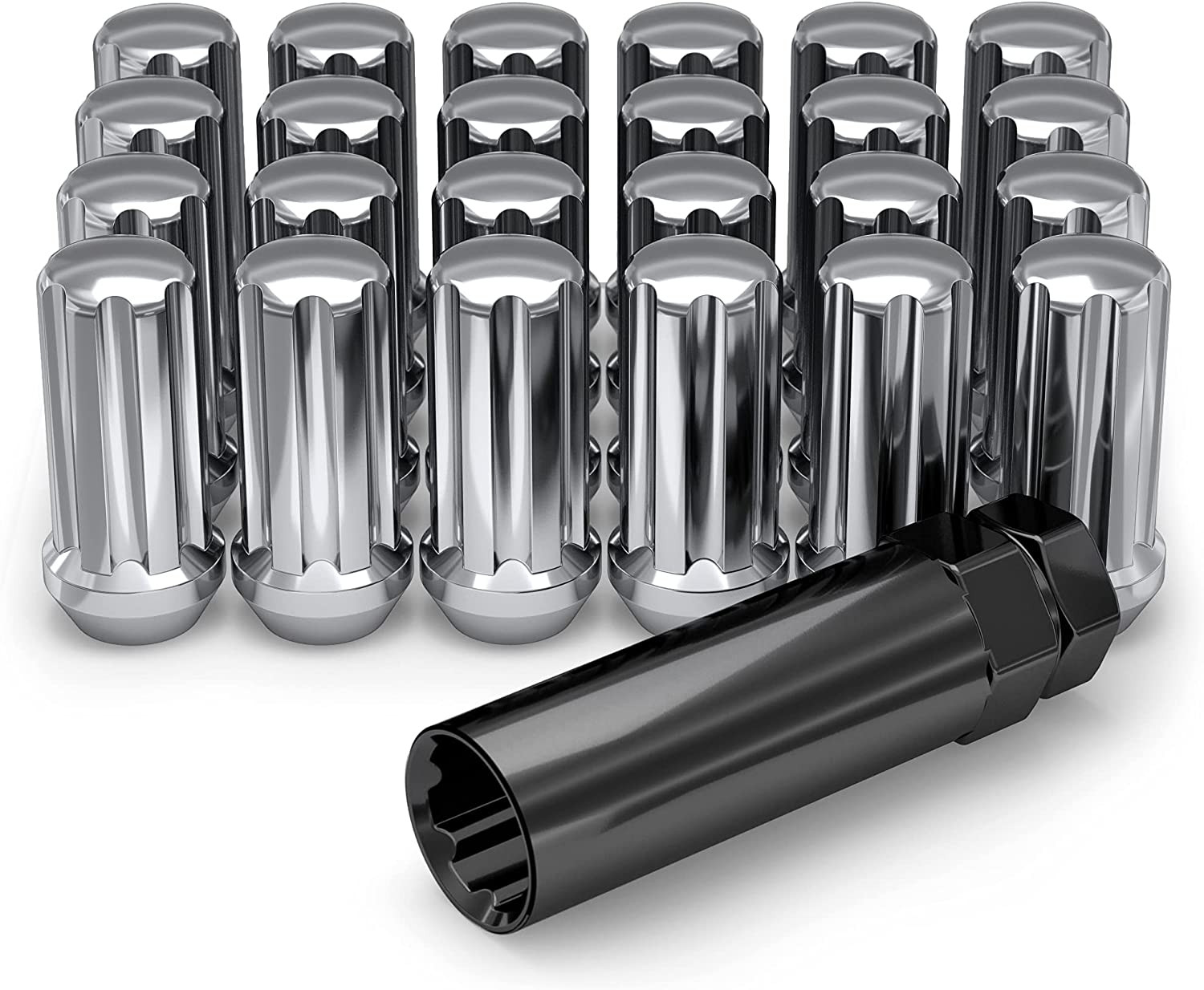
- Thread size is M14x1.5. Use lug nuts that match both the thread and the wheel’s seat type as specified by the wheel manufacturer. Do not mix seat types.
- Offset reference is ET 50 mm and backspacing 5.72 in for the listed OEM wheel. Use the calculator to compare your target offset to this baseline and verify inner and outer clearances.
- Wheel width changes affect inner and outer position. Verify brake caliper and strut clearance inside, and fender clearance outside, at full lock and full suspension compression.
- Tire diameter and load index must be appropriate. Keep overall diameter close to stock to minimize speedometer error and avoid rubbing. Maintain or exceed the OEM load index.
- TPMS compatibility must match frequency and protocol for your vehicle. Relearn may be required after installation.
Plus Sizing And Common Upgrades
Plus sizing increases rim diameter while selecting a lower-profile tire that keeps overall tire diameter near stock. In the calculator, start from the OEM 255/60R19 tire and ET 50 mm wheel. Try alternative rim diameters and widths while adjusting tire section width and aspect ratio so the overall diameter remains close to the OEM baseline. Keep an eye on inner clearance to the strut and outer poke at the fender. If you explore 18 inch or 20 inch combinations in the calculator, verify brake clearance, load index, and speedometer change before purchasing. Always confirm with a physical test fit, especially if brake or suspension components are non-stock.
Installation Tips
- Test fit each wheel without a tire first when possible to verify hub seating, caliper clearance, and stud engagement.
- Clean the hub face and the wheel mounting pad so they are free of rust, paint runs, and debris. A thin film of anti-seize on the hub center can help prevent sticking, but keep it off the stud threads and wheel seat.
- If using hub-centric rings, ensure they are fully seated on the hub and in the wheel bore with no gaps.
- Hand start all lug nuts to avoid cross-threading. Tighten in a star pattern in stages.
- Torque lug nuts to the factory specification for your exact trim from the owner’s manual or an OEM service source. Re-torque after 50 to 100 miles of driving.
- Perform a full lock-to-lock steering check and drive over a small bump to listen for rubbing. Inspect inner fender liners, brake hoses, and strut clearance.
- Complete the TPMS relearn procedure after wheel or sensor changes following the Buick service instructions.
Tools And Helpful Supplies
FAQs
What is the bolt pattern for the 2012 Buick Enclave?
It is 6x132. The wheel must have six studs and a 132 mm pitch circle diameter.
Can I use a 6x139.7 wheel on a 6x132 hub?
No. The bolt patterns are different and are not interchangeable. Use only 6x132.
Do I need hub-centric rings for aftermarket wheels?
You need rings if the aftermarket wheel’s center bore is larger than 74.5 mm. Rings should adapt 74.5 mm to the wheel’s bore. If the wheel bore is smaller than 74.5 mm, the wheel will not fit.
What is the OEM wheel offset I should use as a reference?
ET 50 mm for the listed 19x7.5 OEM wheel. Use the calculator to compare any new offset to this baseline and check clearances.
Can I reuse my factory TPMS sensors?
Often yes, if the sensor type and frequency are compatible with the wheel and your vehicle. Inspect seals, replace service kits if needed, and perform a TPMS relearn. Verify compatibility with an OEM catalog or sensor manufacturer.
Will wider tires fit without rubbing?
It depends on wheel width and offset, the tire’s actual measured section width, and suspension clearance. Use the calculator to model inner and outer changes from OEM, then test fit and check lock-to-lock and over bumps.
Are spacers safe to use?
Only when high quality, hub-centric to 74.5 mm, and properly installed with adequate stud engagement and correct torque. Spacers change effective offset, so re-check clearances in the calculator and during a test fit.
What torque should I use on the lug nuts?
Refer to the 2012 Buick Enclave owner’s manual or an OEM service source for the exact torque for your trim. Do not guess. Re-torque after 50 to 100 miles.