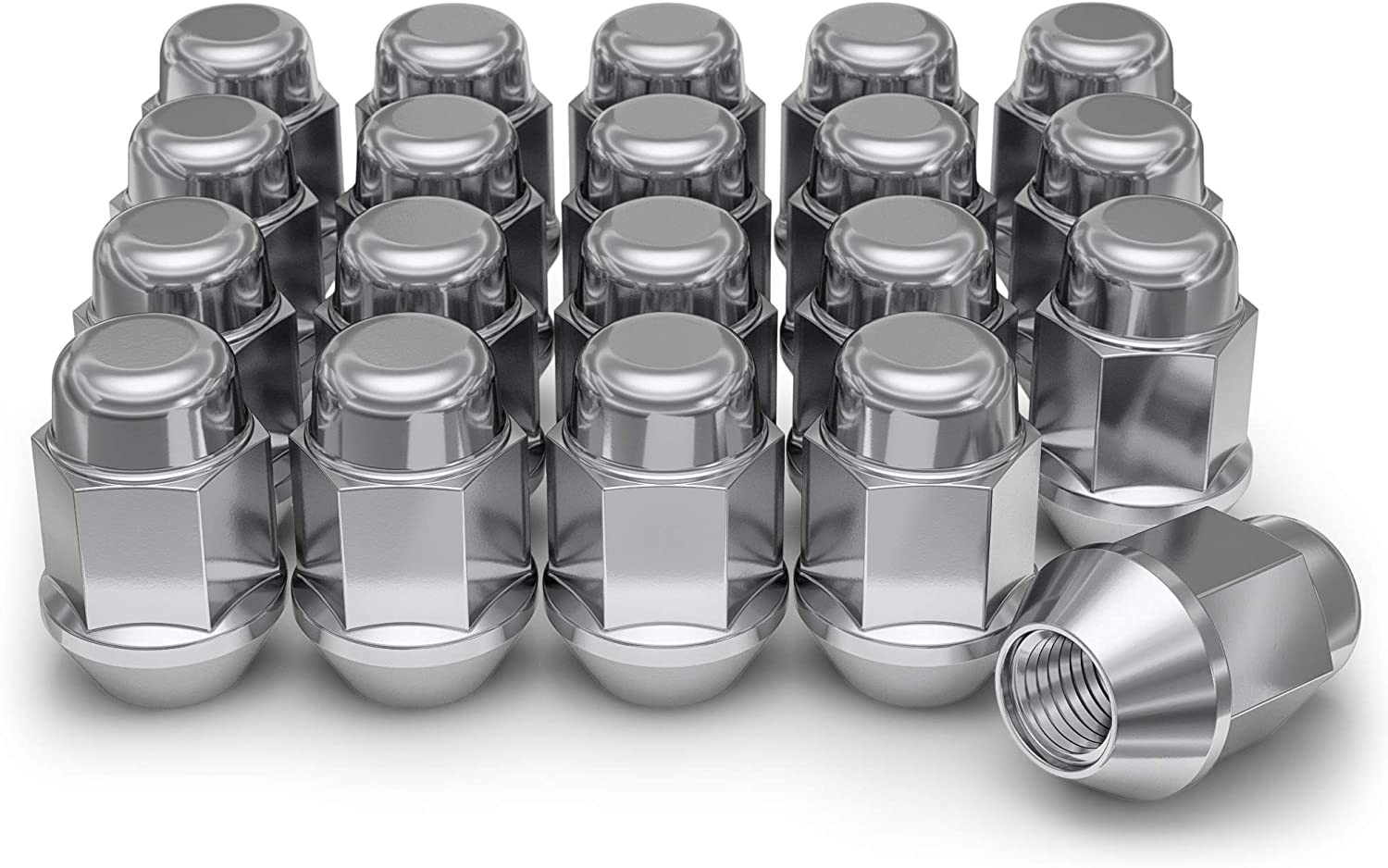
White Knight Chrome M12x1.50 Bulge Acorn Lug Nut, 20 Count
M12 x 1.5 · Thread match only; seat style is not verified
View on Amazon →Recorded OEM specifications for the 1999 Buick Riviera, donor years with overlapping ranges, and a calculator to compare a selected wheel. Range overlap is not a guaranteed fit.
Save these wheel specs to your Ownery garage
Baseline mounting dimensions used for interchange decisions.
Thread-only product links are shopping examples, not verified fits. Seat style is not confirmed here. As an Amazon Associate we earn from qualifying purchases.
These are vehicle-year records whose recorded OEM ranges overlap this 1999 Buick Riviera. Overlap is not a guarantee that a specific wheel will install. Selected-wheel comparison is in the calculator below.
Evaluated 0 donor years. Listed 0 eligible overlaps (not all evaluated years are compatible). Showing all listed.
No overlapping donor years were found in the current dataset. Use the calculator to check a specific donor or wheel.
Only years with evidence-based interchange relationships are listed. Adjacent years are not assumed compatible.
No same-model compatible years were found in the current dataset for the 1999 Buick Riviera.
Compare a donor vehicle or custom wheel against this 1999 Buick Riviera. Use Compare in calculator on a donor row above to fill the donor side of this same calculator.
Compare wheel compatibility between two vehicles
1999 Buick Riviera





Example products matched to recorded thread, hub, or spacer dimensions. They are not verified fits. Confirm seat style, thickness, and clearance before ordering.
M12 x 1.5
M12 x 1.5 · Thread match only; seat style is not verified
View on Amazon →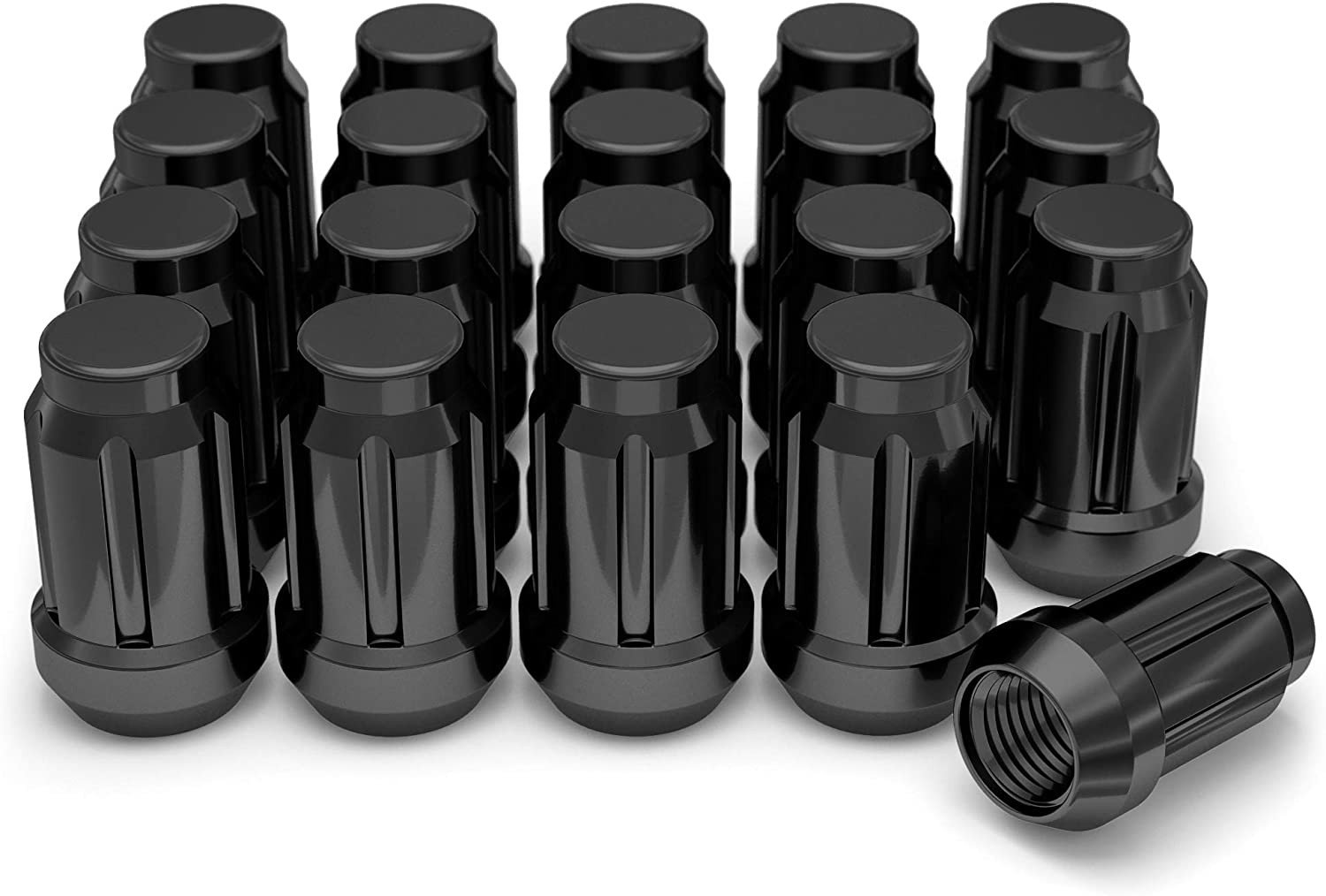
M12 x 1.5 · Thread match only; seat style is not verified
View on Amazon →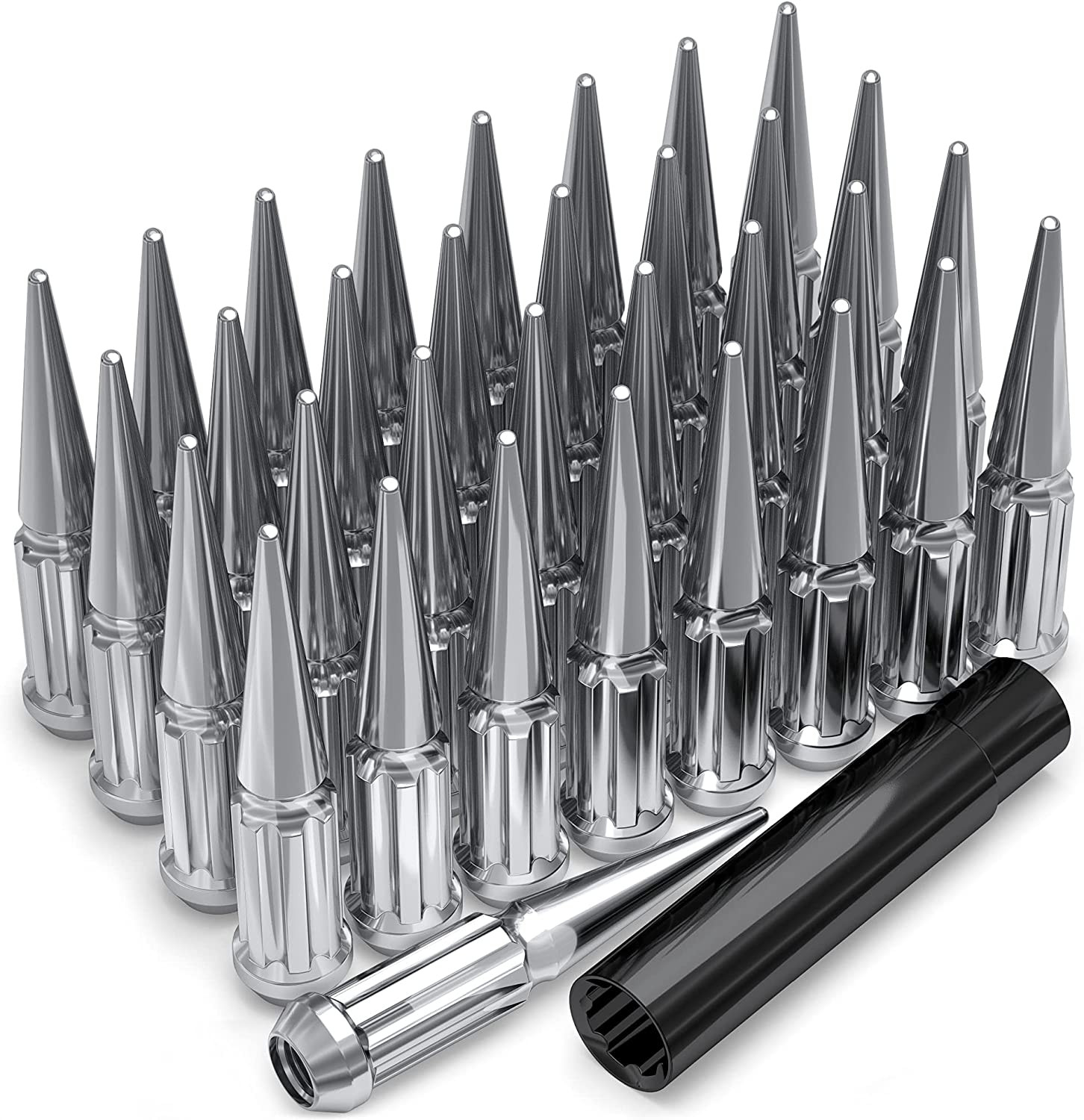
M12 x 1.5 · Thread match only; seat style is not verified
View on Amazon →As an Amazon Associate we earn from qualifying purchases. Product availability and pricing may change.
Buick Riviera 1999 has bolt pattern 5x115, center bore 70.3 mm, and lug thread M12 x 1.5. Rim diameter, rim width, offset, backspacing, and tire sizes are not provided here. Use the on-page calculator and OEM sources to confirm those unknowns before buying wheels or tires.
Start by confirming the missing wheel and tire dimensions. Use the vehicle placard, owner’s manual, dealer fitment, or physically measure your current wheels and tires. Then use the on-page calculator to compare donor wheels to your Riviera and to test custom wheel and tire combinations. If you buy wheels, match the bolt pattern and center bore, and verify lug-nut seat type and thread are compatible with M12 x 1.5.
Correctly matched wheels preserve steering, handling, and safety. Proper center bore and bolt pattern ensure wheels mount concentrically and securely. Right rim width and offset keep fenders clear and maintain steering geometry. Incorrect choices cause rubbing, altered vehicle dynamics, or premature wear.
Follow this checklist to finish fitment safely and quickly.
Checklist gotchas: do not assume wheels are hub-centric just because bolt pattern matches. When specs vary by trim, consult the calculator and OEM sources to confirm fitment for your exact Riviera configuration.
Tools and parts you may need: torque wrench, hub-centric rings, correct-seat lug nuts. Search examples:
| Item | Value |
|---|---|
| Bolt pattern | 5x115 |
| Center bore | 70.3 mm |
| Thread size | M12 x 1.5 |
| Rim diameter | Unknown – confirm with placard or measure |
| Rim width | Unknown – confirm with measurement or OEM data |
| Offset (ET) | Unknown – use calculator to test options |
| Backspacing | Unknown – measure if needed |
| Tire sizes | Unknown – verify placard or use calculator for swaps |
Next steps resolved: gather the missing dimensions, run comparisons in the calculator, and confirm lug-seat and torque specs with OEM documentation. Follow the checklist and safety items before driving on new wheels.
Wheel interchange depends on more than bolt pattern. Where data is available, this site compares recorded OEM values:
A normal wheel spacer does not change bolt pattern. Hub rings cannot enlarge a wheel bore that is smaller than the hub. Brake clearance and tire package fitment still require vehicle-specific checks when not confirmed in the dataset.
