2004 Cadillac CTS-V Wheel Fitment And Interchange Guide
Known OEM Fitment For 2004 Cadillac CTS-V
The values below reflect the factory wheel and tire specification data provided. If your car has been modified or you are unsure, confirm against the on-page calculator and your owner’s manual or a GM service source before purchasing.
| Bolt pattern | 6x115 |
| Center bore | 70.3 mm |
| Thread size | M12 x 1.5 |
| Rim diameter | 18 in |
| Rim width | 8.5 in |
| Wheel offset | ET 42 mm |
| Backspacing | 5.9 in |
| Tire size | 245/45R18 |
Notes:
- OEM 18 inch wheels clear the factory brake package. Smaller diameters may not clear the calipers.
- The CTS-V uses a 6x115 bolt pattern and 70.3 mm hub bore. The replacement wheel’s center bore must be 70.3 mm or larger. If larger, use hub-centric rings sized to 70.3 mm.
How To Use The Wheel Interchange Calculator
The calculator on this page compares donor wheels to your 2004 Cadillac CTS-V and simulates custom sizes. Follow these steps:
- In Wheels from (donor vehicle): select the vehicle the wheels came from, or enter its wheel specs if you know them.
- In Installed on (your vehicle): choose 2004 Cadillac CTS-V to preload the OEM specs listed above.
- To explore aftermarket options, use Custom wheel size to adjust rim diameter, width, and offset. Use Custom tire size to set section width and aspect ratio. When you change rim diameter, the tool recalculates tire diameter in the comparison so you can watch for speedometer and clearance changes.
- Review inner clearance to the strut and brake, outer poke toward the fender, tire diameter change, and scrub radius direction. Small changes can have big effects on clearance.
- If any result shows negative clearance or significant poke beyond the fender, revise width or offset until the visualization shows safe margins.
Fitment Checklist Before You Buy
- Bolt pattern: Replacement wheels must be 6x115. Do not force-fit near patterns or wobble bolts.
- Center bore: Wheel bore must be at least 70.3 mm. If larger, plan hub-centric rings to 70.3 mm to minimize vibration.
- Offset and width: Start from OEM 18x8.5 ET42. Use the calculator to ensure inner barrel clears struts and brake calipers and that outer edge does not contact fenders.
- Brake clearance: Visually check spoke and barrel clearance over the front calipers when test fitting. Spin the wheel by hand and check on-lock clearance with the car on the ground.
- Tires: Keep overall diameter close to OEM to protect gear ratios and speedometer accuracy. Use the calculator to estimate percent change.
- Load rating: Wheel and tire load indexes must meet or exceed OEM ratings. Verify on the product spec sheet.
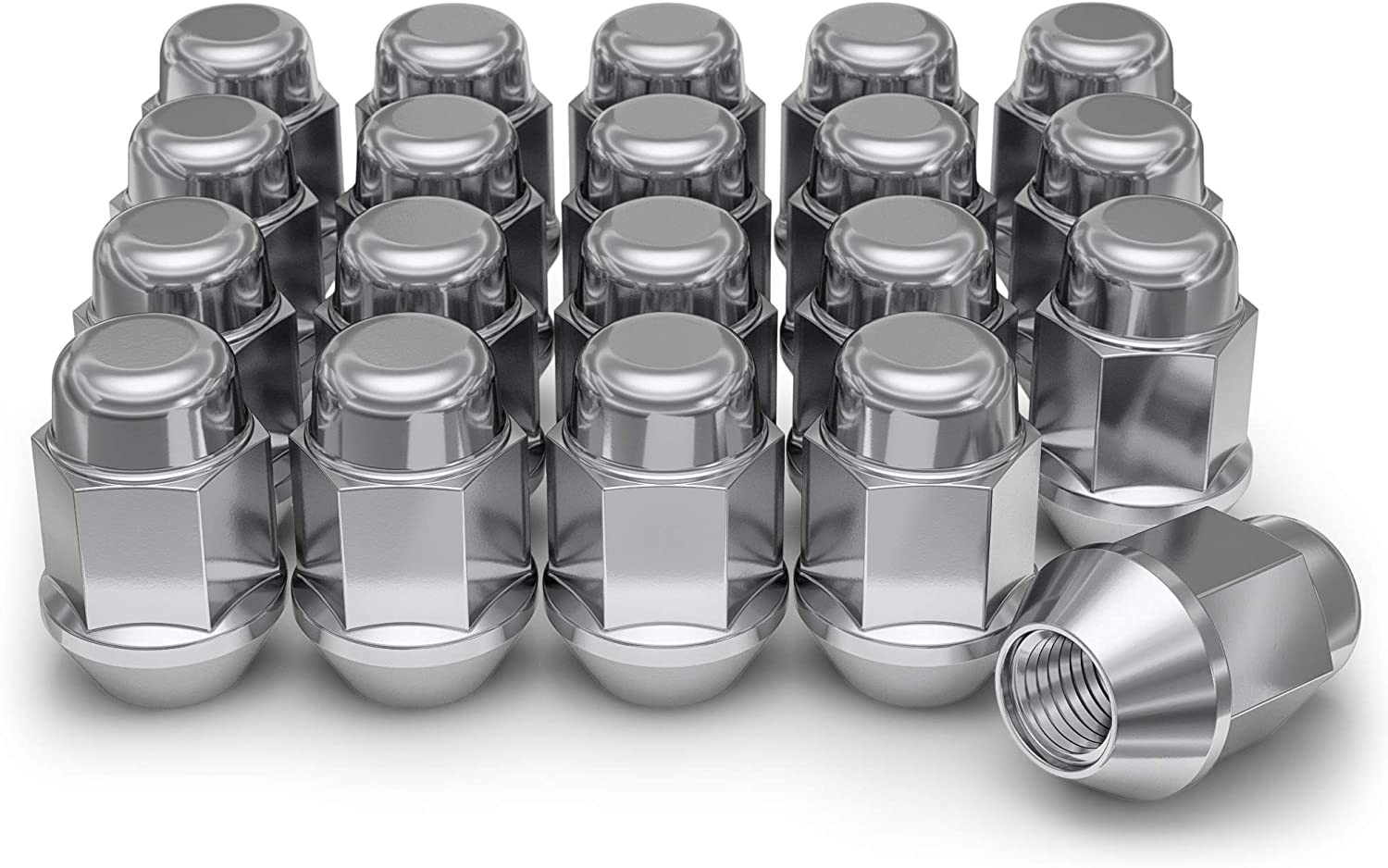
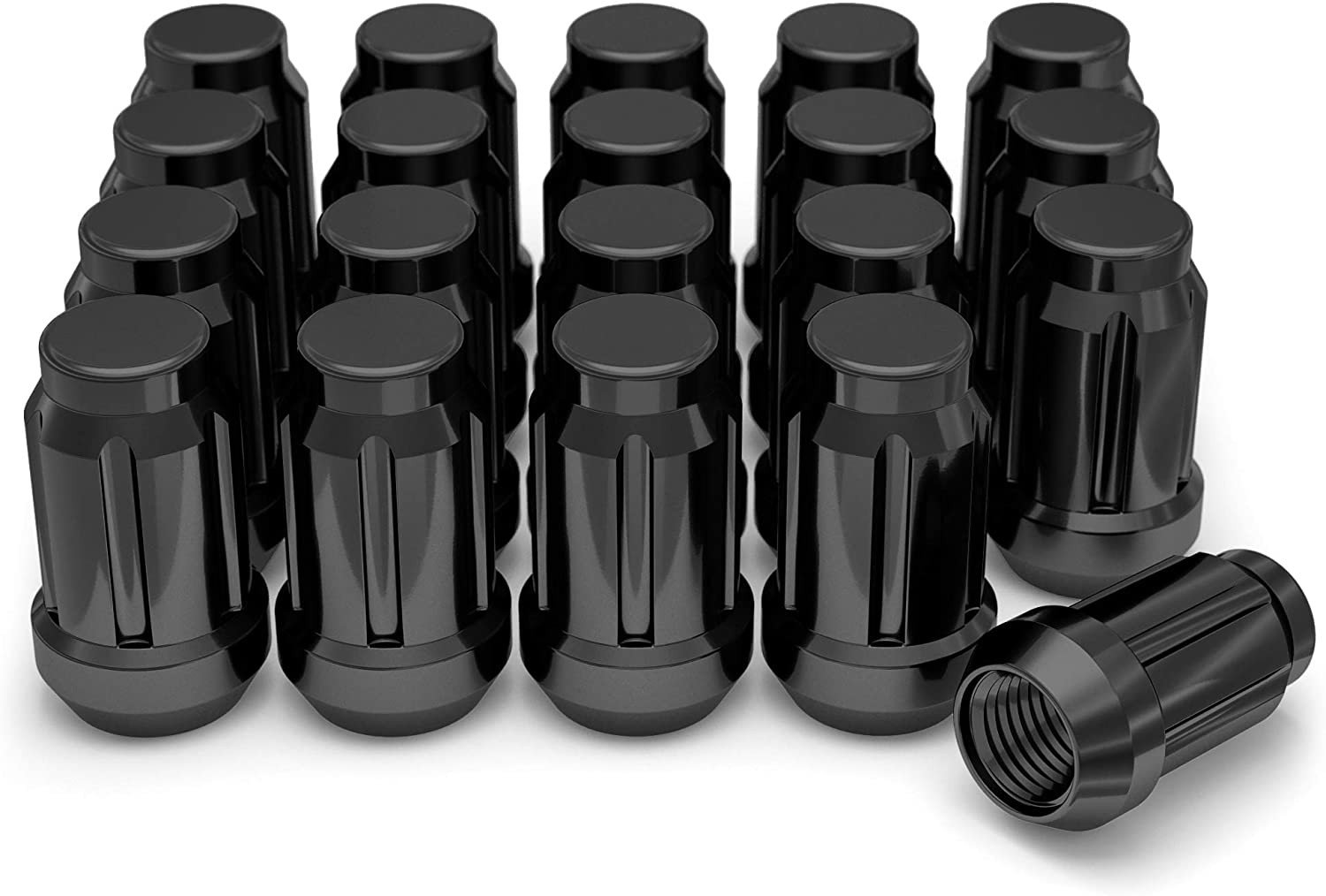
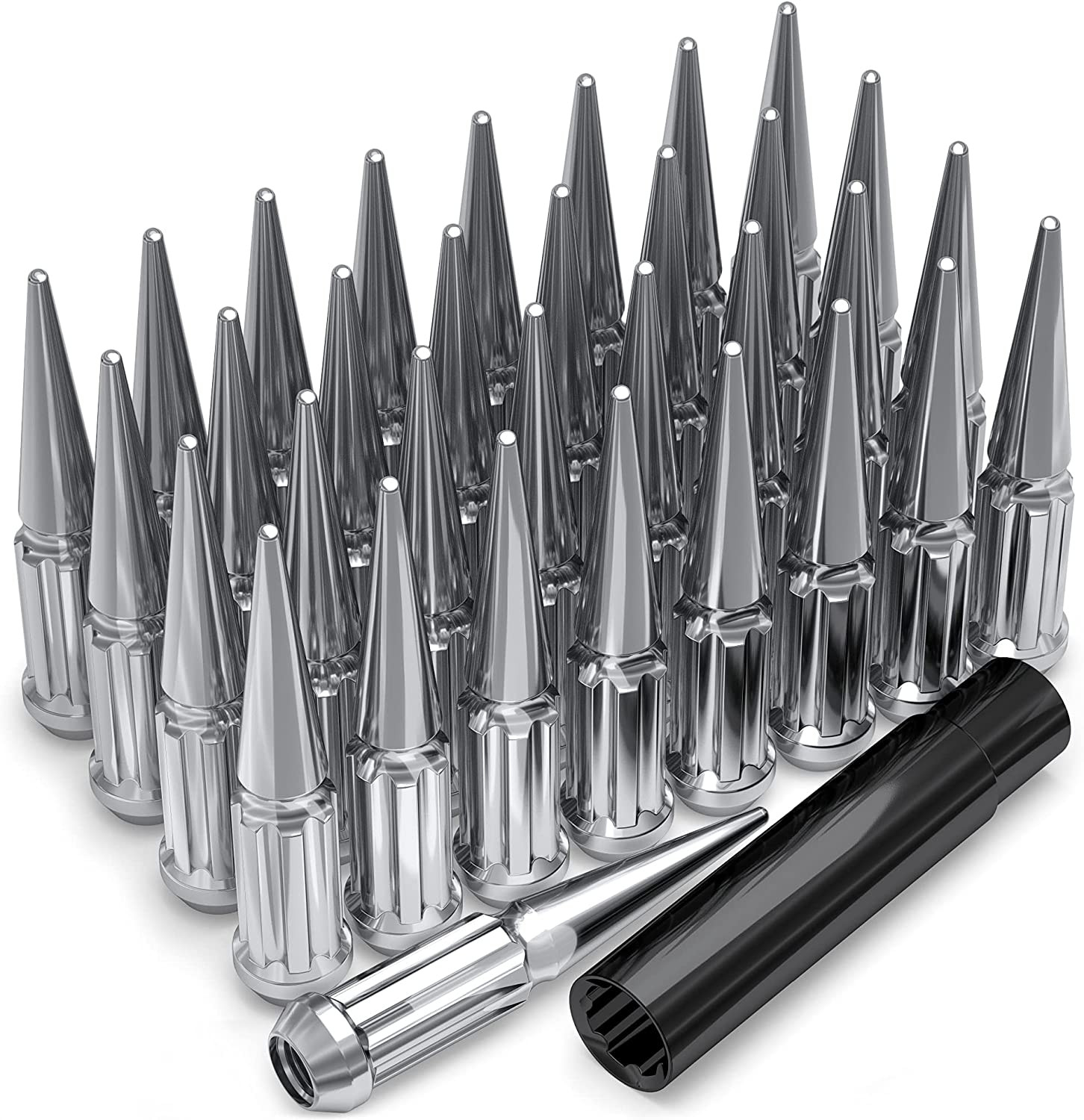
- Fasteners: Threads must match M12 x 1.5. The seat style of the lug nuts must match the wheel seat. Ensure full thread engagement per OEM service guidance.
- TPMS: Verify the TPMS type on your CTS-V and whether your new wheels support compatible sensors. If unsure, consult your owner’s manual or a GM parts source.
Plus Sizing And Common Upgrades
Many owners explore wider wheels or a larger rim diameter for performance or appearance. Use these guidelines with the calculator to stay within safe limits:
- Plus-one diameter: Increasing rim diameter typically requires a lower tire aspect ratio so overall tire diameter stays near OEM. The calculator shows the resulting diameter change.
- Wider wheels: A modest width increase can improve grip, but offset must be adjusted to protect inner clearance to the strut and the outer fender lip. Use the calculator’s inner and outer change readouts to verify.
- Brake clearance: Maintain at least OEM 18 inch diameter to clear the factory brakes. If you consider a different spoke profile, always physically test fit for caliper clearance.
- Staggered setups: If you consider staggered widths front-rear, confirm rotation limitations and maintain overall diameters to avoid ABS or stability control issues.
- Ride and rubbing: Lower-profile tires can increase impact harshness and curb damage risk. Any rubbing on lock or over bumps signals a need to revise offset or width.
Because acceptable ranges vary with tire brand, sidewall profile, alignment settings, and suspension height, do not rely on generic size lists. Validate with the calculator, then test fit.
Installation Tips
- Prepare the hub: Clean the hub face and center pilot. Remove rust and debris so the wheel seats flush.
- Dry threads: Install lug nuts clean and dry unless the OEM service manual specifies otherwise. Do not lubricate studs unless directed by OEM procedure.
- Hand start every lug: Prevent cross-threading on the M12 x 1.5 studs.
- Seat-centered: If using hub-centric rings for a larger-bore wheel, install rings before mounting the wheel so the wheel centers on the 70.3 mm hub.
- Torque in a star pattern: Snug with a wrench, lower the car to load the tire, then torque to the factory specification from the owner’s manual or GM service data. Re-torque after 50 to 100 miles.
- Check clearances: With the car on the ground, turn the steering from lock to lock and drive slowly over a bump to listen and feel for any contact.
Tools And Helpful Supplies
- Floor jack and appropriately rated jack stands Shop options
- 1/2 inch drive torque wrench Shop options
- Lug nut socket set in the correct size for your lugs
- M12 x 1.5 lug nuts that match your wheel’s seat style Shop options
- Hub-centric rings sized to your wheel bore down to 70.3 mm if needed Shop options
- Tire pressure gauge and inflator
- Wire brush for hub cleaning and a straightedge to check for rotor hat interference
FAQs
What bolt pattern does the 2004 CTS-V use?
It uses a 6x115 bolt pattern. Wheels must match 6 studs on a 115 mm circle.
Will wheels from other GM vehicles fit?
Possibly, but only if they match 6x115, have a center bore at least 70.3 mm, suitable offset and width, and clear the brakes. Use the calculator to compare the donor vehicle’s wheel specs to your CTS-V and verify with OEM data before buying.
Do I need hub-centric rings?
If the replacement wheel’s center bore is larger than 70.3 mm, use rings to reduce it to 70.3 mm so the wheel centers on the hub. If the wheel bore is smaller than 70.3 mm, it will not fit.
Can I run 17 inch wheels?
OEM wheels are 18 inch, which clear the factory brakes. Smaller diameters may contact the calipers. If you consider a smaller diameter, you must physically test fit and verify brake clearance. The safer approach is to stay at 18 inch or larger.
What offset range works with wider wheels?
There is no single range that fits all widths and tire models. Start from OEM ET 42 mm and use the calculator to see inner and outer clearance changes as you adjust width and offset. Always test fit and check for contact at full steering lock and over bumps.
What tire size keeps my speedometer accurate?
The closer your new tire’s overall diameter is to the OEM 245/45R18 diameter, the closer your speedometer will be. Use the calculator to compare overall diameter and aim for a small percentage change.
What lug nuts should I use?
They must be M12 x 1.5 to match the studs and must have a seat type that matches the wheel. Do not mix seat styles. Torque to the factory specification from your owner’s manual or a GM service source.
Do I need spacers?
Only if required to clear brakes or suspension after confirming all other specs. Spacers must match 6x115, be hub-centric to 70.3 mm, and provide full thread engagement. Use with caution and verify locally applicable regulations.
Why does the calculator show inner clearance or poke changes?
Because width and offset change where the wheel sits. The calculator quantifies inner barrel clearance to struts and brakes and outer position relative to the fender so you can make informed choices before buying.