OEM wheel and tire fitment specs for the 2016 Cadillac SRX, including bolt pattern (PCD), center bore diameter, thread size, rim diameter, rim width, wheel offset, and backspacing.
Recorded OEM specifications for the 2016 Cadillac SRX, donor years with overlapping ranges, and a calculator to compare a selected wheel. Range overlap is not a guaranteed fit.
Multiple OEM configurations exist for this vehicle. Fitment can vary by trim, brakes, and factory wheel package – confirm your exact setup before buying.
Thread-only product links are shopping examples, not verified fits. Seat style is not confirmed here. As an Amazon Associate we earn from qualifying purchases.
Donor vehicles with overlapping OEM specs
These are vehicle-year records whose recorded OEM ranges overlap this 2016 Cadillac SRX. Overlap is not a guarantee that a specific wheel will install. Selected-wheel comparison is in the calculator below.
Evaluated 15 donor years. Listed 15 eligible overlaps (not all evaluated years are compatible). Showing all listed.
Wheel geometryOEM width/offset ranges overlap (not a specific wheel)
Approximate position vs the mid OEM package: outer change -3.85 mm, inner change -8.85 mm. This uses aggregated width/offset ranges, not a specific wheel.
Wheel geometryOEM width/offset ranges overlap (not a specific wheel)
Recorded OEM bolt pattern, center bore, and width/offset ranges overlap. This is not a guarantee that every wheel from the donor year fits this vehicle.
Wheel geometryOEM width/offset ranges overlap (not a specific wheel)
Recorded OEM bolt pattern, center bore, and width/offset ranges overlap. This is not a guarantee that every wheel from the donor year fits this vehicle.
Cadillac SRX Years With Compatible Wheels
Only years with evidence-based interchange relationships are listed. Adjacent years are not assumed compatible.
Compare a donor vehicle or custom wheel against this 2016 Cadillac SRX. Use Compare in calculator on a donor row above to fill the donor side of this same calculator.
Compare
Compare wheel compatibility between two vehicles
Wheels from (donor vehicle)
Selected Car:
Custom wheel size (optional)
Tip: change values here to simulate custom wheels and immediately see the impact in the comparison below.
Custom tire size (optional)
Installed on (your vehicle)
Selected Car:
2016 Cadillac SRX
Compare Rims
Specification
Wheels from
Installed on
Result (Click it)
Bolt Pattern
The total number of bolt holes and the diameter of the circle they form.
-
6x120
Center Bore
The hole in the center of the wheel that fits over the vehicle’s hub.
-
66.9 mm
Thread Size
The size and spacing of the threads on the bolts or nuts that hold the wheel in place.
-
M14 x 1.5
Rim Diameter
The wheel diameter in inches that determines which tire sizes will fit.
-
18"
Rim Width
The distance between the inner edges of the wheel is measured in inches.
-
8.0"
Wheel Offset
How far the wheel sits inward or outward relative to the hub mounting surface.
-
53 mm
Backspacing
Shows how much space the wheel takes up toward the inside of the vehicle.
-
-
Wheel Fasteners
The type of hardware used to secure the wheel to the vehicle.
-
-
Compare Tires
Specification
Wheels from
Installed on
Result (Click it)
Section Width
The width of the tire from sidewall to sidewall, measured in millimeters.
-
-
Aspect Ratio
The height of the tire’s sidewall expressed as a percentage of its width.
-
-
Diameter
The wheel diameter for which the tire is designed to fit.
-
-
Tire Pressure
The recommended air pressure for safe and efficient driving.
-
-
Overall Diameter
The total height of the tire and wheel combined affects clearance and speedometer accuracy.
-
-
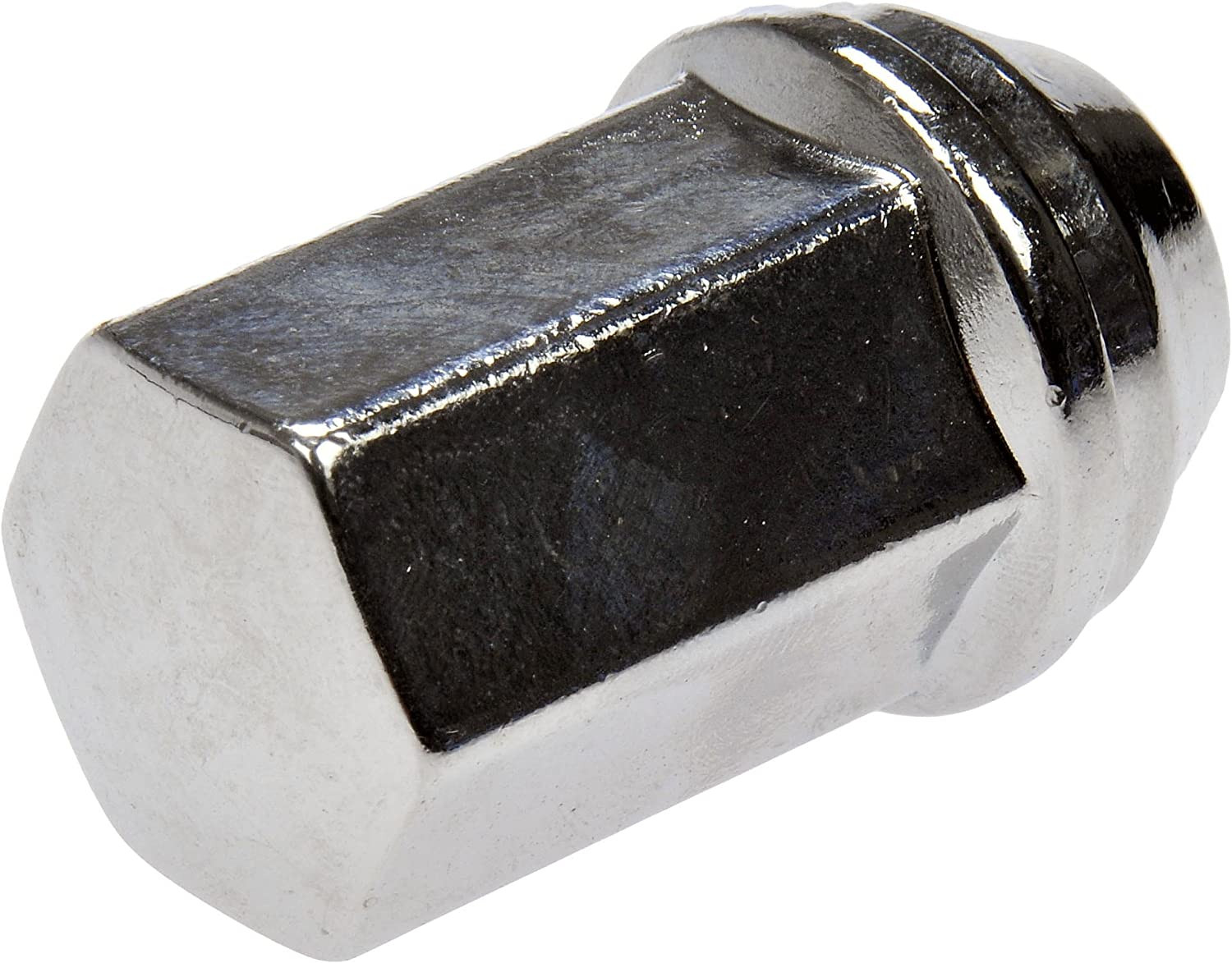
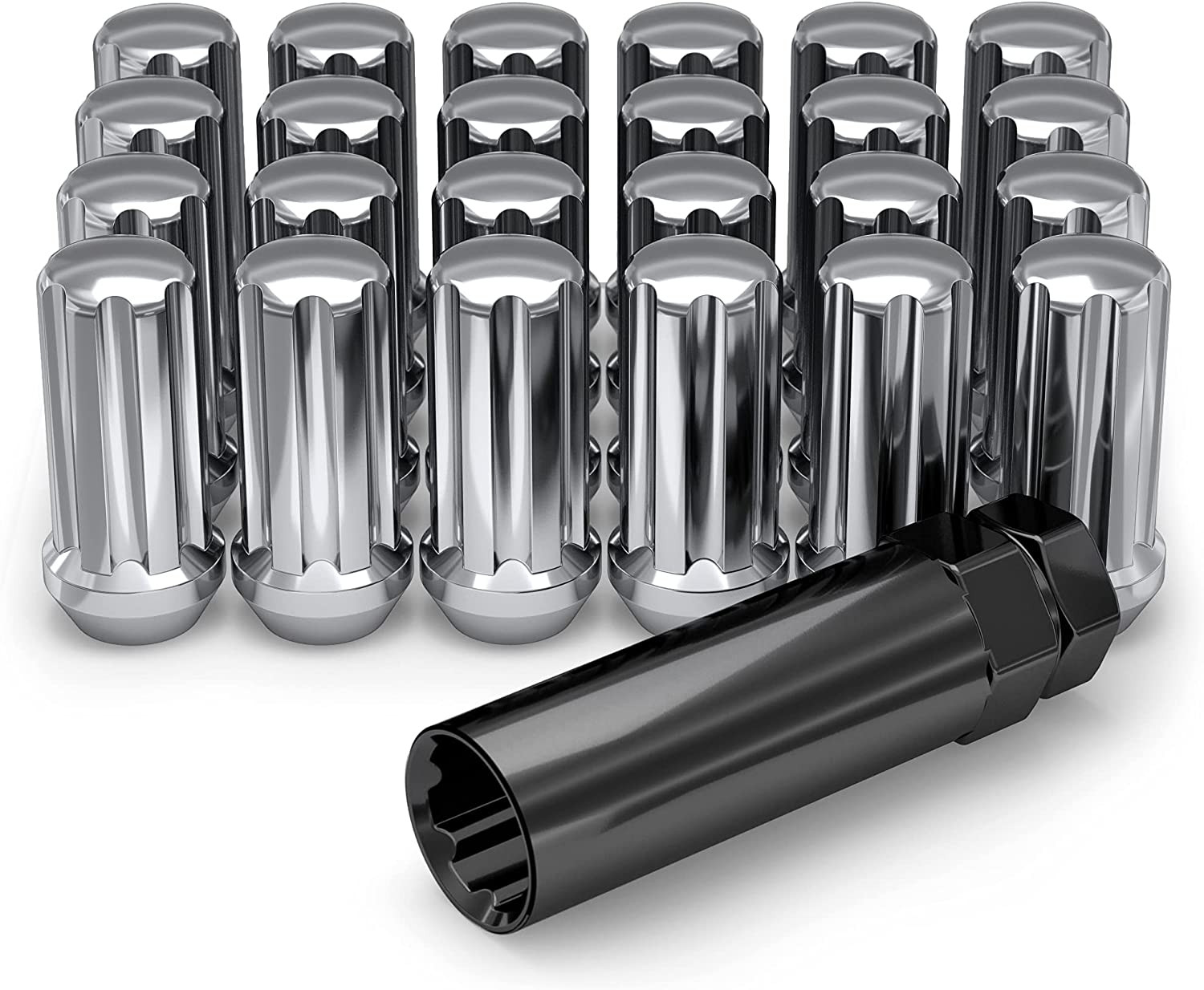
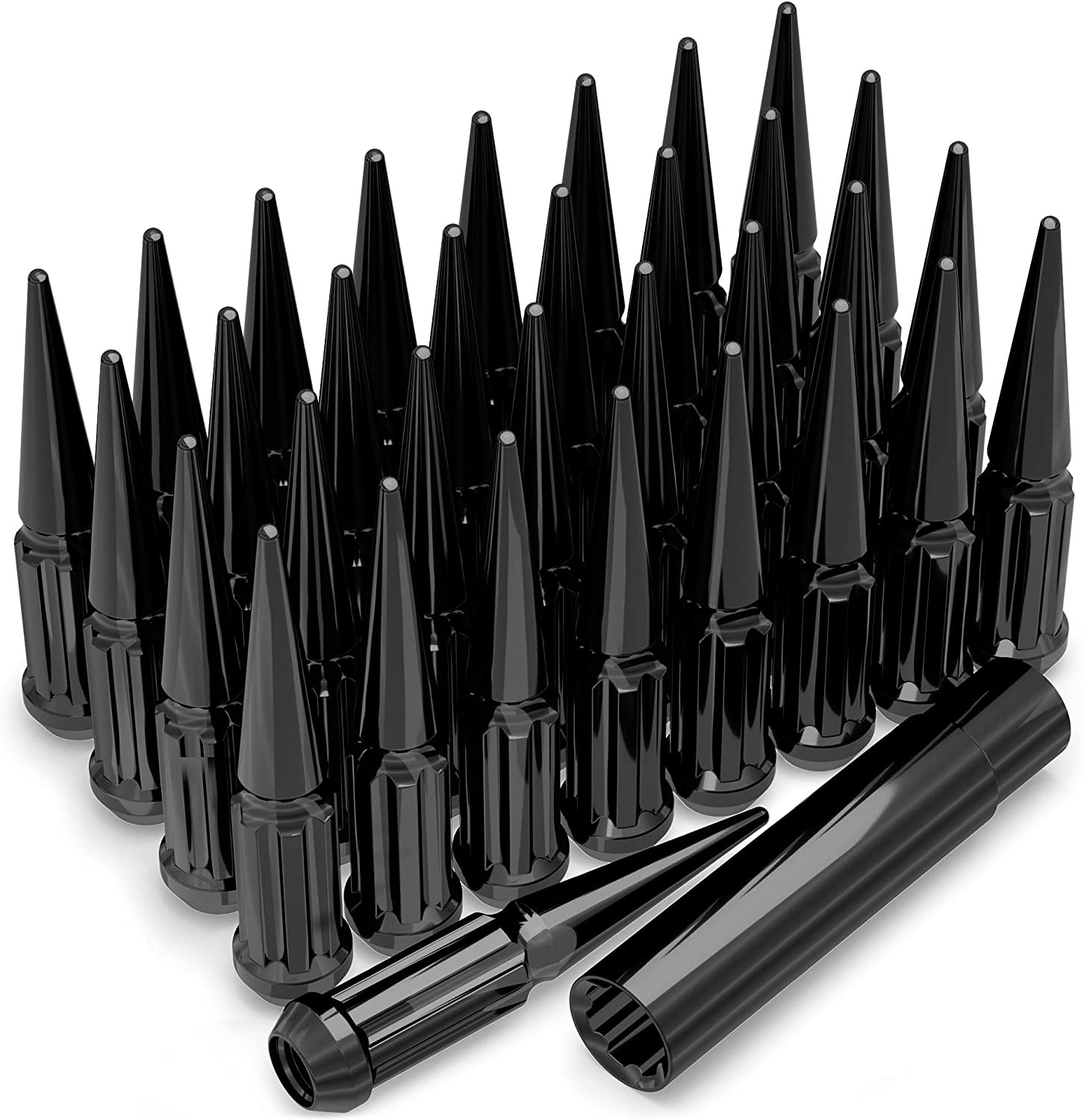
Wheel Fitment Parts for the 2016 Cadillac SRX
Example products matched to recorded thread, hub, or spacer dimensions. They are not verified fits. Confirm seat style, thickness, and clearance before ordering.
As an Amazon Associate we earn from qualifying purchases. Product availability and pricing may change.
Goal
Problem: you need to confirm safe wheel and tire fitment for a 2016 Cadillac SRX.
Goal: use the provided OEM values and the on-page calculator to select wheels and tires that fit safely.
I will guide you step by step with validation and troubleshooting advice.
Prerequisites
Collect these before you change wheels or tires. These items reduce unknowns and streamline validation.
Vehicle: 2016 Cadillac SRX (use this page values as starting point).
OEM wheel specs from this page (used below): bolt pattern, center bore, thread size, rim size, offset, backspacing, and OEM tire size.
Access to the on-page wheel/tire calculator to compare donor and custom options.
Basic tools: torque wrench, jack, jack stands, lug wrench, tape measure; consider hub-centric rings if needed.
Manufacturer documents or dealer contact for any values that vary by trim, such as lug seat type or exact torque spec.
Step by step
Start with the practical checks and use the calculator to visualize changes.
1. Confirm OEM values on this page
Specification
Value
Bolt pattern (studs x PCD)
6x120
Center bore (mm)
66.9
Thread size
M14 x 1.5
Rim diameter (in)
18
Rim width (in)
8.0
Wheel offset (ET, mm)
53
Backspacing (in)
6.09
OEM tire size
235/65R18
2. Use the on-page calculator
Problem: swaps often change diameter, offset, or width unexpectedly.
Action: open the calculator and set the left column to the donor wheel, and the right column to your vehicle or custom size.
You can adjust rim diameter, width, offset, and tire section/aspect in the tool.
Note: changing rim diameter updates tire diameter automatically in the comparison.
3. Check critical clearances
Measure or verify these items after you simulate the new wheel/tire in the calculator.
Brake caliper clearance to inner wheel face and spoke profile.
Inner fender and suspension component clearance at full compression.
Full lock clearance to inner fender and outer wheel lip.
Overall tire diameter change relative to OEM; keep it small to avoid speedometer and ABS issues.
4. Confirm hub and fastener compatibility
Center bore and bolt pattern must match or be adapted.
With 66.9 mm center bore, hub-centric match or rings are recommended when the wheel bore is larger.
Thread size M14 x 1.5 is given; confirm lug nut seat type (sphere/ball or tapered) before purchasing hardware.
5. Install and torque
Install wheels on a flat surface, hand-start lugs, torque in a star pattern to OEM specification.
If you don't have the OEM torque value, retrieve it from the owner's manual or dealer; do not guess.
Re-torque after 50–100 miles as a validation step.
Validation
After installation, validate fitment through inspection and a short test drive.
Use these specific checks to confirm safety and function.
Wheel runout and balance: check for vibration at speed, and rebalance if needed.
Clearance under full compression: compress the vehicle or use ramps to check rubbing risks.
Steering lock clearance: turn the wheel full lock both directions and inspect contact points.
ABS or traction warning lights: confirm no warning lamps appear after driving.
Tire pressure and load rating: ensure tires meet load index for the vehicle and are inflated correctly.
Re-torque lugs after 50–100 miles and again after the first week of driving.
Troubleshooting
If something doesn't fit or behave, follow this troubleshooting list.
Vibration at specific speeds: likely imbalance or hub-centric mismatch. Check wheel balance and bore fitment.
Wheel sits too far in or out: offset or backspacing mismatch. Compare calculated offset to OEM 53 mm.
Brake caliper interference: wheel inner face or spoke design conflicts. Try a wheel with more inner clearance or smaller offset.
ABS/traction faults after swap: overall tire diameter change may exceed sensor assumptions. Keep diameter within ±3% recommended assumption.
Stud or lug thread mismatch: do not force. Confirm thread size M14 x 1.5 and correct lug seat type before buying hardware.
Loose feel after installation: verify correct lug nut type, seating, and torque. Inspect studs for damage.
If a value is unknown or varies by trim, confirm it with the on-page calculator and OEM sources before proceeding.
For example, lug seat type and exact torque may vary; use the dealer or service manual to validate.
Wrap up
Trade-off decisions are common when changing wheels. Prioritize clearance and hub fitment over aesthetics.
Use the calculator to visualize changes, confirm the OEM values listed here, and validate with physical checks.
If you follow the steps, you will move from uncertainty to a safe, resolved fitment.
Helpful tools: torque wrench, hub-centric rings, and a good lug socket make installations safer.
Here are quick search links for those tools.
A normal wheel spacer does not change bolt pattern. Hub rings cannot enlarge a wheel bore that is smaller than the hub. Brake clearance and tire package fitment still require vehicle-specific checks when not confirmed in the dataset.