- Bolt pattern8x165.1 · Same recorded PCD
- Center bore124.1 mm · same recorded hub figure
- Wheel geometryNot fully recorded
Wheel width/offset data is incomplete.
Recorded OEM specifications for the 2010 Chevrolet Silverado 3500HD, donor years with overlapping ranges, and a calculator to compare a selected wheel. Range overlap is not a guaranteed fit.
Save these wheel specs to your Ownery garage
Baseline mounting dimensions used for interchange decisions.
Thread-only product links are shopping examples, not verified fits. Seat style is not confirmed here. As an Amazon Associate we earn from qualifying purchases.
These are vehicle-year records whose recorded OEM ranges overlap this 2010 Chevrolet Silverado 3500HD. Overlap is not a guarantee that a specific wheel will install. Selected-wheel comparison is in the calculator below.
Evaluated 2 donor years. Listed 2 eligible overlaps (not all evaluated years are compatible). Showing all listed.
Only years with evidence-based interchange relationships are listed. Adjacent years are not assumed compatible.
Compare a donor vehicle or custom wheel against this 2010 Chevrolet Silverado 3500HD. Use Compare in calculator on a donor row above to fill the donor side of this same calculator.
Compare wheel compatibility between two vehicles
2010 Chevrolet Silverado 3500HD





Example products matched to recorded thread, hub, or spacer dimensions. They are not verified fits. Confirm seat style, thickness, and clearance before ordering.
M14 x 1.5
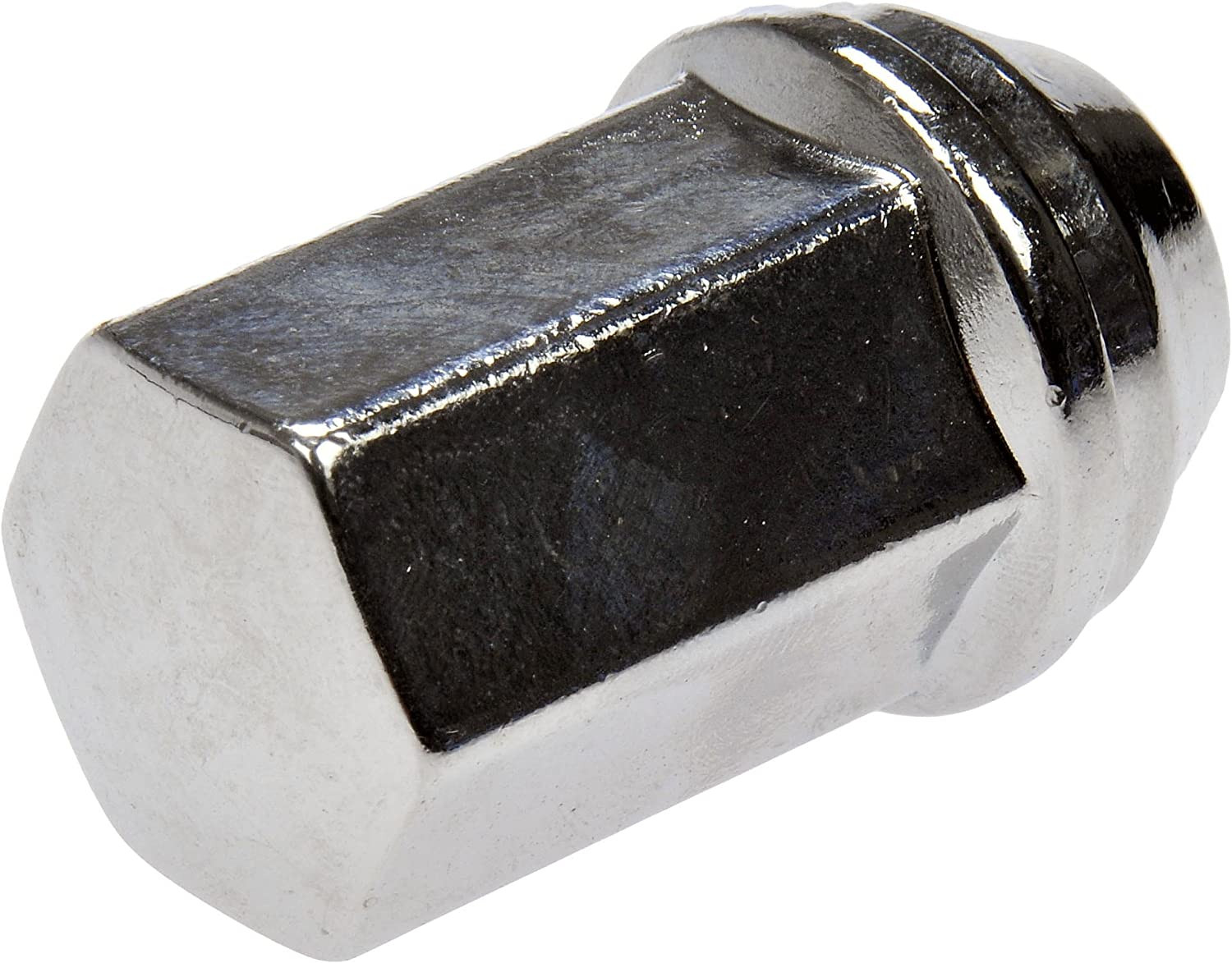
M14 x 1.5 · Thread match only; seat style is not verified
View on Amazon →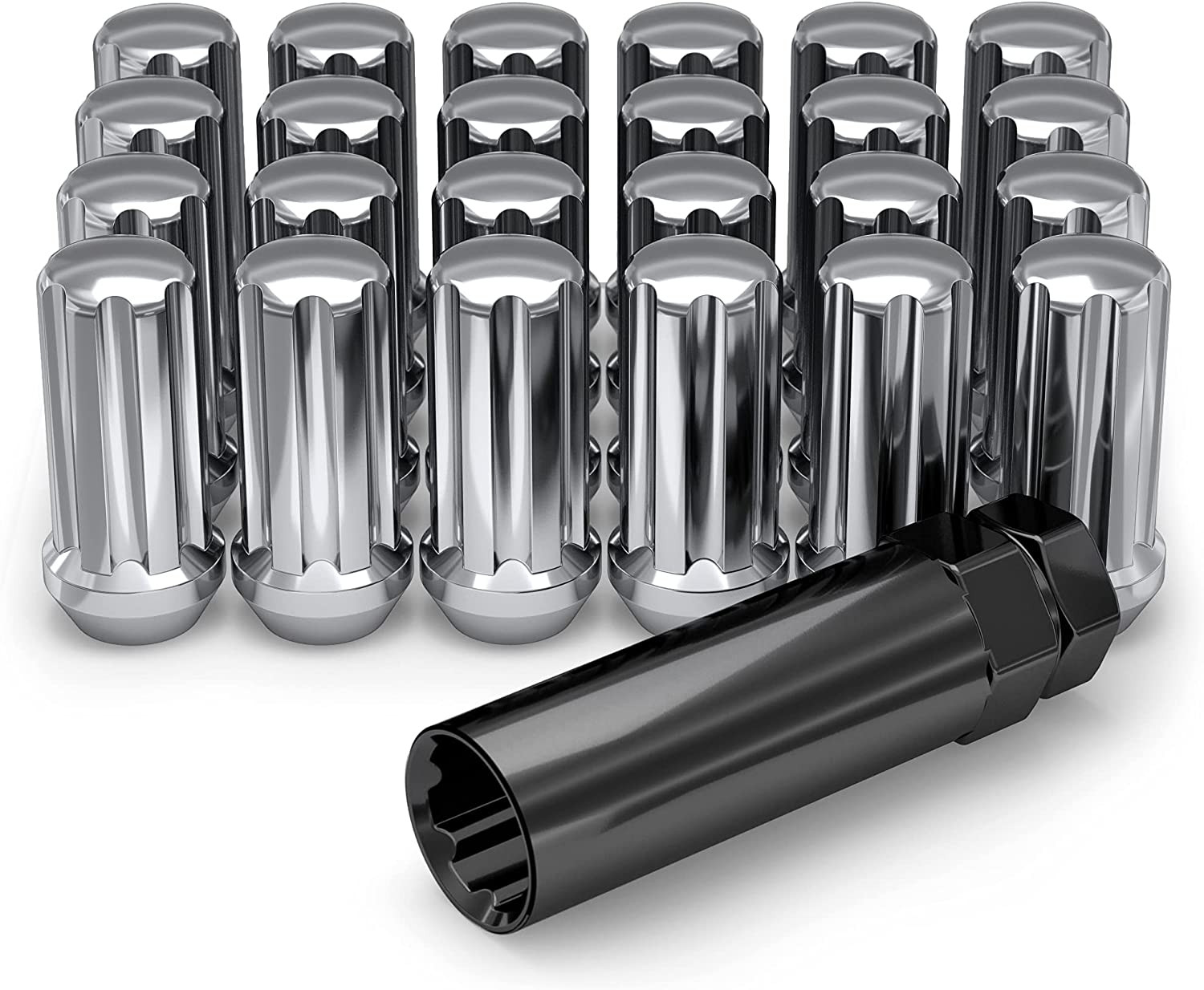
M14 x 1.5 · Thread match only; seat style is not verified
View on Amazon →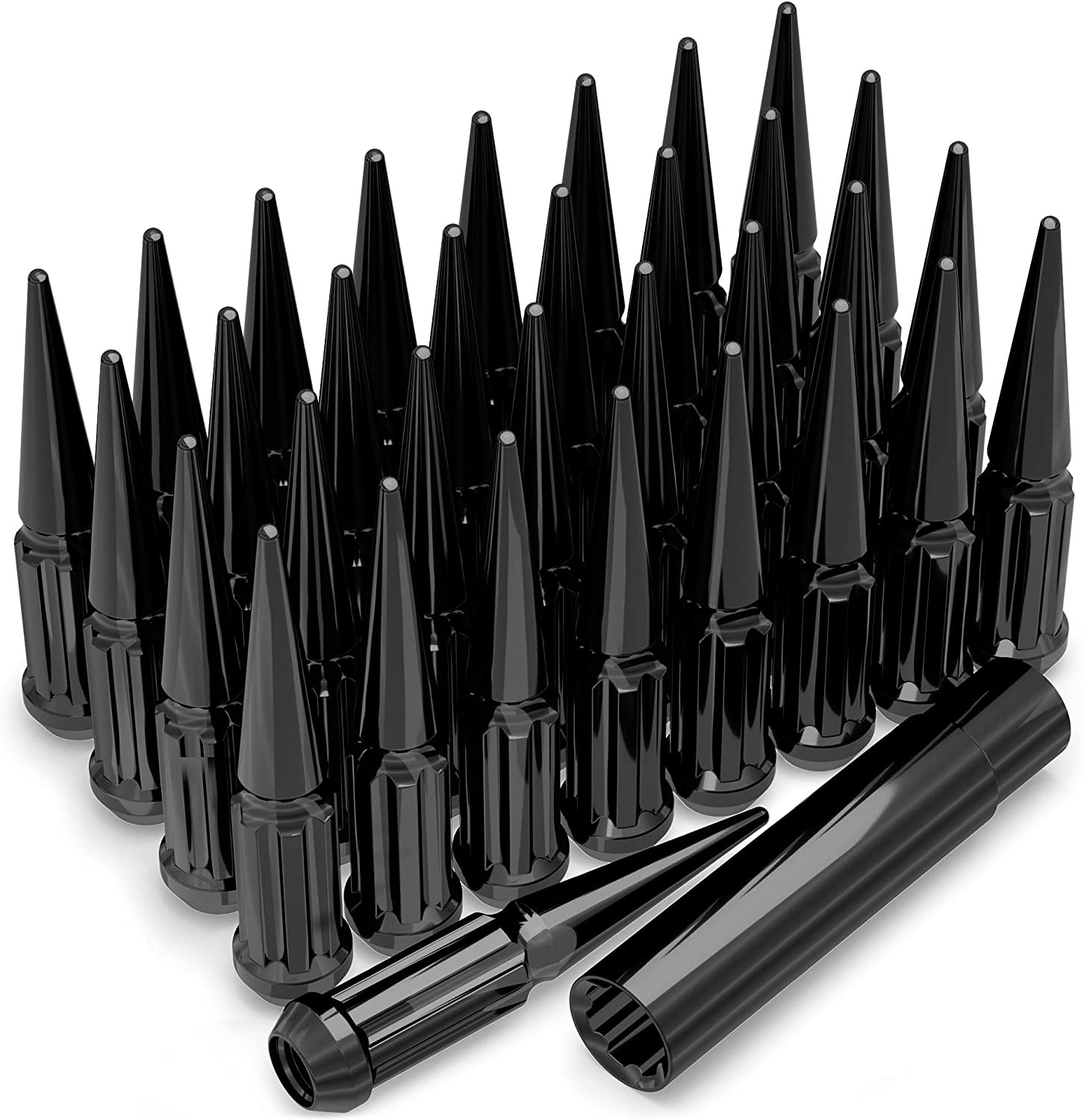
M14 x 1.5 · Thread match only; seat style is not verified
View on Amazon →As an Amazon Associate we earn from qualifying purchases. Product availability and pricing may change.
Use the table below as your starting point. If a value is unknown or varies by trim or SRW vs DRW, confirm it on your tire placard, owner manual, GM service information, or with the on-page calculator and direct measurements.
| Specification | Value | Notes |
|---|---|---|
| Bolt pattern | 8x165.1 | Also called 8x6.5 inch. The donor wheel must match this PCD exactly for a direct fit. |
| Center bore | 124.1 mm | Wheel bore must be equal to or larger than 124.1 mm. If larger, the wheel will be lug-centric unless you use suitable rings rated for vehicle load. |
| Thread size | M14 x 1.5 | Match lug nut thread and seat type to the wheel. SRW and DRW hardware can differ. Do not mix seat styles. |
| Rim diameter | Unknown | Varies by trim and SRW vs DRW. Check your door jamb tire placard or GM RPO codes, then validate in the calculator. |
| Rim width | Unknown | Verify width on the inside of the wheel casting or via OEM documentation. |
| Wheel offset (ET) | Unknown | SRW and DRW use very different offsets. Use the calculator to model clearance before buying. |
| Backspacing | Unknown | Use the calculator to derive backspacing from width and offset. |
| Tire size | Unknown | Section width, aspect ratio, and rim diameter vary by trim. Confirm on the tire placard or owner manual. |
Important notes:
The on-page calculator lets you compare a donor wheel and tire to your 2010 Silverado 3500HD and also test custom sizes. Follow these steps:
The 2010 Silverado 3500HD can often be upgraded in diameter and width, but the safe limits depend on suspension height, brake package, and SRW vs DRW configuration. Keep these principles in mind:
Also useful: jack stands, breaker bar, deep impact sockets sized for your lug nuts, wire brush for hubs, valve stems and caps, tire mounting paste if you mount tires, and a TPMS relearn tool compatible with your truck.
What is the bolt pattern on the 2010 Silverado 3500HD?
It is 8x165.1. The donor wheel must match this pattern for a direct bolt-on without adapters.
Will 8x170 or 8x180 wheels fit my truck?
No. Those are different PCDs. Adapters exist but add thickness, change effective offset, and must be hub and load rated. Model these changes in the calculator and verify stud engagement and fender clearance.
Do I need hub-centric rings?
Your hub is 124.1 mm. If the aftermarket wheel bore is larger, the wheel will be lug-centric unless you use suitable rings. Rings at this large size are less common. If you use them, choose metal rings rated for heavy-duty loads and verify full seating.
What wheel offset do I need?
Offset varies by SRW vs DRW and trim. It is not provided here. Read your current wheel markings if available and use the calculator to test inner clearance and outer poke before purchasing.
What tire size came stock?
Stock tire sizes vary by configuration. Check your door placard for the OEM size and load rating, then enter those numbers into the calculator as your baseline.
Can I run wider or larger diameter wheels?
Often yes, but you must maintain brake clearance, keep overall tire diameter near stock unless you plan to recalibrate, and ensure load rating and proper offset. Use the calculator to confirm changes.
What is the correct lug nut torque?
The torque spec can vary. Refer to your owner manual or OEM service information for your exact trim and wheels. Always use a torque wrench and recheck after 50 to 100 miles.
Are SRW and DRW wheels interchangeable?
No. Dually wheels use different offsets and interfaces. Mixing them without engineering verification can cause interference and unsafe loading.
Will my TPMS work with new wheels?
Yes if you reuse compatible sensors or purchase compatible replacements. Sensor type and frequency can vary, so match them to your truck and perform a relearn after installation.
Wheel interchange depends on more than bolt pattern. Where data is available, this site compares recorded OEM values:
A normal wheel spacer does not change bolt pattern. Hub rings cannot enlarge a wheel bore that is smaller than the hub. Brake clearance and tire package fitment still require vehicle-specific checks when not confirmed in the dataset.
