- Bolt pattern8x180 · Same recorded PCD
- Center bore124.1 mm · same recorded hub figure
- Wheel geometryNot fully recorded
Wheel width/offset data is incomplete.
Recorded OEM specifications for the 2013 Chevrolet Silverado 3500HD, donor years with overlapping ranges, and a calculator to compare a selected wheel. Range overlap is not a guaranteed fit.
Save these wheel specs to your Ownery garage
Baseline mounting dimensions used for interchange decisions.
Thread-only product links are shopping examples, not verified fits. Seat style is not confirmed here. As an Amazon Associate we earn from qualifying purchases.
These are vehicle-year records whose recorded OEM ranges overlap this 2013 Chevrolet Silverado 3500HD. Overlap is not a guarantee that a specific wheel will install. Selected-wheel comparison is in the calculator below.
Evaluated 12 donor years. Listed 12 eligible overlaps (not all evaluated years are compatible). Showing all listed.
Years grouped because recorded compatibility evidence is equivalent. Each year keeps its own page.
Wheel width/offset data is incomplete.
Only years with evidence-based interchange relationships are listed. Adjacent years are not assumed compatible.
Compare a donor vehicle or custom wheel against this 2013 Chevrolet Silverado 3500HD. Use Compare in calculator on a donor row above to fill the donor side of this same calculator.
Compare wheel compatibility between two vehicles
2013 Chevrolet Silverado 3500HD





Example products matched to recorded thread, hub, or spacer dimensions. They are not verified fits. Confirm seat style, thickness, and clearance before ordering.
M14 x 1.5
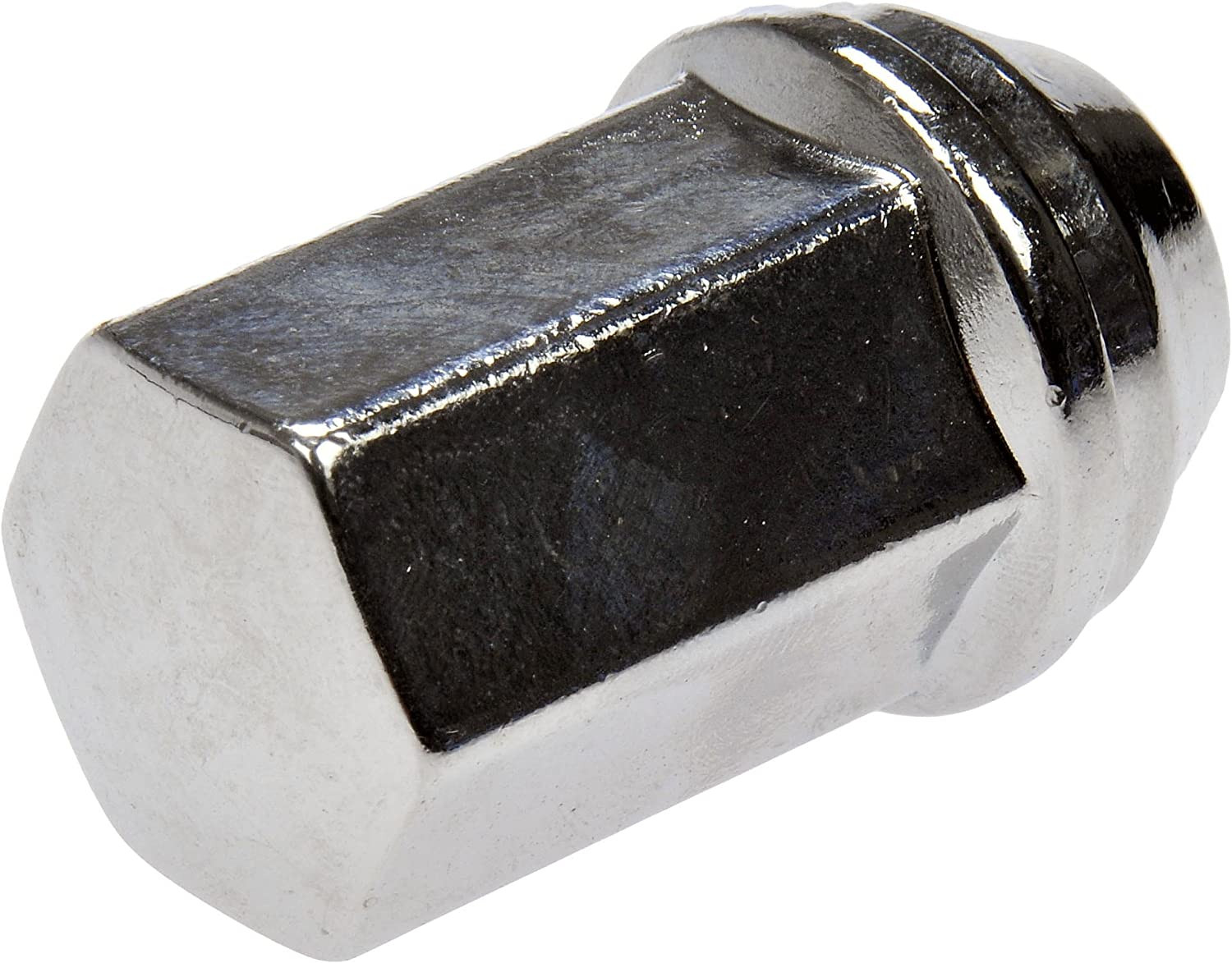
M14 x 1.5 · Thread match only; seat style is not verified
View on Amazon →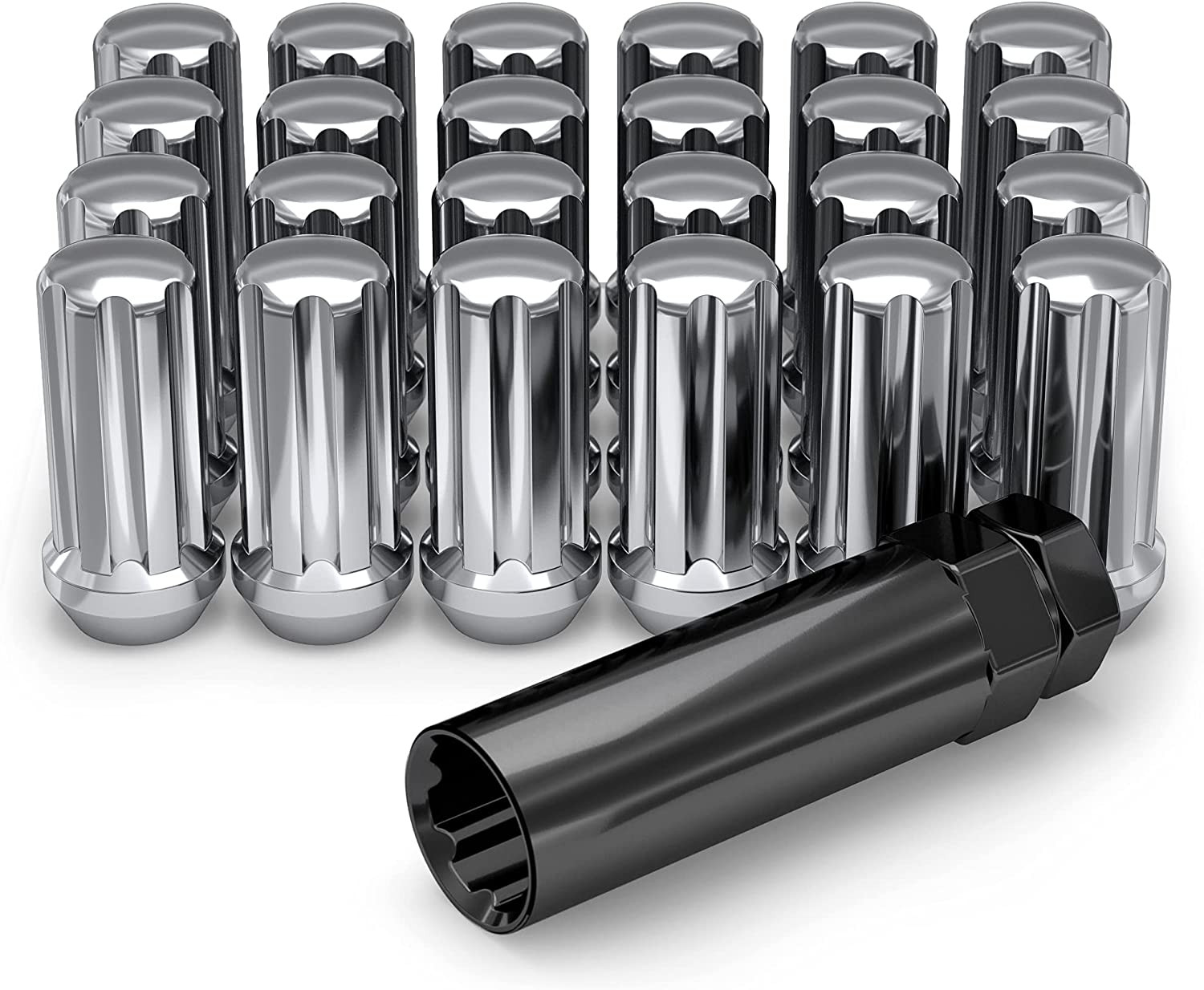
M14 x 1.5 · Thread match only; seat style is not verified
View on Amazon →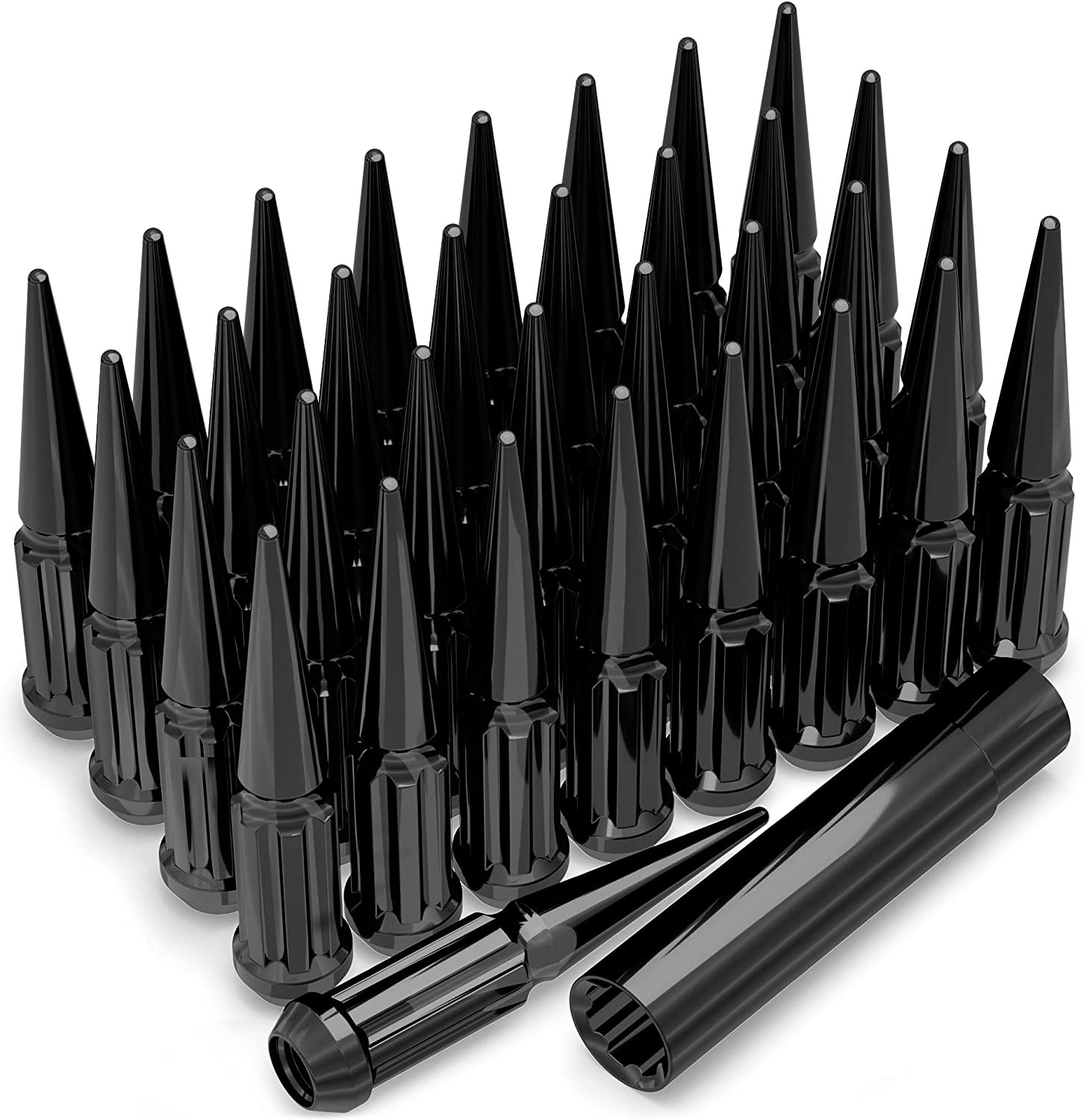
M14 x 1.5 · Thread match only; seat style is not verified
View on Amazon →As an Amazon Associate we earn from qualifying purchases. Product availability and pricing may change.
This page focuses on safe, accurate wheel and tire fitment for the 2013 Chevrolet Silverado 3500HD. Specifications can vary by trim, axle, brakes, and whether your truck is single rear wheel (SRW) or dual rear wheel (DRW). If a value below is unknown or varies, use the on-page calculator and verify against your door jamb tire label and OEM service information before purchasing.
| Bolt pattern (studs x PCD) | 8x180 |
| Center bore (mm) | 124.1 |
| Thread size | M14 x 1.5 |
| Rim diameter (in) | Unknown. Check your door jamb tire label or owner’s manual. |
| Rim width (in) | Unknown. Verify per trim and wheel option. |
| Wheel offset (ET, mm) | Unknown. SRW and DRW use different offsets. Confirm before ordering. |
| Backspacing (in) | Unknown. Use the calculator to convert from confirmed offset and width. |
| Tire section width (mm) | Unknown. Check the tire size on your certification label. |
| Tire aspect ratio (%) | Unknown. Refer to your OEM tire size. |
| Tire rim diameter (R) | Unknown. The “R” value in your tire size indicates rim diameter. |
Important: 3500HD SRW and DRW trucks do not share the same wheel specs. Dually inner and outer wheels are specialty parts with different offsets and clearances. Always confirm which configuration you have.
Plus sizing increases rim diameter while lowering tire profile to keep the overall diameter similar. This preserves gearing, ABS calibration, and speedometer accuracy. Because the exact factory rim and tire sizes for the 2013 Silverado 3500HD vary by trim and SRW vs DRW, confirm your starting size from the door jamb label or owner’s manual, then use the calculator to model changes.
Will 8x165.1 or 8x170 wheels fit my 2013 Silverado 3500HD?
No. The 2013 3500HD uses 8x180. Different 8-lug patterns are not interchangeable.
How do I confirm my factory rim and tire size if I am not sure?
Read the tire size on the driver’s door jamb label or on your current tires. Enter that size in the calculator as your baseline, then compare potential upgrades.
Do SRW and DRW wheels interchange?
No. Dually wheels use different offsets and are designed to maintain proper dual spacing. SRW and DRW wheels are not directly interchangeable.
Do I need hub-centric rings?
If the aftermarket wheel has a larger center bore than 124.1 mm, rings can help with centering. They do not increase load rating. Use wheels and hardware that meet or exceed the truck’s load requirements.
Can I use spacers or adapters to change bolt pattern or stance?
Use only hub-centric, HD-rated components with proper stud engagement, and re-torque carefully. Adapters introduce additional risk on heavy-duty trucks. Avoid for towing unless engineered and rated for the load.
What offset or backspacing should I choose?
It varies by brake package, SRW vs DRW, and tire size. Use the calculator to model inner and outer clearance, then verify physically. Do not purchase without confirming against your specific truck.
Will my TPMS sensors work with new wheels?
Generally yes if the wheels accept compatible sensors. You will need to move your sensors or install compatible replacements and perform a relearn. Check sensor specs for your year and system.
What torque should I use on the lug nuts?
Follow the OEM torque specification for your exact trim and wheel type as listed in the owner’s manual or service information. Do not guess.
If any specification is unknown for your 2013 Chevrolet Silverado 3500HD, rely on the on-page calculator for clearance modeling and confirm final numbers with OEM documentation and a physical test fit. This is the safest path to a trouble-free installation.
Wheel interchange depends on more than bolt pattern. Where data is available, this site compares recorded OEM values:
A normal wheel spacer does not change bolt pattern. Hub rings cannot enlarge a wheel bore that is smaller than the hub. Brake clearance and tire package fitment still require vehicle-specific checks when not confirmed in the dataset.
