2003 Chevrolet TrailBlazer Wheel Specs, Interchange Guidance, and Fitment Calculator
Known OEM Fitment For 2003 Chevrolet TrailBlazer
The data below is what is currently documented for the 2003 TrailBlazer. Trims and option packages may vary. If a value on your vehicle differs, use the on-page calculator and verify with the door-jamb tire label, the owner’s manual, or GM service information before you buy wheels or tires.
| Bolt pattern |
6x127 |
| Center bore |
78.1 mm |
| Thread size |
M12 x 1.5 |
| OEM wheel diameter |
17 in |
| OEM wheel width |
7.0 in |
| OEM wheel offset (ET) |
50 mm |
| Backspacing |
5.47 in |
| OEM tire size example |
245/70R16 |
Notes and how to confirm: The listing shows a 17x7 ET50 wheel as well as a 245/70R16 tire. That indicates multiple OEM configurations were offered in 2003. Check your door-jamb label for the factory tire size and load rating, inspect the wheel casting for size and offset markings, and match those values in the calculator to confirm what your TrailBlazer currently has.
How To Use The Wheel Interchange Calculator
The calculator on wheelinterchange.com lets you compare a donor setup to your TrailBlazer and test custom wheel and tire sizes. Follow these steps:
1. In Wheels from (donor vehicle), enter the size that is on the take-off wheels or the wheel you are considering. Include rim diameter, width, and offset if known.
2. In Installed on (your vehicle), enter your TrailBlazer’s current wheel and tire specs from the door-jamb label and wheel markings. If your tire label shows 245/70R16 but your wheel shows 17x7, verify which set is actually mounted before proceeding.
3. Use Custom wheel size to test different rim diameter, width, and offset. The tool will show inner and outer clearance changes relative to your current setup, which helps you avoid strut, control arm, sway bar, and fender contact.
4. Use Custom tire size to set section width and aspect ratio. Changing rim diameter also updates the tire’s overall diameter in the comparison, which affects speedometer error, gearing feel, and ABS/traction control logic.
5. Review the comparison summary. Aim to keep overall tire diameter close to stock, and ensure you maintain adequate inner clearance to the suspension and outer clearance to the fender during steering and compression.
Fitment Checklist Before You Buy
Work through these checks to reduce the chance of rubbing or vibration:
- Bolt pattern: Must be 6x127. Do not attempt to fit 6x120 or 6x139.7 wheels.
- Center bore: OEM hub is 78.1 mm. Hub-centric wheels with 78.1 mm bores seat directly. Larger-bore aftermarket wheels can be used with 78.1 mm hub-centric rings.
- Offset and backspacing: Compare ET50 and 5.47 in backspacing as a baseline. Use the calculator to see inner clearance to the upright and outer poke toward the fender.
- Brake and caliper clearance: Physically test a wheel on the front hub to ensure spoke and barrel clearance over the caliper, especially with smaller diameter or different spoke designs.
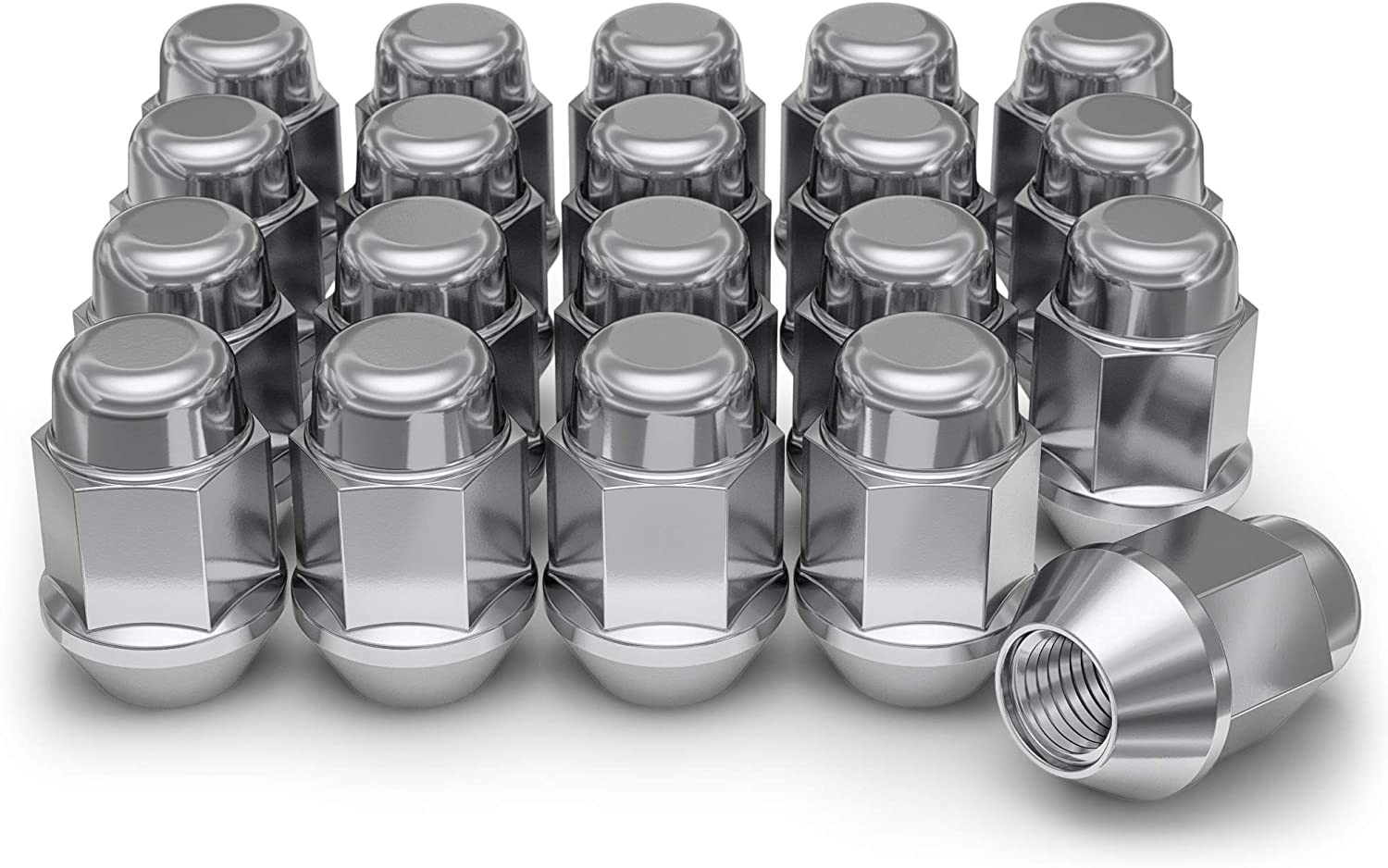
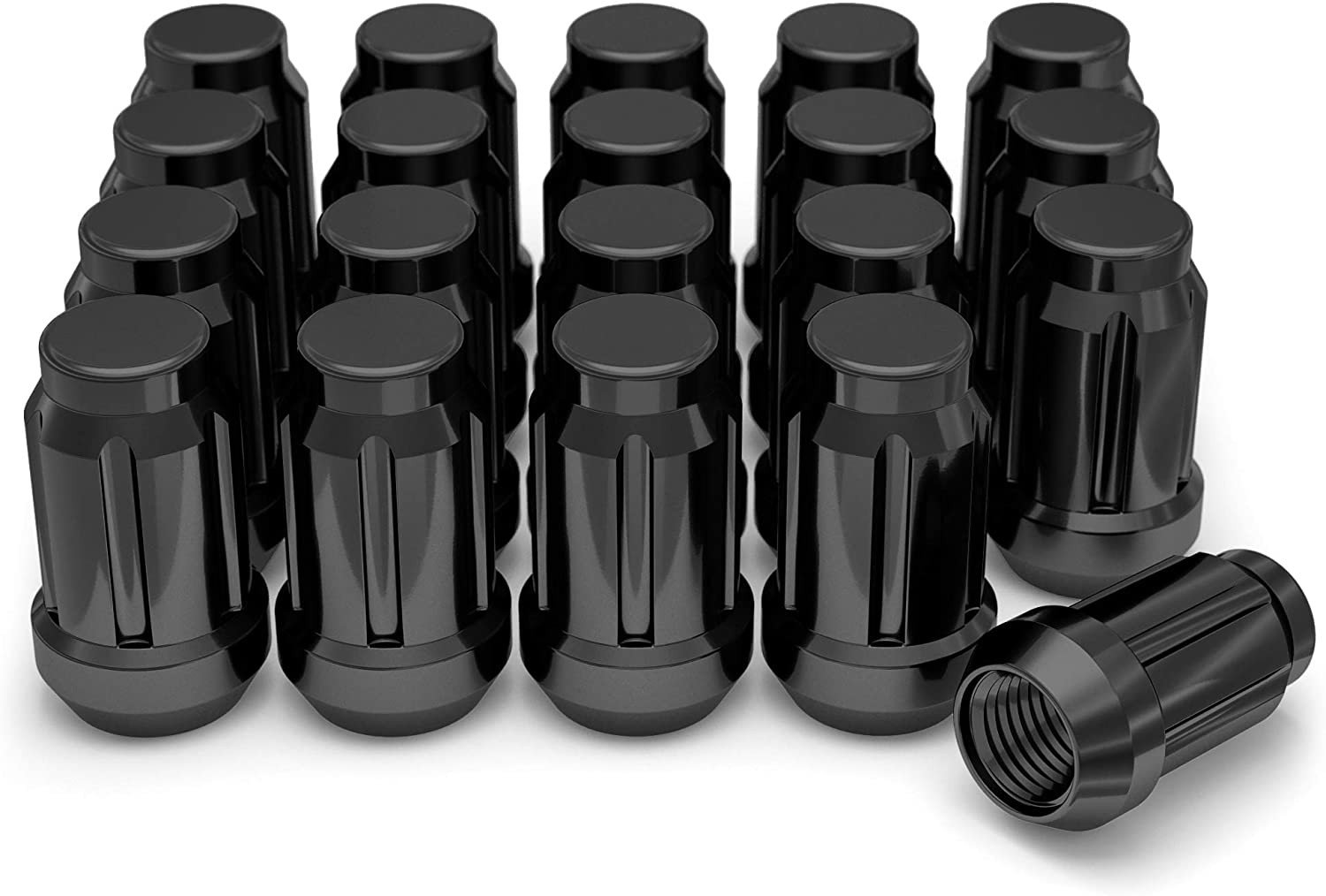
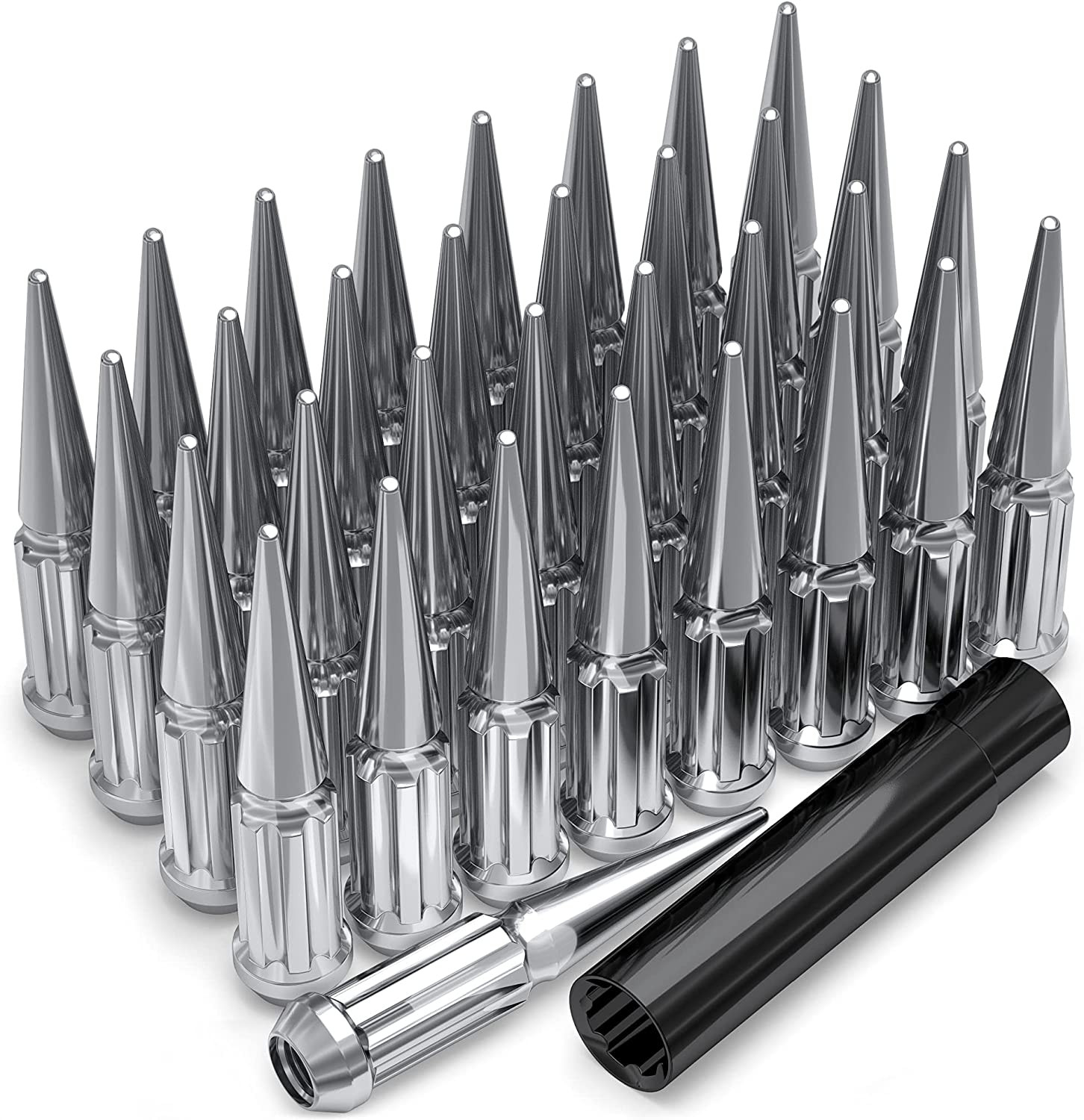
- Lug hardware: Thread is M12 x 1.5. Verify lug seat type on the wheel (typically conical or mag/flat) and use matching nuts or bolts. Do not mix seat types.
- Tire overall diameter and load rating: Match or exceed OEM load index and stay near the stock overall diameter to keep handling and speedometer behavior predictable.
- TPMS: If equipped on your vehicle or replacement wheels, plan sensor transfer, new seals, or compatible bands as needed.
- Test fit: Turn lock-to-lock and compress the suspension to check clearance before mounting tires or finalizing an order.
Plus Sizing And Common Upgrades
Plus sizing increases wheel diameter while choosing a tire with a lower aspect ratio so the overall tire diameter stays close to stock. For example, moving from a 16-inch OEM tire to a 17- or 18-inch wheel can be evaluated by setting the new rim size in Custom wheel size and adjusting section width and aspect ratio in Custom tire size until overall diameter is similar to your stock reference.
Guidelines:
- Keep overall tire diameter close to stock to maintain speedometer accuracy and avoid ABS issues. Many installers aim for a small variance, commonly within a few percent. Use the calculator’s diameter readout to confirm.
- Mind offset: Wider wheels often need a lower offset to maintain inner clearance, but too little offset can cause fender poke or rubbing. Compare inner and outer position changes in the calculator.
- Load rating and tire type: Choose tires that meet or exceed the TrailBlazer’s load requirements. If you go to all-terrain or LT tires, confirm load index, pressure needs, and clearance under compression.
Installation Tips
Prepare the hub faces by cleaning rust and debris so wheels seat flat. If using hub-centric rings, install them fully into the wheel bore. Hand start all lug nuts to avoid cross-threading. Tighten lugs in a star pattern in stages using a calibrated torque wrench, following the torque spec in the owner’s manual or GM service information. Re-torque after 50 to 100 miles of driving. If you experience vibration, check for wheel-to-hub seating, correct lug seat type, proper torque, and tire balance.
Tools And Helpful Supplies
FAQs
What is the bolt pattern on a 2003 Chevrolet TrailBlazer?
It is 6x127 based on the known OEM data above. Always confirm by measuring or referencing GM documentation if parts have been swapped.
My door-jamb shows 245/70R16 but I see a 17x7 wheel listed. Which is correct?
Multiple OEM configurations existed in 2003. Use the door-jamb tire size, inspect your current wheel markings for diameter, width, and offset, and enter those into the calculator to establish your exact baseline.
Will aftermarket wheels with a larger center bore fit?
Yes if the bolt pattern and offset are suitable, and you use hub-centric rings to adapt the wheel bore to the 78.1 mm hub for proper centering and reduced vibration.
How much offset can I change safely?
There is no single safe number because tire width, wheel width, and suspension clearances interact. Use the calculator to see inner and outer position changes and then test fit to verify caliper, strut, and fender clearance.
Do I need new lug nuts?
If your new wheels use a different seat type or require different shank dimensions, you will need matching hardware. The thread is M12 x 1.5, but seat type must match the wheel design.
What tire diameter variance is acceptable?
Keep overall diameter close to stock to maintain speedometer accuracy and electronic system behavior. Many installers aim for a small variance. Use the calculator’s diameter comparison and verify real-world clearance.
Where can I find the correct torque spec?
Check the owner’s manual or GM service information for your exact trim. Use a calibrated torque wrench and re-torque after initial driving.
How do I check for rubbing before buying tires?
Mock up the wheel on the hub without a tire, rotate and steer lock-to-lock to check caliper and suspension clearance, and use the calculator to predict outer fender position. Final check with mounted tires under load and suspension compression.