2022 Chevrolet TrailBlazer Wheel Fitment Guide | wheelinterchange.com
Known OEM Fitment For 2022 Chevrolet TrailBlazer
The specifications below reflect at least one factory configuration for the 2022 TrailBlazer. Other OEM sizes may exist by trim or package. If any value is unknown or varies, confirm it on your driver door jamb tire label, in the owner’s manual, through a Chevrolet dealer with your VIN, or by comparing against your current wheel and tire using the on-page calculator.
| Bolt pattern | 5x115 |
| Center bore | Unknown. Verify on the OEM wheel or with a dealer before buying wheels or hub-centric rings. |
| Thread size | M12 x 1.5 |
| OEM rim diameter | 16 in |
| OEM rim width | 7.0 in |
| OEM wheel offset (ET) | 38 mm |
| Backspacing | 5.0 in |
| OEM tire size | 215/65R16 |
Important: Do not assume all trims share the same center bore, wheel size, or offset. Always confirm what your specific TrailBlazer shipped with from the factory.
How To Use The Wheel Interchange Calculator
The on-page calculator lets you compare “Wheels from (donor vehicle)” against “Installed on (your vehicle)” and test custom wheel and tire sizes. It automatically updates overall tire diameter when you change rim diameter, so you can see real-world effects on clearance and speedometer.
- Set Installed on to 2022 Chevrolet TrailBlazer and enter the known OEM size above if it is not prefilled.
- To compare a potential swap, choose a donor vehicle or enter a Custom wheel size. Adjust rim width and offset to match the wheel you are considering.
- Enter a Custom tire size. The tool will recalc overall tire diameter when you change rim diameter to help you stay close to stock.
- Review the inner clearance to the strut and brake components, the outer “poke” toward the fender, and any change in ride height and speedometer.
- Aim to keep overall tire diameter within roughly plus or minus 3 percent of OEM for best results. Physically test-fit before mounting tires whenever possible.
Fitment Checklist Before You Buy
- Bolt pattern: Must be 5x115. Do not attempt to fit 5x114.3 or other patterns.
- Center bore: Unknown for this listing. The wheel’s center bore must be equal to or larger than the vehicle hub. If larger, use hub-centric rings sized to your hub and wheel. If smaller, the wheel will not seat.
- Offset and backspacing: Compare new wheel ET and backspacing to OEM 38 mm and 5.0 in using the calculator. Ensure inner clearance for strut, spring perch, brake caliper, and splash liners, and outer clearance for fenders at full lock and compression.
- Width: Wider wheels and tires may contact liners or pinch welds. Verify both inner and outer changes in the calculator, then test-fit.
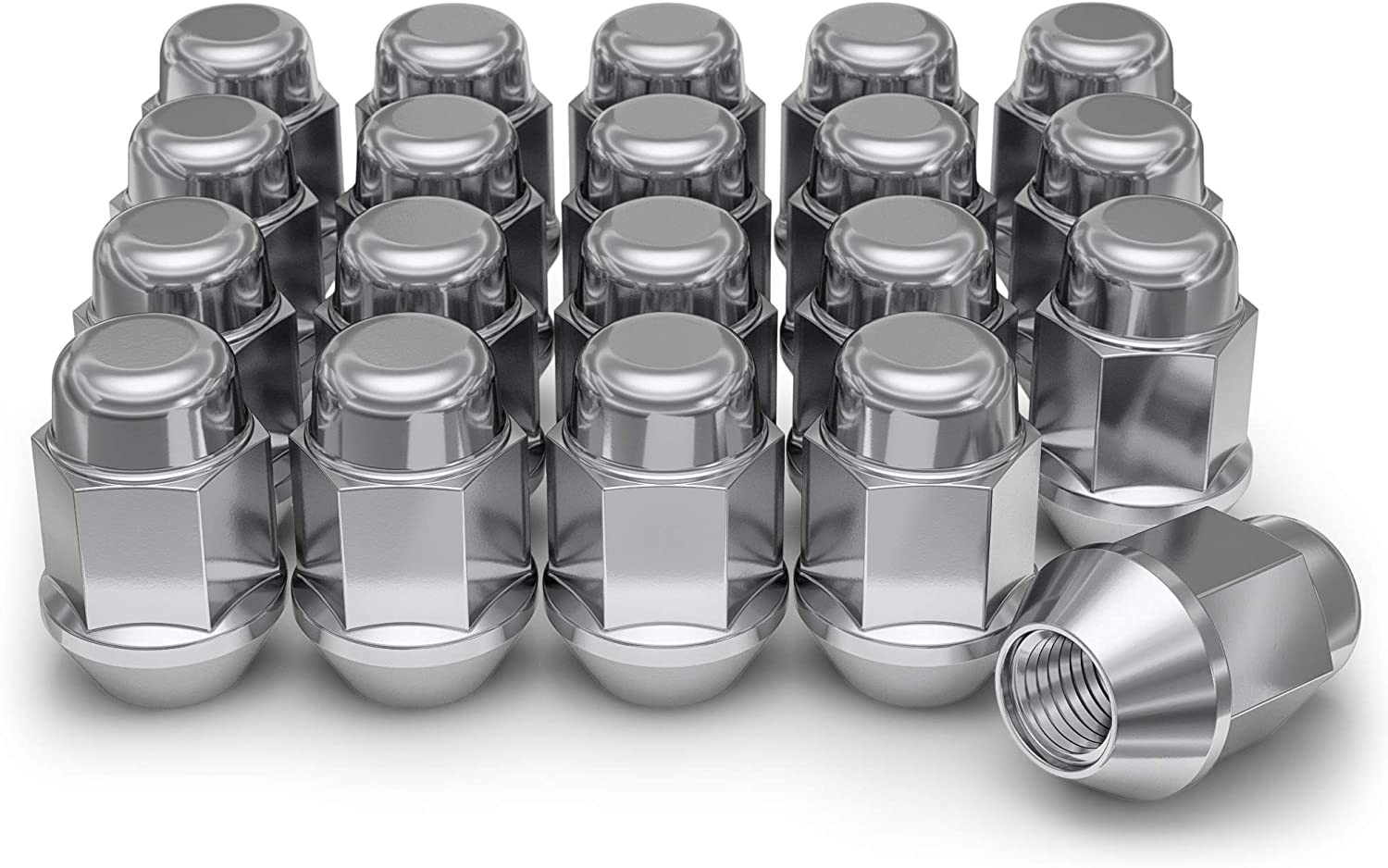
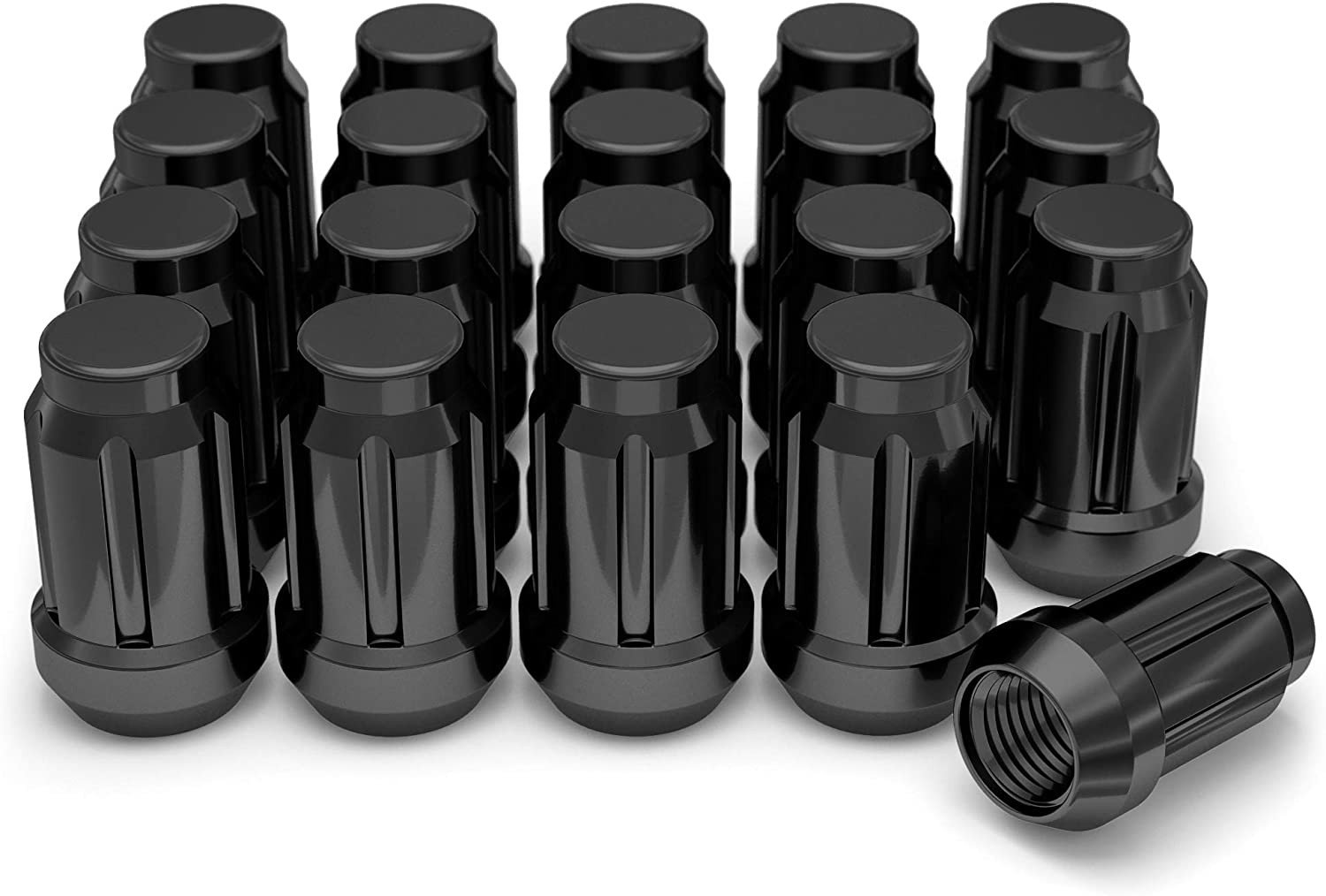
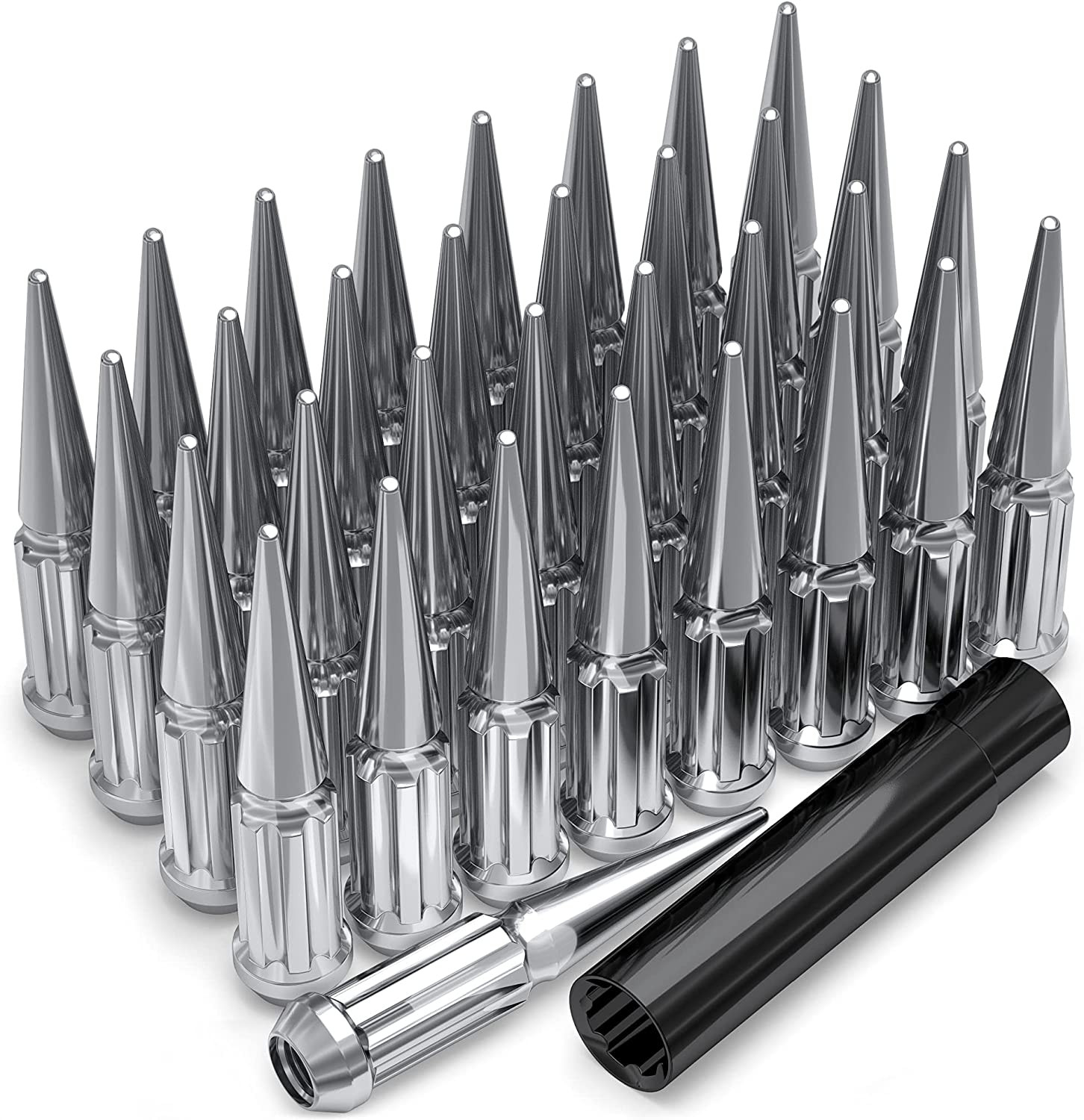
- Lug hardware: Thread is M12x1.5. Match the lug seat type to the wheel design. OEM and many aftermarket wheels use a 60 degree conical seat but you must verify with the wheel manufacturer.
- Load rating: Wheel and tire load indexes must meet or exceed the TrailBlazer’s GAWR and GVWR requirements.
- TPMS: 2022 models use tire pressure sensors. Plan to transfer or program compatible sensors.
- Brakes: Confirm spoke and barrel clearance over calipers and any brake upgrades.
- Speedometer and ABS: Keep overall diameter close to stock to maintain proper calibration.
- Test-fit: Always test-fit a bare wheel on the hub before mounting tires. Spin by hand and turn lock-to-lock to check for interference.
Plus Sizing And Common Upgrades
Plus sizing can enhance appearance and handling, but clearance and overall diameter must remain within safe limits. Because factory sizes can vary by trim, use the calculator to model any change from the listed 16x7 ET38 with 215/65R16.
- Plus-one or plus-two: Increasing rim diameter typically requires a lower-profile tire to keep overall diameter close to stock. Use the calculator to keep the difference within a few percent.
- Width changes: Moving from 7.0 in to a wider wheel can improve grip, but inner clearance to struts and outer fender clearance must be verified in the calculator and by test-fitting.
- Offset tweaks: Small offset changes can re-center the wheel after a width change. Even a small shift can affect scrub radius and bearing load. Verify with the calculator before you buy.
- Chains and winter use: If you plan to run snow chains, consult the owner’s manual for chain restrictions and ensure adequate inner clearance with any new size.
Example for learning only, not a recommendation: Compare your OEM entry to a hypothetical 17 inch wheel and tire in the calculator. Adjust tire aspect ratio until overall diameter closely matches OEM, then check inner and outer clearance. Confirm fit by test-fitting and road testing for rub at full lock and over bumps.
Installation Tips
- Test-fit the bare wheel on a clean hub. Remove rust scale from the hub face so the wheel seats flat.
- If using hub-centric rings, ensure they are fully seated in the wheel and that the wheel centers snugly on the hub.
- Match lug nut seat type to the wheel. Hand start all lugs to avoid cross-threading.
- Tighten in a star pattern. Final torque to the factory specification from your owner’s manual. Re-torque after 50 to 100 miles.
- After installation, turn the steering wheel lock-to-lock and drive over a few bumps to confirm no rubbing.
Tools And Helpful Supplies
FAQs
What is the 2022 TrailBlazer bolt pattern?
5x115.
What is the center bore size?
It is not provided here. Verify by checking an OEM wheel marking, measuring the hub with calipers, or asking a Chevrolet parts department with your VIN. You need this to select hub-centric rings or to confirm that an aftermarket wheel will seat correctly.
Can I use 5x114.3 wheels on a 5x115 vehicle?
No. Mixing bolt patterns is unsafe. Do not rely on wobble hardware or forcing lugs to seat. Use wheels manufactured for 5x115.
What lug nuts should I use?
The stud thread is M12x1.5. The lug seat type must match the wheel design. Many wheels use a 60 degree conical seat, but verify with the wheel manufacturer or your current OEM lugs before purchase.
What is the stock wheel size for this listing?
16x7.0 with ET 38 mm and approximately 5.0 in backspacing, paired with 215/65R16 tires. Other factory sizes may exist by trim, so confirm yours on the door jamb label or with a dealer.
How close should overall tire diameter be to stock?
Keeping within roughly plus or minus 3 percent helps maintain speedometer accuracy and reduces the risk of clearance issues. Use the calculator to compare sizes.
Do I need hub-centric rings?
If your aftermarket wheel’s center bore is larger than the vehicle hub, yes. Choose rings that match your wheel bore to your measured hub bore. If the wheel bore is smaller than the hub, the wheel will not fit.
Will spacers work?
Spacers change effective offset and require careful selection. If used, choose high-quality hub-centric spacers with proper hub engagement and ensure sufficient stud or bolt thread engagement. Spacers can affect bearing loads. Verify clearances with the calculator and test-fit.
What torque should I use on the lug nuts?
Consult the owner’s manual or an OEM service source for the correct torque spec for your exact trim. Re-torque after 50 to 100 miles.
How do I check brake and caliper clearance?
Use the calculator to estimate inner clearance, then test-fit a bare wheel and rotate by hand. Confirm spoke and barrel clearance over the caliper and brake hoses at full steering lock.