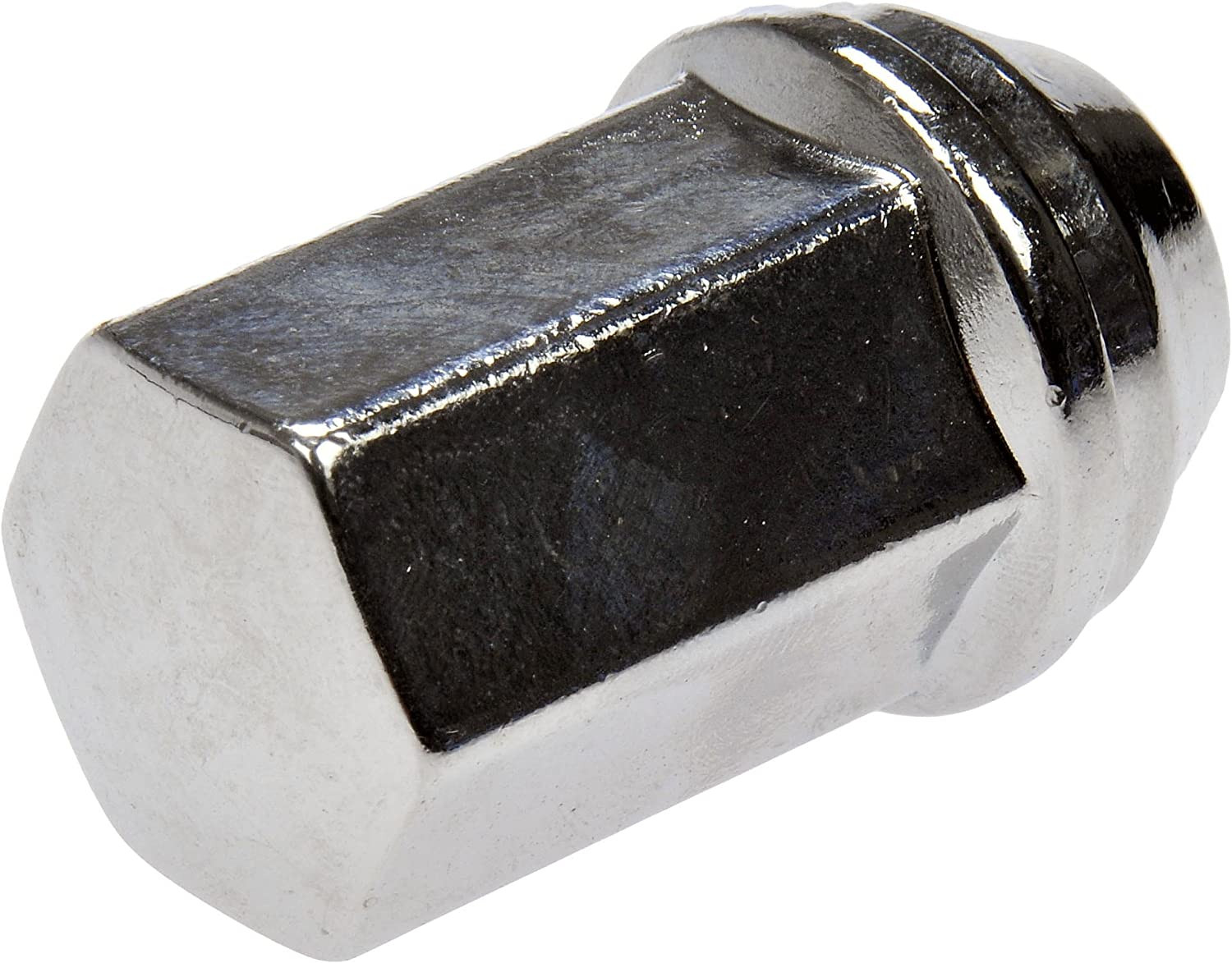
Dorman 611-236 Wheel Lug Nut M14-1.50
M14 x 1.5 · Thread match only; seat style is not verified
View on Amazon →Recorded OEM specifications for the 2011 Dodge Ram 3500, donor years with overlapping ranges, and a calculator to compare a selected wheel. Range overlap is not a guaranteed fit.
Baseline mounting dimensions used for interchange decisions.
Thread-only product links are shopping examples, not verified fits. Seat style is not confirmed here. As an Amazon Associate we earn from qualifying purchases.
These are vehicle-year records whose recorded OEM ranges overlap this 2011 Dodge Ram 3500. Overlap is not a guarantee that a specific wheel will install. Selected-wheel comparison is in the calculator below.
Evaluated 0 donor years. Listed 0 eligible overlaps (not all evaluated years are compatible). Showing all listed.
No overlapping donor years were found in the current dataset. Use the calculator to check a specific donor or wheel.
Only years with evidence-based interchange relationships are listed. Adjacent years are not assumed compatible.
No same-model compatible years were found in the current dataset for the 2011 Dodge Ram 3500.
Compare a donor vehicle or custom wheel against this 2011 Dodge Ram 3500. Use Compare in calculator on a donor row above to fill the donor side of this same calculator.
Compare wheel compatibility between two vehicles
2011 Dodge Ram 3500





Example products matched to recorded thread, hub, or spacer dimensions. They are not verified fits. Confirm seat style, thickness, and clearance before ordering.
M14 x 1.5
M14 x 1.5 · Thread match only; seat style is not verified
View on Amazon →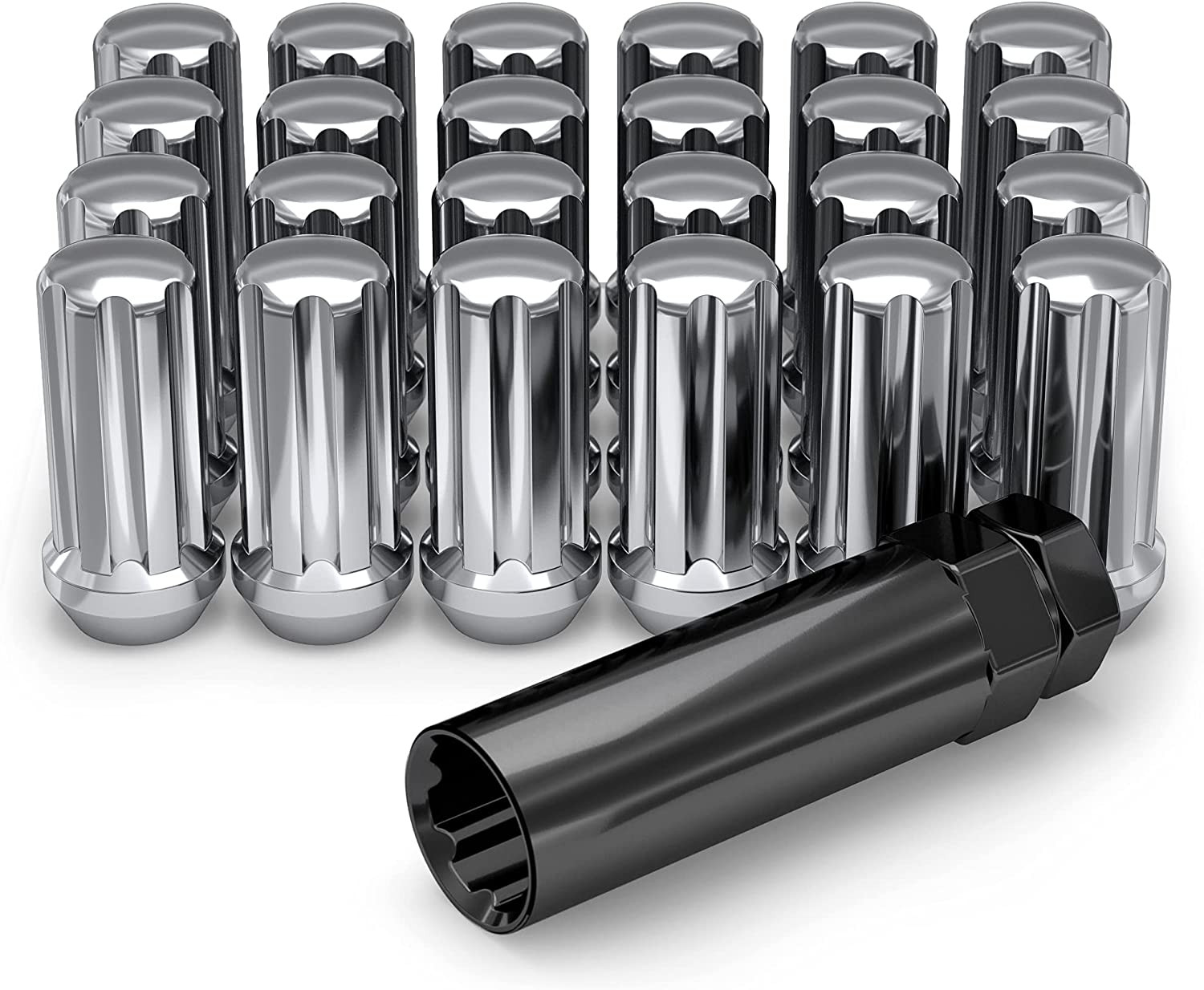
M14 x 1.5 · Thread match only; seat style is not verified
View on Amazon →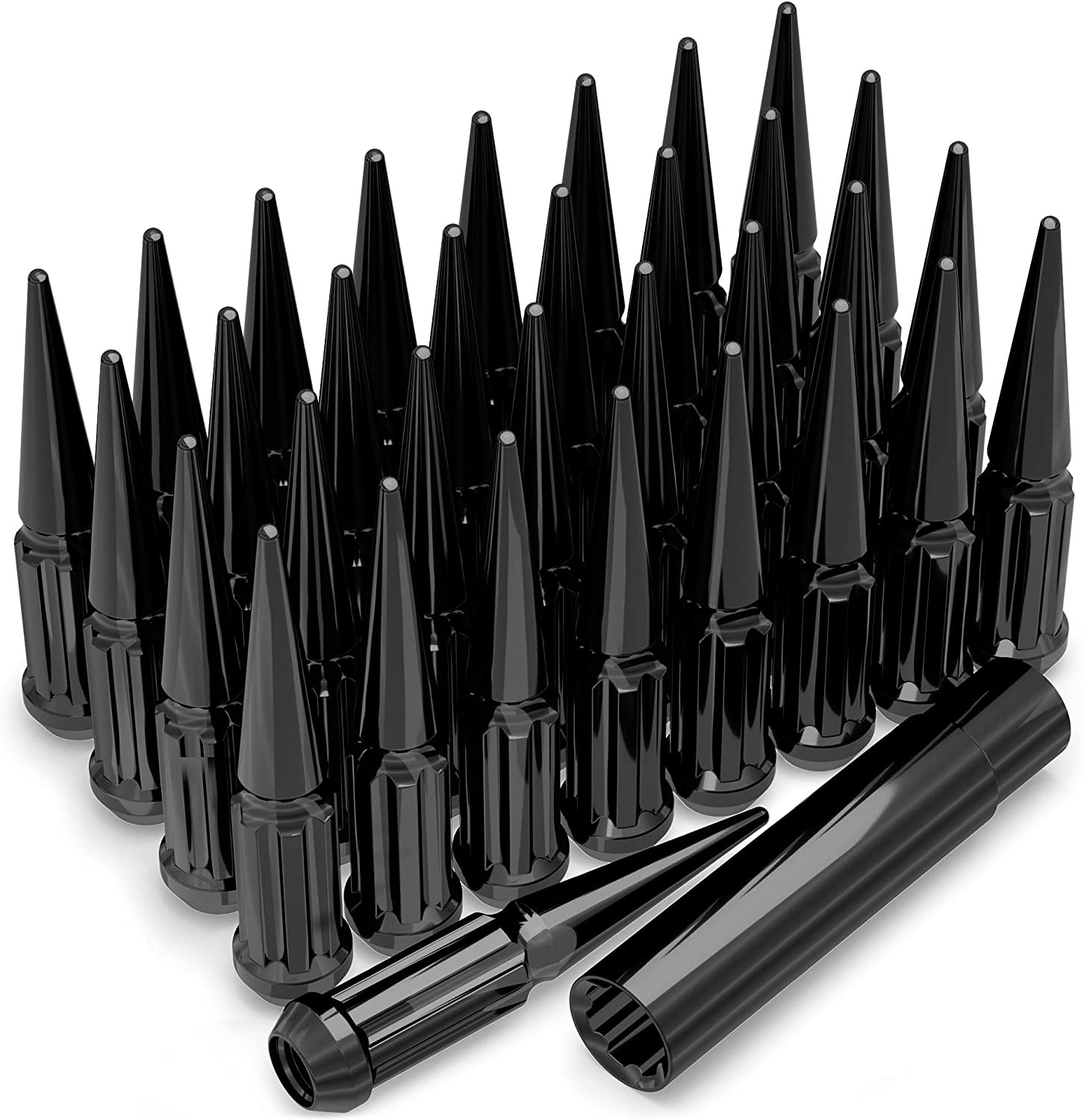
M14 x 1.5 · Thread match only; seat style is not verified
View on Amazon →As an Amazon Associate we earn from qualifying purchases. Product availability and pricing may change.
Use the details below as a starting point. Some specifications vary by trim, axle setup, and whether the truck is single rear wheel or dually. If a value is unknown, verify it on your door jamb tire placard, in the owner manual, or through OEM parts catalogs before buying wheels or tires.
| Bolt pattern (studs x PCD) | 8x165.1 mm (also written 8x6.5 in) |
| Center bore | 130.8 mm |
| Thread size | M14 x 1.5 |
| Rim diameter | Unknown. Varies by trim. Confirm on door placard or OEM sources. |
| Rim width | Unknown. Varies by trim. Confirm on door placard or OEM sources. |
| Wheel offset (ET) | Unknown. Varies by trim and SRW vs DRW. Measure your current wheels or confirm via OEM part numbers. |
| Backspacing | Unknown. Depends on width and offset. Measure your current wheels for accuracy. |
| Tire size | Unknown. Varies by trim. Read the tire placard on the driver door or owner manual. |
Important: Dually wheels and single rear wheel setups use different wheel profiles and hardware. Do not mix SRW and DRW wheels without a complete and properly engineered conversion.
The calculator on this page lets you compare a donor wheel and tire setup to your 2011 Ram 3500 and visualize changes in inner clearance, outer poke, and overall tire diameter.
Always verify non-calculated constraints manually: the bolt pattern must be 8x165.1, the center bore must be 130.8 mm or the wheel bore must be larger with proper hub-centric rings, and the wheel must accept M14x1.5 hardware with the correct seat type for your wheels.
Because exact OEM rim and tire sizes vary by trim for the 2011 Ram 3500, confirm your starting size from the door placard before planning a plus-size change. Then use the calculator to keep overall tire diameter changes modest, typically within about 3 percent, to preserve speedometer accuracy, ABS calibration, and towing performance.
Is 8x165.1 the same as 8x6.5?
Yes. 165.1 mm equals 6.5 inches, so 8x165.1 and 8x6.5 describe the same bolt pattern.
Do 2011 Ram 3500 dually and single rear wheel wheels interchange?
No. DRW and SRW use different offsets and wheel designs. Use wheels built for your specific SRW or DRW setup.
What center bore do I need?
130.8 mm for the 2011 Ram 3500. A smaller bore will not fit. A larger wheel bore can be used with proper hub-centric rings to center the wheel on the 130.8 mm hub.
Can I run 8x170 or 8x180 wheels on this truck?
No. Those patterns are different and will not mount correctly on 8x165.1 hubs.
What offset works on a 2011 Ram 3500?
Offset varies by trim and by SRW vs DRW. Measure your current wheels or reference OEM part numbers, then use the calculator to compare inner clearance and poke before choosing an aftermarket offset.
What tire size is stock for this year?
It varies by trim and package. Read the tire placard on the driver door or the owner manual, then enter that size into the calculator to model changes.
What is the correct lug nut torque?
Refer to the owner manual or a service manual for the exact torque for your trim and wheels. Torque values can vary and should not be guessed. Re-torque after the first 50 to 100 miles.
Wheel interchange depends on more than bolt pattern. Where data is available, this site compares recorded OEM values:
A normal wheel spacer does not change bolt pattern. Hub rings cannot enlarge a wheel bore that is smaller than the hub. Brake clearance and tire package fitment still require vehicle-specific checks when not confirmed in the dataset.
