- Bolt pattern5x108 · Same recorded PCD
- Center bore63.3 mm · same recorded hub figure
- Wheel geometryNot fully recorded
Wheel width/offset data is incomplete.
Recorded OEM specifications for the 2013 Ford Focus ST, donor years with overlapping ranges, and a calculator to compare a selected wheel. Range overlap is not a guaranteed fit.
Baseline mounting dimensions used for interchange decisions.
Thread-only product links are shopping examples, not verified fits. Seat style is not confirmed here. As an Amazon Associate we earn from qualifying purchases.
These are vehicle-year records whose recorded OEM ranges overlap this 2013 Ford Focus ST. Overlap is not a guarantee that a specific wheel will install. Selected-wheel comparison is in the calculator below.
Evaluated 5 donor years. Listed 5 eligible overlaps (not all evaluated years are compatible). Showing all listed.
Years grouped because recorded compatibility evidence is equivalent. Each year keeps its own page.
Dataset suggestionHub-centric rings ≈ 63.4 → 63.3 mm – not a verified installation requirement.
Wheel width/offset data is incomplete. Hub ring 63.4 → 63.3 mm may apply if mounting dimensions are otherwise compatible.
Only years with evidence-based interchange relationships are listed. Adjacent years are not assumed compatible.
Compare a donor vehicle or custom wheel against this 2013 Ford Focus ST. Use Compare in calculator on a donor row above to fill the donor side of this same calculator.
Compare wheel compatibility between two vehicles
2013 Ford Focus ST





Example products matched to recorded thread, hub, or spacer dimensions. They are not verified fits. Confirm seat style, thickness, and clearance before ordering.
M12 x 1.5
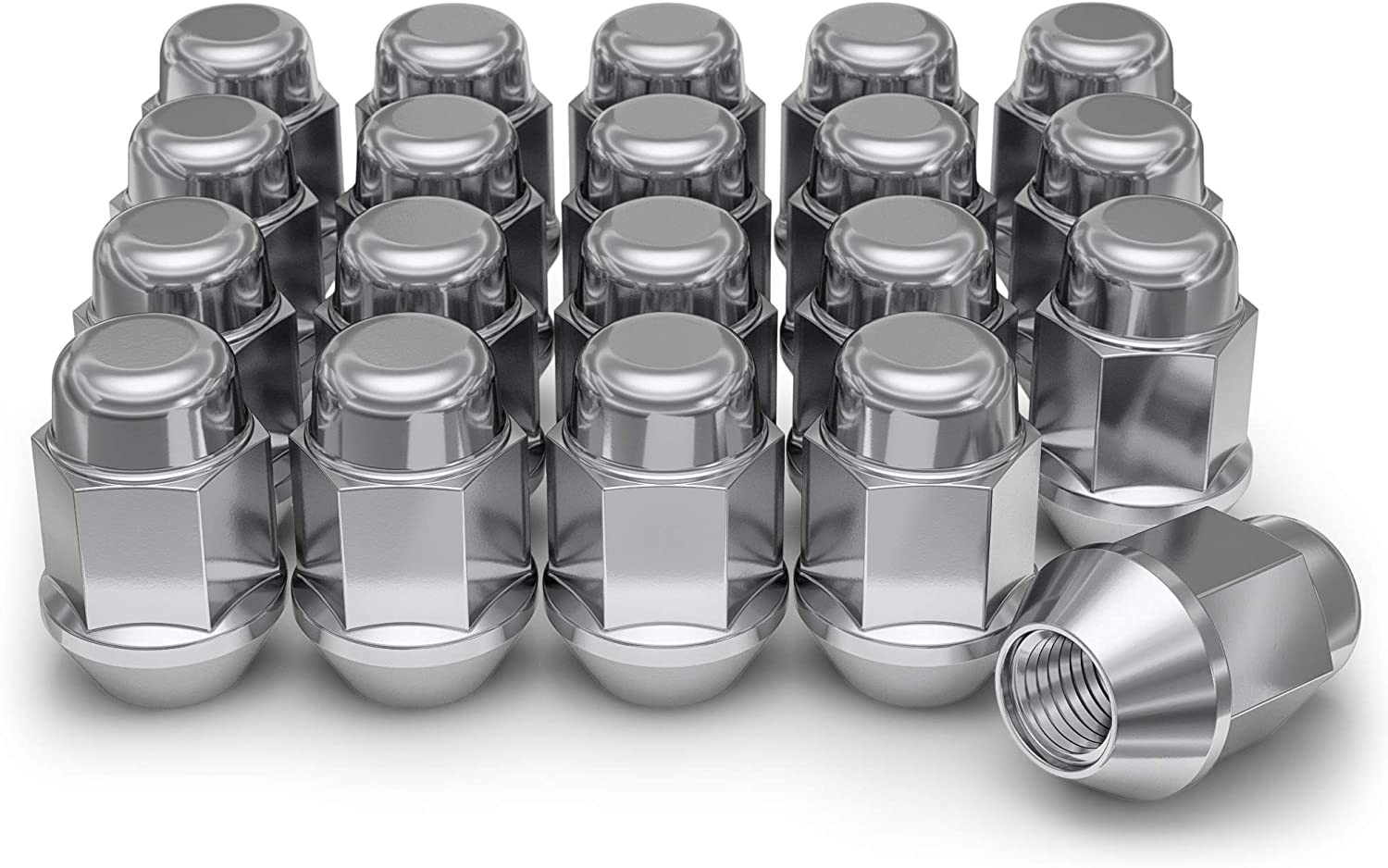
M12 x 1.5 · Thread match only; seat style is not verified
View on Amazon →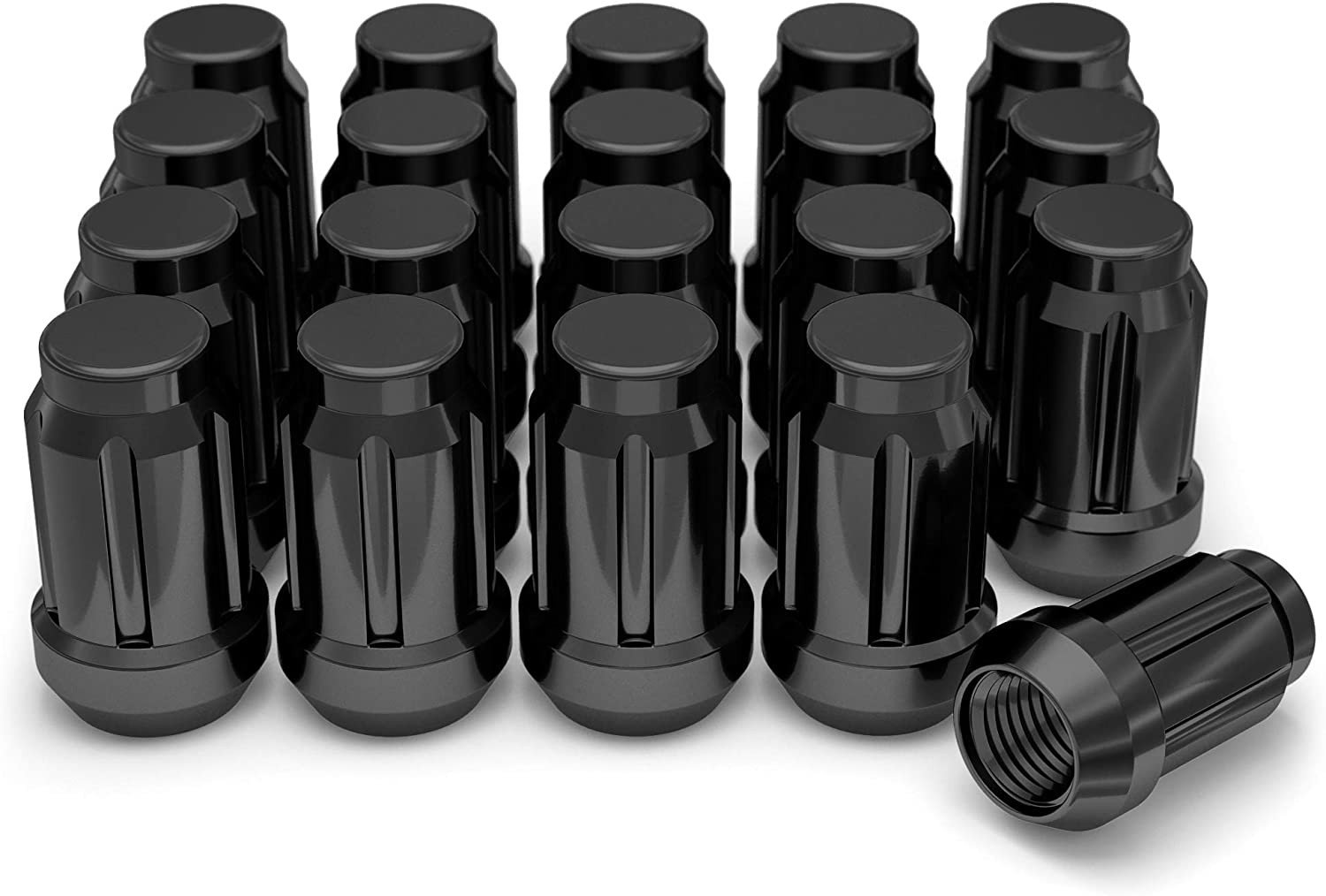
M12 x 1.5 · Thread match only; seat style is not verified
View on Amazon →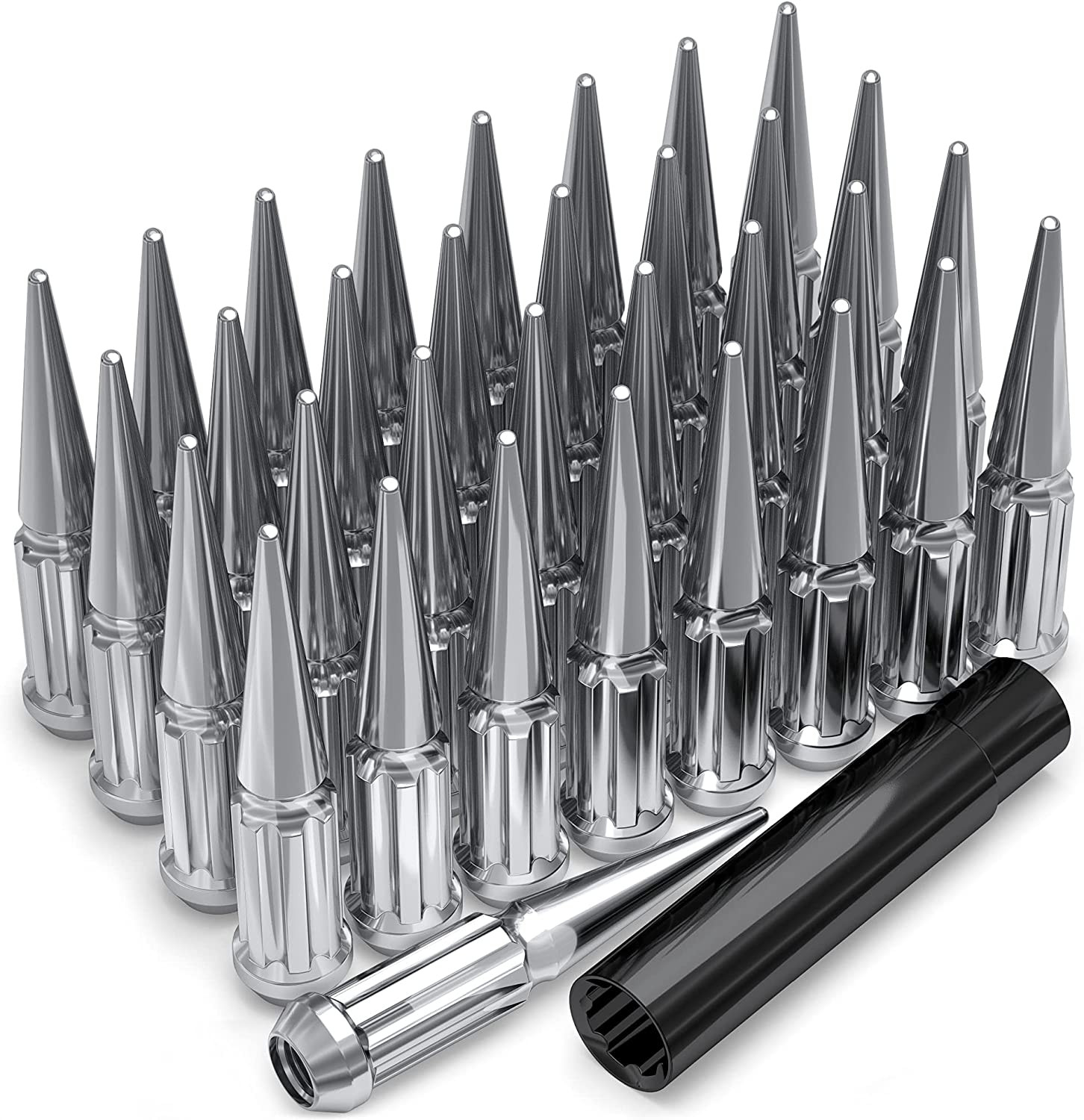
M12 x 1.5 · Thread match only; seat style is not verified
View on Amazon →As an Amazon Associate we earn from qualifying purchases. Product availability and pricing may change.
This guide covers the verified wheel-fitment information currently available for the 2013 Ford Focus ST. Because original-equipment specifications can vary by wheel package, market, or trim detail, unknown dimensions are identified rather than estimated. Confirm final fitment with the vehicle owner’s manual, the wheel or tire manufacturer, and a physical test fit when appropriate.
| Specification | Known value |
|---|---|
| Bolt pattern | 5x10⁸ |
| Center bore | 63.3 mm |
| Thread size | M12 x 1.5 |
| Rim diameter | Unknown from the supplied data. Confirm on the original wheel, tire sidewall, door-jamb label, owner’s manual, or a Ford parts source. |
| Rim width | Unknown from the supplied data. Confirm the wheel stamp or an OEM parts listing. |
| Wheel offset, ET | Unknown from the supplied data. Confirm the wheel stamp, Ford documentation, or the wheel manufacturer. |
| Backspacing | Unknown. It can be measured or calculated only after the wheel width and offset are known. |
| Tire section width | Unknown from the supplied data. Read the tire sidewall or vehicle information label. |
| Tire aspect ratio | Unknown from the supplied data. Read the tire sidewall or vehicle information label. |
| Tire rim diameter | Unknown from the supplied data. Read the final number in the tire size, such as the R value on the sidewall. |
The 5x10⁸ bolt pattern means five wheel fastener positions on a 108 mm pitch circle. The 63.3 mm center bore identifies the hub interface used for this fitment information. A replacement wheel must also have a suitable load rating, brake clearance, fastener seat, and offset. Bolt pattern alone does not confirm a safe installation.
Use the calculator to compare “Wheels from” a donor vehicle with “Installed on” your 2013 Ford Focus ST. Enter the donor wheel and tire information as accurately as possible, then review the dimensional difference before purchasing anything.
When the original specification is unavailable, use the calculator’s custom wheel size fields for rim diameter, rim width, and offset. Use the custom tire size fields for section width and aspect ratio. Do not enter an assumed value simply to complete the comparison. Verify the value from the tire sidewall, wheel markings, an OEM source, or the manufacturer’s technical documentation.
Changing rim diameter updates the calculated tire diameter in the comparison. Review the resulting diameter, width, sidewall, and clearance changes together. A calculator is a screening tool, not a substitute for checking brake clearance, suspension clearance, fender clearance, steering travel, load rating, and fastener engagement on the actual vehicle.
Confirm the wheel uses the 5x10⁸ bolt pattern and is designed for a 63.3 mm hub. A center bore smaller than the vehicle hub will not fit. A larger wheel center bore may require properly sized hub-centric rings where appropriate, but rings do not correct an incorrect bolt pattern or offset.
Verify the wheel width, diameter, and ET offset from a reliable source. Offset changes the wheel’s position relative to suspension components and the fender. Check inner clearance to the strut, spring, brake caliper, and steering components, as well as outer clearance to the fender and bodywork.
Confirm that the wheel’s load rating meets or exceeds the vehicle and axle requirements. Match the wheel’s fastener seat to the correct lug hardware. The M12 x 1.5 thread size does not by itself identify the correct lug-nut seat, style, or required shank length.
Check tire size, load index, speed rating, rim-width range, and overall diameter. After installation, confirm that the tire does not rub at full steering lock, full suspension compression, or when the vehicle is loaded. Do not rely on visual clearance while the vehicle is stationary at normal ride height.
Plus sizing generally changes wheel diameter while selecting a lower-profile tire to keep the overall tire diameter near the original specification. The correct target cannot be stated here because the original rim and tire dimensions were not provided. Use the calculator after confirming the factory tire size, then compare overall diameter, section width, sidewall height, and rim-width compatibility.
A larger wheel may improve appearance or allow a different tire selection, but it can reduce sidewall protection and increase the risk of wheel or tire damage from potholes. A wider tire can also change steering effort, road noise, wet-weather behavior, and clearance. Any upgrade should retain suitable load and speed ratings and remain within the tire manufacturer’s approved rim-width range.
Do not select a wheel solely because it is listed for another vehicle. The donor vehicle’s bolt pattern, center bore, offset, brake clearance, load rating, and lug hardware must all be checked against the Focus ST. Use OEM documentation and the calculator to narrow the options, then verify the physical fit.
Before mounting, clean the hub face and wheel mounting surface. Remove rust, dirt, paint buildup, or debris that could prevent the wheel from sitting flat. Never use stacked spacers, incorrect adapters, or damaged fasteners as a shortcut for an uncertain fitment.
Install the correct lug hardware by hand first to prevent cross-threading. Tighten in a star or crisscross sequence, lower the vehicle enough to keep the wheel from rotating, and use the vehicle or wheel manufacturer’s specified torque. Do not invent a torque value when the applicable specification is unknown.
After installation, check for contact between the wheel, tire, brake components, suspension, and bodywork. Verify that the wheel rotates freely and that steering can move through its full range. Recheck lug torque after the manufacturer’s recommended distance or procedure, and inspect for rubbing or vibration during a cautious road test.
Useful equipment includes a calibrated torque wrench, a suitable socket set, a jack and jack stands or an approved vehicle lift, wheel chocks, a tire-pressure gauge, and a tread or clearance inspection tool. Choose lifting points and support equipment specified for the vehicle, and never work beneath a vehicle supported only by a jack.
Shop automotive torque wrenches on Amazon and shop digital tire-pressure gauges on Amazon. Confirm that any tool or accessory is appropriate for the wheel hardware and vehicle service procedure.
The supplied OEM fitment data lists a 5x10⁸ bolt pattern. Confirm the replacement wheel is explicitly designed for this pattern.
The supplied data lists a 63.3 mm center bore. A replacement wheel must clear the vehicle hub. If the wheel bore is larger, correctly sized hub-centric rings may be appropriate, but they do not fix an incorrect bolt pattern or offset.
The supplied fitment data lists M12 x 1.5 threads. You must still verify the correct lug-nut seat, length, material, and tightening specification for the selected wheel.
Those values are unknown from the supplied data and should not be guessed. Check the wheel’s stamped markings, the tire sidewall, the vehicle information label, the owner’s manual, or a Ford parts source. You can enter the verified values in the calculator’s custom wheel-size fields.
The offset is unknown from the supplied data. Look for an ET marking on the wheel or confirm it through an OEM or wheel-manufacturer source. Offset is important because it affects inner suspension clearance and outer fender position.
Not automatically. The donor wheel must also have suitable center-bore compatibility, offset, width, diameter, brake clearance, load rating, fastener compatibility, and tire clearance. Compare the donor wheel in the calculator, then perform the required physical and safety checks.
A larger wheel may be possible, but no specific upgrade size is confirmed here. Use a properly matched lower-profile tire, compare the calculated overall diameter, confirm the tire’s approved rim-width range, and check all clearances at full steering and suspension travel.
No. The calculator compares the dimensions entered by the user. It cannot fully verify brake-caliper clearance, wheel-spoke clearance, lug-seat compatibility, load rating, tire rubbing under compression, or the condition of a used wheel. Confirm the results with OEM and manufacturer information and, when necessary, a professional test fit.
Wheel interchange depends on more than bolt pattern. Where data is available, this site compares recorded OEM values:
A normal wheel spacer does not change bolt pattern. Hub rings cannot enlarge a wheel bore that is smaller than the hub. Brake clearance and tire package fitment still require vehicle-specific checks when not confirmed in the dataset.
