2006 Ford GT Wheel Interchange and Fitment Guide
Use this page to compare donor wheels with the known OEM fitment for the 2006 Ford GT. The specifications below are the available reference data and may not cover every trim, production change, or replacement wheel. Always confirm measurements against the vehicle, the wheel markings, and Ford service information before purchase or installation.
Known OEM Fitment For 2006 Ford GT
The following OEM fitment values are provided for the 2006 Ford GT:
| Specification |
Known value |
| Bolt pattern |
5x114.1 |
| Center bore |
70.5 mm |
| Thread size |
M12 x 1.75 |
| Rim diameter |
18 inches |
| Rim width |
9.0 inches |
| Wheel offset |
ET50, or 50 mm |
| Backspacing |
6.47 inches |
| Tire section width |
235 mm |
| Tire aspect ratio |
45 percent |
| Tire rim diameter |
18 inches |
This is a reference specification, not a substitute for checking the vehicle. Confirm the correct wheel and tire information through the owner’s manual, the vehicle placard, Ford service documentation, or a Ford parts department using the vehicle identification number. Do not assume that another Ford model or trim will fit solely because it has a similar bolt pattern.
How To Use The Wheel Interchange Calculator
Start with the calculator’s “Wheels from” field and enter the donor vehicle or donor wheel information. Then use “Installed on” for the 2006 Ford GT. The comparison is most useful when the donor wheel’s diameter, width, offset, bolt pattern, and center bore are known rather than estimated from a listing.
Use the custom wheel size controls to test a proposed rim diameter, rim width, and offset. Use the custom tire size controls to enter the tire section width and aspect ratio. When rim diameter changes, the calculator updates the tire diameter in the comparison, helping you evaluate the overall size rather than looking only at the wheel diameter.
Review the calculator’s diameter, width, and offset differences before buying. A numerical comparison does not confirm brake clearance, suspension clearance, fender clearance, load capacity, or legality. Those items still require measurement and confirmation from wheel and tire manufacturers.
Fitment Checklist Before You Buy
Match the donor wheel’s bolt pattern to 5x114.1 and verify that the wheel is designed for the vehicle’s M12 x 1.75 fasteners. Check the center bore against 70.5 mm. A wheel with a smaller center bore will not seat over the hub. A larger bore may require correctly sized hub-centric rings if the wheel manufacturer permits their use, but rings do not correct an incorrect bolt pattern or offset.
Compare the donor wheel’s width and offset with the 18x9.0, ET50 reference. Measure the inner barrel and spokes for brake and suspension clearance, and measure the outer lip for fender and liner clearance. Confirm that the wheel’s load rating meets or exceeds the vehicle and axle requirements. Also verify tire load index, speed rating, approved rim-width range, and overall diameter.
Ask the seller for clear photos of the wheel markings, including diameter, width, offset, part number, and load rating. Inspect used wheels for cracks, bends, weld repairs, corrosion around the bead seat, and damaged lug holes. Do not rely on a seller’s “fits” statement without checking the actual specifications.
Plus Sizing And Common Upgrades
Plus sizing generally means using a larger wheel diameter with a lower-profile tire while keeping the overall tire diameter near the reference size. The calculator can compare custom wheel and tire combinations, but the available OEM data does not establish a universally approved plus-size package for this vehicle.
Changing wheel width or offset changes the wheel’s position relative to the hub, suspension, and fender. A lower offset usually moves a wheel farther outward, while a higher offset usually moves it inward, but the final result depends on the complete wheel dimensions and tire shape. Check clearance at full steering lock and through suspension travel.
Do not select a tire only by matching its section width. Verify the tire’s approved rim-width range, load index, speed rating, overall diameter, and manufacturer clearance guidance. Any upgrade should also preserve safe tire-to-wheel mounting and adequate clearance from brake components, suspension parts, bodywork, and nearby wiring.
Installation Tips
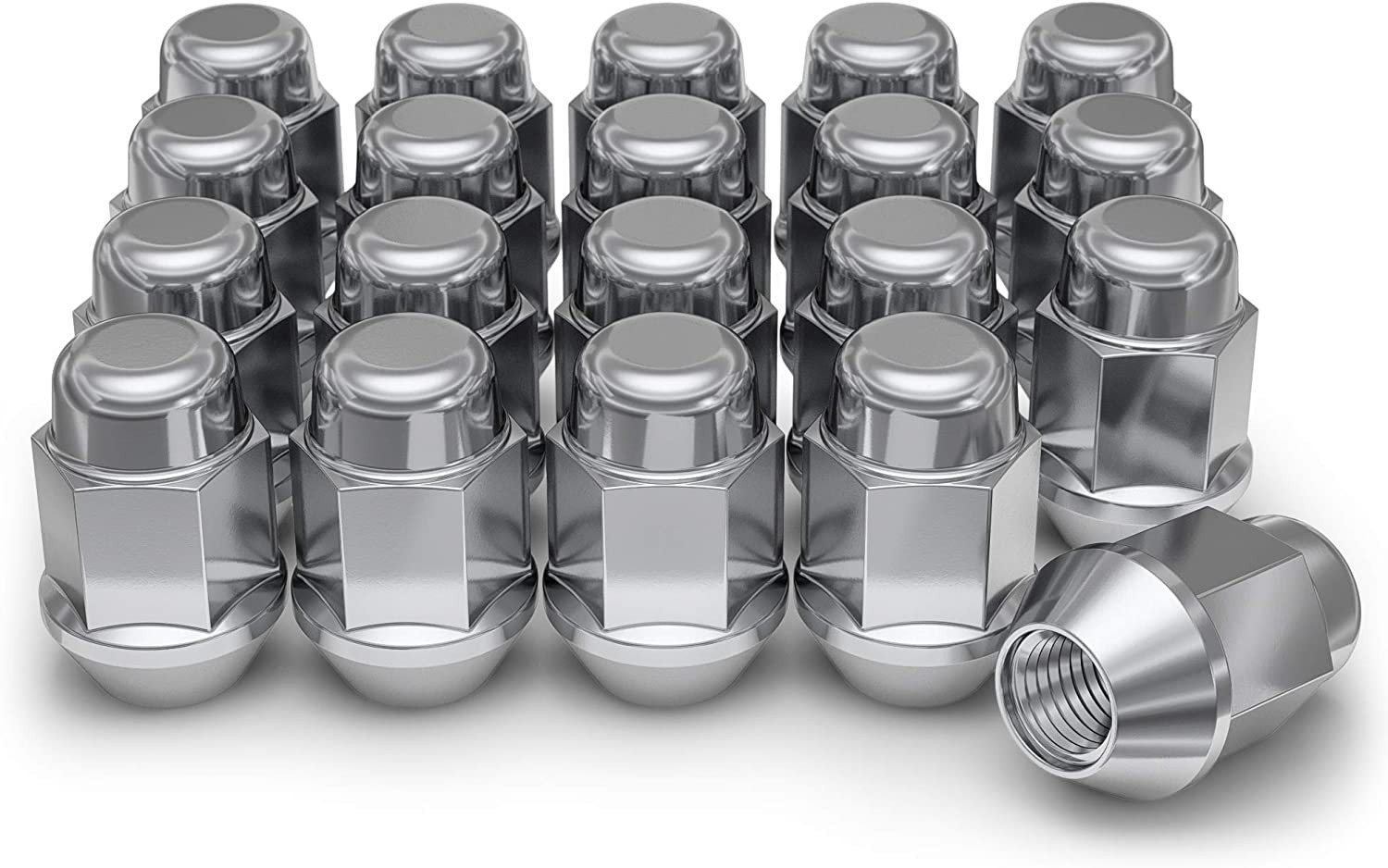
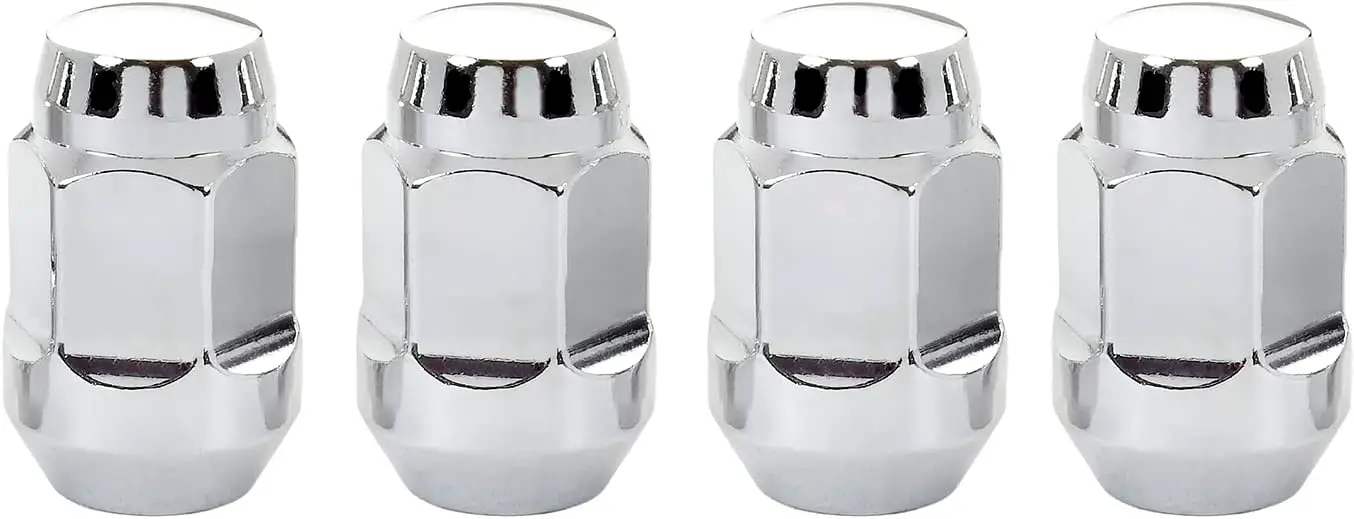
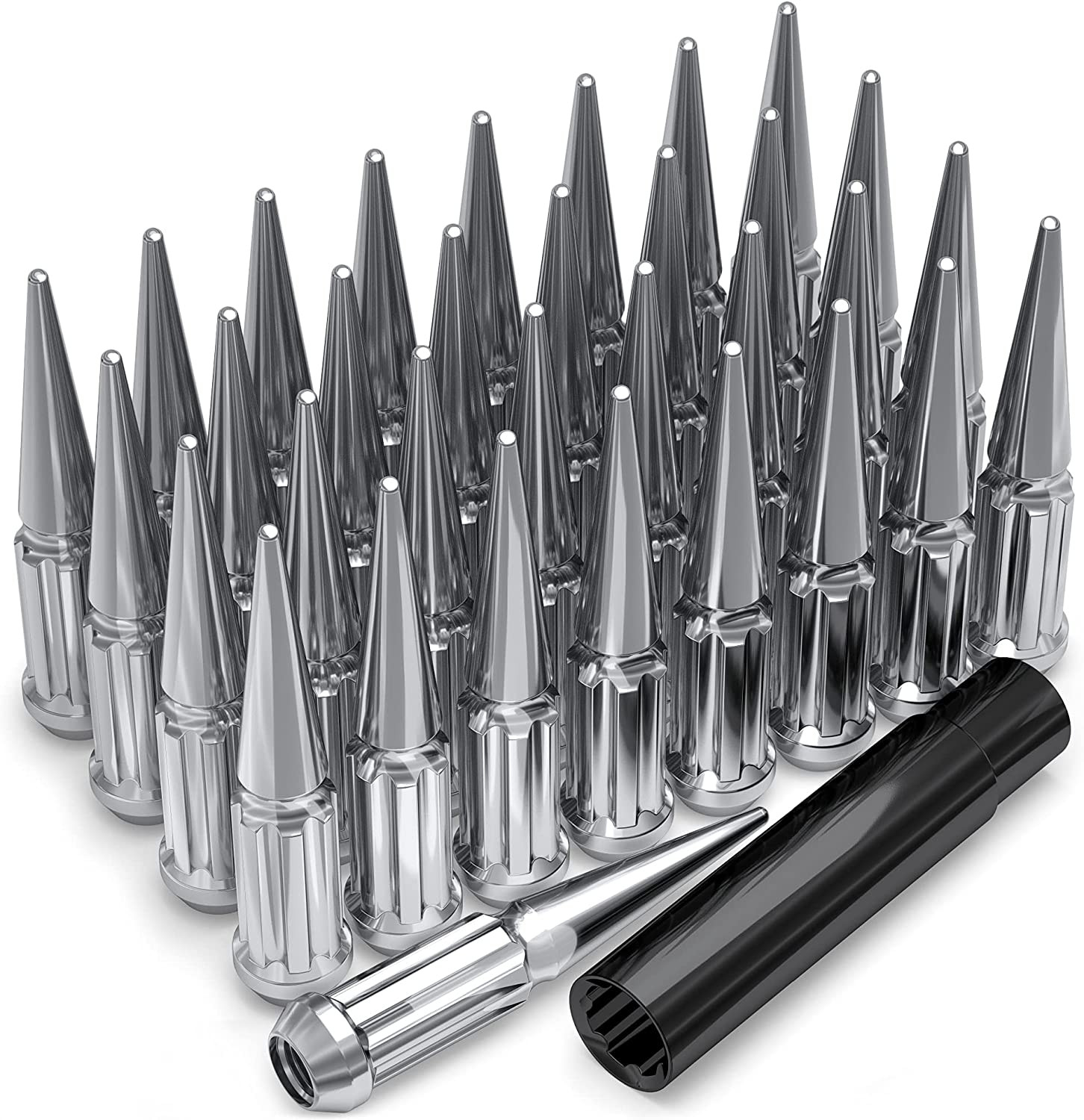
Before mounting, clean the hub face and wheel mounting surface. Remove rust, paint buildup, and debris that could prevent the wheel from sitting flat. Never use spacers, adapters, or modified lug hardware unless the components are specifically engineered for the application and their manufacturer provides the required specifications.
Install the wheel by hand and ensure the fasteners engage smoothly. Do not force a mismatched thread or use impact tools to start fasteners. Tighten in a star pattern and use the vehicle or wheel manufacturer’s specified torque. The exact torque value is not provided here, so obtain it from Ford service information or the wheel manufacturer.
After installation, check for clearance with the steering turned from lock to lock and, where practical, through suspension movement. Recheck fastener torque after the first drive and again according to the vehicle or wheel manufacturer’s instructions. Stop driving if you notice vibration, rubbing, loss of pressure, or unusual handling.
Tools And Helpful Supplies
A quality torque wrench, correctly sized socket, jack, jack stands, wheel chocks, tire pressure gauge, and a tread or clearance measuring tool are useful for a careful installation. Use jack stands on a suitable support point and never work under a vehicle supported only by a jack.
For a suitable torque wrench search, see automotive torque wrenches on Amazon. For checking tire pressures during fitment work, see digital tire pressure gauges on Amazon. Product suitability, accuracy, and specifications should be verified before purchase.
FAQs
What is the known bolt pattern for the 2006 Ford GT?
The provided reference is 5x114.1. Confirm the pattern from the wheel markings, vehicle documentation, or a qualified parts source before ordering.
What center bore is listed for the 2006 Ford GT?
The known center bore is 70.5 mm. A smaller wheel bore will not fit over the hub, and a larger bore may require correctly sized hub-centric rings if approved by the wheel manufacturer.
What OEM wheel size is provided for this vehicle?
The available reference lists an 18-inch diameter, 9.0-inch width, and ET50 offset, with 6.47 inches of backspacing. These values should still be checked against the vehicle and wheel documentation.
Can I use any 5x114.1 wheel?
No. Bolt pattern alone is not enough. You must also verify center bore, offset, width, brake clearance, load rating, fastener compatibility, and clearance to the suspension and body. Tire specifications must be checked separately.
Does the calculator confirm that a donor wheel is safe?
No. The calculator compares wheel and tire dimensions and lets you test custom sizes. It cannot verify every brake, suspension, fender, load-rating, fastener, or road-use requirement.
What should I do if the donor wheel’s offset is unknown?
Do not guess. Look for the offset marking on the back of the wheel, check the manufacturer’s part number, or measure the wheel using an appropriate method. Enter the confirmed value in the calculator only after verifying its units.
Where can I confirm the correct tire pressure and tire size?
Use the vehicle’s tire information placard and owner’s manual, then confirm any replacement tire’s load index, speed rating, rim-width range, and manufacturer guidance. The values on this page are fitment reference data and do not replace the vehicle’s tire-pressure information.