2008 GMC Acadia Wheel Fitment
Known OEM Fitment For 2008 GMC Acadia
The following specifications are the known reference data provided for the 2008 GMC Acadia. Factory equipment can vary by trim, package, wheel design, and market, so confirm the information on your vehicle before ordering wheels or tires.
| Specification |
Known value |
| Bolt pattern |
6x132, meaning 6 studs on a 132 mm pitch circle diameter |
| Center bore |
74.5 mm |
| Thread size |
M12 x 1.5 |
| Rim diameter |
18 inches |
| Rim width |
7.5 inches |
| Wheel offset |
ET50, or 50 mm |
| Backspacing |
5.72 inches |
| Reference tire size |
255/65R18 |
| Tire section width |
255 mm |
| Tire aspect ratio |
65 percent |
These values should be treated as a starting point rather than a substitute for the vehicle placard, owner’s manual, wheel markings, or a measurement of the vehicle. A replacement wheel must clear the hub, brake components, suspension, and bodywork. Do not assume that a wheel fits simply because it has the same bolt pattern.
How To Use The Wheel Interchange Calculator
Use the calculator to compare a donor vehicle’s wheels with the wheels installed on your 2008 GMC Acadia. Enter or select the donor wheel and tire information, then enter the Acadia information as the installed vehicle.
- Compare the bolt pattern, center bore, wheel diameter, wheel width, and offset.
- Review the calculated changes in wheel position, including how far the wheel may move inward or outward.
- Enter the tire section width and aspect ratio to compare the tire’s overall size and sidewall height.
- Use Custom wheel size when evaluating an aftermarket diameter, width, or offset.
- Use Custom tire size when checking a different section width or aspect ratio.
- Remember that changing rim diameter updates the calculated tire diameter in the comparison.
The calculator helps identify dimensional differences, but it cannot verify every clearance condition. Confirm caliper clearance, strut clearance, fender clearance, load rating, tire pressure requirements, and local legal requirements before installation.
Fitment Checklist Before You Buy
- Confirm the vehicle’s actual trim and original wheel and tire size from the door-jamb tire placard and owner’s manual.
- Match the 6x132 bolt pattern unless a properly engineered and approved conversion is being used. Do not use incorrect lug spacing.
- Confirm that the wheel center bore is suitable for the 74.5 mm hub. A larger bore may require correctly sized hub-centric rings, while a smaller bore will not fit over the hub.
- Compare wheel offset and backspacing, not only diameter and width.
- Check the wheel’s load rating against the vehicle manufacturer’s requirements.
- Verify that the tire load index and speed rating meet or exceed the vehicle requirements.
- Check brake, suspension, inner sidewall, and outer fender clearance through the full range of steering and suspension movement.
- Confirm that the wheel uses the correct lug-seat design. Thread size alone does not establish lug-nut compatibility.
- Inspect used wheels for bends, cracks, corrosion around the bead seat, and damaged mounting holes.
- After mounting, check for vibration, rubbing, warning lights, and correct tire pressure.
If a specification is missing or differs between sources, verify it from the wheel casting, the vehicle identification information, the owner’s manual, a GMC parts source, or a qualified tire and wheel professional.
Plus Sizing And Common Upgrades
Plus sizing generally increases wheel diameter while reducing tire sidewall height so the overall tire diameter remains close to the original. The calculator can show how a custom rim diameter changes the tire diameter, but it does not approve a size for every Acadia trim.
When considering a wider wheel or tire, evaluate section width, offset, backspacing, steering lock, suspension travel, and fender clearance together. A wider tire can contact the strut or inner liner even when the bolt pattern and wheel diameter are correct. A different offset can also change scrub geometry and place additional demands on wheel bearings or suspension components.
Keep the replacement tire’s overall diameter reasonably close to the vehicle reference size unless a qualified professional confirms the effects on speedometer accuracy, electronic systems, gearing, and clearance. Maintain the manufacturer’s recommended cold tire pressure and never select a tire with an inadequate load rating.
Installation Tips
Before installation, clean the hub mounting face and the wheel mounting pad. Remove rust, paint buildup, and debris that could prevent the wheel from seating flat. Do not apply grease or anti-seize to the wheel mounting face or lug threads unless the vehicle or fastener manufacturer specifically requires it.
Install the wheel by hand and start each lug nut by hand to avoid cross-threading. Tighten the lugs in a star or crisscross pattern while the vehicle is supported safely. Use the torque specification listed in the owner’s manual or service information for the exact vehicle and fastener combination. Do not guess the torque value.
Lower the vehicle enough to prevent the wheel from turning, apply the specified final torque with a calibrated torque wrench, and recheck the torque after the first driving interval recommended by the wheel or vehicle manufacturer. Recheck tire pressure and inspect for rubbing after a slow test drive. Stop immediately if you feel vibration, steering changes, or contact between the tire and vehicle.
Tools And Helpful Supplies
Useful equipment includes a vehicle jack rated for the vehicle, properly positioned jack stands, a calibrated torque wrench, a socket that fits the lug nuts, a tire pressure gauge, and a wire brush or suitable hub-cleaning tool. Wheel chocks and eye protection are also recommended.
For a general tool reference, see automotive torque wrenches on Amazon. For hub and wheel cleaning supplies, see wheel hub cleaning brushes on Amazon. Product selection, fit, and accuracy should be verified before purchase.
FAQs
What is the bolt pattern for the 2008 GMC Acadia?
The known reference bolt pattern is 6x132. Confirm the specification for the exact vehicle and wheel application before ordering.
What is the center bore?
The known center bore is 74.5 mm. A replacement wheel with a smaller center bore will not fit over the hub. A larger bore may require properly sized hub-centric rings if the wheel manufacturer recommends them.
What is the reference tire size?
The supplied reference tire size is 255/65R18. Trim and package equipment may vary, so compare this size with the vehicle tire placard and the sidewall of the tires currently installed.
What wheel offset is listed for this Acadia?
The known reference offset is ET50, or 50 mm, with a listed 7.5-inch rim width. Offset and width should be evaluated together because both affect inner and outer clearance.
Can any 6x132 wheel fit this vehicle?
No. Matching the bolt pattern is only one part of fitment. You must also check center bore, wheel width, diameter, offset, backspacing, brake clearance, lug-seat design, load rating, and tire clearance.
Can I use a larger wheel diameter?
A larger diameter may be possible, but compatibility is not established by the supplied data alone. Use the custom wheel and tire fields in the calculator, then confirm clearance, load ratings, tire diameter, and manufacturer requirements before buying.
Do I need hub-centric rings?
Only if the replacement wheel has a larger center bore and the wheel manufacturer or installer determines that rings are appropriate. Rings do not correct an incorrect bolt pattern, offset, wheel load rating, or brake clearance problem.
What lug nuts should I use?
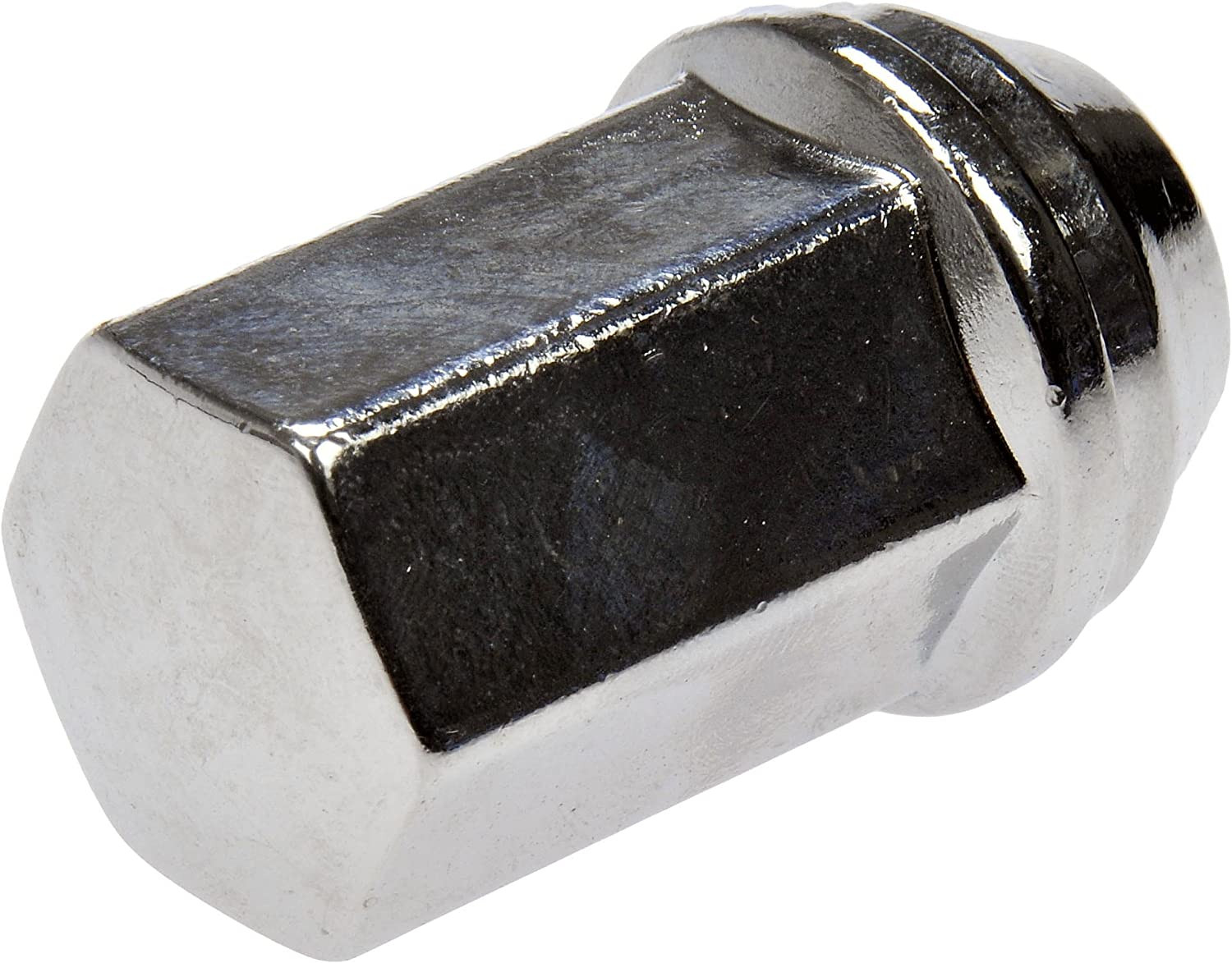
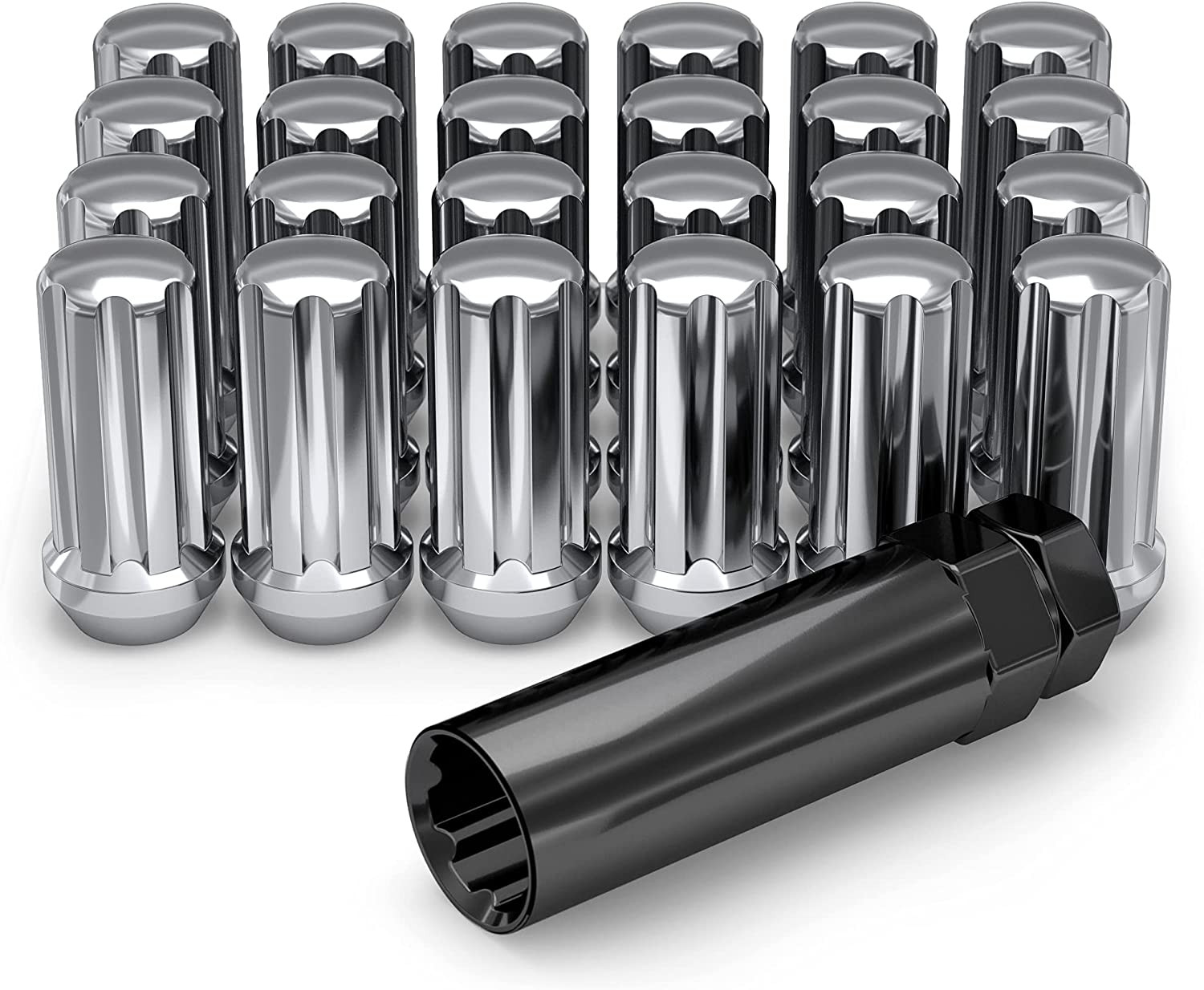
The known thread size is M12 x 1.5, but thread size does not identify the required lug-seat shape, shank length, or washer design. Use lug nuts specified for the replacement wheel and vehicle, and follow the applicable torque specification.
Where can I confirm the final fitment?
Check the driver-door tire placard, owner’s manual, wheel markings, GMC parts information, and the tire or wheel manufacturer’s application data. When measurements conflict, have a qualified wheel professional inspect the vehicle before purchase or installation.