2022 GMC Terrain Wheel Fitment and Tire Guide
This 2022 GMC Terrain wheel fitment guide summarizes the known OEM specifications and explains how to compare donor wheels, custom wheel sizes, and tire sizes. Specifications can vary by trim, package, market, or brake configuration, so confirm the vehicle identification label, owner documentation, and current GMC or dealer information before ordering parts.
Known OEM Fitment For 2022 GMC Terrain
The following values are the known baseline specifications for the 2022 GMC Terrain. Treat them as a starting point and verify them for your specific trim before purchasing replacement wheels or tires.
| Specification |
Known value |
| Bolt pattern |
5x115, meaning 5 studs on a 115 mm pitch circle diameter |
| Center bore |
70.3 mm |
| Thread size |
M12 x 1.5 |
| Rim diameter |
17 inches |
| Rim width |
7.0 inches |
| Wheel offset |
ET41, or 41 mm |
| Backspacing |
5.11 inches |
| Tire size |
225/65R17 |
| Tire section width |
225 mm |
| Tire aspect ratio |
65 percent |
Wheel diameter, width, offset, bolt pattern, center bore, load rating, and brake clearance all matter. A wheel that shares the 5x115 pattern is not automatically safe or suitable for the Terrain. Do not substitute a visually similar bolt pattern without confirming the exact measurement and complete wheel specifications.
How To Use The Wheel Interchange Calculator
Use the calculator to compare a donor vehicle with your 2022 GMC Terrain. Select the donor vehicle under “Wheels from” and select the Terrain under “Installed on.” The comparison helps show whether the donor wheel's diameter, width, offset, bolt pattern, and center-bore information align with the target vehicle data available in the tool.
For a direct comparison, enter or select the known Terrain baseline of 17-inch diameter, 7.0-inch width, and ET41 offset. You can also use “Custom wheel size” to test a different rim diameter, rim width, or offset. Use “Custom tire size” to enter the tire section width and aspect ratio you are considering.
Changing the rim diameter updates the tire diameter shown in the comparison. Review the resulting diameter, width, clearance, and speedometer-related differences, but do not treat a calculator result as a substitute for a physical clearance inspection or an OEM approval. Confirm the actual donor wheel markings and tire sidewall before buying.
Fitment Checklist Before You Buy
Start with the complete wheel and tire specifications rather than the vehicle name alone. Confirm the 5x115 bolt pattern, the 70.3 mm center-bore requirement, the M12 x 1.5 thread specification, and the wheel's diameter, width, offset, and load rating. If a specification is missing from a listing, ask the seller for a stamped wheel image or manufacturer data sheet.
Check that the wheel clears the brake caliper, suspension components, steering components, and fender area through the full range of steering and suspension movement. Also confirm that the tire does not contact the body or suspension at full lock, during compression, or when the vehicle is loaded.
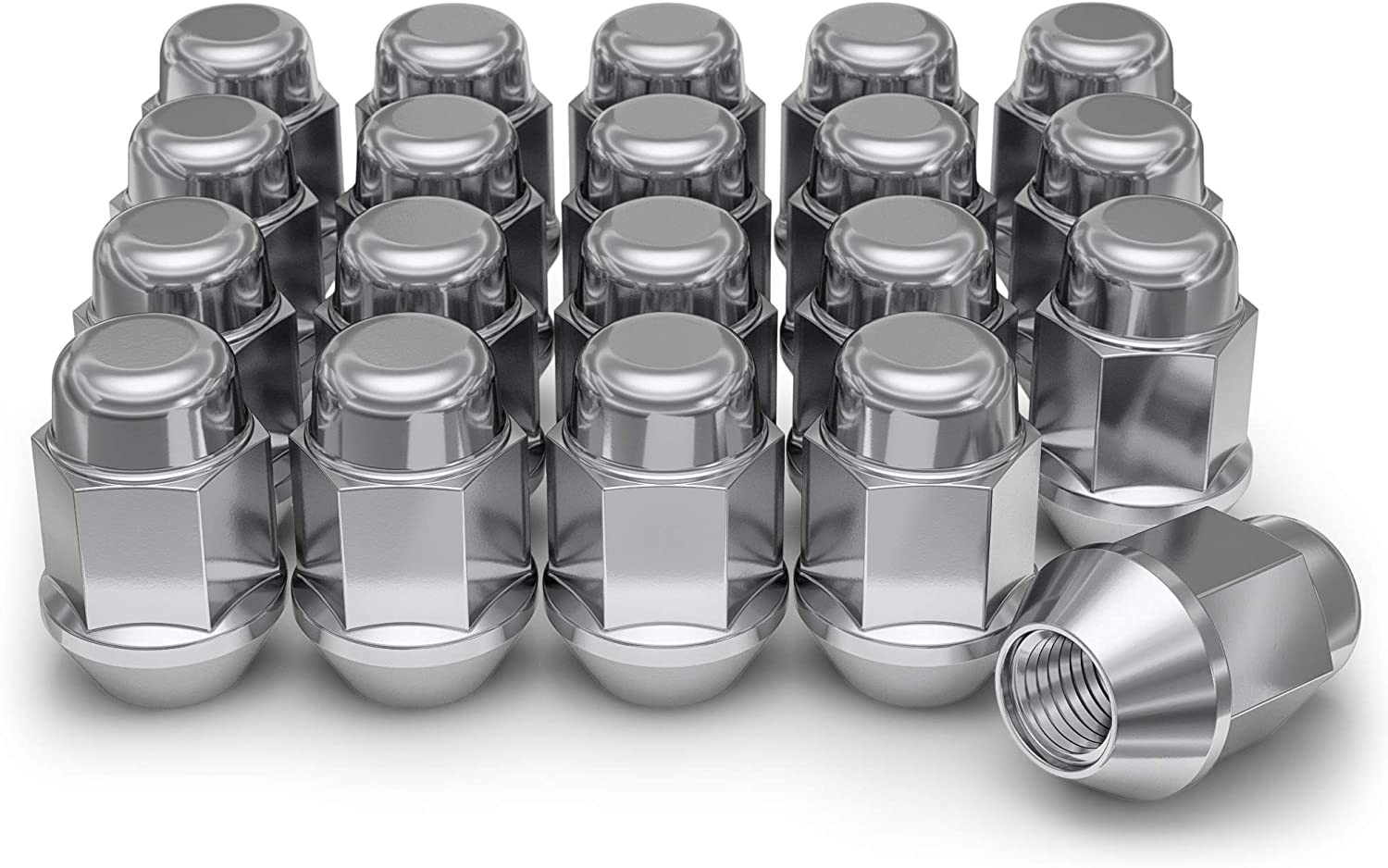
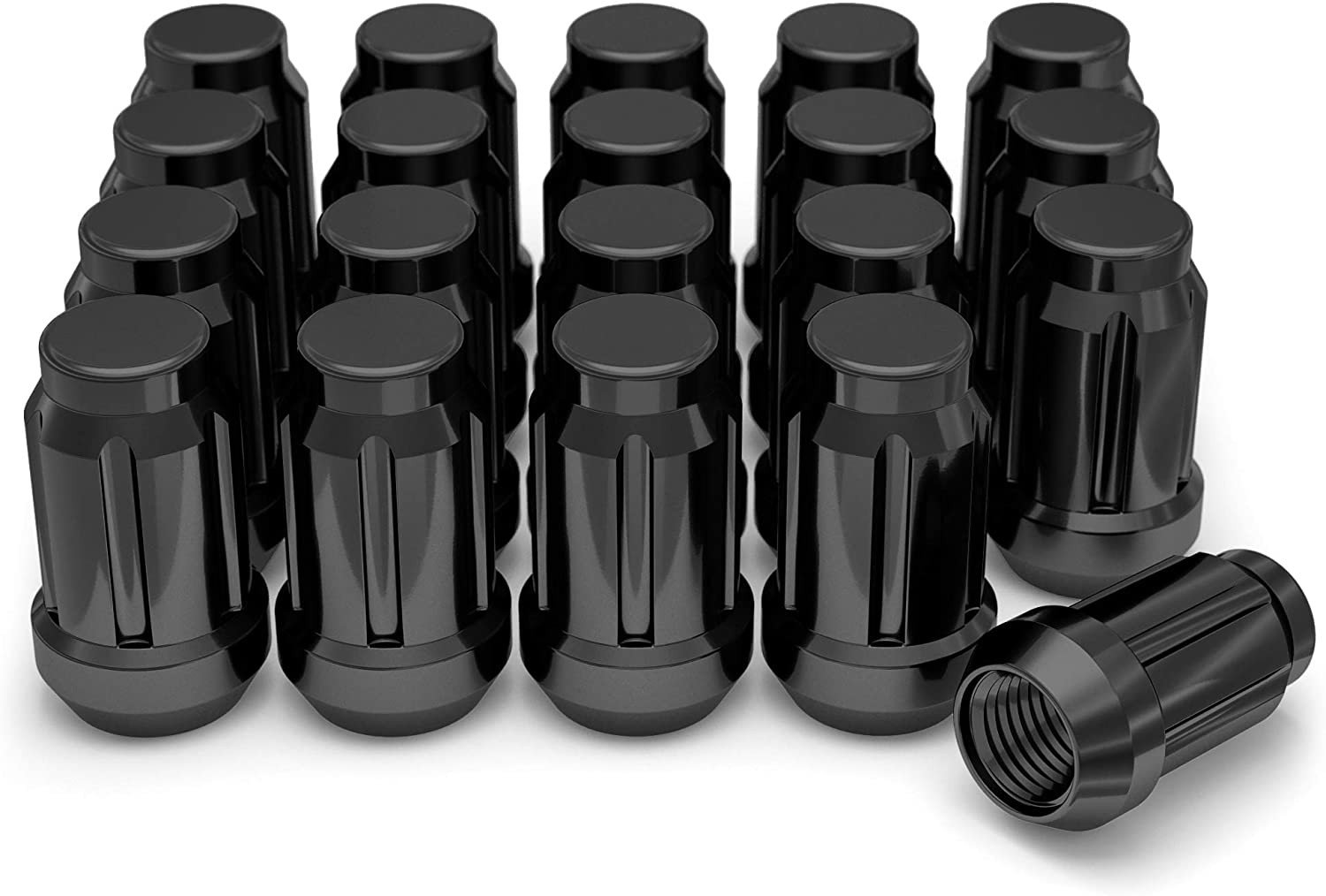
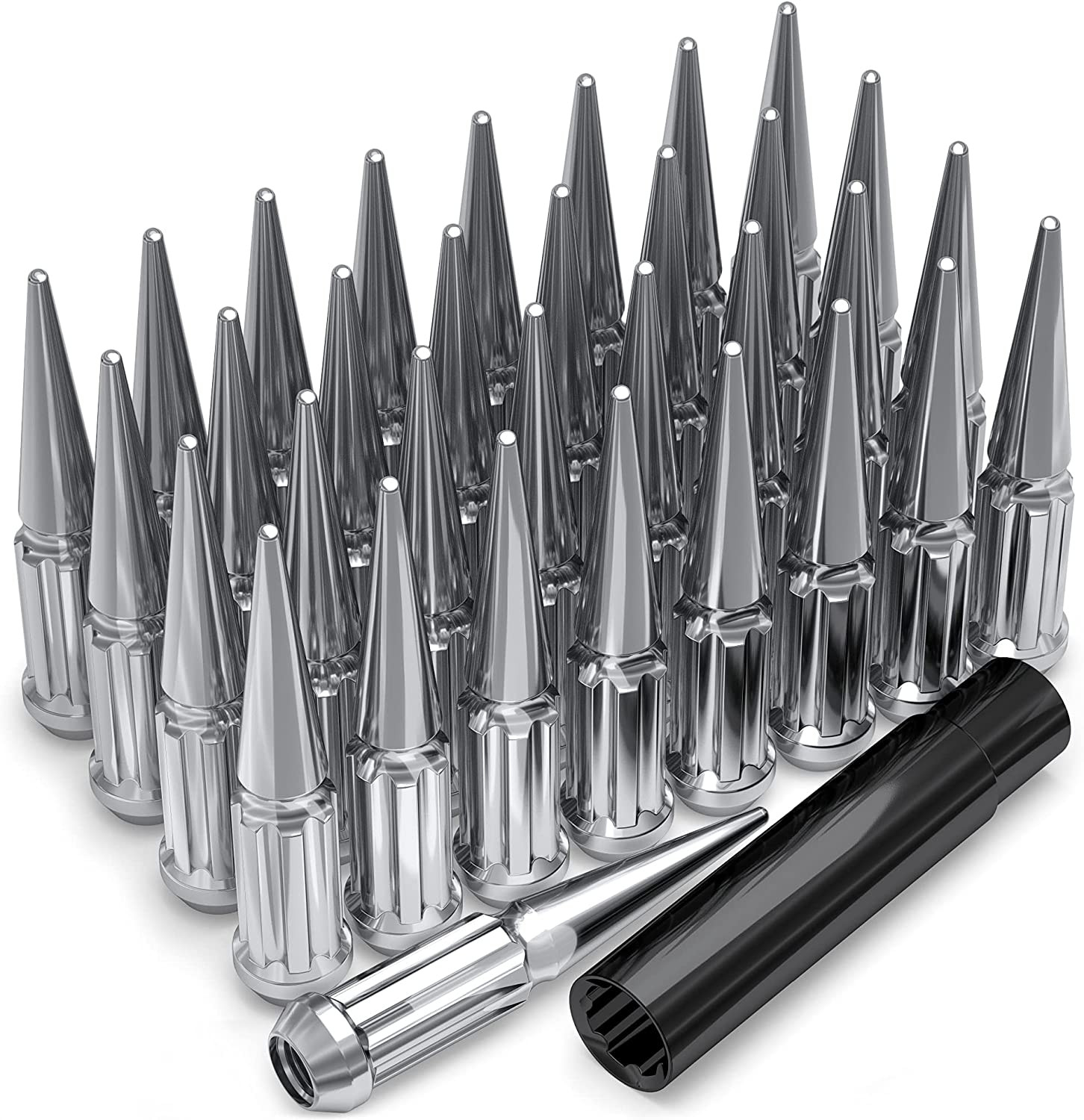
A wheel center bore must be checked against the vehicle hub and wheel design. Do not assume that a larger or smaller bore is acceptable without the correct fitment solution. Confirm lug-seat style and hardware compatibility as well. The supplied thread size is M12 x 1.5, but the correct lug nut seat and tightening specification must come from the wheel and vehicle manufacturer.
Verify the tire's load index, speed rating, service description, construction, and overall diameter against the vehicle placard and OEM guidance. Never rely on section width alone to determine clearance.
Plus Sizing And Common Upgrades
Plus sizing generally means using a larger wheel diameter with a lower-profile tire to maintain a similar overall tire diameter. The calculator can help compare custom rim diameter, width, offset, section width, and aspect ratio combinations for the 2022 GMC Terrain.
There is no single upgraded wheel or tire size that can be declared compatible here without complete trim, brake, wheel, tire, and clearance information. A larger wheel may reduce sidewall cushioning, increase the risk of impact damage, change ride quality, and affect tire cost. A wider tire can also increase the possibility of rubbing and may alter steering feel.
When evaluating a custom setup, compare the calculated tire diameter with the current 225/65R17 reference, confirm wheel load capacity, and inspect inner and outer clearance. Keep the rolling diameter close to the vehicle's approved specification unless an OEM or qualified tire professional confirms the change.
Installation Tips
Inspect every replacement wheel for cracks, bends, corrosion, damaged lug seats, and missing identification marks before installation. Clean the hub mounting face and wheel mounting surface so the wheel seats flat. Do not use spacers, adapters, or hub rings unless their specifications, load rating, installation method, and compatibility are confirmed for the exact vehicle and wheel.
Install the correct lug hardware by hand first to prevent cross-threading. Tighten the lugs in a star pattern, lower the vehicle enough to keep the wheel from rotating, and use a calibrated torque wrench to apply the vehicle manufacturer's specified torque. The correct torque value is not provided here, so obtain it from the owner's manual, service information, or GMC dealer.
After installation, check for clearance with the steering at full left and right lock. Recheck tire pressure using the vehicle placard, not the maximum pressure molded into the tire. Recheck lug torque after the initial drive according to the wheel or vehicle manufacturer's instructions, and stop immediately if there is vibration, rubbing, loss of pressure, or unusual noise.
Tools And Helpful Supplies
A calibrated torque wrench, correct socket, jack and properly rated jack stands, wheel chocks, and a tire pressure gauge are basic service equipment. A tread-depth gauge can help evaluate used tires, but it does not replace an inspection for age, cracking, impact damage, uneven wear, or an unsuitable load rating.
For a suitable torque wrench search, see automotive torque wrenches on Amazon. For checking used tire condition, see digital tire tread-depth gauges on Amazon. Confirm tool accuracy, range, and intended use before relying on any tool for vehicle service.
FAQs
What is the bolt pattern for the 2022 GMC Terrain?
The known bolt pattern is 5x115. Confirm the exact vehicle and wheel data before ordering because a matching bolt pattern alone does not confirm complete fitment.
What is the known OEM tire size for this 2022 GMC Terrain fitment?
The known reference tire size is 225/65R17, with a 225 mm section width, 65 percent aspect ratio, and 17-inch rim diameter. Verify the tire placard and trim-specific documentation on the vehicle.
What wheel size is listed for the 2022 GMC Terrain?
The known baseline wheel is a 17-inch diameter wheel measuring 7.0 inches wide, with an ET41 offset. A replacement wheel must also meet the bolt pattern, center-bore, load, brake-clearance, and lug-hardware requirements.
What is the center bore and thread size?
The known center bore is 70.3 mm, and the known thread size is M12 x 1.5. Confirm the wheel's actual center bore and lug-seat design before installation. Thread size does not identify the correct lug nut seat by itself.
Can I install wheels from another vehicle?
Possibly, but the donor wheel must be compared in the calculator and then verified against the physical wheel markings. Check bolt pattern, center bore, diameter, width, offset, load rating, brake clearance, lug hardware, and tire clearance. The donor vehicle name alone is not enough to establish compatibility.
Can I use a different wheel diameter or tire size?
The calculator supports custom wheel diameter, width, and offset, as well as custom tire section width and aspect ratio. Use it to compare overall diameter and related changes, then confirm clearance, load rating, speed rating, and OEM approval before purchasing or driving on the setup.
Is the listed 5.11-inch backspacing enough to identify a compatible wheel?
No. Backspacing is only one measurement. The wheel's bolt pattern, center bore, width, offset, load rating, brake clearance, lug-seat design, and physical clearances must also be correct. Confirm the actual wheel specifications from the manufacturer.