2000 Hyundai Elantra Wheel Fitment Guide
Use the information below as a starting point for checking wheels and tires on a 2000 Hyundai Elantra. The supplied fitment data may be partial, and equipment can vary by trim or market. Confirm all dimensions against the vehicle, the wheel markings, the owner's manual, and an OEM or qualified tire and wheel professional before buying.
Known OEM Fitment For 2000 Hyundai Elantra
The following specifications are the known values provided for this page. They should not be treated as proof that every wheel with these dimensions will clear the brakes, suspension, or bodywork.
| Specification |
Known value |
| Bolt pattern |
4x114.3, meaning 4 studs on a 114.3 mm pitch circle diameter |
| Center bore |
67.1 mm |
| Thread size |
M12 x 1.5 |
| Rim diameter |
15 inches |
| Rim width |
6.0 inches |
| Wheel offset |
ET40, or 40 mm |
| Backspacing |
4.57 inches |
| Tire section width |
175 mm |
| Tire aspect ratio |
65 percent |
| Tire rim diameter |
R14, or 14 inches |
There is an apparent diameter mismatch in the supplied data: the listed rim diameter is 15 inches, while the listed tire size ends in R14. A 14-inch tire cannot be installed on a 15-inch wheel. Verify the door-jamb tire placard, owner's manual, current tire markings, and the wheel's stamped diameter before ordering. Do not combine these entries without confirming the correct original equipment configuration for the specific Elantra.
How To Use The Wheel Interchange Calculator
Use the calculator to compare wheels from a donor vehicle with the wheels being installed on your 2000 Hyundai Elantra. Enter the donor vehicle information in the “Wheels from” area and use the “Installed on” area for the Elantra.
- Compare bolt pattern first. A wheel with the wrong pattern must not be forced onto the hubs.
- Compare center bore, offset, diameter, and width. These affect hub fit, suspension clearance, fender position, and brake clearance.
- Use the custom wheel fields to enter a proposed rim diameter, width, and offset when a donor vehicle is not an exact match.
- Use the custom tire fields to enter section width and aspect ratio. The calculator updates tire diameter when rim diameter changes, helping you compare overall tire size.
- Review the calculator result as a dimensional comparison, not as a guarantee of safety or compatibility. Physically inspect clearance before driving.
For the most reliable comparison, measure the existing wheel and tire and compare those measurements with the wheel markings and tire sidewall. If the calculator and the vehicle documentation disagree, stop and verify the specification with an OEM source or qualified technician.
Fitment Checklist Before You Buy
Confirm the complete wheel and tire package rather than matching only one measurement.
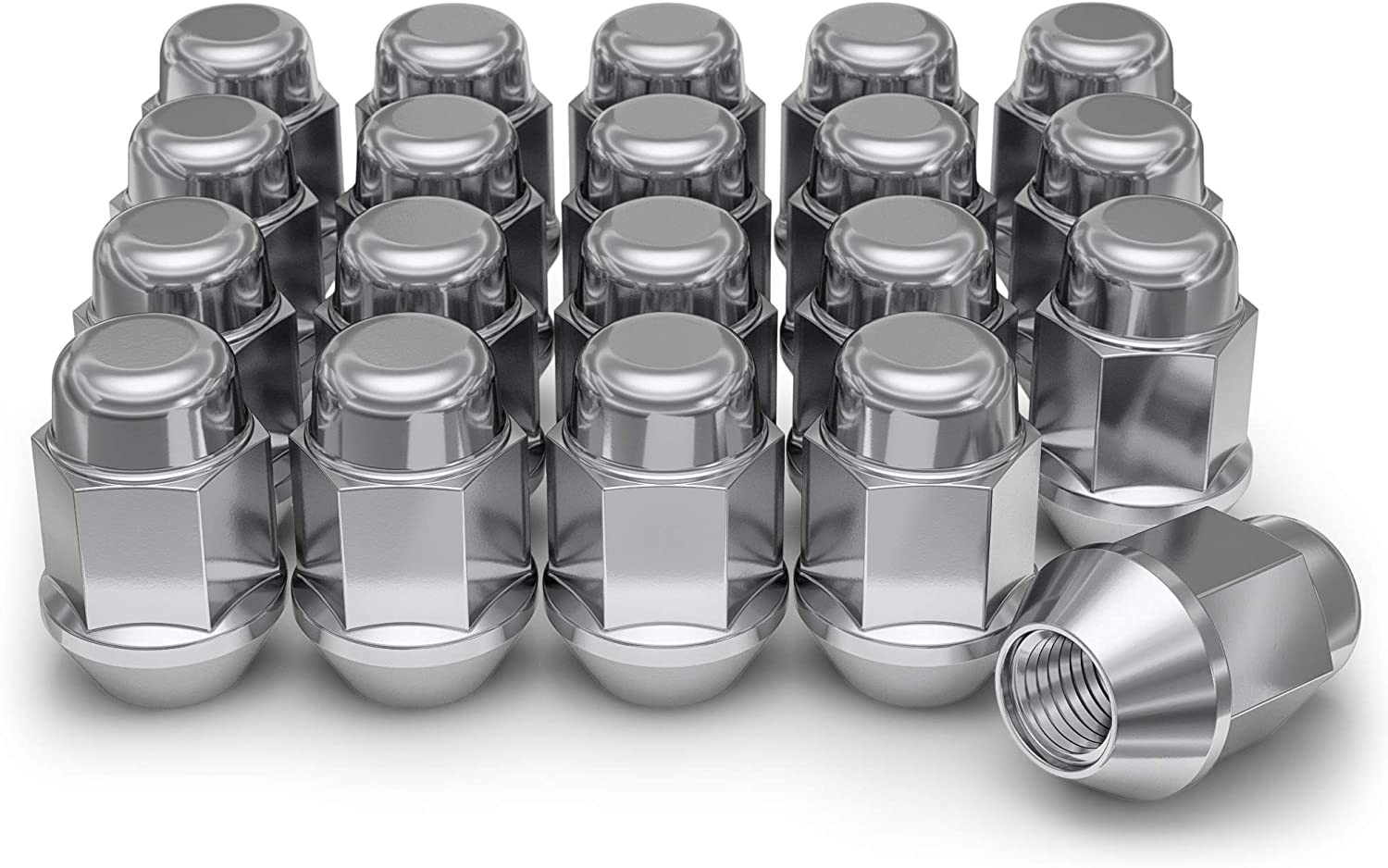
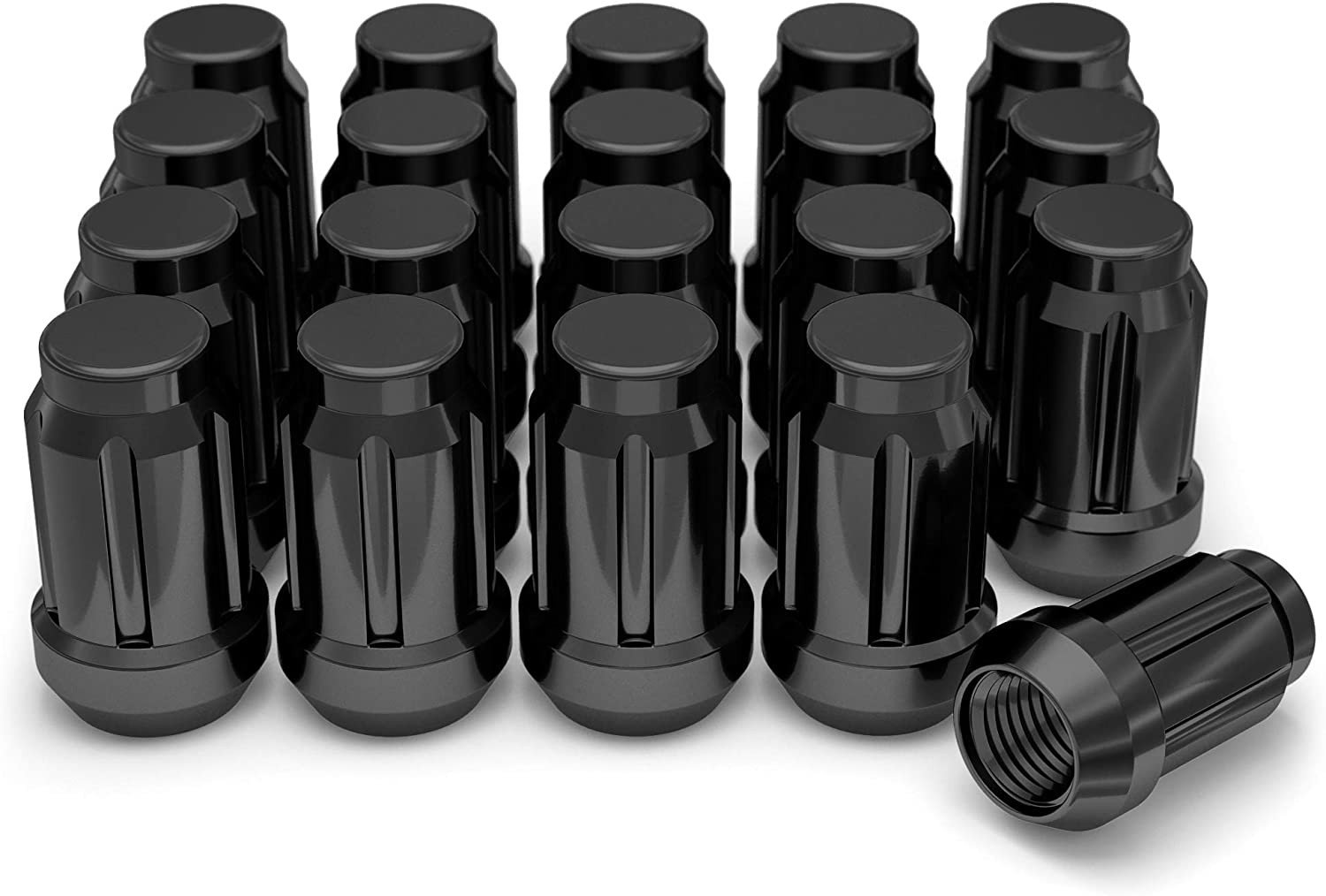
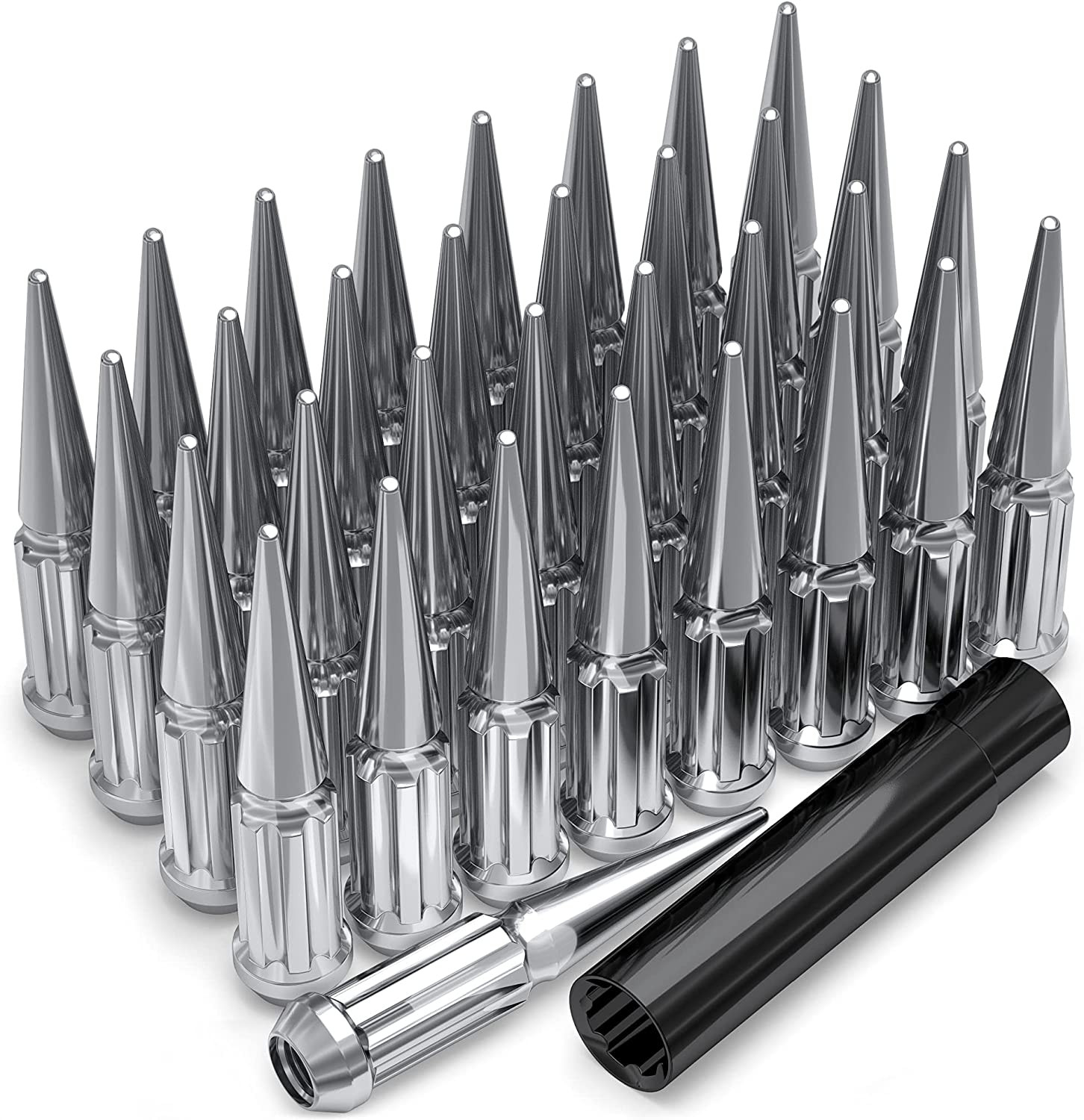
- Verify the 4x114.3 bolt pattern and confirm that the wheel uses the correct seat type and fasteners.
- Check that the wheel center bore is compatible with the 67.1 mm hub. A larger bore may require properly sized hub-centric rings, while a smaller bore generally will not fit over the hub.
- Confirm the M12 x 1.5 thread specification and use fasteners designed for the replacement wheel.
- Compare offset and backspacing to avoid contact with struts, control arms, brake components, fenders, or inner wheel wells.
- Check brake-caliper clearance with the actual wheel design. Diameter alone does not establish brake clearance.
- Resolve the supplied 14-inch and 15-inch diameter discrepancy before buying tires or wheels.
- Confirm the tire load index, speed rating, inflation pressure, and overall diameter using the vehicle placard and tire manufacturer information.
- After installation, check steering lock-to-lock clearance and suspension clearance at normal ride height and with the suspension compressed.
Plus Sizing And Common Upgrades
Plus sizing changes the wheel diameter while generally using a lower-profile tire to keep the overall tire diameter close to the original. The correct target depends on the verified factory tire size, available clearance, load requirements, and the specific wheel design.
No specific plus-size package is confirmed here because the supplied information contains a 14-inch tire diameter entry alongside a 15-inch rim entry. Use the calculator to compare custom wheel and tire dimensions after confirming the actual original setup. A larger wheel may alter ride comfort, impact resistance, steering feel, speedometer accuracy, and clearance. Do not select a tire solely because it fits the rim width.
Any change in offset or width can move the wheel inward toward suspension components or outward toward the fender. Test-fit one complete wheel and tire assembly when possible, and have the alignment checked if the new package changes the vehicle's stance or steering behavior.
Installation Tips
Clean the hub mounting face and the wheel's mating surface before installation. Rust, dirt, paint buildup, or debris can prevent the wheel from seating flat and can contribute to loosening.
Install the correct lug nuts or wheel bolts for the replacement wheel's seat design. Do not assume that the original fasteners are suitable for an aftermarket wheel. Start all fasteners by hand, lower the vehicle enough to keep the wheel from turning, and tighten in a crisscross pattern.
Use the vehicle or wheel manufacturer's specified torque value with a calibrated torque wrench. Because the correct value is not provided here, consult the owner's manual, service information, wheel manufacturer, or a qualified technician rather than guessing. Recheck torque after the initial driving period specified by the wheel manufacturer, and inspect for rubbing before normal use.
Never use wheel spacers, adapters, or makeshift washers to correct a fitment problem unless the component is specifically engineered and approved for the application. Improper parts can affect wheel retention and hub loading.
Tools And Helpful Supplies
Useful items for a careful fitment check include a calibrated torque wrench, socket set, jack and approved jack stands, a tire pressure gauge, a straightedge, and a measuring tool for checking clearance. A hub cleaning brush can help remove corrosion from the mounting face.
Use jack stands on a solid, level surface and follow the jack and stand manufacturer's safety instructions. A jack alone is not a safe support for working under a vehicle.
FAQs
What is the bolt pattern for the 2000 Hyundai Elantra?
The known bolt pattern supplied for this page is 4x114.3. Confirm it on the vehicle and replacement wheel before installation.
What center bore is listed for this Elantra?
The known center bore is 67.1 mm. A wheel bore smaller than the hub will not seat, while a larger bore may need correctly sized hub-centric rings.
What thread size is listed?
The supplied thread size is M12 x 1.5. The correct lug nut seat and fastener design must also match the wheel.
Can a 14-inch tire be installed on the listed 15-inch rim?
No. The tire rim diameter must match the wheel diameter. The supplied data lists both a 15-inch rim and an R14 tire, so verify the actual factory configuration before purchasing.
Does matching the bolt pattern guarantee that a wheel fits?
No. Center bore, offset, backspacing, width, brake clearance, fastener seat, load rating, and fender and suspension clearance must also be checked.
How can I compare a donor wheel with this Elantra?
Enter the donor vehicle under “Wheels from” and the Elantra under “Installed on” in the calculator. Compare the dimensions, then use the custom wheel and tire fields for a proposed package. Physically inspect the result before driving.
Is ET40 the same as a 40 mm offset?
Yes. ET40 identifies a wheel offset of 40 mm. The effect of changing offset depends on wheel width and must be checked for inward and outward clearance.
What should I do if the calculator result conflicts with the owner's manual?
Treat the conflict as unresolved. Confirm the vehicle identification, trim, market, current wheel markings, tire placard, and OEM service information before ordering or installing parts.