2019 Hyundai Elantra Wheel Fitment Guide
Known OEM Fitment For 2019 Hyundai Elantra
The following specifications are the known fitment data provided for the 2019 Hyundai Elantra. Equipment can vary by trim, package, market, and replacement wheel configuration. Confirm the vehicle-specific information in the owner’s manual, the driver-door tire label, or with a Hyundai dealer before ordering parts.
| Specification |
Known value |
| Bolt pattern |
5x114.3, meaning 5 studs on a 114.3 mm pitch circle diameter |
| Center bore |
67.1 mm |
| Thread size |
M12 x 1.5 |
| Rim diameter |
16 inches |
| Rim width |
6.0 inches |
| Wheel offset |
ET50, or 50 mm positive offset |
| Backspacing |
4.97 inches |
| Tire section width |
195 mm |
| Tire aspect ratio |
65 percent |
| Tire rim diameter listed in the supplied data |
R15, or 15 inches |
There is a diameter discrepancy in the supplied data: the listed rim diameter is 16 inches, while the listed tire format is 195/65R15, which uses a 15-inch rim. Do not assume these values belong to the same wheel and tire assembly. Check the tire sidewall and the vehicle’s tire placard to identify the correct factory configuration for your Elantra.
The center bore is the diameter of the wheel’s center opening. A wheel with a smaller bore than the vehicle hub will not install. A larger-bore wheel may require properly sized hub-centric rings, but rings do not correct an incorrect bolt pattern, offset, load rating, or brake clearance.
How To Use The Wheel Interchange Calculator
Use the calculator to compare a donor vehicle’s wheels with the wheels installed on your 2019 Hyundai Elantra. Enter the donor wheel and tire measurements in the “Wheels from” section, then enter the Elantra’s current or confirmed specifications in the “Installed on” section.
- Enter rim diameter, rim width, and offset for both wheel sets when those values are known.
- Enter tire section width and aspect ratio for both tire sizes. Include the correct rim diameter when comparing complete tire sizes.
- Review the calculated changes in wheel position, tire diameter, sidewall height, and overall fitment.
- Use “Custom wheel size” and “Custom tire size” to test a proposed setup before buying.
- Remember that changing rim diameter updates the tire diameter shown in the comparison. This does not by itself confirm brake clearance or legal suitability.
The calculator is a screening tool, not a substitute for a physical test fit or OEM confirmation. It cannot verify every factor, including spoke clearance, brake caliper clearance, suspension interference, fender clearance, wheel load rating, or the suitability of a tire for a particular trim.
Fitment Checklist Before You Buy
Confirm every critical measurement instead of matching only the vehicle name and year.
- Verify the 5x114.3 bolt pattern and confirm that the wheel’s lug-seat design matches the required lug hardware.
- Check the wheel center bore against the 67.1 mm hub specification. Never force a wheel onto the hub.
- Compare wheel diameter, width, and offset with the original wheel or the exact OEM configuration for the vehicle.
- Confirm the tire size on the door placard, tire sidewall, or owner’s manual. The supplied data includes both a 16-inch rim value and a 195/65R15 tire value, so this point requires verification.
- Check wheel and tire load ratings, speed ratings, and inflation requirements.
- Inspect spoke and barrel clearance around the brake caliper, rotor, and suspension components.
- Check inner-side clearance to struts, springs, steering components, and control arms, then check outer clearance to the fender and liner.
- Make sure the replacement wheel is approved for the vehicle and does not interfere with ABS, traction-control, or tire-pressure-monitoring equipment.
Plus Sizing And Common Upgrades
Plus sizing generally uses a larger wheel with a lower-profile tire to keep the overall tire diameter near the original size. This can improve steering response and change appearance, but it may reduce ride comfort and increase the risk of wheel or tire damage from potholes.
Do not select a plus-size setup from rim diameter alone. Use the calculator to compare overall tire diameter, section width, sidewall height, and wheel position. Then verify the proposed dimensions against the tire placard, OEM recommendations, tire manufacturer requirements, and the actual vehicle.
A different offset changes how far the wheel sits inward or outward. A wider wheel can also increase clearance problems even when its diameter appears acceptable. Tire manufacturers specify approved rim-width ranges, so confirm that the chosen tire is suitable for the proposed wheel width.
Because the provided information contains a 15-inch tire designation and a 16-inch rim designation, confirm the original setup before planning a plus-size conversion. Do not use a 15-inch tire on a 16-inch wheel or a 16-inch tire on a 15-inch wheel.
Installation Tips
- Install only wheels that are free of cracks, bends, severe corrosion, and damaged mounting surfaces.
- Clean rust, dirt, and paint from the hub and wheel mounting faces. Do not apply grease between the mating faces unless specifically directed by the manufacturer.
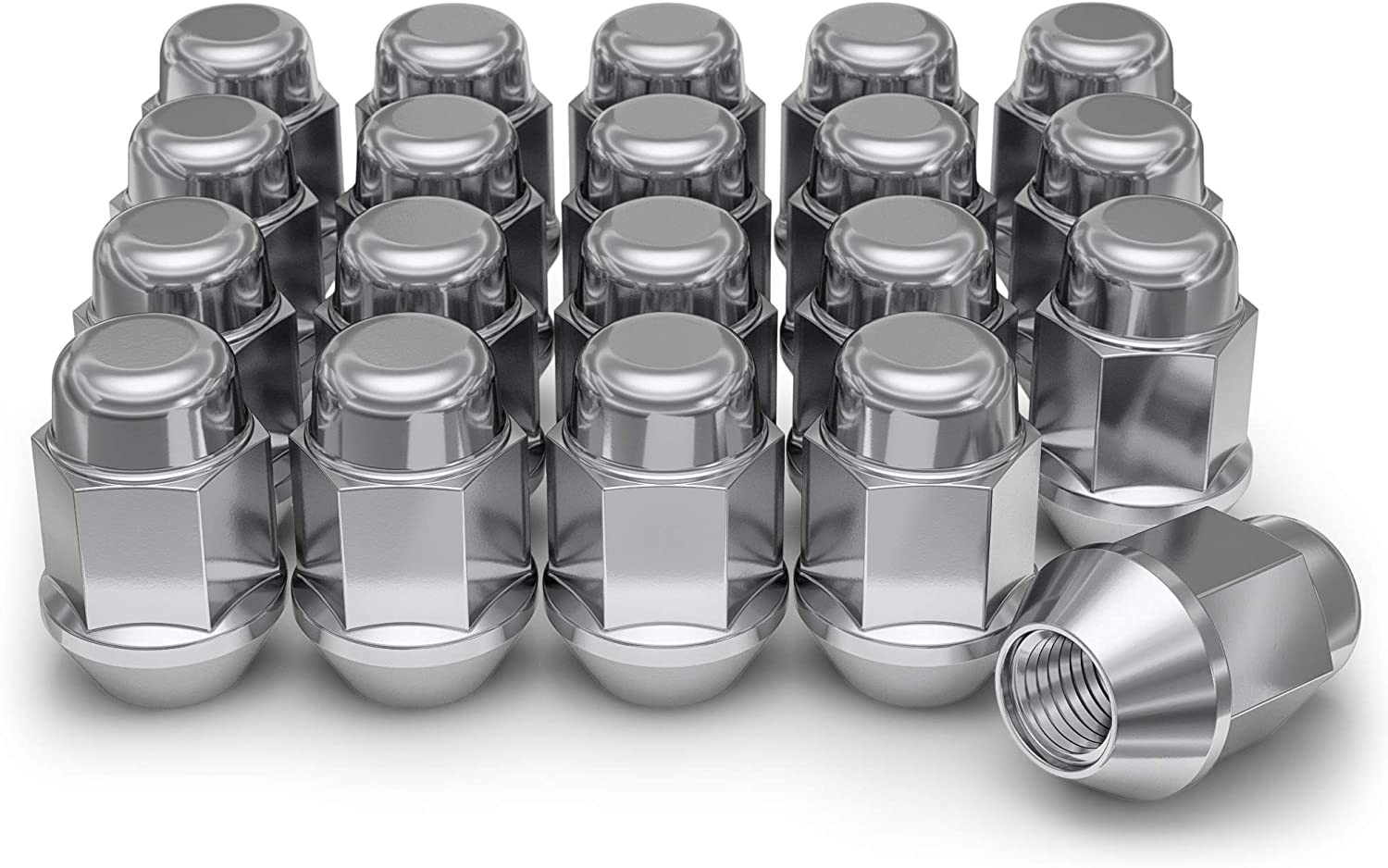
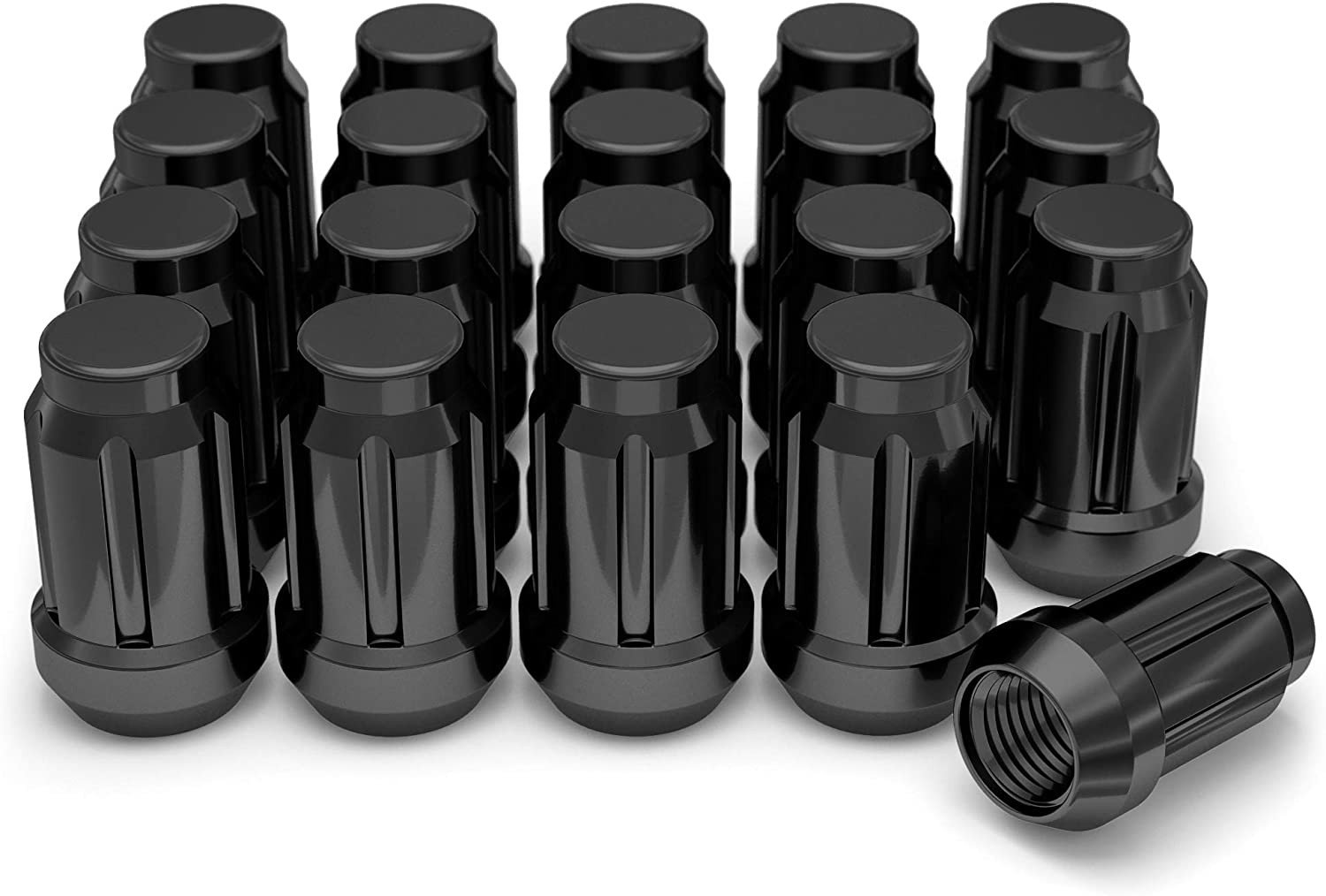
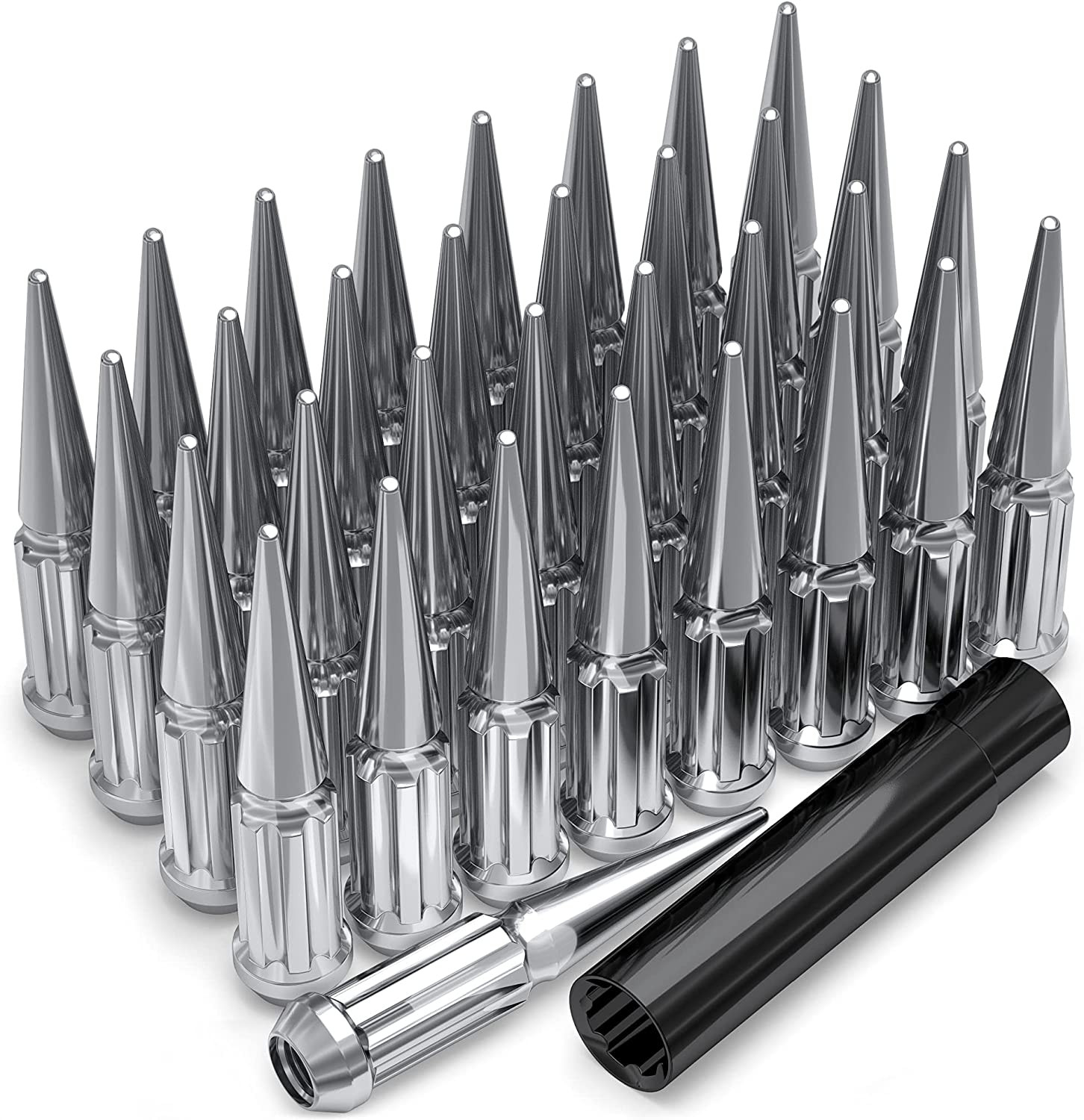
- Use the correct lug nuts for the replacement wheel’s seat type, thread specification, and seating depth. The known thread size is M12 x 1.5, but thread size alone does not identify the correct lug-seat style.
- Install lug nuts by hand first to avoid cross-threading, then tighten them in a crisscross pattern.
- Torque the lug nuts to the vehicle or wheel manufacturer’s specified value. The correct torque value was not provided here, so obtain it from the owner’s manual, service information, or the wheel manufacturer.
- After installation, rotate the wheels by hand and check for contact. Turn the steering from lock to lock and inspect clearance where safe to do so.
- Recheck lug-nut torque after the initial driving period specified by the wheel manufacturer or service information, and check tire pressure with the tires cold.
If a wheel does not seat fully, a lug nut will not engage correctly, or any component contacts the wheel or tire, do not drive the vehicle. Remove the wheel and resolve the fitment problem.
Tools And Helpful Supplies
Useful equipment for a careful wheel fitment check includes a calibrated torque wrench, suitable socket, jack and jack stands rated for the vehicle, wheel chocks, a tire-pressure gauge, a tread-depth gauge, and a straightedge or measuring tools for clearance checks. Use jack stands on a solid, level surface and follow the vehicle’s lifting points.
A hub and wheel cleaning brush can help remove surface corrosion before installation. If the center bore is larger than the hub, use hub-centric rings only when the ring dimensions and material are appropriate for the application. Rings cannot make an incompatible wheel safe.
FAQs
What is the bolt pattern for the 2019 Hyundai Elantra?
The known bolt pattern is 5x114.3. Confirm the specification for the exact trim and wheel application before purchasing.
What is the center bore?
The known center bore is 67.1 mm. A smaller wheel bore will not fit over the hub. A larger bore may need correctly sized hub-centric rings, depending on the wheel and application.
What lug thread size is listed?
The supplied thread specification is M12 x 1.5. The correct lug nut must also match the wheel’s lug-seat type and the vehicle’s required hardware.
Can I install any 5x114.3 wheel on a 2019 Hyundai Elantra?
No. Bolt pattern is only one part of fitment. Center bore, offset, width, brake clearance, load rating, lug-seat design, and tire compatibility must also be checked.
Why does the supplied data show both a 16-inch rim and a 195/65R15 tire?
Those measurements do not describe the same wheel and tire diameter. The data may represent different configurations or an incomplete record. Verify the tire sidewall, door placard, owner’s manual, and VIN-specific OEM information before ordering.
Will changing wheel offset affect handling or clearance?
Yes. Offset changes the wheel’s inward and outward position. It can affect suspension clearance, fender clearance, steering behavior, and bearing loads. Compare the proposed offset in the calculator and confirm clearance on the vehicle.
Does the calculator guarantee that a donor wheel will fit?
No. The calculator compares entered dimensions and helps identify differences. It cannot fully verify spoke clearance, brake clearance, wheel load rating, lug-seat compatibility, or physical interference. A qualified fitment inspection is still required.
Should I use hub-centric rings?
Only when a properly sized wheel with a larger center bore is otherwise suitable for the vehicle. Rings do not correct a wrong bolt pattern, unsafe offset, inadequate load rating, or poor brake clearance.