2008 Hyundai Santa Fe Wheel Fitment Guide
Use the information below to compare replacement wheels and tires for a 2008 Hyundai Santa Fe. The listed specifications are the known OEM fitment values provided for this vehicle. Fitment can vary by trim, factory package, brake equipment, and market, so confirm the original wheel markings and your owner’s manual before purchasing.
Known OEM Fitment For 2008 Hyundai Santa Fe
| Specification |
Known value |
| Bolt pattern, studs x PCD |
5x114.3 |
| Center bore |
67.1 mm |
| Thread size |
M12 x 1.5 |
| Rim diameter |
16 inches |
| Rim width |
7.0 inches |
| Wheel offset |
ET46 |
| Backspacing |
5.31 inches |
| Tire section width |
235 mm |
| Tire aspect ratio |
70% |
| Tire rim diameter |
R16 |
The supplied tire dimensions correspond to a 235/70R16 format. Confirm the complete tire marking, load rating, and speed rating on the vehicle placard, current tires, or OEM documentation. The data above does not establish every compatible wheel or tire option.
How To Use The Wheel Interchange Calculator
Start with the calculator’s “Wheels from” field and enter the donor vehicle or donor wheel information. Then use “Installed on” for your 2008 Hyundai Santa Fe. The comparison is intended to help you review key dimensions such as bolt pattern, center bore, rim width, diameter, and offset.
If the donor wheel is not an exact match, use “Custom wheel size” to enter its rim diameter, rim width, and offset. Use “Custom tire size” to enter the tire section width and aspect ratio. When you change rim diameter, the calculator updates the tire diameter in the comparison, which helps you evaluate overall size changes.
Treat the calculator as a screening tool, not a substitute for a physical test fit. Before ordering, confirm caliper clearance, inner clearance, outer fender clearance, hub seating, lug hardware, and tire load requirements.
Fitment Checklist Before You Buy
Compare the donor wheel’s bolt pattern with the known 5x114.3 pattern. A wheel with a different pattern should not be forced onto the vehicle or installed with unsafe adapters.
Check the center bore against the known 67.1 mm hub specification. A larger bore may require correctly sized hub-centric rings if the wheel manufacturer permits them. A smaller bore generally will not fit over the hub without proper machining by a qualified specialist.
Confirm the wheel offset and backspacing. The known OEM values are ET46 and 5.31 inches, but a different offset changes the wheel’s position relative to the suspension, brake components, and fender. Use the calculator for comparison, then verify the actual clearance with the vehicle safely supported.
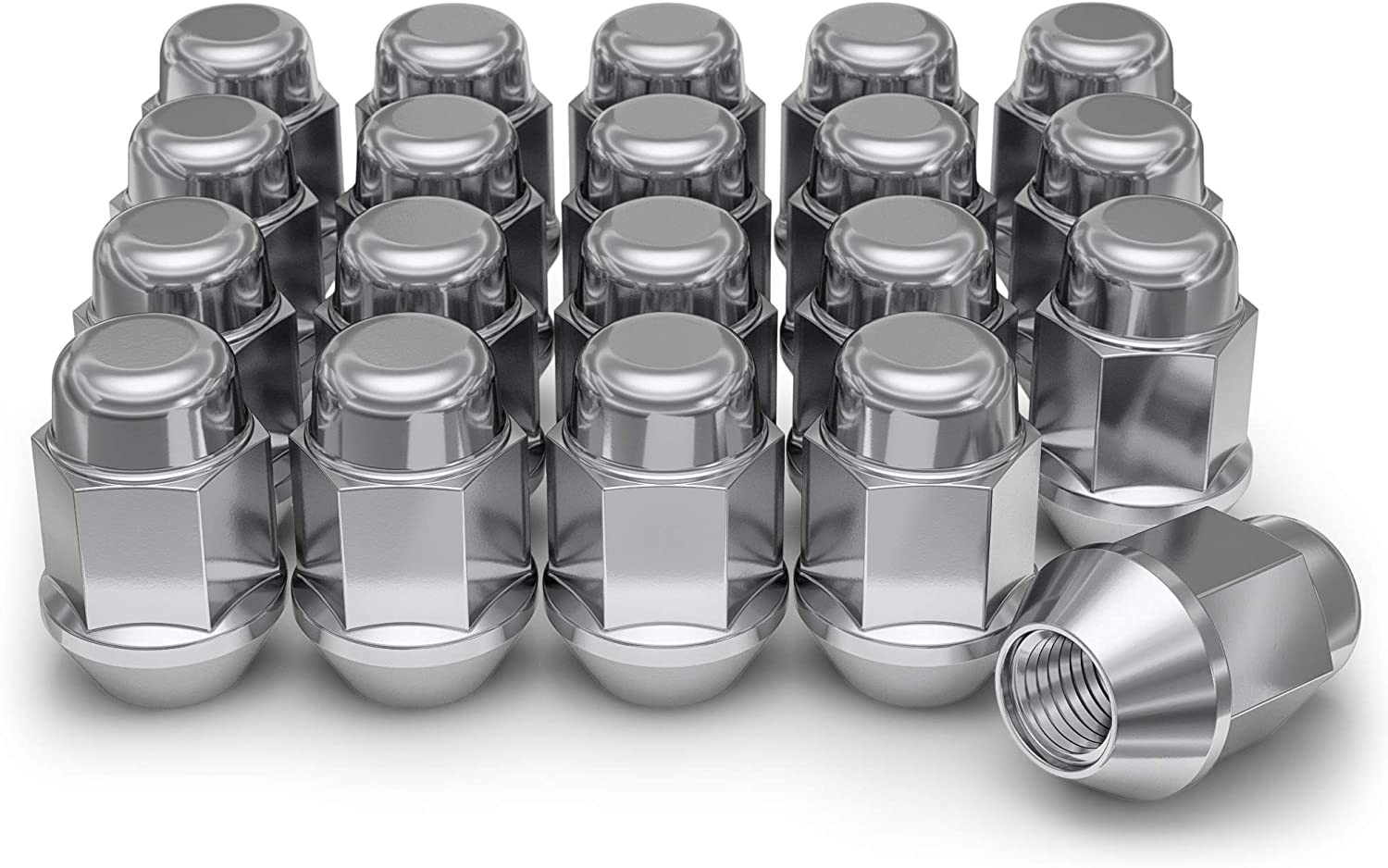
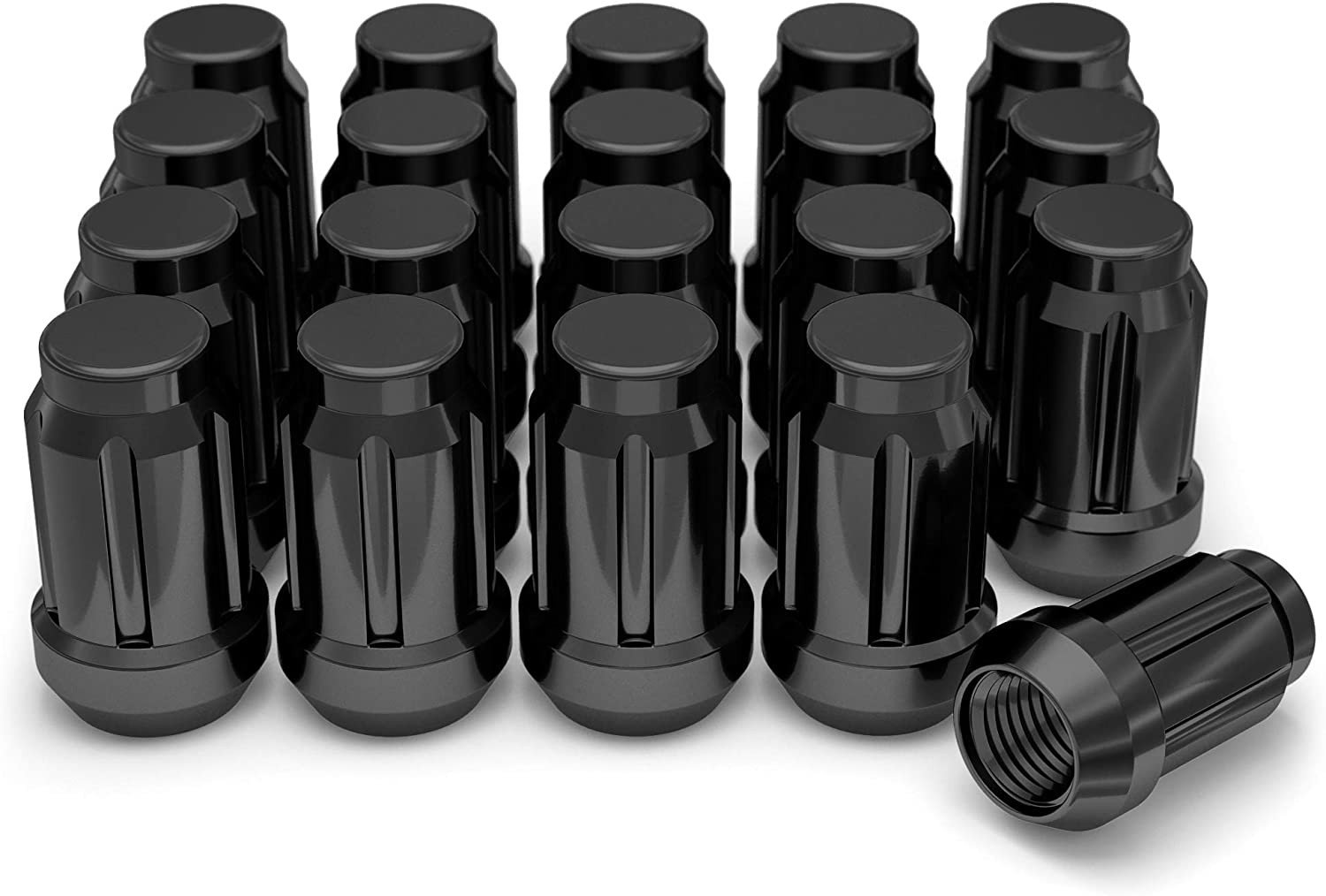
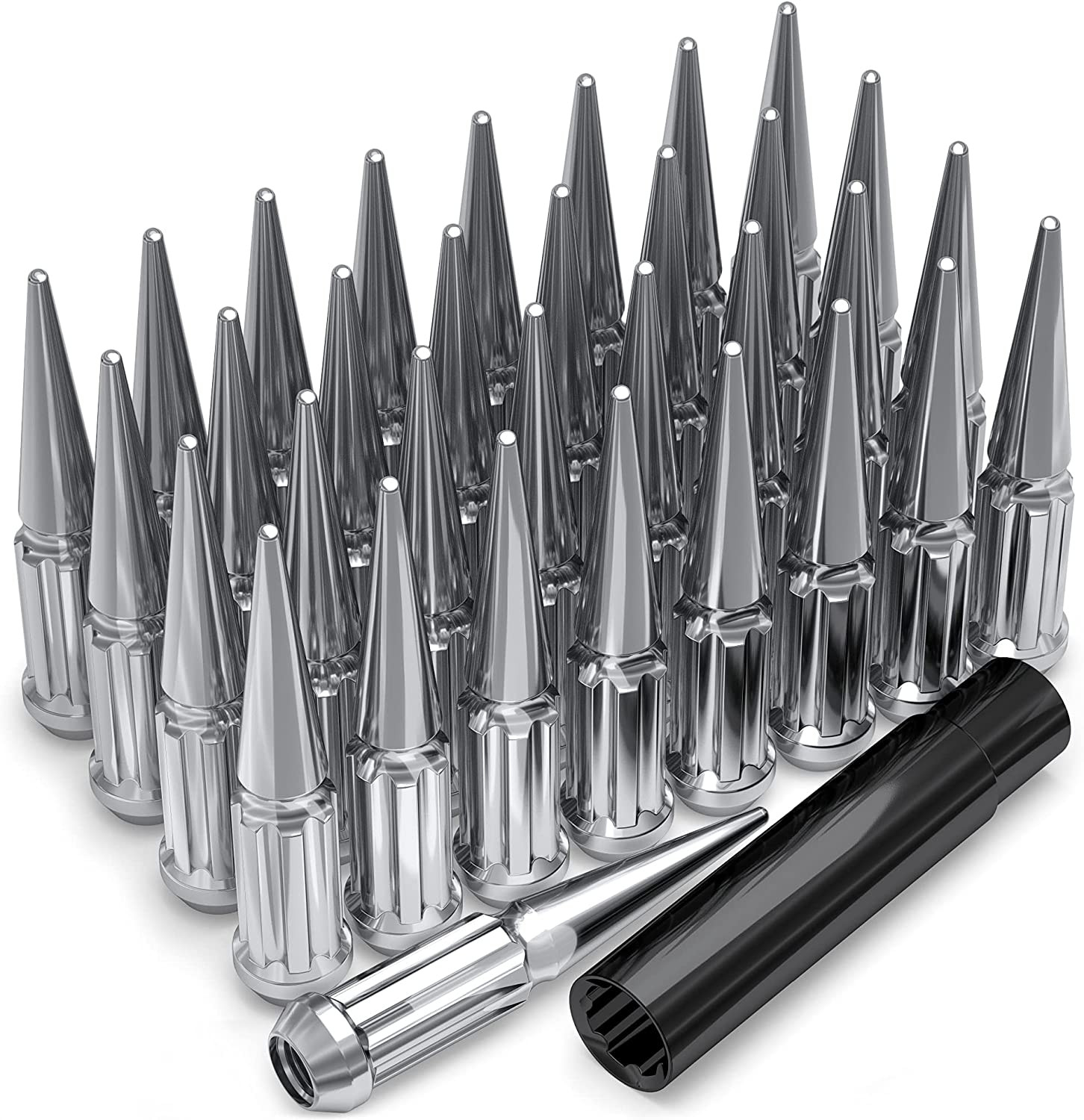
Confirm that the wheel’s lug-seat style matches the required lug nuts. Thread size alone does not identify the correct seat shape. Do not reuse incompatible lug hardware.
Check the tire’s load rating, speed rating, diameter, and width against OEM requirements. Also verify that the tire does not contact the strut, liner, control arm, or fender during steering and suspension movement.
Plus Sizing And Common Upgrades
Plus sizing means using a larger wheel diameter with a lower-profile tire while attempting to keep the overall tire diameter close to the original. The calculator can show how changing rim diameter affects the tire diameter comparison, but it does not replace a clearance inspection or confirm the correct load rating.
Changing wheel width or offset can alter steering feel, scrub geometry, inner clearance, and fender clearance. Do not assume that a wheel with the same bolt pattern will fit safely. Compare the full wheel dimensions and inspect the assembled wheel and tire on the vehicle.
For any non-OEM combination, confirm that the tire retailer, wheel manufacturer, and Hyundai service information support the application. If the vehicle has a trim-specific brake package or other factory equipment, verify clearance before purchase.
Installation Tips
Inspect the hub face and wheel mounting surface. Remove rust, dirt, paint buildup, and debris that could prevent the wheel from sitting flat. Do not use excessive lubricant on the mounting faces.
Install only compatible lug nuts with the correct thread and seat style. Start every lug nut by hand to avoid cross-threading. Tighten the lugs in a crisscross sequence, then use a calibrated torque wrench set to the vehicle manufacturer’s specified value.
After installation, check for wheel wobble, abnormal contact, and adequate clearance. Rotate the steering from lock to lock and inspect the tire and wheel area. If the vehicle is lifted, allow the suspension to settle before completing the inspection.
Recheck lug torque according to the vehicle and wheel manufacturer’s instructions after installation and whenever a wheel has been removed. Stop driving if you notice vibration, rubbing, loose hardware, or unusual handling.
Tools And Helpful Supplies
Useful equipment includes a calibrated torque wrench, the correct socket, a jack and properly rated jack stands, wheel chocks, a tire pressure gauge, and a wire brush for cleaning the hub face. Use jack stands and follow safe lifting points from the owner’s manual. Never work beneath a vehicle supported only by a jack.
For wheel installation supplies, you can compare automotive torque wrenches on Amazon and wheel chocks and jack stands on Amazon. Confirm the tool range, socket compatibility, and safety rating before buying.
FAQs
What is the bolt pattern for the 2008 Hyundai Santa Fe?
The known bolt pattern is 5x114.3, meaning five studs on a 114.3 mm pitch circle diameter. Verify the wheel specifications before purchase, especially if the vehicle has unknown history or non-original wheels.
What is the center bore?
The known center bore is 67.1 mm. A replacement wheel should properly locate on the hub or use an appropriate hub-centric solution when permitted by the wheel manufacturer. Never assume that a matching bolt pattern alone guarantees correct centering.
What wheel size is listed as OEM?
The provided OEM wheel size is a 16-inch diameter by 7.0-inch width wheel with ET46 offset and 5.31-inch backspacing. Trim and equipment differences may affect actual factory fitment, so confirm the markings on the existing wheel or consult OEM documentation.
What tire size is associated with the supplied specifications?
The supplied tire measurements correspond to 235/70R16: 235 mm section width, a 70 percent aspect ratio, and a 16-inch rim diameter. Confirm the vehicle placard and tire sidewall for the required load and speed ratings before replacing the tires.
Can I install wheels from another vehicle?
Possibly, but compatibility must be checked rather than assumed. Compare bolt pattern, center bore, diameter, width, offset, backspacing, lug-seat design, brake clearance, and tire requirements in the calculator. A physical test fit may still be necessary.
Does the calculator guarantee that a wheel will fit?
No. The calculator compares the dimensions entered by the user and updates tire diameter when rim diameter changes. It cannot confirm every brake, suspension, fender, lug-seat, or tire-load detail. Use it with the owner’s manual, wheel manufacturer information, and a careful physical inspection.
What lug thread size is provided for this vehicle?
The known thread size is M12 x 1.5. The correct lug nut seat style and wheel-specific hardware must also be confirmed. Do not select lug nuts based on thread size alone.