1999 Hyundai Sonata Wheel Fitment Guide
This guide summarizes the supplied OEM wheel and tire data for the 1999 Hyundai Sonata. Use the wheel interchange calculator to compare donor wheels with your vehicle, but confirm the final fitment against the vehicle placard, owner’s manual, OEM service information, and the markings on the actual wheel.
Known OEM Fitment For 1999 Hyundai Sonata
The following specifications were provided for this vehicle. They may not represent every trim, package, or market configuration.
| Specification |
Known value |
| Bolt pattern |
4x114.3, meaning 4 studs on a 114.3 mm pitch circle diameter |
| Center bore |
67.1 mm |
| Thread size |
M12 x 1.5 |
| Rim diameter |
16 inches |
| Rim width |
6.5 inches |
| Wheel offset |
ET45, or 45 mm positive offset |
| Backspacing |
5.02 inches |
| Tire section width |
205 mm |
| Tire aspect ratio |
60 percent |
| Tire rim diameter |
15 inches |
There is an apparent discrepancy in the supplied data: the listed rim diameter is 16 inches, while the listed tire rim diameter is 15 inches. These values should not be treated as one confirmed wheel and tire package. Check the tire sidewall, wheel stamp, door-jamb tire label, owner’s manual, and OEM records before ordering. If the vehicle has different trim-level specifications, use the calculator with the verified measurements for your specific Sonata.
How To Use The Wheel Interchange Calculator
The calculator lets you compare “Wheels from (donor vehicle)” with “Installed on (your vehicle).” Start by entering the donor wheel information and the known or verified specifications for your 1999 Hyundai Sonata.
- Compare bolt pattern first. The donor wheel must match the vehicle’s 4x114.3 pattern unless a properly engineered application specifically confirms otherwise.
- Compare center bore. A smaller donor center bore will not fit over a larger hub. A larger bore may require correctly sized hub-centric rings, subject to the wheel manufacturer’s guidance.
- Compare wheel diameter, width, and offset. The calculator can show how these dimensions change wheel position and clearance.
- Use the Custom wheel size fields when checking a wheel that is not represented by the donor vehicle selection.
- Use the Custom tire size fields to compare section width and aspect ratio.
- When rim diameter changes, the calculator updates the tire diameter in the comparison. Verify the resulting tire diameter and clearance rather than assuming that a larger wheel automatically fits.
Calculator results are a screening tool, not a substitute for a physical test fit or professional inspection. Confirm brake, suspension, fender, and steering clearance with the vehicle safely supported and the steering moved through its full range.
Fitment Checklist Before You Buy
- Verify the exact trim and market version of the 1999 Hyundai Sonata.
- Confirm the bolt pattern is 4x114.3 and that the wheel’s mounting holes are designed for the correct stud arrangement.
- Confirm the wheel clears the hub and that its center bore is compatible with the vehicle’s 67.1 mm hub specification.
- Check the wheel’s stamped diameter, width, and offset. Do not rely only on a seller’s title or photograph.
- Compare the proposed tire’s load rating, speed rating, section width, aspect ratio, and diameter with the vehicle manufacturer’s requirements.
- Resolve the supplied 15-inch versus 16-inch rim-diameter discrepancy before purchasing tires or wheels.
- Inspect used wheels for cracks, bends, weld repairs, corrosion around the bead seat, and damaged mounting surfaces.
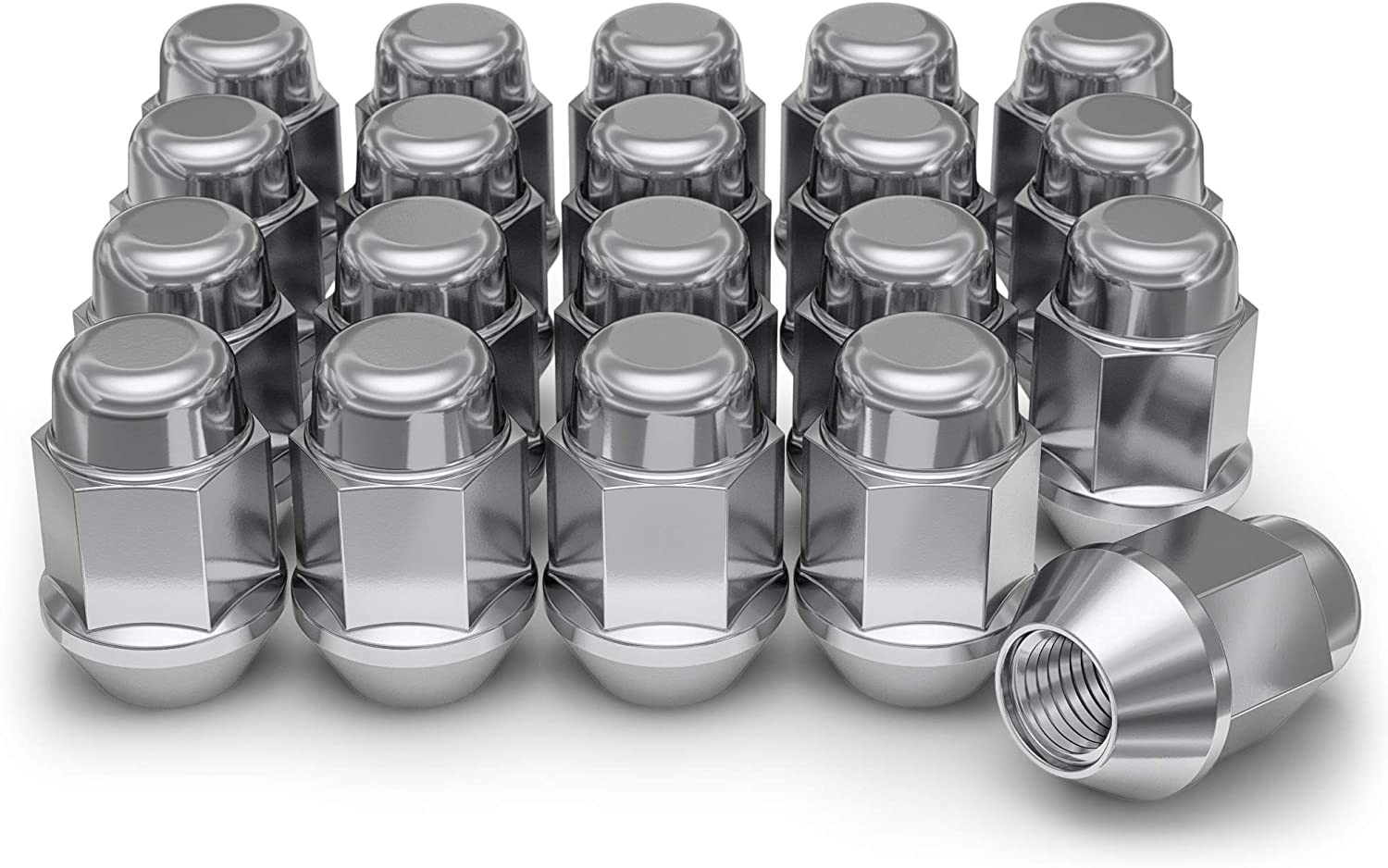
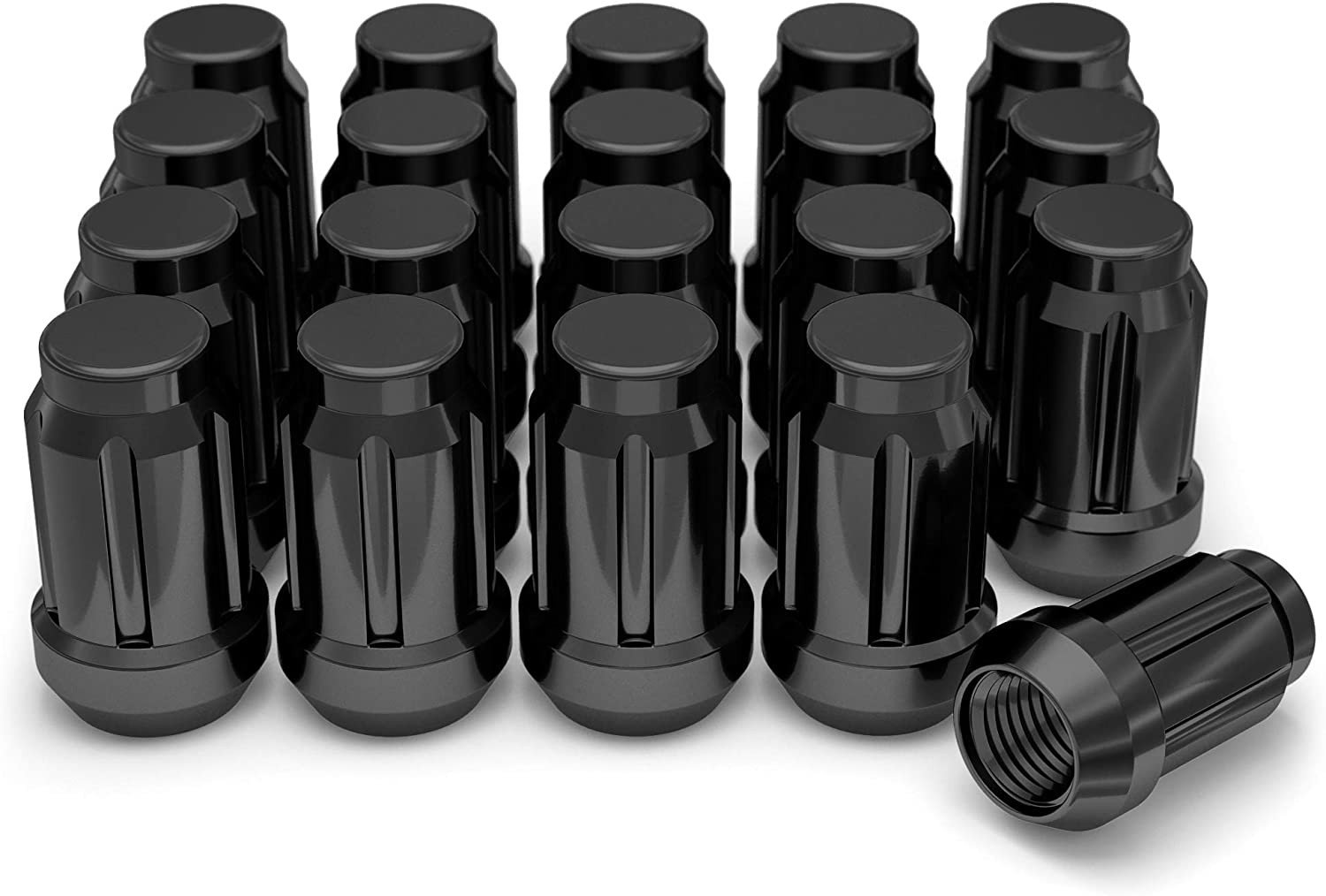
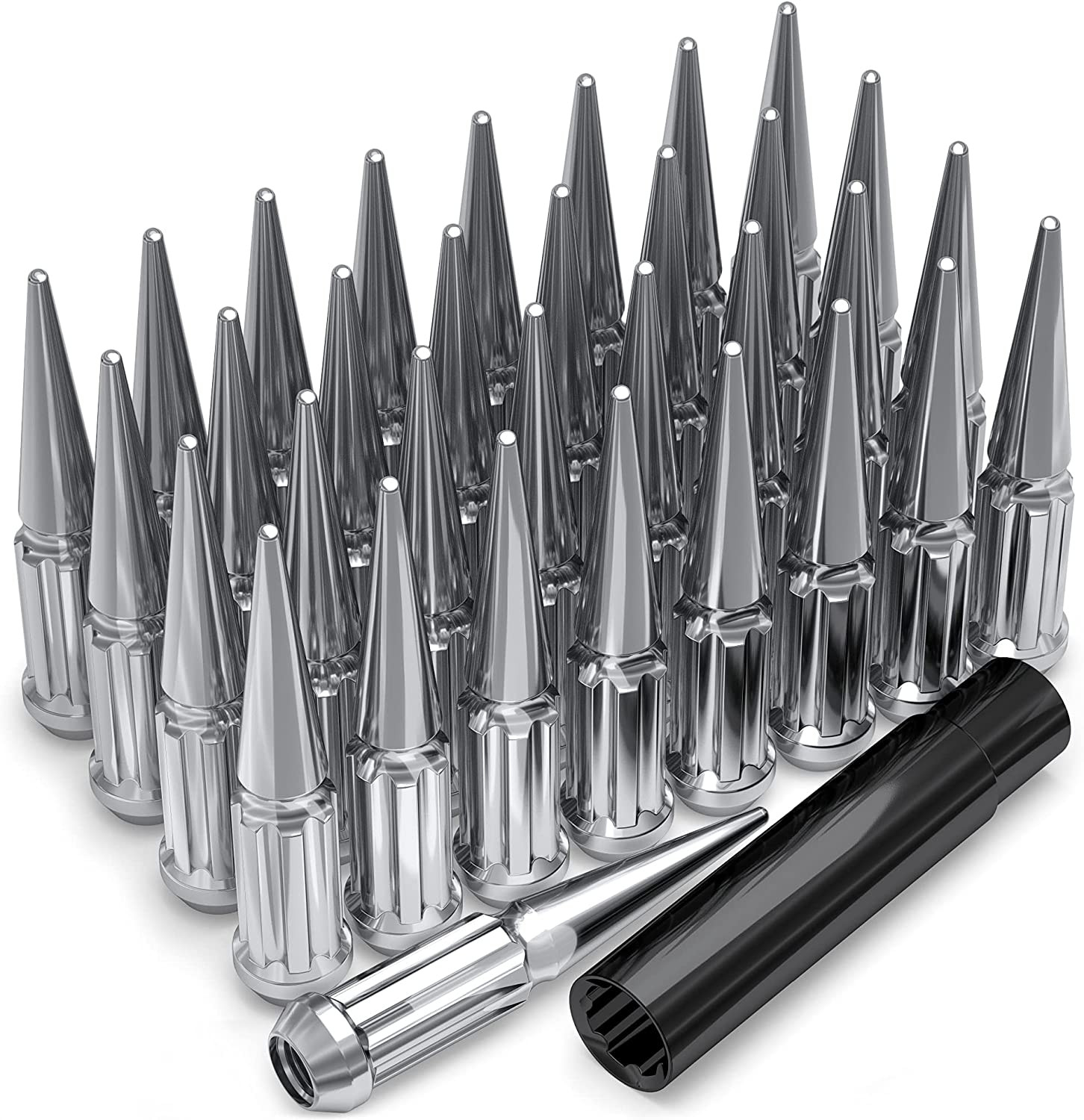
- Confirm that the wheel uses compatible lug hardware. Thread size alone does not confirm the correct seat type, shank length, or washer design.
- Check clearance to brake calipers, struts, control arms, tie rods, fenders, and inner liners.
- Confirm that the tire does not contact the vehicle at full steering lock, full suspension compression, or when the vehicle is loaded.
Plus Sizing And Common Upgrades
Plus sizing generally means using a larger wheel diameter with a lower-profile tire to maintain a similar overall tire diameter. The calculator can help compare custom wheel and tire sizes, but the result must be checked against actual vehicle clearance and the tire manufacturer’s approved rim-width range.
Do not assume that a 16-inch wheel is correct solely because a 16-inch rim diameter appears in the supplied data. The separate 15-inch tire rim-diameter entry indicates that the source information may combine different configurations or contain an error. Confirm the original equipment size for the specific vehicle before selecting a plus-size package.
Changing wheel width or offset can move the inner and outer wheel edges even when the tire diameter stays similar. A wheel that clears the fender may still contact suspension components, and a wheel that clears the suspension may protrude too far. Use the calculator for comparison, then perform a careful physical check.
Installation Tips
- Clean the hub face and wheel mounting surface before installation. Remove rust and debris without removing metal from the mating surfaces.
- Check that the wheel sits fully flush against the hub and that no casting feature, spacer, or ring prevents proper seating.
- Install compatible lug hardware by hand first. Stop if the threads bind or the lug seat does not match the wheel.
- Tighten the lugs in a crisscross pattern while the vehicle is on the ground or supported according to safe workshop procedure.
- Use the vehicle manufacturer’s specified lug torque. Do not substitute a generic torque value, and do not lubricate threads unless the applicable service procedure specifically requires it.
- After installation, rotate each wheel by hand where safe and check for obvious interference.
- Drive slowly at first, listen for contact, and recheck lug torque after the initial driving period according to the wheel and vehicle manufacturer’s instructions.
- Recheck tire pressure with an accurate gauge and use the vehicle manufacturer’s cold-pressure specification unless a qualified tire professional provides a documented alternative.
Tools And Helpful Supplies
Useful equipment includes a calibrated torque wrench, suitable socket, tire-pressure gauge, tread-depth gauge, flashlight, straightedge, and a means of safely supporting the vehicle. An inexpensive automotive torque wrench can help with final lug tightening, but always follow the vehicle and wheel manufacturer torque instructions.
A digital tire pressure gauge is useful for checking cold tire pressure after installation. Never work under a vehicle supported only by a jack. Use properly rated jack stands and follow the vehicle owner’s lifting points.
FAQs
What is the bolt pattern listed for the 1999 Hyundai Sonata?
The supplied bolt pattern is 4x114.3. Confirm the vehicle-specific specification before purchase, especially if the vehicle has been modified or has replacement hubs.
What center bore is listed for this Sonata?
The supplied center bore is 67.1 mm. A wheel with a smaller center bore will not fit over the hub. A larger center bore may need properly sized hub-centric rings if approved for that wheel and application.
What wheel offset is listed?
The supplied offset is ET45, or 45 mm positive offset. Offset affects inner suspension clearance and outer fender position, so compare it with the donor wheel and inspect the vehicle in person.
Why do the supplied rim and tire diameter values disagree?
The wheel data lists a 16-inch rim diameter, while the tire data lists a 15-inch tire rim diameter. This may reflect different configurations or a source-data error. Check the tire sidewall and vehicle documentation, then enter the verified values into the calculator.
Can I install any wheel with a 4x114.3 bolt pattern?
No. Bolt pattern is only one part of fitment. You must also verify center bore, wheel width, diameter, offset, brake clearance, lug hardware, load capacity, and tire compatibility.
Does a larger wheel always require a larger tire?
A larger wheel requires a tire with a matching rim diameter, but the tire’s section width, aspect ratio, overall diameter, load rating, and clearance must also be correct. Use the calculator to compare the proposed combination and verify it against OEM and tire-maker requirements.
Is the calculator enough to confirm a safe fit?
No. The calculator helps compare dimensions and shows how custom wheel and tire changes affect the comparison. It cannot identify every brake-caliper shape, suspension variation, damaged wheel, or interference condition. Confirm the specifications with OEM sources and perform a careful physical inspection or have a qualified technician do so.