2013 Mazda Mazda6 Wheel Fitment and Interchange
Use this page to compare wheel dimensions for a 2013 Mazda Mazda6. The calculator can compare wheels from a donor vehicle with the wheels installed on your Mazda6, then show how custom wheel and tire dimensions affect the comparison.
Known OEM Fitment For 2013 Mazda Mazda6
The following specifications are the known values supplied for this page. Mazda6 fitment can vary by trim, equipment package, market, and wheel configuration, so confirm the original equipment specifications for your specific vehicle before ordering.
| Specification |
Known value |
What to verify |
| Bolt pattern |
5x114.3 |
Confirm that the replacement wheel uses five studs on a 114.3 mm pitch circle diameter. |
| Center bore |
67.1 mm |
Verify the wheel hub opening and whether hub-centric rings are needed for an aftermarket wheel. |
| Thread size |
M12 x 1.5 |
Confirm lug nut thread compatibility and the correct seat style for the wheel. |
| Rim diameter |
19 inches |
Check the vehicle label, owner manual, and the size marked on the wheel currently installed. |
| Rim width |
8.0 inches |
Confirm the stamped wheel width before matching a tire. |
| Wheel offset |
ET45 |
Measure or read the offset marking on the wheel. Offset changes inner and outer clearance. |
| Backspacing |
5.77 inches |
Use the calculator and a physical clearance check when comparing a different width or offset. |
| Tire section width |
205 mm |
Confirm the approved tire size from the vehicle placard and tire manufacturer data. |
| Tire aspect ratio |
65 |
Verify the complete tire marking, including the section width and rim diameter. |
| Tire rim diameter |
R16 |
Confirm whether this tire specification applies to your vehicle or to a separate wheel configuration. |
The supplied data lists a 19-inch rim and also lists a tire size ending in R16. Those values do not describe one complete mounted tire and wheel package because an R16 tire is designed for a 16-inch rim. Treat these as separate known data points rather than combining them. Confirm the correct tire size for your trim using the driver's door-jamb label, the owner's manual, the current tire sidewall, and Mazda parts information.
How To Use The Wheel Interchange Calculator
Start by entering or selecting the donor vehicle under Wheels from. Enter your 2013 Mazda Mazda6 under Installed on. The calculator is designed to compare the donor wheel's diameter, width, offset, and related fitment information with the dimensions associated with your vehicle.
For a custom wheel, use the custom wheel size controls to enter rim diameter, rim width, and offset. For a custom tire, enter section width and aspect ratio. Make sure the tire's rim diameter matches the wheel diameter. For example, do not use an R16 tire on a 19-inch wheel.
When you change rim diameter, the calculator updates the tire diameter in the comparison. Review the resulting diameter, sidewall, and clearance changes instead of evaluating wheel diameter alone. A calculator is a screening tool, not a substitute for checking brake clearance, suspension clearance, fender clearance, steering clearance, load rating, and local legal requirements.
Use the known 5x114.3 bolt pattern, 67.1 mm center bore, M12 x 1.5 thread information, and the wheel dimensions listed above as starting points. If a trim-specific value is not shown, leave it unconfirmed and verify it from OEM documentation or the vehicle itself.
Fitment Checklist Before You Buy
Confirm the following before purchasing wheels or tires for your Mazda6:
- Match the five-lug 5x114.3 bolt pattern.
- Check the wheel center bore against the 67.1 mm vehicle hub specification. A larger aftermarket bore may require correctly sized hub-centric rings. A smaller bore will not fit over the hub.
- Compare wheel width and ET offset, not just overall diameter. A change in either dimension can move the wheel toward the suspension or fender.
- Verify brake caliper and rotor clearance with a physical test fit when wheel design or spoke shape changes.
- Confirm the tire's rim diameter matches the wheel. The supplied R16 tire value should not be paired with the supplied 19-inch rim value without further verification.
- Use the vehicle door label and owner's manual to confirm approved tire sizes, cold inflation pressure, and load requirements.
- Check that the tire load index and speed rating meet or exceed the vehicle's requirements.
- Inspect inner sidewall, strut, spring, control arm, and brake-line clearance through the full steering range.
- Check outer sidewall and tread clearance at normal ride height and with the suspension compressed.
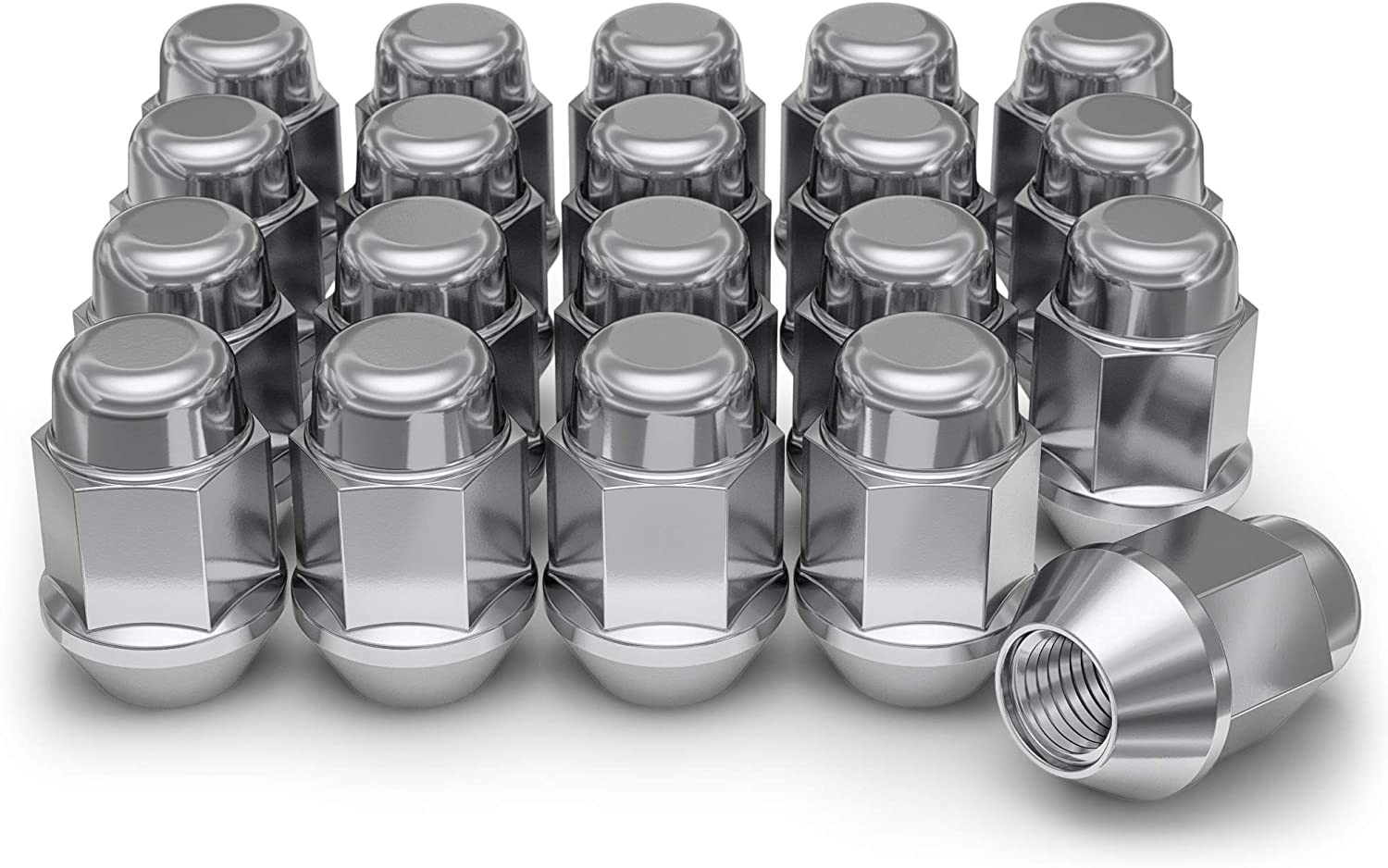
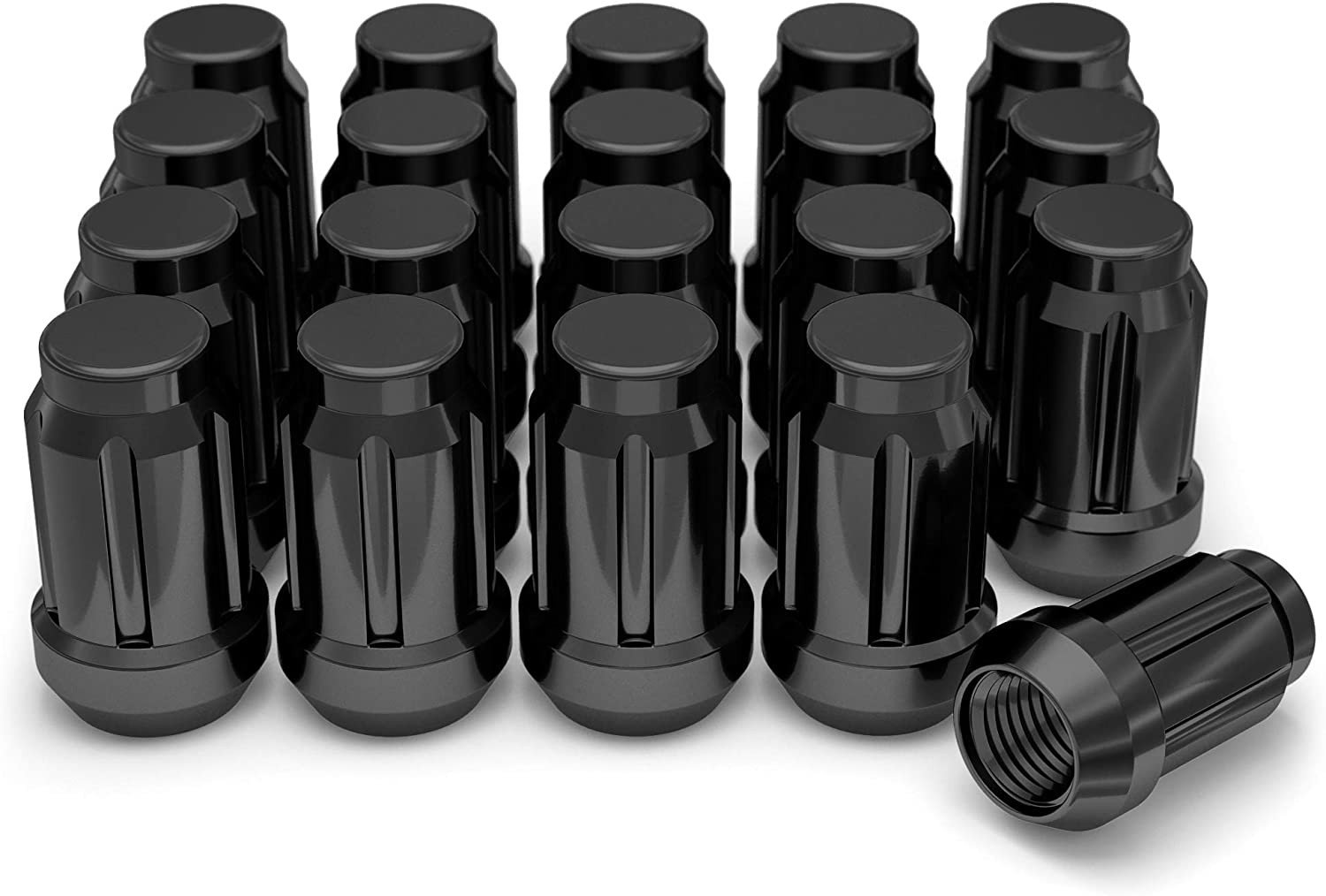
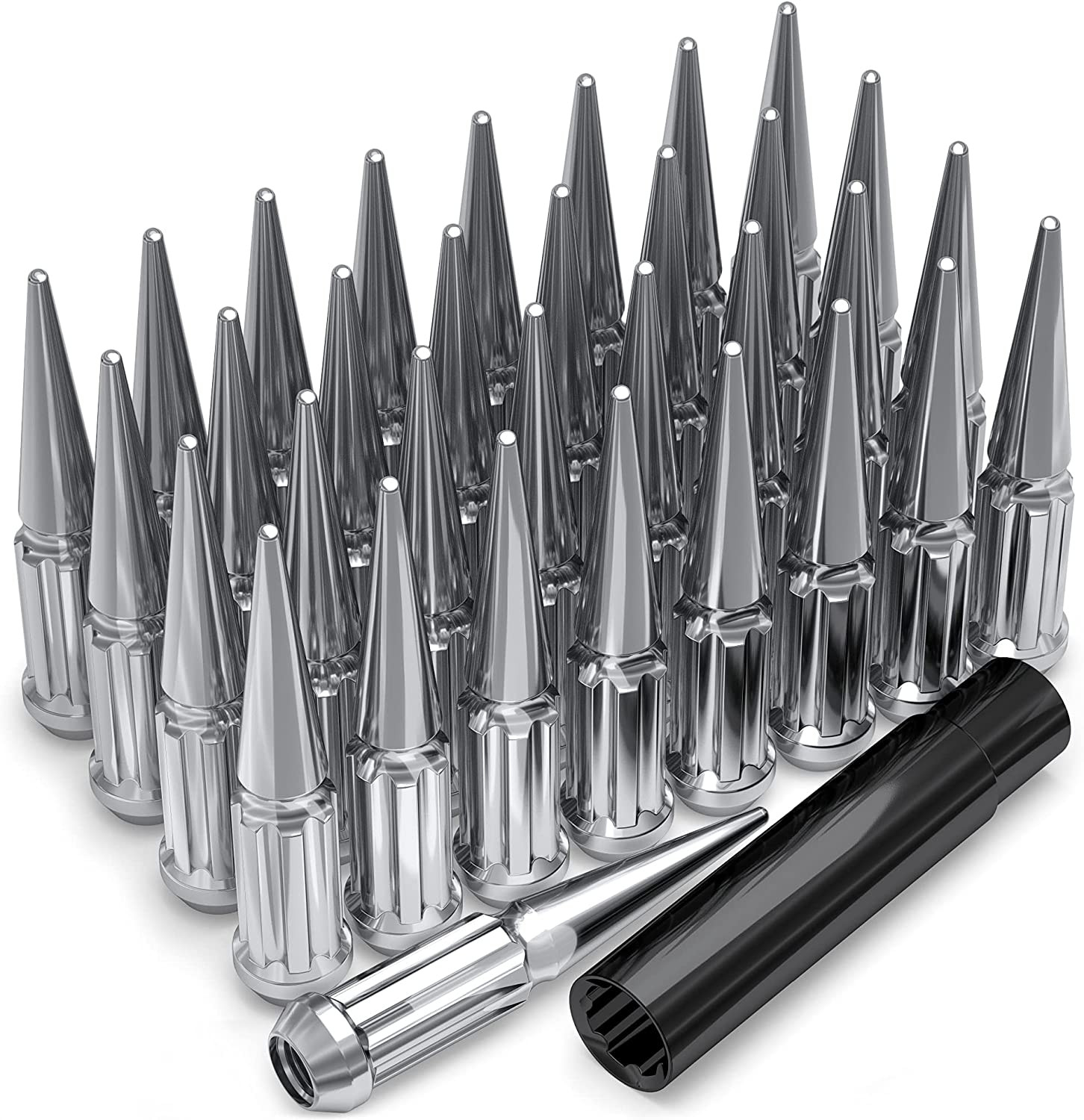
- Confirm that the wheel uses compatible lug nuts, including the correct thread and seat type. Thread size alone does not identify the correct lug nut seat.
- After installation, check torque with a calibrated torque wrench using the vehicle or wheel manufacturer's specification.
Plus Sizing And Common Upgrades
Plus sizing generally means using a larger wheel diameter with a lower-profile tire so the overall tire diameter remains close to the original. The goal is to preserve speedometer behavior, gearing, suspension travel, and electronic system expectations while changing wheel appearance or response. The correct replacement size cannot be determined from the supplied data alone because the listed 19-inch wheel and R16 tire value are not one complete package.
Use the calculator to compare a proposed wheel and tire combination with the verified size on your Mazda6. Pay close attention to overall diameter, section width, sidewall height, wheel width, offset, and backspacing. A wider tire or a more aggressive offset may create rubbing even when the bolt pattern matches.
Lower-profile tires can provide sharper steering response, but they generally have less sidewall protection against potholes and impact damage. They may also transmit more road shock. Select a tire with an appropriate load rating and confirm that its approved rim-width range includes the chosen wheel width.
Do not assume that every 5x114.3 wheel is compatible. Bolt pattern, center bore, offset, brake clearance, lug nut seat, wheel load rating, and tire requirements all need to be checked together. The vehicle-specific approved sizes from Mazda remain the primary reference.
Installation Tips
Inspect every wheel for cracks, bends, corrosion, damaged mounting holes, and distorted bead seats before installation. Clean the vehicle hub and wheel mounting surface so rust or debris does not create runout. Do not use spacers or adapters unless they are properly engineered for the application and approved for the intended load.
Install the correct lug nuts by hand first to avoid cross-threading. Tighten them in a star pattern, lower the vehicle until the tire is lightly loaded, and torque them to the specification provided by Mazda or the wheel manufacturer. Recheck torque after the initial driving period specified by the wheel manufacturer.
After fitting the wheels, turn the steering from lock to lock and inspect for contact. If possible, check clearance with the suspension loaded and compressed. Look for contact on the strut, inner fender, outer fender, brake components, and suspension arms. Any rubbing, vibration, steering pull, or unusual noise requires inspection before continued driving.
Set cold tire pressure according to the vehicle placard unless a qualified tire professional or manufacturer specifies otherwise. If the tire pressure monitoring system uses sensors inside the wheels, confirm sensor compatibility and relearn requirements before driving.
Tools And Helpful Supplies
Useful supplies for a careful wheel installation include a calibrated torque wrench, properly sized socket, jack and jack stands rated for the vehicle, wheel chocks, a tire pressure gauge, and a tread depth gauge. A hub cleaning brush and non-abrasive cleaner can help remove rust and debris from the mounting surfaces.
A wheel clearance gauge or a simple test-fit procedure can help identify spoke and caliper interference, but these checks should be performed safely with the vehicle properly supported. A tape measure can assist with basic offset and backspacing comparisons, although it does not replace a full physical fitment check.
For compatible tools and wheel installation supplies, see these Amazon searches:
FAQs
Does the 2013 Mazda Mazda6 use a 5x114.3 bolt pattern?
The known fitment supplied for this page is 5x114.3. Confirm the marking and application before buying, especially if the vehicle has non-original wheels or parts.
What is the center bore listed for this Mazda6?
The supplied center bore is 67.1 mm. An aftermarket wheel with a larger center bore may need correctly sized hub-centric rings. A wheel with a smaller center bore generally will not fit over the vehicle hub.
Can I install an R16 tire on the supplied 19-inch wheel?
No. An R16 tire is intended for a 16-inch rim, while the supplied wheel diameter is 19 inches. The data appears to include separate configurations or partial information, so verify the complete tire and wheel package from OEM sources and the vehicle label.
Is ET45 the correct offset for every 2013 Mazda6 trim?
ET45 is the known offset supplied for this page, but trim and wheel configuration can vary. Check the offset stamping on the original wheel, Mazda documentation, or a VIN-based parts source before treating it as universal.
Does matching 5x114.3 guarantee that a wheel will fit?
No. The bolt pattern is only one requirement. Center bore, offset, width, brake clearance, spoke shape, wheel load rating, lug nut seat, and tire dimensions must also be compatible.
How do I compare a donor wheel with my Mazda6?
Select the donor vehicle under Wheels from and the 2013 Mazda Mazda6 under Installed on. Review diameter, width, offset, backspacing, tire dimensions, and calculated diameter changes. Then verify the result with a physical clearance inspection and OEM requirements.
What should I do if the calculator or vehicle listing does not show my trim?
Do not guess the missing specification. Check the driver's door-jamb label, owner's manual, wheel markings, current tire sidewall, Mazda parts information, or a VIN-based OEM source. Enter confirmed values into the custom wheel and tire fields when appropriate.
Do I need different lug nuts for aftermarket wheels?
Possibly. The known thread size is M12 x 1.5, but the wheel's lug seat may require a specific conical, ball, or other seat design. Match the lug nut seat to the wheel manufacturer’s instructions and verify engagement before driving.
Should I get an alignment after changing wheels or tires?
An alignment is not automatically required for every wheel change, but it is wise to inspect alignment if the vehicle pulls, the steering wheel is off-center, tires wear unevenly, or suspension parts were disturbed. Any rubbing or handling change should be diagnosed before regular use.