OEM wheel and tire fitment specs for the 2006 BMW M3, including bolt pattern (PCD), center bore diameter, thread size, rim diameter, rim width, wheel offset, and backspacing.
2006 BMW M3 Fitment Specs
Baseline mounting dimensions used for interchange decisions.
Multiple OEM configurations exist for this vehicle. Fitment can vary by trim, brakes, and factory wheel package – confirm your exact setup before buying.
Wheels That Interchange With a 2006 BMW M3
Results are evaluated from bolt pattern, center bore direction, OEM width/offset envelope, and lug hardware – not bolt pattern alone.
Donor width/offset sits outside the known OEM envelope for this vehicle. Precomputed data suggested a spacer; geometry was re-checked against OEM envelope.
Donor width/offset sits outside the known OEM envelope for this vehicle. Precomputed data suggested a spacer; geometry was re-checked against OEM envelope.
Donor width/offset sits outside the known OEM envelope for this vehicle. Precomputed data suggested a spacer; geometry was re-checked against OEM envelope.
Donor width/offset sits outside the known OEM envelope for this vehicle. Precomputed data suggested a spacer; geometry was re-checked against OEM envelope.
Donor width/offset sits outside the known OEM envelope for this vehicle. Precomputed data suggested a spacer; geometry was re-checked against OEM envelope.
Donor width/offset sits outside the known OEM envelope for this vehicle. Precomputed data suggested a spacer; geometry was re-checked against OEM envelope.
Donor width/offset sits outside the known OEM envelope for this vehicle. Precomputed data suggested a spacer; geometry was re-checked against OEM envelope. Use lug nuts / bolts specified for your vehicle.
Donor width/offset sits outside the known OEM envelope for this vehicle. Precomputed data suggested a spacer; geometry was re-checked against OEM envelope. Use lug nuts / bolts specified for your vehicle.
Donor width/offset sits outside the known OEM envelope for this vehicle. Precomputed data suggested a spacer; geometry was re-checked against OEM envelope. Use lug nuts / bolts specified for your vehicle.
Showing 24 of 95 evaluated donors. Same-model years are prioritized.
BMW M3 Years With Compatible Wheels
Only years with evidence-based interchange relationships are listed. Adjacent years are not assumed compatible.
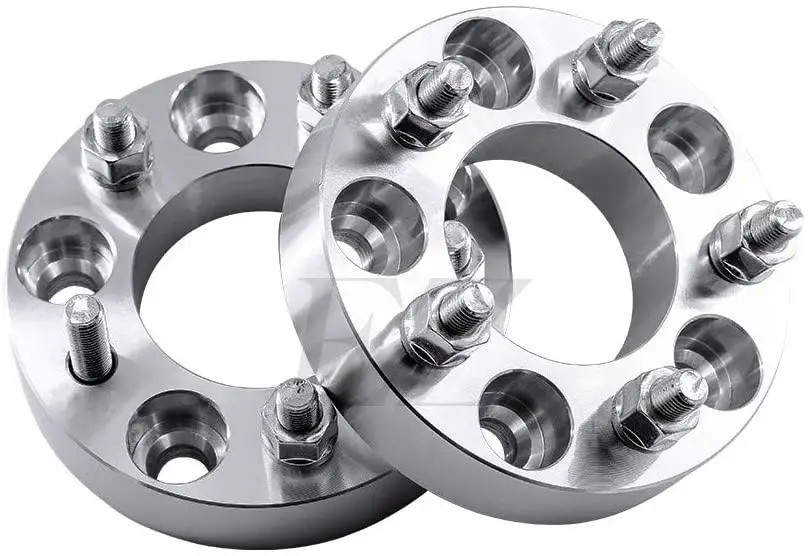
A normal wheel spacer does not change bolt pattern. Hub rings cannot enlarge a wheel bore that is smaller than the hub. Brake clearance and tire package fitment still require vehicle-specific checks when not confirmed in the dataset.
2006 BMW M3 Wheel Fitment Guide
You want a clean fit without surprises. The 2006 BMW M3 can be particular about wheels. I steward risk by starting from what we know, then walking the edge cases before you buy or bolt anything on.
1. Baseline
These values are recorded for at least one factory package. Other packages may differ. The M3 often ran staggered setups, so front and rear may not match. Do not assume. Confirm with the on-page calculator and OEM sources.
Spec
Value
Bolt pattern
5x120
Center bore
72.6 mm
Thread size
M12 x 1.5
Recorded rim size
17 x 7.5 in
Offset (ET)
ET 41 mm
Backspacing
5.36 in
Recorded tire size
225/45R18
Yes, that shows a 17 inch wheel and an 18 inch tire record. That signals multiple factory packages. In some cases trims, options, or markets vary. Verify what your car actually uses.
2. Edge cases
Staggered fitment. Front and rear widths and offsets may differ.
Brake clearance. Some 17 inch designs can clip M3 calipers.
Aftermarket center bores. Many wheels are larger and need rings.
Spacer use. Bolts can become too short, which is a safety risk.
Inner clearance. Low offsets can hit struts on lock or bumps.
Outer poke. Higher width or low ET can touch fenders under load.
Tire diameter drift. Big changes may upset ABS and gearing.
Used wheel variance. Bent barrels or repaired lips can skew fit.
3. Detection
Confirm your car’s exact baseline before choosing wheels. Here’s a simple flow.
Read the current tire sidewall on your M3. Note size and load index.
Check the wheel stamps. Width and offset are usually cast inside the spokes. Example format: 7.5Jx17 ET41.
Measure center bore fit. The wheel should seat snugly on the 72.6 mm hub.
Count thread engagement. You want healthy engagement on M12 x 1.5 bolts.
Use the wheelinterchange.com calculator. Set Installed on to 2006 BMW M3. Set Wheels from to your donor wheel or a candidate size.
Try Custom wheel size and Custom tire size. Changing rim diameter updates tire diameter in the comparison. Watch inner clearance, poke, and tire diameter change.
Test-fit when possible. Spin the wheel by hand. Check clay or putty on the caliper for contact marks.
Road test carefully. Listen for rub at full lock and over bumps.
4. Mitigations
Hub-centric rings. If the wheel bore is larger than 72.6 mm, use rings to avoid vibration. Search hub-centric rings
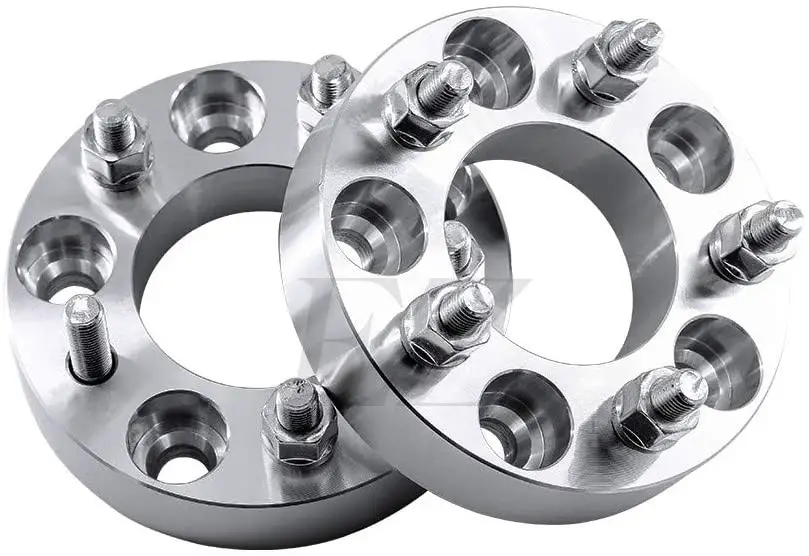
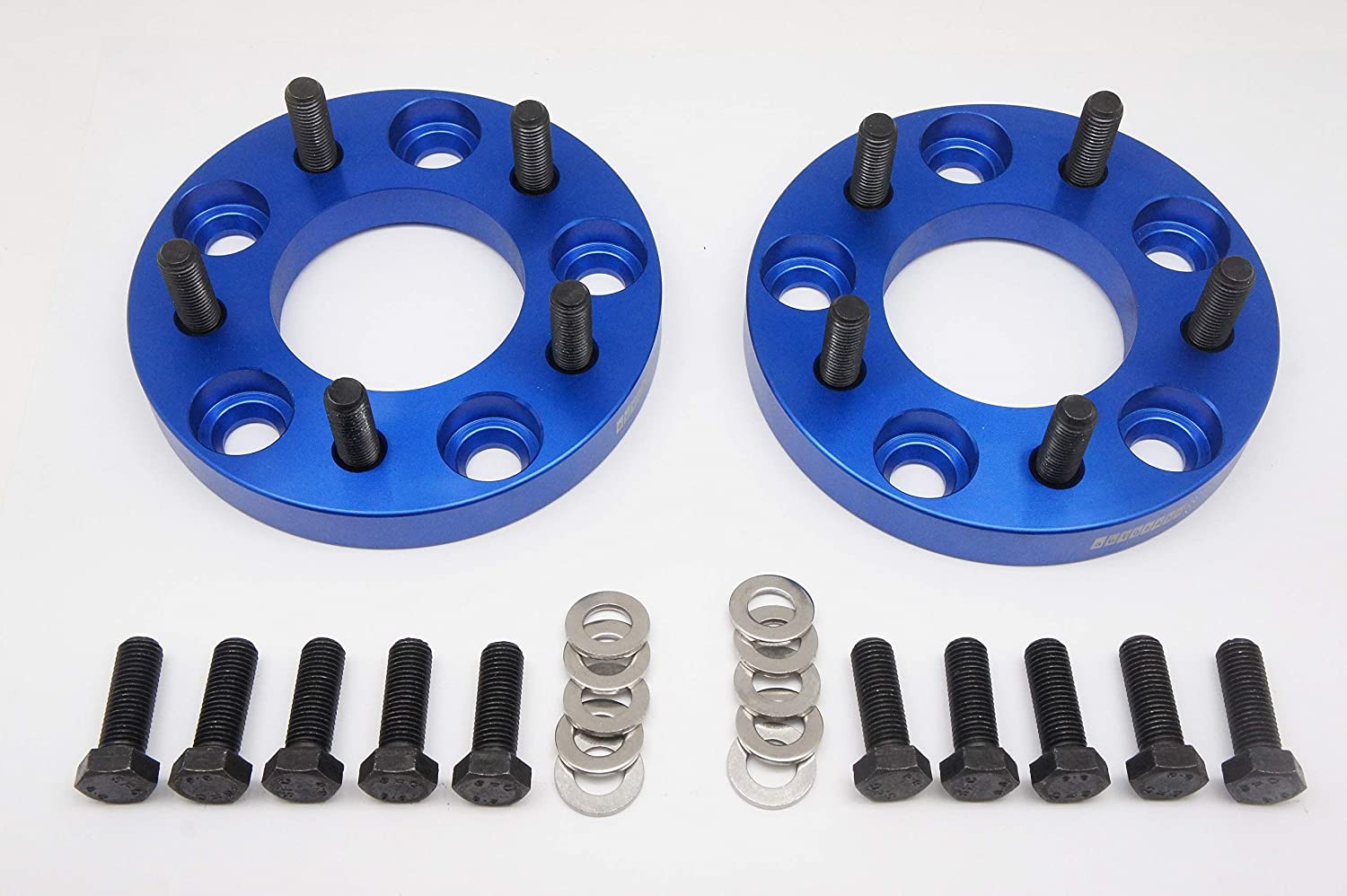
Spacers for inner rub. A thin, quality hub-centric spacer can help. Only with proper bolt or stud length. Search hub-centric spacers
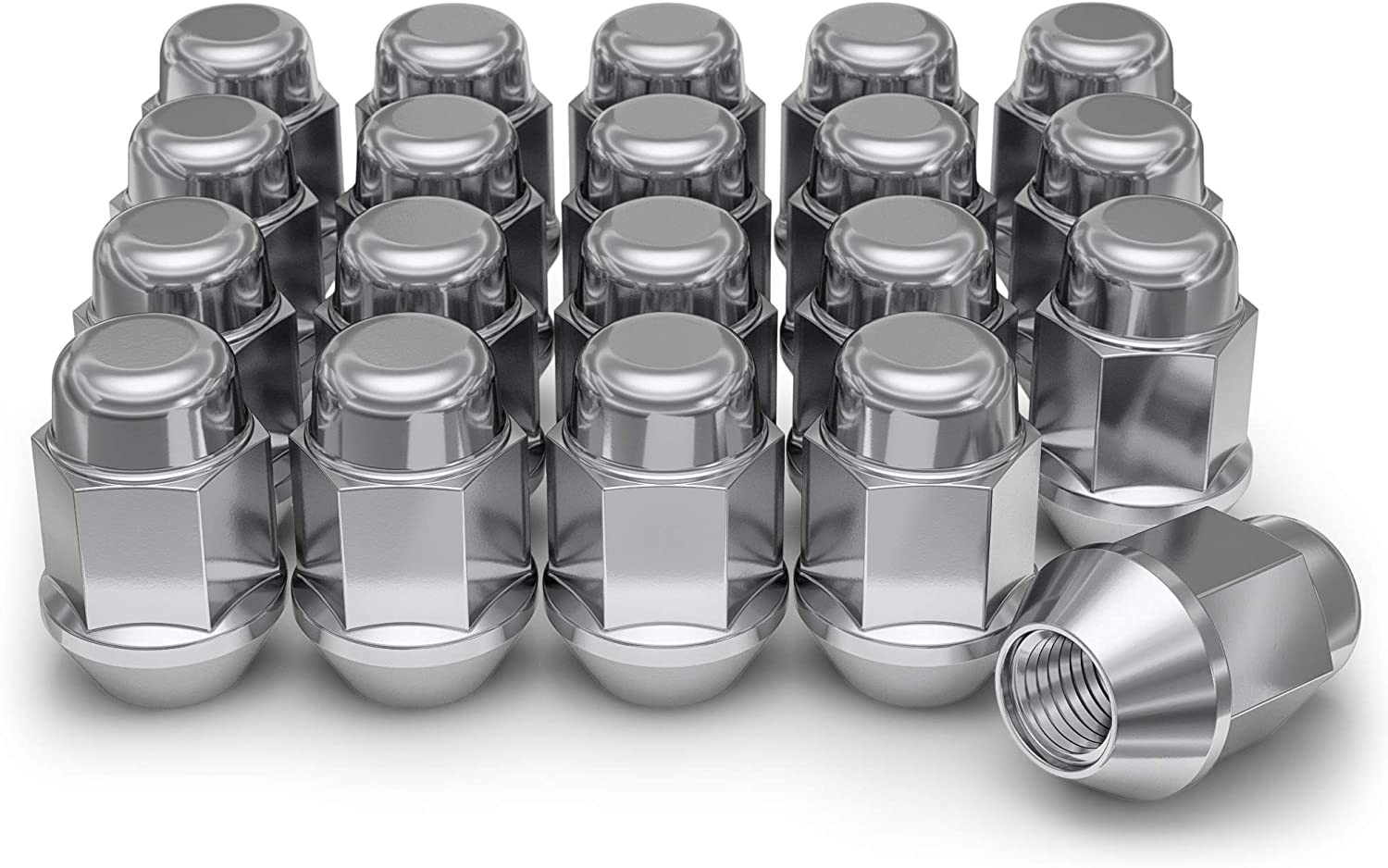
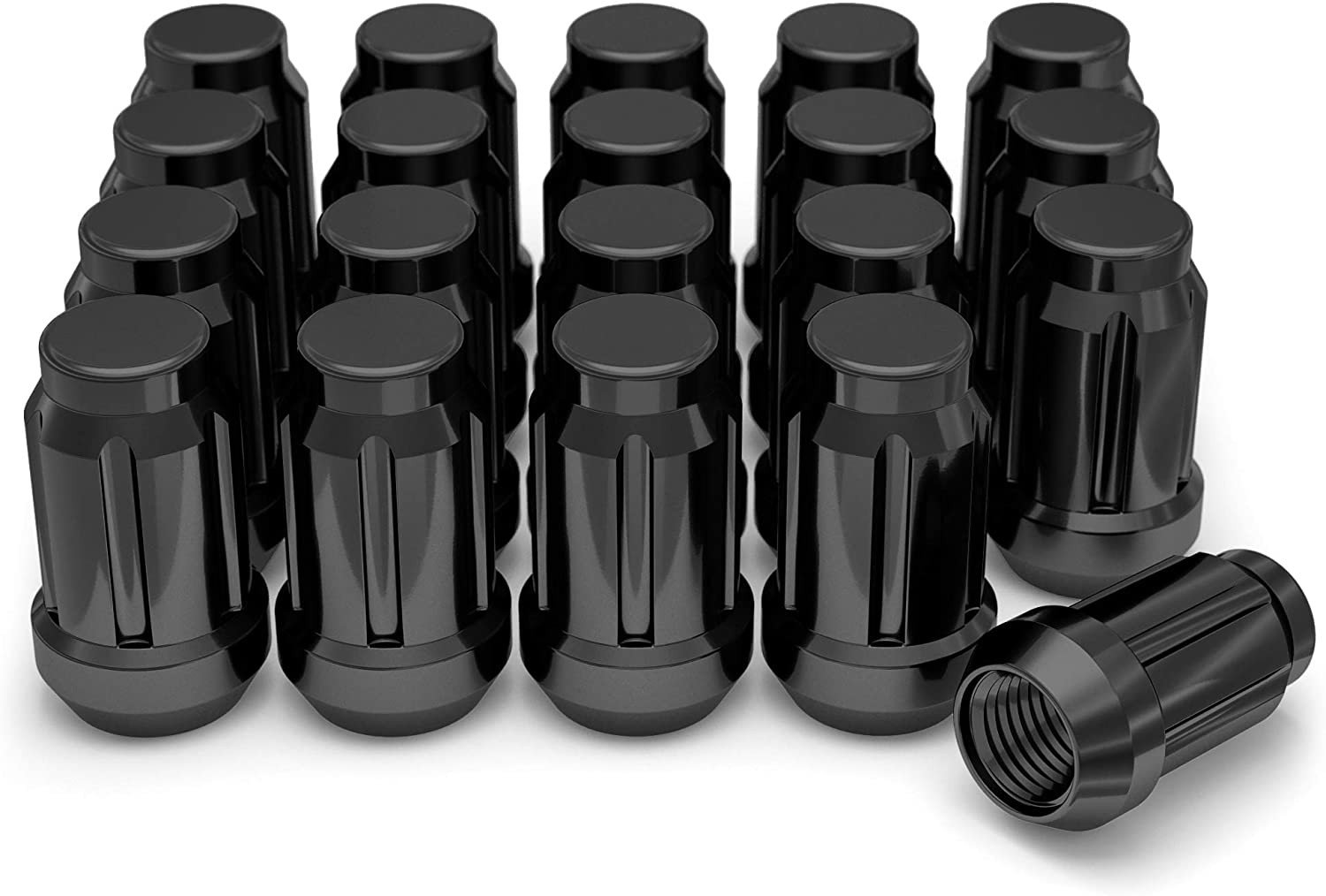
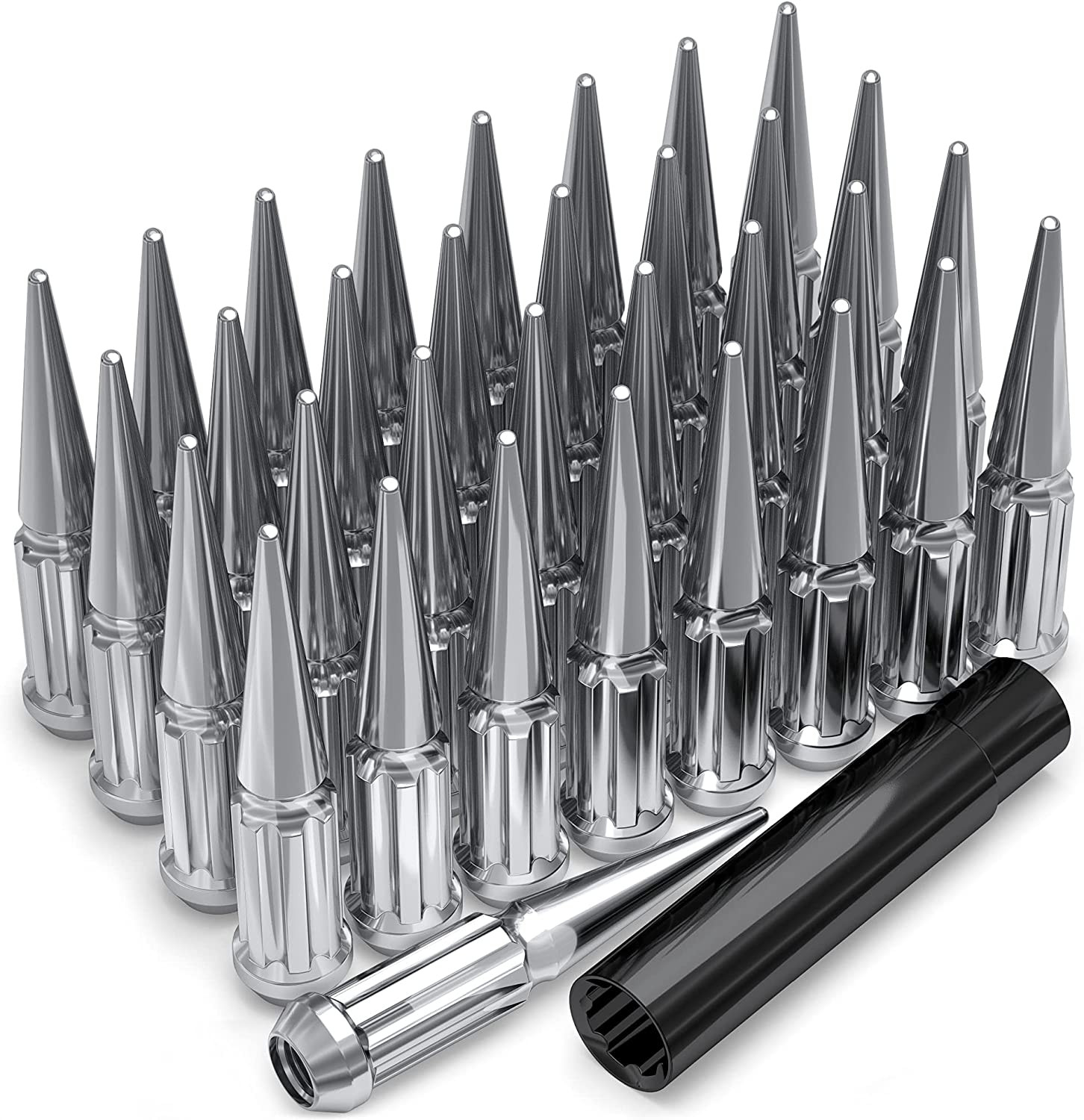
Correct hardware. Match M12 x 1.5, proper seat type, and length. Search wheel bolts
Torque control. Use a calibrated torque wrench for final tightening. Search torque wrenches
Tire sizing mitigation. Use the calculator to keep tire diameter change modest. In many cases, about 1 to 2 percent works better.
Alignment and fender work. Minor negative camber or a gentle fender roll can rescue borderline fits. Use as a last resort.
5. Safe defaults
Keep the bolt pattern 5x120, center bore 72.6 mm, and M12 x 1.5 hardware.
Match the wheel and tire sizes already on your car if they are OEM. That is the lowest risk path.
If sizes differ by package, set the calculator to your stamped wheel specs, then compare candidates within about plus or minus 5 mm offset and plus or minus 0.5 inch width. This keeps changes manageable in most cases.
Limit tire diameter change. Aim for a small difference on the calculator. It helps speedometer and gearing stay sensible.
Confirm brake clearance before buying 17 inch wheels. Some designs may clear, others may not.
6. Checklist
Confirm 5x120, 72.6 mm bore, and M12 x 1.5 on the car.
Read the current wheel stamp for width and ET. Record it.
Enter both setups in the calculator. Compare clearance and diameter.
Plan hub-centric rings if the wheel bore is larger than 72.6 mm.
Plan spacers only if needed, with correct longer bolts or studs.
Dry fit. Check caliper, strut, and fender at full lock and compression