2016 BMW M3
Direct Fit- Bolt pattern5x120 · Match
- Center bore72.6 mm · Match
- Wheel geometryCompatible with OEM envelope
Geometry within known OEM envelope (approx. outer change -2.18 mm, inner change -4.18 mm vs mid OEM).
Baseline mounting dimensions used for interchange decisions.
Multiple OEM configurations exist for this vehicle. Fitment can vary by trim, brakes, and factory wheel package – confirm your exact setup before buying.
Results are evaluated from bolt pattern, center bore direction, OEM width/offset envelope, and lug hardware – not bolt pattern alone.
Geometry within known OEM envelope (approx. outer change -2.18 mm, inner change -4.18 mm vs mid OEM).
Geometry within known OEM envelope (approx. outer change -2.18 mm, inner change -4.18 mm vs mid OEM).
Geometry within known OEM envelope (approx. outer change -2.18 mm, inner change -4.18 mm vs mid OEM).
Geometry within known OEM envelope (approx. outer change -2.18 mm, inner change -4.18 mm vs mid OEM).
Geometry within known OEM envelope (approx. outer change -2.18 mm, inner change -4.18 mm vs mid OEM).
Geometry within known OEM envelope (approx. outer change -2.18 mm, inner change -4.18 mm vs mid OEM).
Geometry within known OEM envelope (approx. outer change -2.18 mm, inner change -4.18 mm vs mid OEM).
Geometry within known OEM envelope (approx. outer change -2.18 mm, inner change -4.18 mm vs mid OEM).
Geometry within known OEM envelope (approx. outer change -2.18 mm, inner change -4.18 mm vs mid OEM).
Geometry within known OEM envelope (approx. outer change -2.18 mm, inner change -4.18 mm vs mid OEM).
Geometry within known OEM envelope (approx. outer change -2.18 mm, inner change -4.18 mm vs mid OEM).
Geometry within known OEM envelope (approx. outer change -2.18 mm, inner change -4.18 mm vs mid OEM).
HardwareLug nuts for M14x1.25
Use lug nuts compatible with your vehicle's studs. Geometry within known OEM envelope (approx. outer change -4.18 mm, inner change -2.18 mm vs mid OEM).
HardwareLug nuts for M14x1.25
Use lug nuts compatible with your vehicle's studs. Geometry within known OEM envelope (approx. outer change -4.18 mm, inner change -2.18 mm vs mid OEM).
HardwareLug nuts for M14x1.25
Use lug nuts compatible with your vehicle's studs. Geometry within known OEM envelope (approx. outer change -4.18 mm, inner change -2.18 mm vs mid OEM).
HardwareLug nuts for M14x1.25
Use lug nuts compatible with your vehicle's studs. Geometry within known OEM envelope (approx. outer change -4.18 mm, inner change -2.18 mm vs mid OEM).
HardwareLug nuts for M14x1.25
Use lug nuts compatible with your vehicle's studs. Geometry within known OEM envelope (approx. outer change -4.18 mm, inner change -2.18 mm vs mid OEM).
HardwareLug nuts for M14x1.25
Use lug nuts compatible with your vehicle's studs. Geometry within known OEM envelope (approx. outer change -4.18 mm, inner change -2.18 mm vs mid OEM).
Donor width/offset sits outside the known OEM envelope for this vehicle. Use lug nuts / bolts specified for your vehicle.
Donor width/offset sits outside the known OEM envelope for this vehicle. Use lug nuts / bolts specified for your vehicle.
Donor width/offset sits outside the known OEM envelope for this vehicle. Use lug nuts / bolts specified for your vehicle.
Donor width/offset sits outside the known OEM envelope for this vehicle. Use lug nuts / bolts specified for your vehicle.
Donor width/offset sits outside the known OEM envelope for this vehicle. Use lug nuts / bolts specified for your vehicle.
Donor width/offset sits outside the known OEM envelope for this vehicle. Use lug nuts / bolts specified for your vehicle.
Showing 24 of 95 evaluated donors. Same-model years are prioritized.
Only years with evidence-based interchange relationships are listed. Adjacent years are not assumed compatible.
Compare a donor vehicle or custom wheel against this 2015 BMW M3.
Compare wheel compatibility between two vehicles
2015 BMW M3





Products below are matched to required fitment dimensions from our parts inventory. Confirm seat style, thickness, and clearance before ordering.
M14 x 1.25
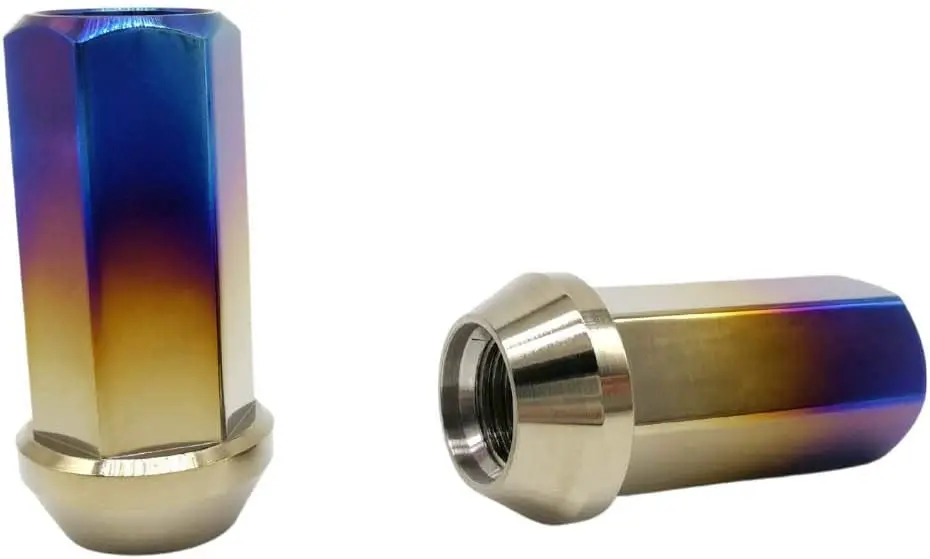
M14 x 1.25 · Confirm wheel seat style before ordering
View on Amazon →5x120 · 72.6 mm hub
Directional bolt-pattern adapters. A spacer does not change PCD.
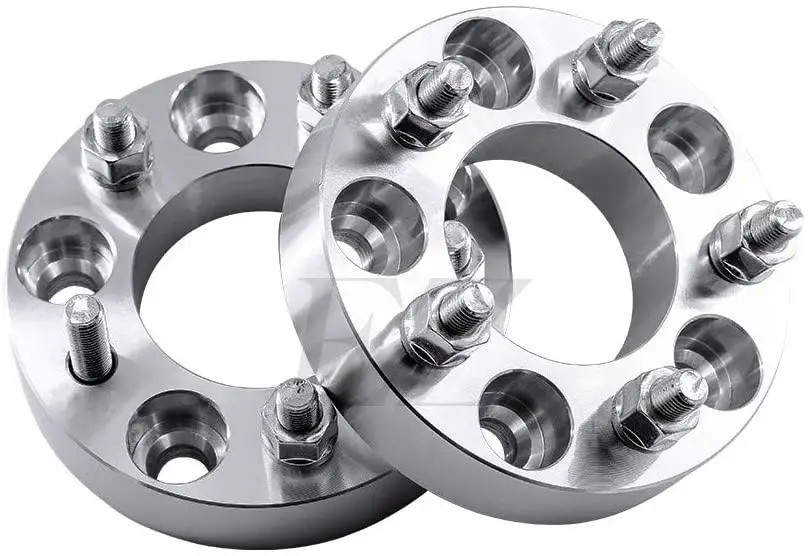
5x120 → 5x127
View on Amazon →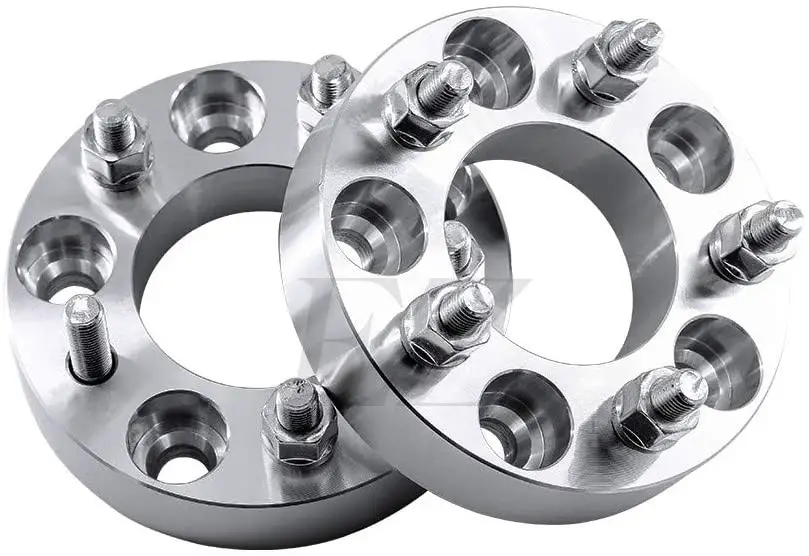
5x120 → 5x114.3
View on Amazon →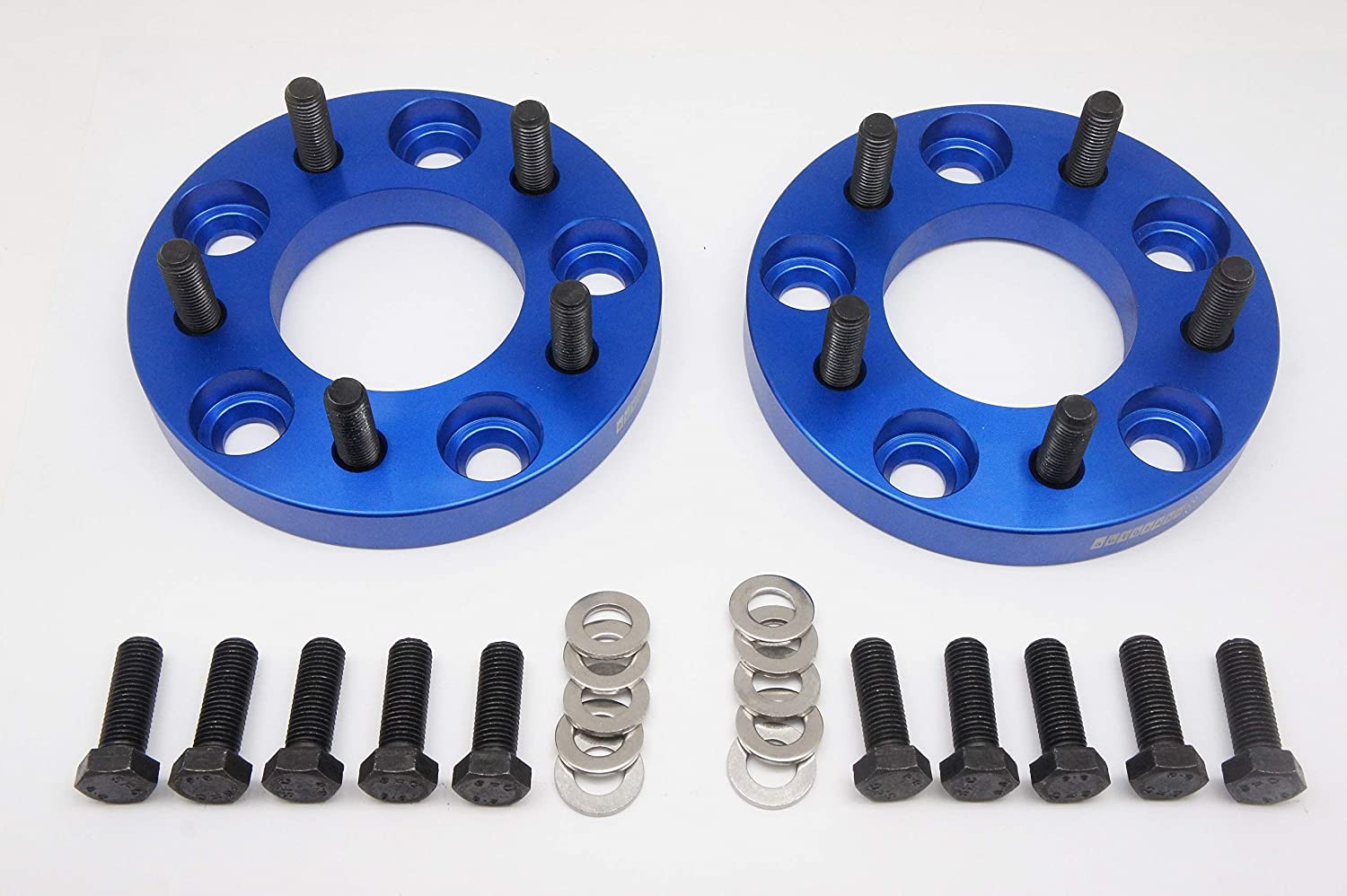
5x120 → 5x114.3
View on Amazon →As an Amazon Associate we earn from qualifying purchases. Product availability and pricing may change.
Wheel interchange depends on more than bolt pattern. Where data is available, this site compares:
A normal wheel spacer does not change bolt pattern. Hub rings cannot enlarge a wheel bore that is smaller than the hub. Brake clearance and tire package fitment still require vehicle-specific checks when not confirmed in the dataset.
This page lists verified specs provided for the 2015 BMW M3. If a value is missing or appears to vary by package, use the on-page calculator and your OEM sources to confirm your exact configuration. Wheel and tire packages can differ by market and options.
| Bolt pattern | 5x120 |
| Center bore | 72.6 mm |
| Thread size | M14 x 1.25 |
| Rim diameter | 19 in |
| Rim width | 9.0 in |
| Wheel offset (ET) | 29 mm |
| Backspacing | 5.64 in |
| Tire section width | 255 mm |
| Tire aspect ratio | 40 |
| Tire rim diameter | 18 in |
Notes for confirmation:
- The listed rim diameter and tire rim diameter indicate that more than one OEM wheel-tire package may exist for this model year. Check your door-jamb tire placard and the owner’s manual, or contact a BMW parts department with your VIN to confirm front and rear sizes.
- Backspacing can vary with wheel width and is sensitive to how width is measured. If you change width or offset, recalculate backspacing in the calculator to verify inner and outer clearances.
The calculator lets you compare Wheels from (donor vehicle) versus Installed on (your vehicle) and also test Custom wheel size and Custom tire size.
Step-by-step:
1) Select 2015 BMW M3 as Installed on (your vehicle). Enter the known specs above if not prefilled. If your door placard shows different front and rear sizes, run separate comparisons for each axle.
2) In Wheels from (donor vehicle), pick the candidate vehicle or manually enter the donor wheel specs.
3) Use Custom wheel size to change rim diameter, width, and offset. The tool will update inner clearance and outer poke so you can judge fender and suspension clearance.
4) Use Custom tire size to adjust section width and aspect ratio. When you change rim diameter, the calculator updates overall tire diameter in the comparison so you can keep speedometer error and ride height in check.
5) Review the comparison callouts: inner clearance to strut and liners, outer poke vs fender, overall tire diameter difference, and backspacing. Aim for minimal changes unless you have measured room for more.
Work through this quick list to avoid rubbing, vibration, or hardware issues.
- Bolt pattern and center bore: Wheels must be 5x120 and either 72.6 mm hub-centric or larger with hub-centric rings to 72.6 mm. A smaller center bore will not seat.
- Offset and width: Compare ET and width in the calculator. Ensure inner clearance to struts, spring perches, brake ducts, and liners. Check outer poke against the fender and bumper lips through full steering lock and suspension compression.
- Tire diameter: Keep overall diameter close to stock shown in the calculator to protect ABS, DSC, and speedometer function. Many owners target roughly 1 to 2 percent difference, but verify physical clearances on your car.
- Load rating: Choose wheels and tires that meet or exceed the vehicle’s axle loads. Check manufacturer data sheets.
- Brake clearance: The M3 has large calipers. Barrel shape and spoke design matter as much as diameter. Test-fit or obtain a template from the wheel maker.
- Hardware: The M3 uses M14 x 1.25 wheel bolts. If you use spacers, you must use appropriately longer, quality bolts and hub-centric spacers. Do not guess lengths.
- TPMS: Sensor type and frequency can vary by market and build. Use your VIN or BMW parts catalog to confirm compatible sensors for 2015 M3.
Plus sizing typically means wider tires and larger-diameter wheels with lower profiles to maintain similar overall diameter. Use the calculator to model these changes and watch three areas: inner clearance, outer poke, and tire diameter difference.
- If you are moving between 18 and 19 inch setups, adjust aspect ratio so the overall tire diameter remains close to stock. The calculator will display the delta so you can keep it minimal while balancing ride quality and performance.
- Wider wheels and tires improve grip but increase the chance of rubbing. Small offset changes can have a big effect. Verify at full steering lock and through suspension travel.
- Track setups often prioritize brake and barrel clearance. Ask the wheel maker for brake templates and confirm on-car with a careful test fit before mounting tires.
Prepare the car on level ground. Chock wheels and support the vehicle with jack stands at BMW-approved points. Never rely on a jack alone.
Clean the hub faces with a nylon brush and remove rust or debris so the wheel seats flat. Do not apply grease to the hub face. If you use anti-seize on the hub pilot to prevent sticking, keep it extremely light and away from the friction face.
Install hub-centric rings if the wheel bore is larger than 72.6 mm. Install wheels dry on clean M14 x 1.25 threads. Do not lubricate wheel bolt threads unless the service manual explicitly instructs it, because lubrication changes clamping force.
Hand start all bolts, snug in a star pattern, then torque to the BMW service specification for your vehicle using a calibrated torque wrench. If you do not know the spec, consult the owner’s manual or a BMW service manual. Re-torque after 50 to 100 miles.
After installation, turn the steering lock-to-lock and compress the suspension if possible to check for contact. Perform a short road test and monitor for vibration. If vibration occurs, recheck hub-centric fit and balance.
These items make the job safer and quicker. Verify sizes against your vehicle before ordering.
Do 18 inch wheels fit the 2015 BMW M3?
Some 2015 M3 packages may use 18 inch tires according to the data provided. Fitment depends on barrel and spoke clearance over the M3 brakes. Use the calculator to model dimensions and confirm with a physical test fit or a brake template from the wheel maker.
What offset works best if I go wider?
There is no single offset that works for all widths and tires. Use the calculator to compare inner clearance and outer poke against your current setup. Keep changes small and verify on the car through full steering and compression.
Can I run wheels with a center bore larger than 72.6 mm?
Yes, if you install hub-centric rings to 72.6 mm. A smaller bore will not fit. Ensure the ring material and design are high quality and seat fully.
Will spacers help if the inner clearance is tight?
Spacers move the wheel outward and can restore inner clearance, but they reduce fender clearance and require longer M14 x 1.25 wheel bolts. Use hub-centric spacers and calculate the exact thickness needed. Always test-fit before driving.
What is the correct wheel bolt torque?
Torque specifications can vary. Consult the BMW owner’s manual or a BMW service manual for the 2015 M3 and torque with clean, dry threads. If you cannot locate the spec, ask a BMW dealer by VIN.
How close should overall tire diameter be to OEM?
Keeping the overall diameter close to the OEM baseline shown in the calculator helps maintain speedometer accuracy and driver-assist performance. Many installers aim for roughly 1 to 2 percent difference, but always prioritize physical clearance and follow OEM guidance.
Can I use wheels from a different bolt pattern with adapters?
Only with high-quality conversion adapters that change both bolt pattern and center bore. Adapters add thickness which alters effective offset. Model this in the calculator and verify hardware length and hub-centric support.
