2011 BMW M3
Direct Fit- Bolt pattern5x120 · Match
- Center bore72.6 mm · Match
- Wheel geometryCompatible with OEM envelope
Geometry within known OEM envelope (approx. outer change -3.5 mm, inner change 3.5 mm vs mid OEM).
Baseline mounting dimensions used for interchange decisions.
Multiple OEM configurations exist for this vehicle. Fitment can vary by trim, brakes, and factory wheel package – confirm your exact setup before buying.
Results are evaluated from bolt pattern, center bore direction, OEM width/offset envelope, and lug hardware – not bolt pattern alone.
Geometry within known OEM envelope (approx. outer change -3.5 mm, inner change 3.5 mm vs mid OEM).
Geometry within known OEM envelope (approx. outer change -3.5 mm, inner change 3.5 mm vs mid OEM).
Geometry within known OEM envelope (approx. outer change -3.5 mm, inner change 3.5 mm vs mid OEM).
Geometry within known OEM envelope (approx. outer change -3.5 mm, inner change 3.5 mm vs mid OEM).
Geometry within known OEM envelope (approx. outer change -3.5 mm, inner change 3.5 mm vs mid OEM).
Geometry within known OEM envelope (approx. outer change 5.5 mm, inner change -5.5 mm vs mid OEM).
Geometry within known OEM envelope (approx. outer change 5.5 mm, inner change -5.5 mm vs mid OEM).
Geometry within known OEM envelope (approx. outer change 5.5 mm, inner change -5.5 mm vs mid OEM).
Geometry within known OEM envelope (approx. outer change 5.5 mm, inner change -5.5 mm vs mid OEM).
Geometry within known OEM envelope (approx. outer change 5.5 mm, inner change -5.5 mm vs mid OEM).
Geometry within known OEM envelope (approx. outer change -10.85 mm, inner change -1.85 mm vs mid OEM).
Geometry within known OEM envelope (approx. outer change -10.85 mm, inner change -1.85 mm vs mid OEM).
Geometry within known OEM envelope (approx. outer change -10.85 mm, inner change -1.85 mm vs mid OEM).
Geometry within known OEM envelope (approx. outer change -9.85 mm, inner change -2.85 mm vs mid OEM).
HardwareLug nuts for M12x1.5
Use lug nuts compatible with your vehicle's studs.
HardwareLug nuts for M12x1.5
Use lug nuts compatible with your vehicle's studs.
HardwareLug nuts for M12x1.5
Use lug nuts compatible with your vehicle's studs.
HardwareLug nuts for M12x1.5
Use lug nuts compatible with your vehicle's studs.
Donor width/offset sits outside the known OEM envelope for this vehicle.
Donor width/offset sits outside the known OEM envelope for this vehicle.
Donor width/offset sits outside the known OEM envelope for this vehicle.
Donor width/offset sits outside the known OEM envelope for this vehicle.
Donor width/offset sits outside the known OEM envelope for this vehicle.
Donor width/offset sits outside the known OEM envelope for this vehicle.
Showing 24 of 95 evaluated donors. Same-model years are prioritized.
Only years with evidence-based interchange relationships are listed. Adjacent years are not assumed compatible.
Compare a donor vehicle or custom wheel against this 2012 BMW M3.
Compare wheel compatibility between two vehicles
2012 BMW M3





Products below are matched to required fitment dimensions from our parts inventory. Confirm seat style, thickness, and clearance before ordering.
M12 x 1.5
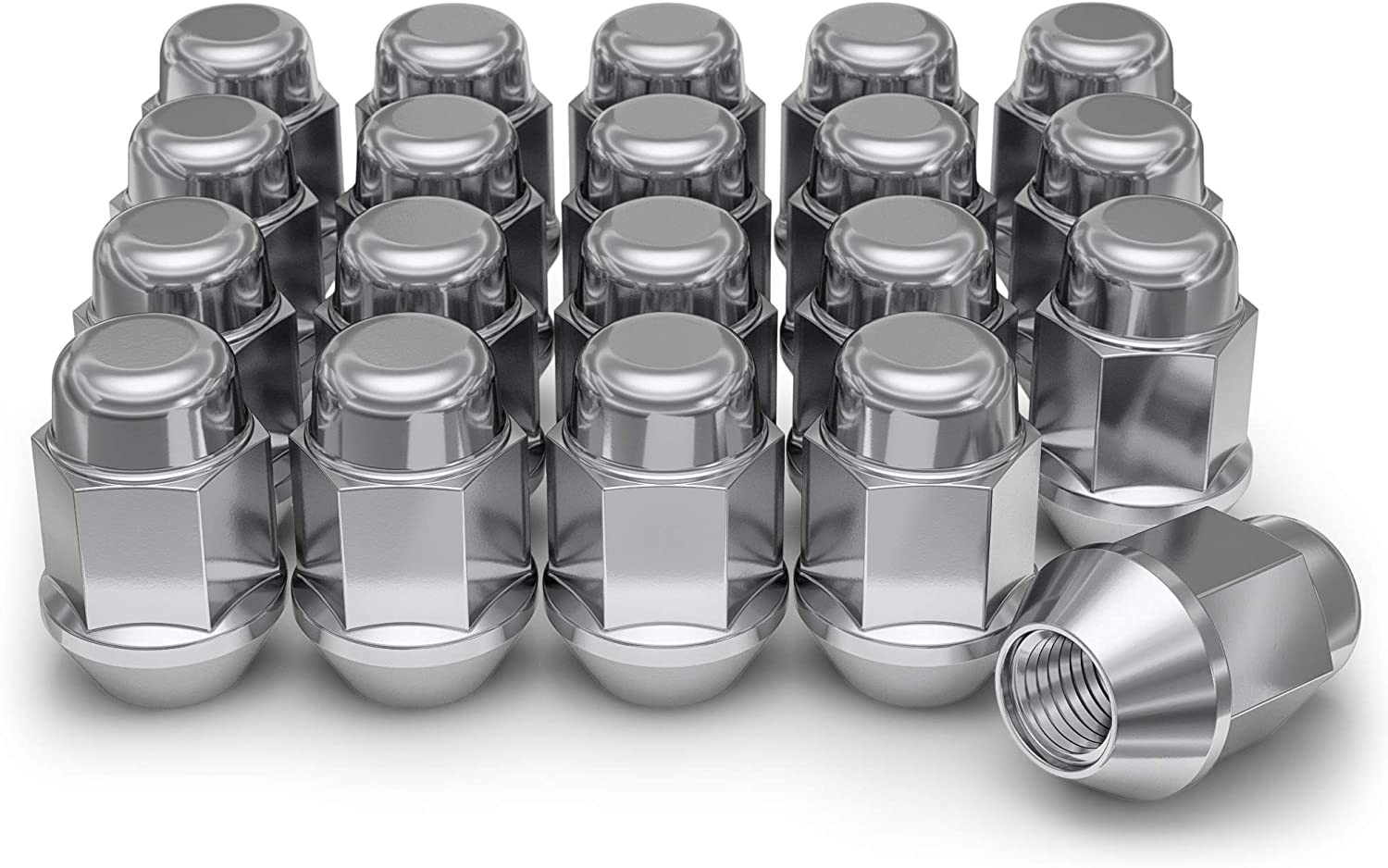
M12 x 1.5 · Confirm wheel seat style before ordering
View on Amazon →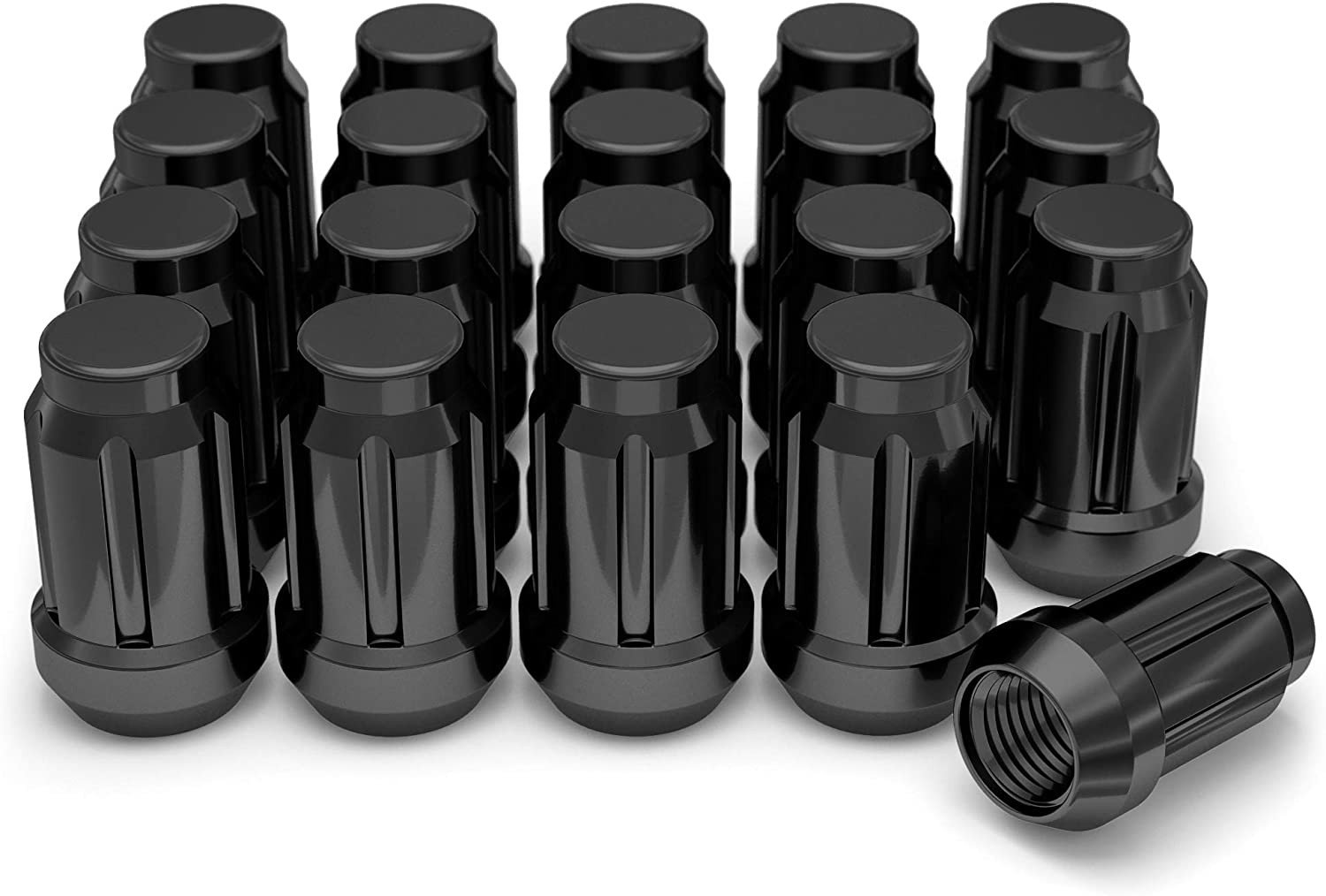
M12 x 1.5 · Confirm wheel seat style before ordering
View on Amazon →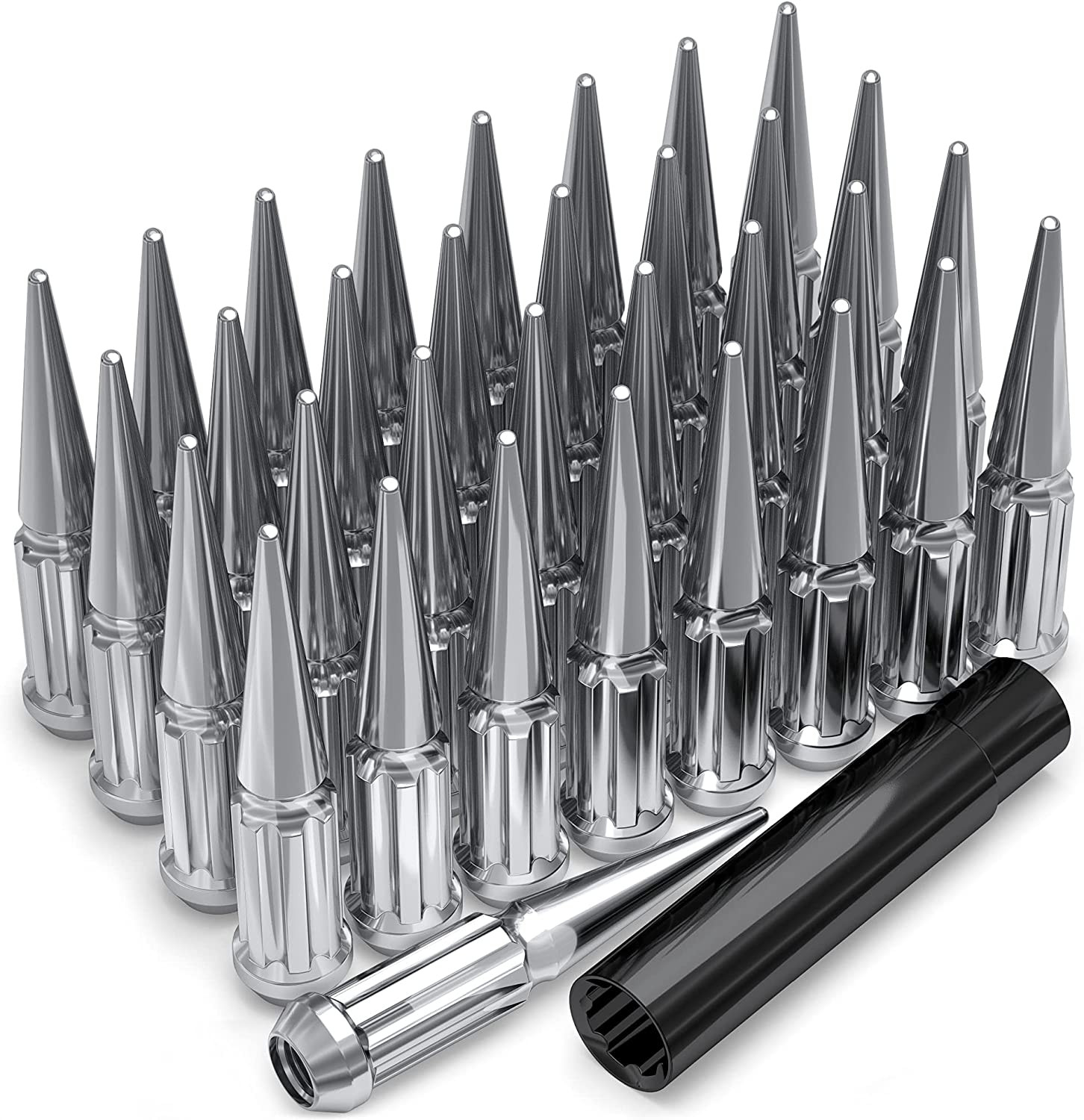
M12 x 1.5 · Confirm wheel seat style before ordering
View on Amazon →5x120 · 72.6 mm hub
Directional bolt-pattern adapters. A spacer does not change PCD.
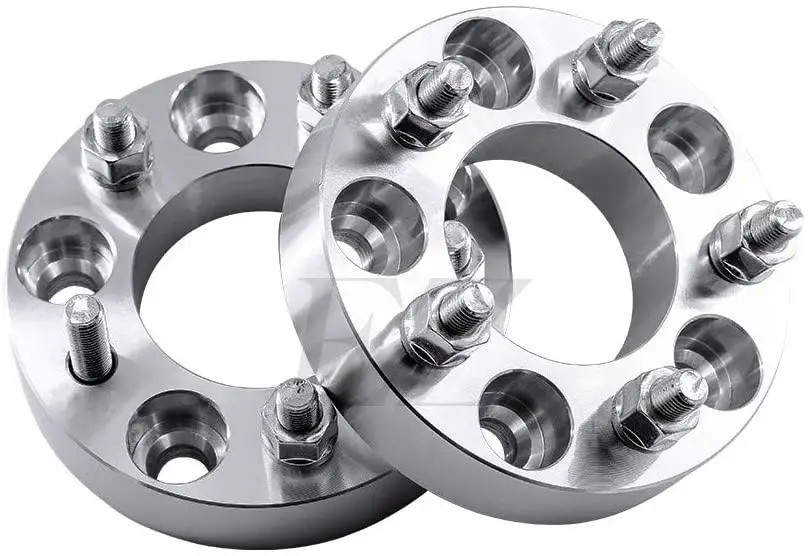
5x120 → 5x127
View on Amazon →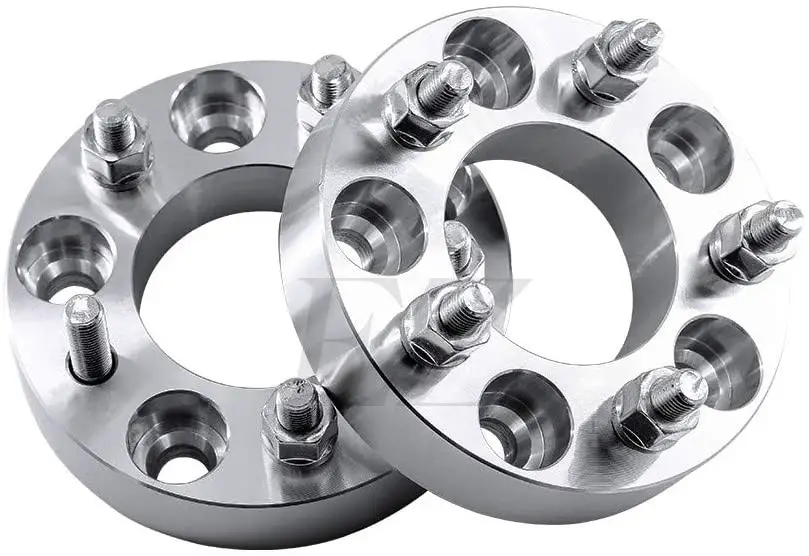
5x120 → 5x114.3
View on Amazon →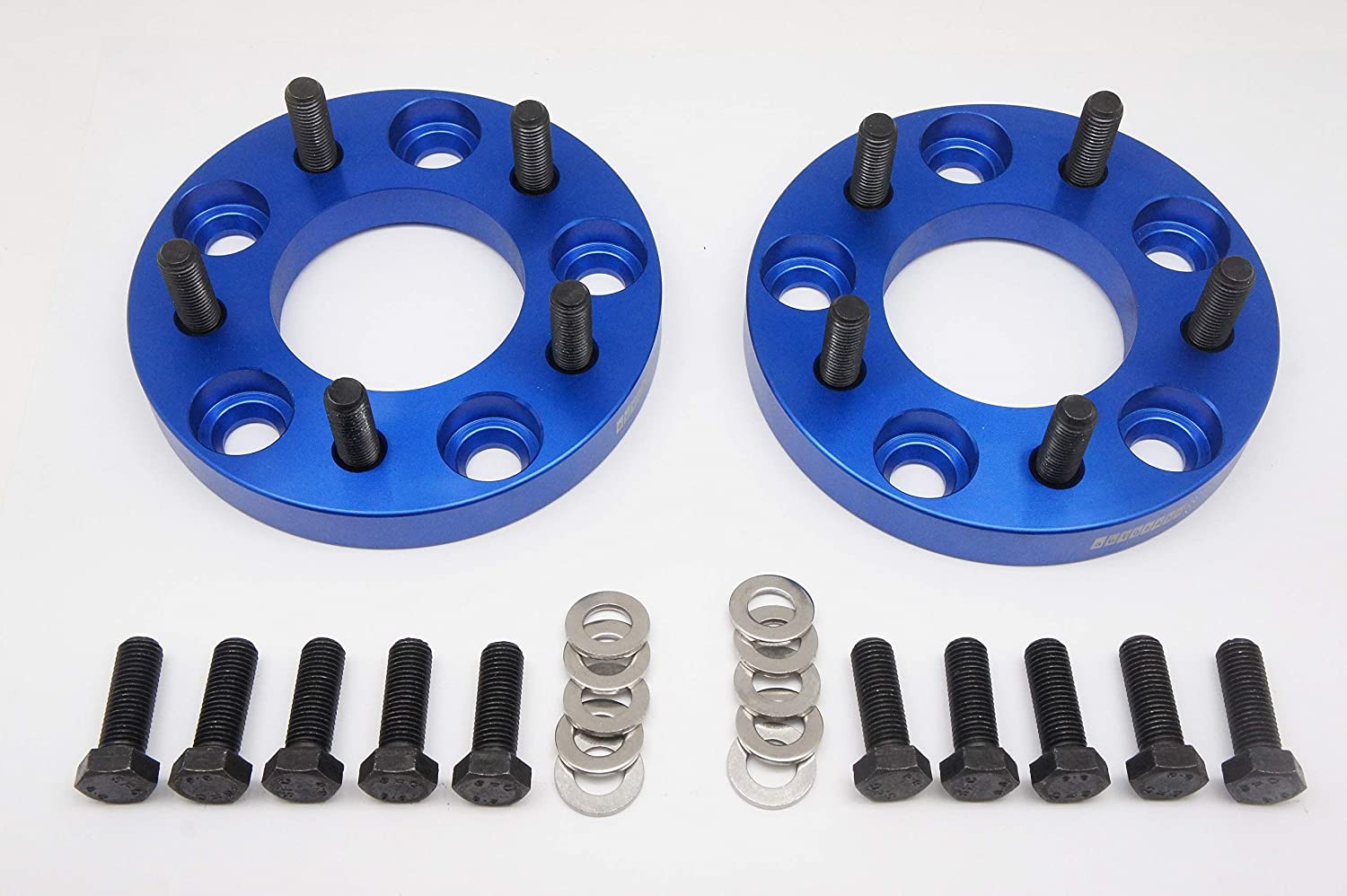
5x120 → 5x114.3
View on Amazon →As an Amazon Associate we earn from qualifying purchases. Product availability and pricing may change.
Wheel interchange depends on more than bolt pattern. Where data is available, this site compares:
A normal wheel spacer does not change bolt pattern. Hub rings cannot enlarge a wheel bore that is smaller than the hub. Brake clearance and tire package fitment still require vehicle-specific checks when not confirmed in the dataset.
The specifications below reflect the OEM fitment details we have on record for the 2012 BMW M3. Factory packages can vary by trim, body style, and market. If your vehicle’s equipment differs, use the on-page calculator and verify against your owner’s manual or dealer EPC before purchasing.
| Bolt pattern (studs x PCD) | 5x120 |
| Center bore (mm) | 72.6 |
| Thread size | M12 x 1.5 |
| OEM rim diameter (in) | 18 |
| OEM rim width (in) | 8.0 |
| Wheel offset ET (mm) | 20 |
| Backspacing (in) | 4.79 |
| OEM tire size | 245/40R18 |
Note: The 2012 M3 is commonly equipped with staggered wheels and tires from the factory. If your door jamb, build sheet, or owner’s manual shows different widths, offsets, or tire sizes, record those and compare them directly in the calculator below.
Many owners consider moving to wider tires or a larger rim diameter. Because the 2012 M3 may come with staggered fitment, some switch to a square setup for tire rotation or track use. These choices depend on brakes, suspension height, alignment, and fender room.
Also useful: floor jack, breaker bar, wire brush, high-temp anti-seize for the hub lip, tire pressure gauge, and a TPMS service kit if reusing sensors.
What is the bolt pattern for the 2012 BMW M3?
5x120.
What center bore do I need?
72.6 mm. If your aftermarket wheel has a larger bore, use hub-centric rings sized 72.6 mm to the wheel’s bore.
Can I run a square setup instead of staggered?
Yes, many owners do for rotation or track use. Exact widths and offsets depend on suspension, brakes, and fender room. Use the calculator to compare against your OEM specs and confirm clearances.
What offset range will fit?
It varies with wheel width, tire choice, suspension height, and brake package. Start from the OEM data listed above and use the calculator to test inner and outer clearance before buying.
Do I need new wheel bolts?
You can reuse OEM bolts if length and seat type suit the new wheels and any spacers. If spacers are added or the wheel uses a different seat, select hardware that matches M12 x 1.5 threads and the wheel’s seat type. Verify adequate thread engagement and torque to OEM spec.
Will 18 inch wheels clear the brakes?
18 inch is in the OEM data above. If you have aftermarket or larger brakes, confirm barrel clearance with a template or test fit even if diameter matches.
What about TPMS compatibility?
Sensor type and frequency can vary by market and build date. Inspect your current sensors and consult OEM documentation. Transfer compatible sensors or procure and program new ones as needed.
How much overall tire diameter change is acceptable?
Aim to stay close to stock to minimize speedometer and ABS/DSC impacts. Use the calculator’s diameter and speedometer readout to guide your selection and verify against OEM tolerances.
Are spacers safe on this car?
Yes when high quality, hub-centric to 72.6 mm, paired with correct extended hardware, and installed to OEM torque. Recalculate effective offset and recheck clearances in the calculator.
