2003 BMW X5
Direct Fit- Bolt pattern5x120 · Match
- Center bore72.6 mm · Match
- Wheel geometryCompatible with OEM envelope
Mounting dimensions align with known OEM fitment for this vehicle.
Baseline mounting dimensions used for interchange decisions.
Multiple OEM configurations exist for this vehicle. Fitment can vary by trim, brakes, and factory wheel package – confirm your exact setup before buying.
Results are evaluated from bolt pattern, center bore direction, OEM width/offset envelope, and lug hardware – not bolt pattern alone.
Mounting dimensions align with known OEM fitment for this vehicle.
Mounting dimensions align with known OEM fitment for this vehicle.
Mounting dimensions align with known OEM fitment for this vehicle.
Mounting dimensions align with known OEM fitment for this vehicle.
Mounting dimensions align with known OEM fitment for this vehicle.
Mounting dimensions align with known OEM fitment for this vehicle.
Mounting dimensions align with known OEM fitment for this vehicle.
Mounting dimensions align with known OEM fitment for this vehicle.
Mounting dimensions align with known OEM fitment for this vehicle.
Mounting dimensions align with known OEM fitment for this vehicle.
Mounting dimensions align with known OEM fitment for this vehicle.
Mounting dimensions align with known OEM fitment for this vehicle.
HardwareLug nuts for M14x1.5
Use lug nuts compatible with your vehicle's studs. Geometry within known OEM envelope (approx. outer change -9.7 mm, inner change -15.7 mm vs mid OEM).
HardwareLug nuts for M14x1.5
Use lug nuts compatible with your vehicle's studs. Geometry within known OEM envelope (approx. outer change -3.35 mm, inner change -9.35 mm vs mid OEM).
Required part74.1 → 72.6 mm hub-centric rings
Required: 74.1 → 72.6 mm hub-centric rings.
Required part74.1 → 72.6 mm hub-centric rings
Required: 74.1 → 72.6 mm hub-centric rings. Use lug nuts compatible with your vehicle's studs.
Required part74.1 → 72.6 mm hub-centric rings
Required: 74.1 → 72.6 mm hub-centric rings. Use lug nuts compatible with your vehicle's studs.
Required part74.1 → 72.6 mm hub-centric rings
Required: 74.1 → 72.6 mm hub-centric rings. Use lug nuts compatible with your vehicle's studs.
Required part74.1 → 72.6 mm hub-centric rings
Required: 74.1 → 72.6 mm hub-centric rings. Use lug nuts compatible with your vehicle's studs.
Required part74.1 → 72.6 mm hub-centric rings
Required: 74.1 → 72.6 mm hub-centric rings. Use lug nuts compatible with your vehicle's studs.
Required part74.1 → 72.6 mm hub-centric rings
Required: 74.1 → 72.6 mm hub-centric rings. Use lug nuts compatible with your vehicle's studs.
Required part74.1 → 72.6 mm hub-centric rings
Required: 74.1 → 72.6 mm hub-centric rings. Use lug nuts compatible with your vehicle's studs.
Required part74.1 → 72.6 mm hub-centric rings
Required: 74.1 → 72.6 mm hub-centric rings. Use lug nuts compatible with your vehicle's studs.
Required part74.1 → 72.6 mm hub-centric rings
Required: 74.1 → 72.6 mm hub-centric rings. Use lug nuts compatible with your vehicle's studs.
Showing 24 of 107 evaluated donors. Same-model years are prioritized.
Only years with evidence-based interchange relationships are listed. Adjacent years are not assumed compatible.
Compare a donor vehicle or custom wheel against this 2004 BMW X5.
Compare wheel compatibility between two vehicles
2004 BMW X5





Products below are matched to required fitment dimensions from our parts inventory. Confirm seat style, thickness, and clearance before ordering.
M14 x 1.5
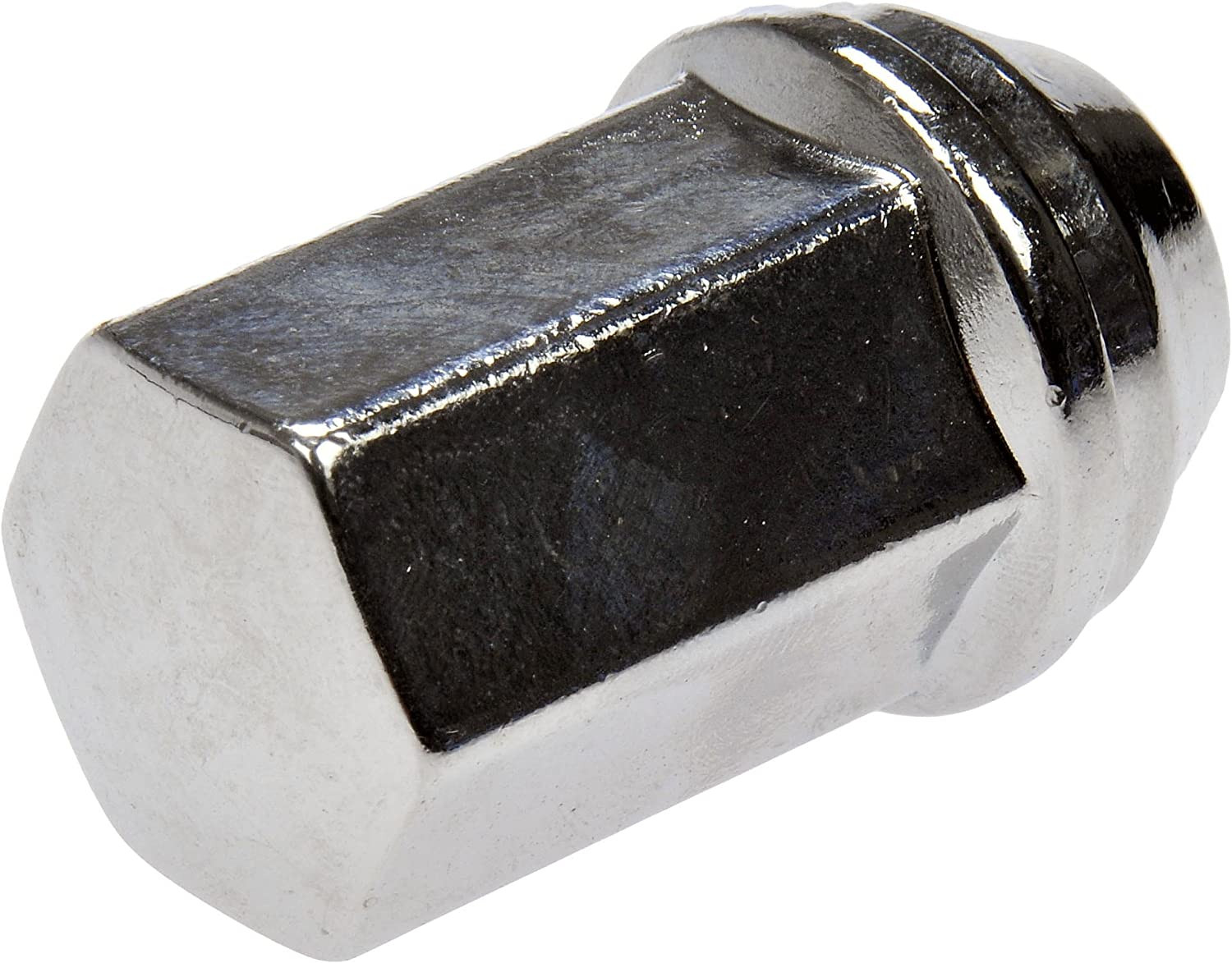
M14 x 1.5 · Confirm wheel seat style before ordering
View on Amazon →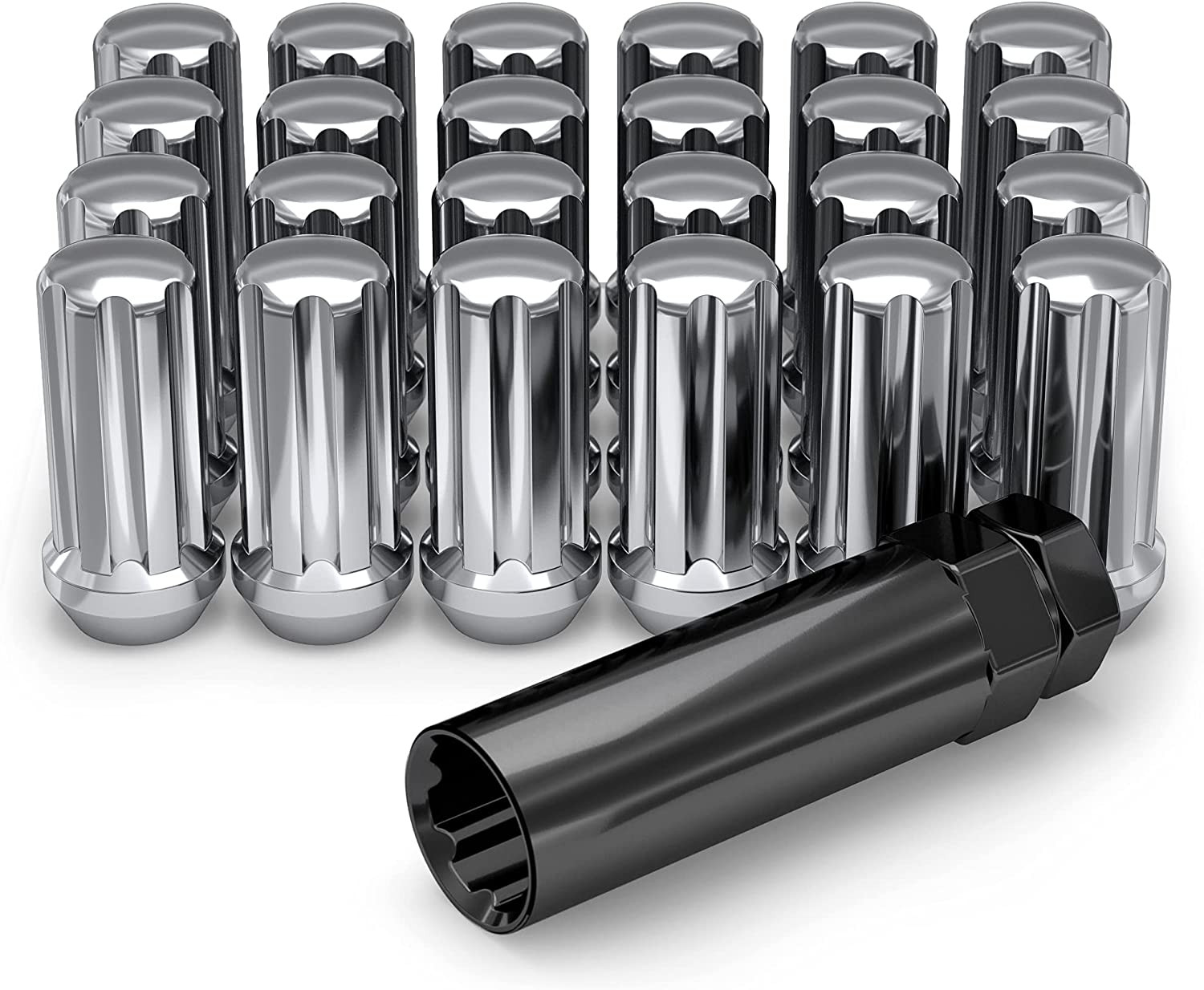
M14 x 1.5 · Confirm wheel seat style before ordering
View on Amazon →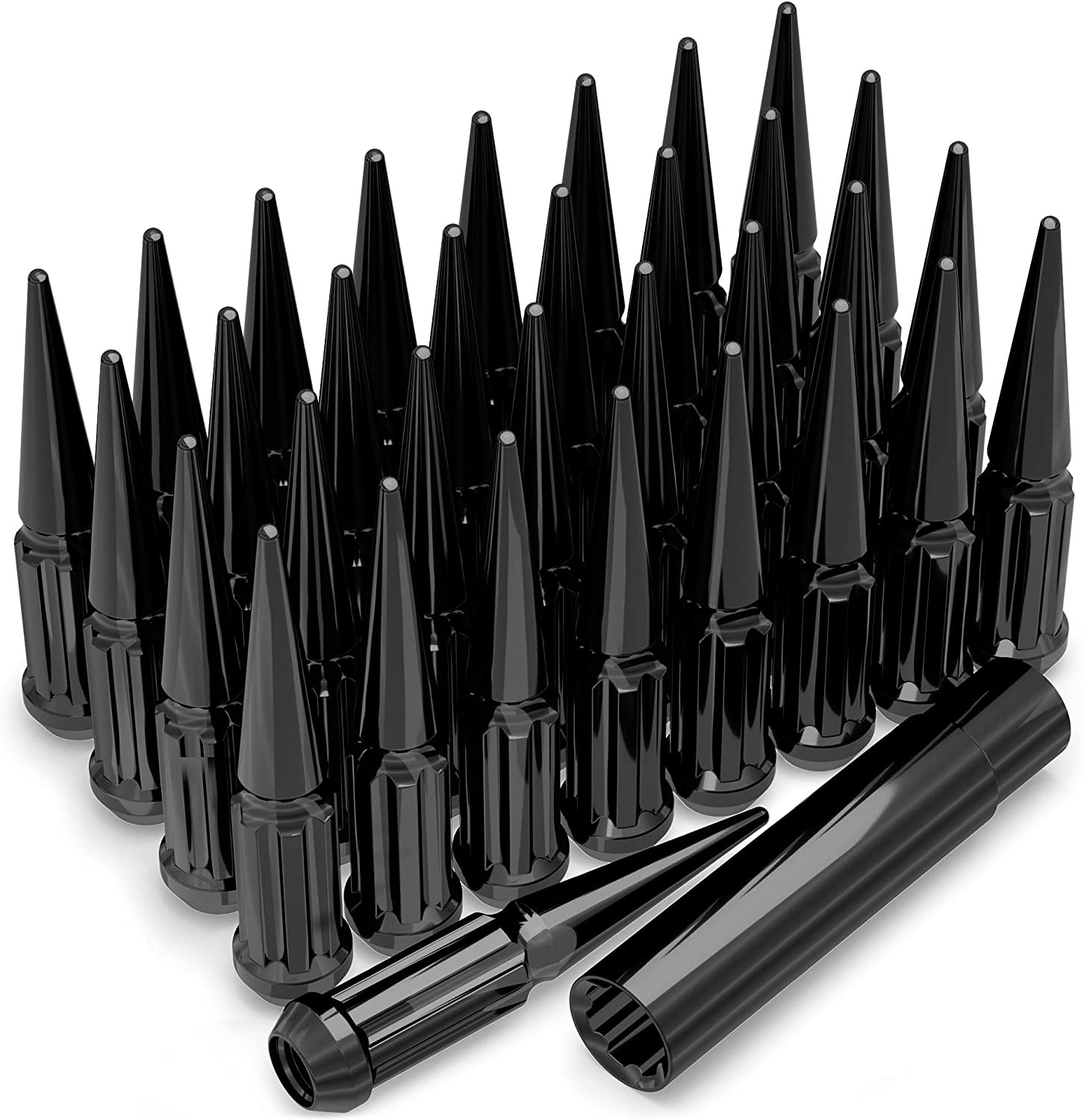
M14 x 1.5 · Confirm wheel seat style before ordering
View on Amazon →5x120 · 72.6 mm hub
Directional bolt-pattern adapters. A spacer does not change PCD.
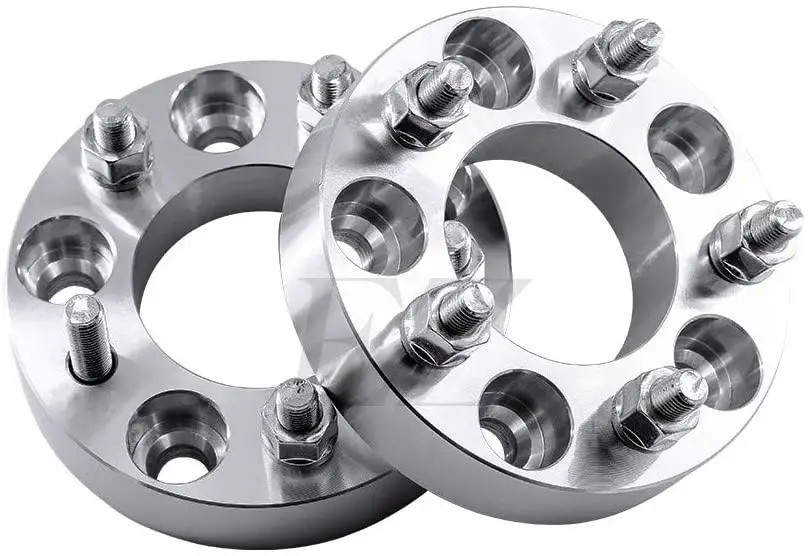
5x120 → 5x127
View on Amazon →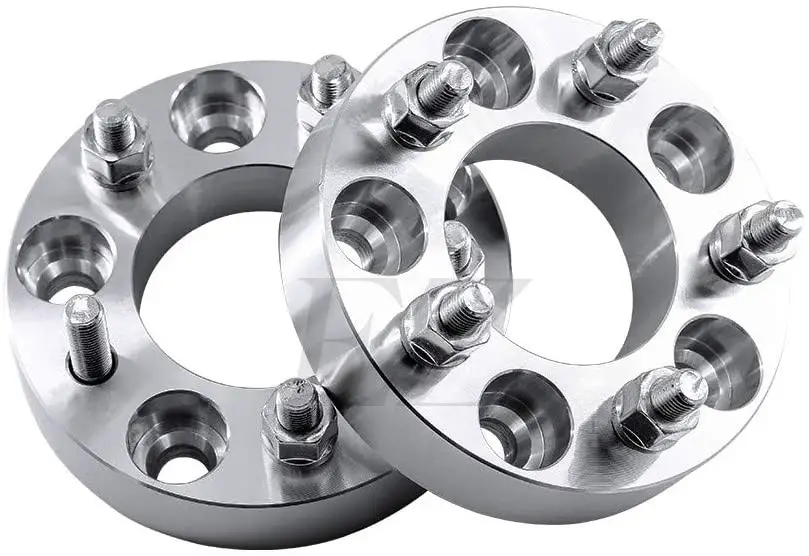
5x120 → 5x114.3
View on Amazon →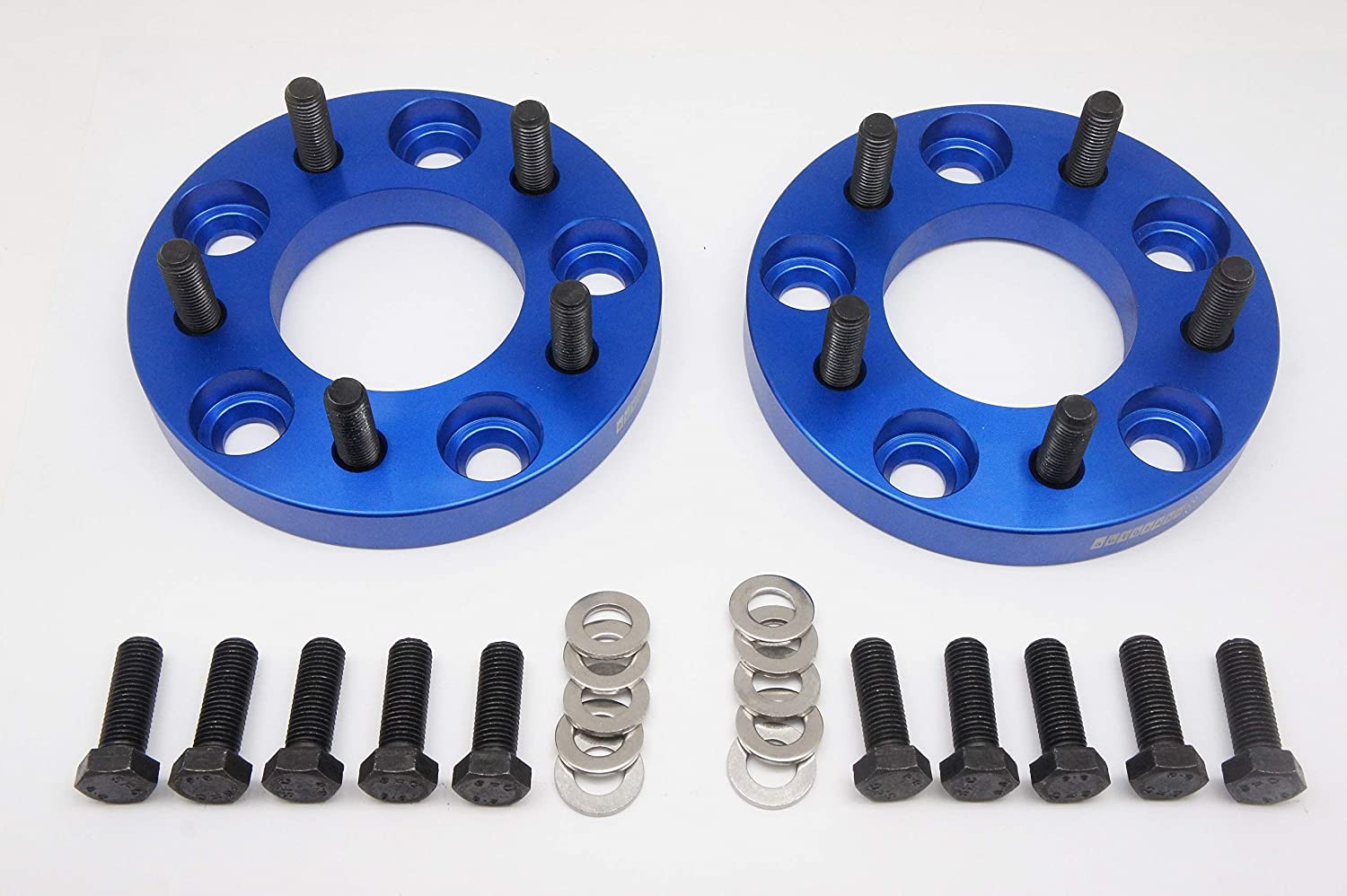
5x120 → 5x114.3
View on Amazon →As an Amazon Associate we earn from qualifying purchases. Product availability and pricing may change.
Wheel interchange depends on more than bolt pattern. Where data is available, this site compares:
A normal wheel spacer does not change bolt pattern. Hub rings cannot enlarge a wheel bore that is smaller than the hub. Brake clearance and tire package fitment still require vehicle-specific checks when not confirmed in the dataset.
The values below reflect known factory specifications for a 2004 BMW X5. If your vehicle has a different trim or package, some specs can vary. Always confirm with your owner’s manual, the wheelinterchange.com calculator on this page, and OEM sources before purchasing.
| Bolt pattern (studs x PCD) | 5x120 |
| Center bore | 72.6 mm |
| Thread size | M14 x 1.5 |
| OEM rim diameter | 18 in |
| OEM rim width | 8.0 in |
| OEM wheel offset (ET) | 40 mm |
| Backspacing | 5.57 in |
| OEM tire size | 255/55R18 |
Approximate OEM overall tire diameter from 255/55R18 is about 29.0 inches. Use this as a reference when comparing plus sizes in the calculator.
Start with the OEM baseline: 18x8 ET40 wheels and 255/55R18 tires give an overall diameter near 29.0 inches. When plus-sizing, use the calculator to keep overall diameter close to stock while staying within safe offset and clearance limits.
Important: Exact maximum sizes without rubbing can vary by suspension condition, alignment, and trim. Use the calculator for estimates, then verify in the real world with a careful test-fit.
What is the 2004 BMW X5 bolt pattern?
5x120.
What center bore do I need for aftermarket wheels?
The X5 hub is 72.6 mm. If your wheel has a larger center bore, use hub-centric rings to reduce it to 72.6 mm.
What thread size are the wheel fasteners?
M14 x 1.5. Match this thread size and the correct seat style specified by the wheel manufacturer.
Will wheels from another BMW fit my 2004 X5?
Some may, but do not assume. Verify 5x120 bolt pattern, confirm the center bore is 72.6 mm or use rings, and compare offset, width, and brake clearance with the calculator and a physical test-fit.
What is the OEM tire size and overall diameter?
255/55R18 with an approximate overall diameter of 29.0 inches based on the provided size.
How much can I change offset or width?
There is no single value that fits all trims or suspension conditions. Model changes in the calculator against ET40 and 8.0 inch width, then test-fit to verify clearance.
Do I need new wheel bolts when adding spacers?
If spacers are used, appropriate hub-centric spacers and properly extended fasteners are often required. Confirm specifications with the spacer and wheel manufacturers, then verify thread engagement and seat style.
Does the 2004 X5 have TPMS sensors in the wheels?
System type can vary by market and equipment level for that era. Check your owner’s manual and inspect your current valves or wheels. Plan sensor compatibility accordingly when changing wheels.
