OEM wheel and tire fitment specs for the 2009 Buick LaCrosse, including bolt pattern (PCD), center bore diameter, thread size, rim diameter, rim width, wheel offset, and backspacing.
2009 Buick LaCrosse Fitment Specs
Baseline mounting dimensions used for interchange decisions.
Multiple OEM configurations exist for this vehicle. Fitment can vary by trim, brakes, and factory wheel package – confirm your exact setup before buying.
Wheels That Interchange With a 2009 Buick LaCrosse
Results are evaluated from bolt pattern, center bore direction, OEM width/offset envelope, and lug hardware – not bolt pattern alone.
Use lug nuts compatible with your vehicle's studs. Geometry within known OEM envelope (approx. outer change -0.35 mm, inner change -12.35 mm vs mid OEM).
Use lug nuts compatible with your vehicle's studs. Geometry within known OEM envelope (approx. outer change -0.35 mm, inner change -12.35 mm vs mid OEM).
Use lug nuts compatible with your vehicle's studs. Geometry within known OEM envelope (approx. outer change -0.35 mm, inner change -12.35 mm vs mid OEM).
Use lug nuts compatible with your vehicle's studs. Geometry within known OEM envelope (approx. outer change -0.35 mm, inner change -12.35 mm vs mid OEM).
Use lug nuts compatible with your vehicle's studs. Geometry within known OEM envelope (approx. outer change -0.35 mm, inner change -12.35 mm vs mid OEM).
Use lug nuts compatible with your vehicle's studs. Geometry within known OEM envelope (approx. outer change -0.35 mm, inner change -12.35 mm vs mid OEM).
Required: 70.3 → 66.9 mm hub-centric rings. Use lug nuts compatible with your vehicle's studs. Geometry within known OEM envelope (approx. outer change -0.35 mm, inner change -12.35 mm vs mid OEM).
Required: 70.3 → 66.9 mm hub-centric rings. Use lug nuts compatible with your vehicle's studs. Geometry within known OEM envelope (approx. outer change -2.35 mm, inner change -10.35 mm vs mid OEM).
Required: 70.3 → 66.9 mm hub-centric rings. Use lug nuts compatible with your vehicle's studs. Geometry within known OEM envelope (approx. outer change -2.35 mm, inner change -10.35 mm vs mid OEM).
Required: 70.3 → 66.9 mm hub-centric rings. Use lug nuts compatible with your vehicle's studs. Geometry within known OEM envelope (approx. outer change -2.35 mm, inner change -10.35 mm vs mid OEM).
Required: 70.3 → 66.9 mm hub-centric rings. Use lug nuts compatible with your vehicle's studs. Geometry within known OEM envelope (approx. outer change -2.35 mm, inner change -10.35 mm vs mid OEM).
Required: 70.3 → 66.9 mm hub-centric rings. Use lug nuts compatible with your vehicle's studs. Geometry within known OEM envelope (approx. outer change -2.35 mm, inner change -10.35 mm vs mid OEM).
Required: 70.3 → 66.9 mm hub-centric rings. Use lug nuts compatible with your vehicle's studs. Geometry within known OEM envelope (approx. outer change -2.35 mm, inner change -10.35 mm vs mid OEM).
Showing 24 of 71 evaluated donors. Same-model years are prioritized.
Buick LaCrosse Years With Compatible Wheels
Only years with evidence-based interchange relationships are listed. Adjacent years are not assumed compatible.
A normal wheel spacer does not change bolt pattern. Hub rings cannot enlarge a wheel bore that is smaller than the hub. Brake clearance and tire package fitment still require vehicle-specific checks when not confirmed in the dataset.
The following data points are what we have on record for this model year. If a specification on your car differs, it likely varies by trim or wheel package. Always verify your exact OEM specs on the driver-door placard and in the owner manual before ordering parts. Note: The wheel size and tire size entries below appear to reference different OEM packages. Use your placard as the source of truth.
Bolt pattern
5x115
Center bore
70.3 mm
Thread size
M12 x 1.5
OEM wheel diameter
17 in
OEM wheel width
6.5 in
OEM wheel offset
ET 52 mm
OEM backspacing
5.3 in
OEM tire section width
225 mm
OEM tire aspect ratio
60
OEM tire rim diameter
16 in
About the mismatch you may notice: the listed wheel diameter is 17 inches while the listed tire indicates a 16-inch rim. That suggests multiple factory packages were available or the entries are from different trims. Confirm your exact stock size on the tire placard, then use the on-page calculator to model changes from your true baseline.
How To Use The Wheel Interchange Calculator
The calculator on this page lets you compare a donor setup against your 2009 Buick LaCrosse and also try custom wheel and tire sizes. Follow these steps:
Start with your baseline. Look at your door-jamb placard or your current tire sidewall. Enter those values as the Installed on (your vehicle) setup.
If you are considering wheels from another vehicle, enter that as Wheels from (donor vehicle). The tool will show inner clearance, outer poke, and rolling diameter changes.
Use Custom wheel size to try different rim diameter, width, and offset. Use Custom tire size to adjust section width and aspect ratio. When you change rim diameter, the tool updates overall tire diameter in the comparison so you can keep changes small.
Target results:
Rolling diameter change within about 0 to 3 percent to protect ABS, traction control, and speedometer accuracy.
Inner clearance positive - do not reduce inner clearance to the strut, spring perch, or liner to zero. Leave a safety margin.
Outer poke inside the fender. Avoid contacting the fender lip on compression or steering.
Offset close to OEM. Larger width typically needs a lower offset to maintain inner clearance, but too low can cause poke.
Before buying, confirm brake caliper clearance and hub fitment with the wheel seller. The calculator shows geometry, but it cannot confirm spoke-to-caliper shape clearance.
Fitment Checklist Before You Buy
Use this list to validate every part of the fitment. Where your exact value is unknown or varies by trim, verify with the placard, the owner manual, and OEM parts data.
Bolt pattern: 5x115. Only use wheels drilled for 5x115. Do not attempt to fit 5x114.3 or other patterns.
Center bore: 70.3 mm. OEM wheels are hubcentric to 70.3 mm. Aftermarket wheels often have a larger bore and require hub-centric rings with 70.3 mm inner diameter and an outer diameter that matches the wheel bore.
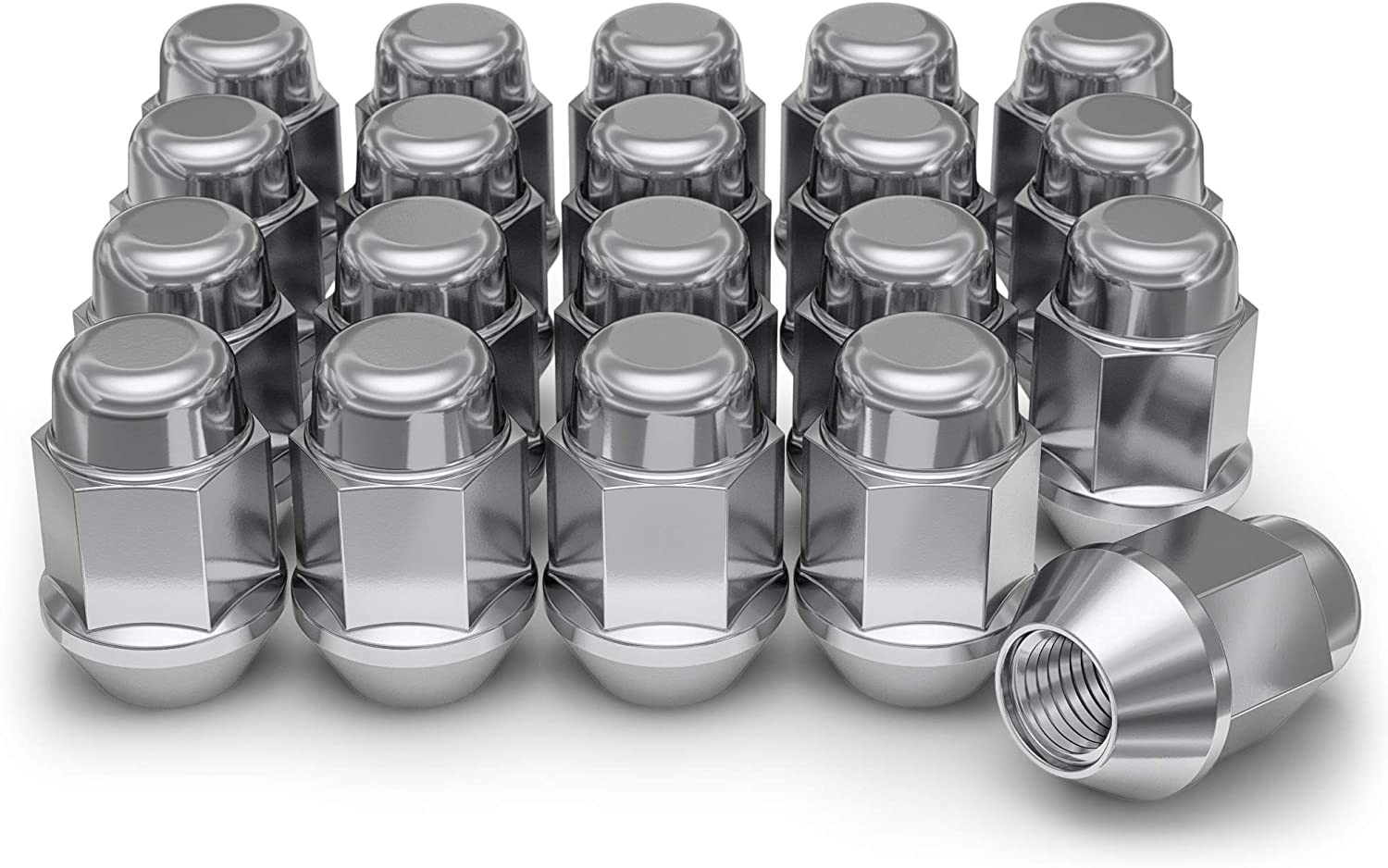
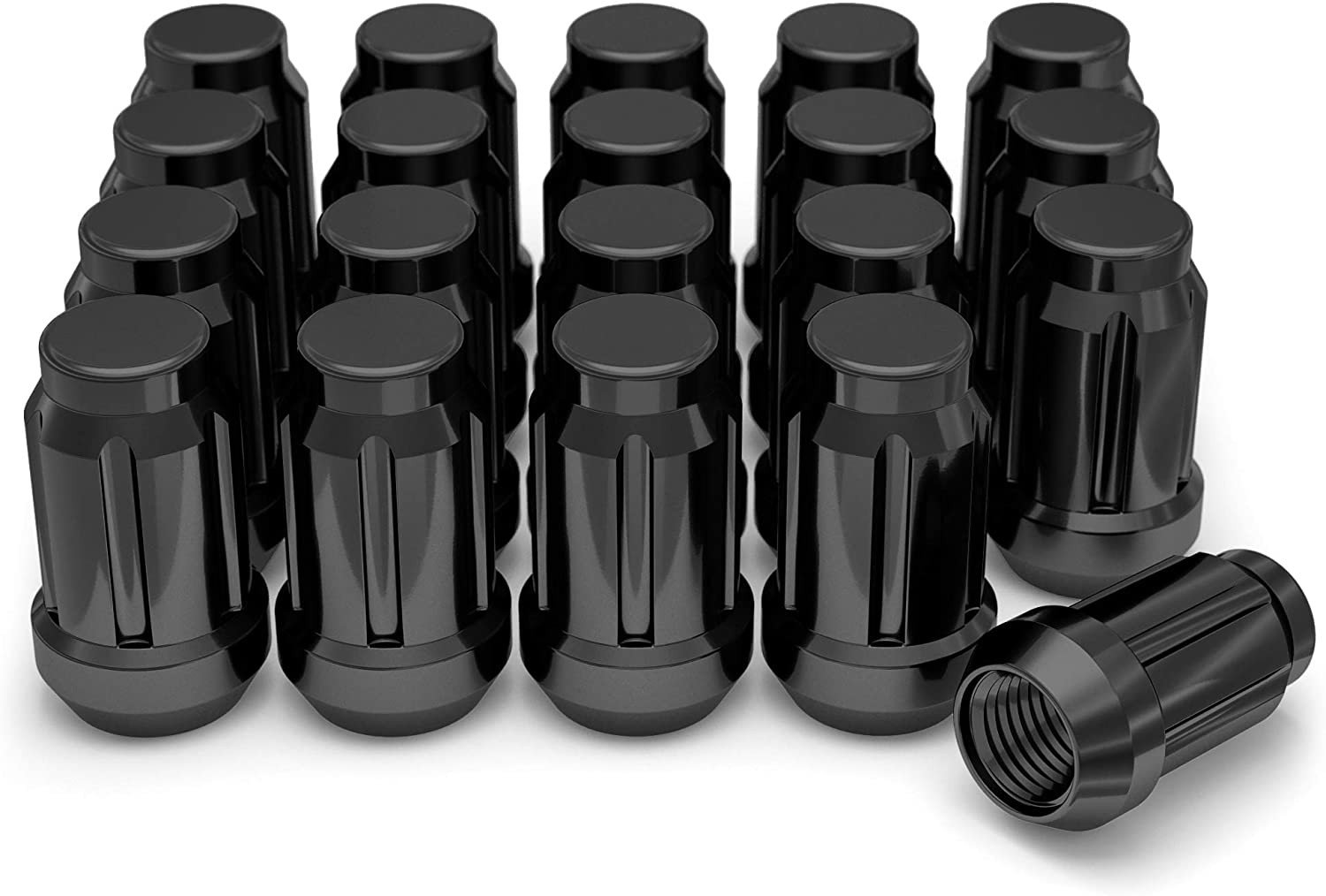
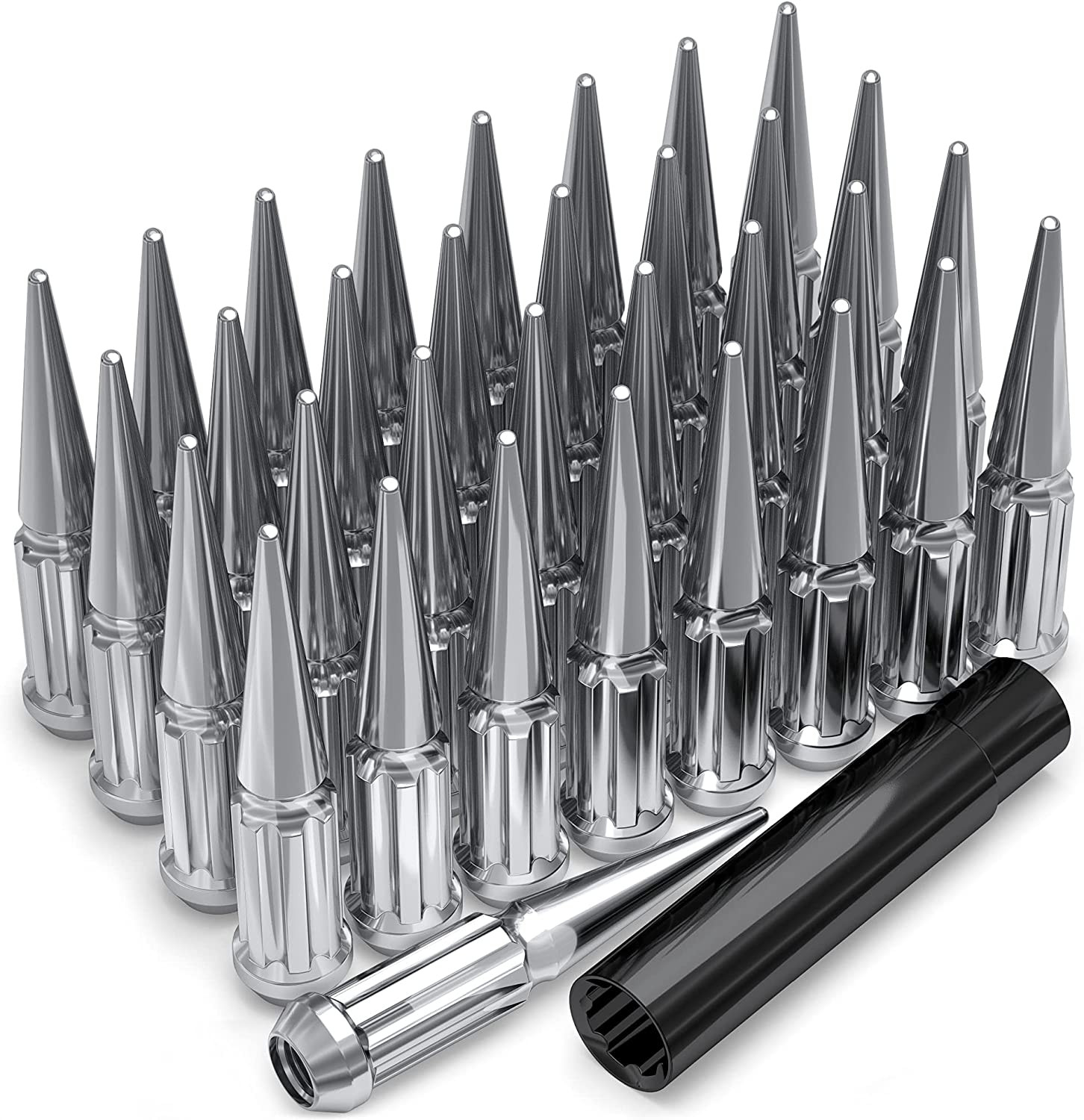
Thread size: M12 x 1.5. Match lug nuts to this thread and to the wheel seat type. Do not mix ball-seat nuts with conical-seat wheels or vice versa.
Offset and backspacing: OEM reference is ET 52 mm and about 5.3 in backspacing on a 17x6.5 wheel. Keep offset changes conservative and confirm inner and outer clearances with the calculator.
Brake clearance: Verify the new wheel’s barrel and spoke clearance over front and rear calipers. Ask the wheel vendor for a brake template when possible.
Tire load index and speed rating: Must meet or exceed the values on your driver-door placard.
TPMS: 2009 vehicles use tire pressure monitoring. Confirm sensor compatibility, frequencies, and any needed rebuild kits. Plan for relearn after installation.
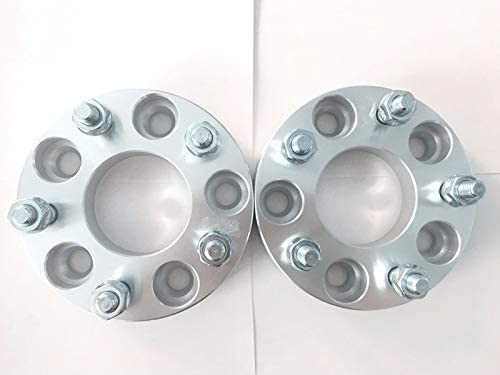
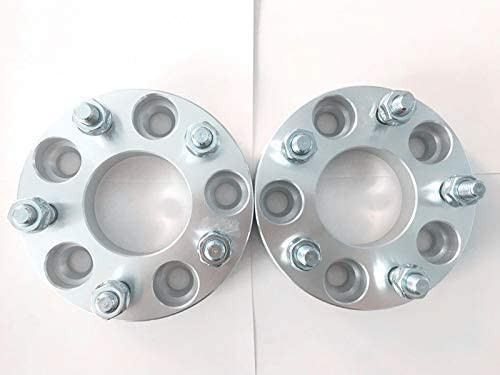
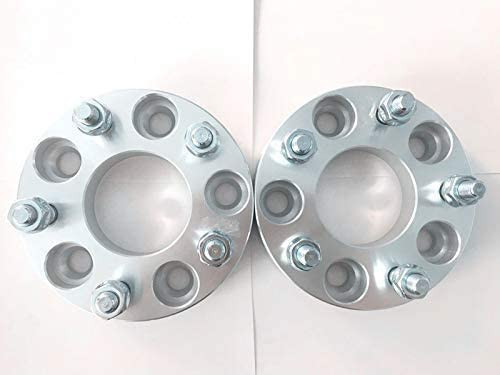
Spacers: Only if required and only high-quality hubcentric spacers that maintain 70.3 mm hub location. Longer wheel studs or appropriate extended-thread nuts may be needed.
Test fit: Always dry-fit a front and rear wheel on the car and turn lock-to-lock before mounting tires if you are pushing the limits on width or offset.
Plus Sizing And Common Upgrades
Plus sizing means increasing wheel diameter and reducing tire sidewall height so overall rolling diameter stays close to stock. Because our records include both 16-inch and 17-inch OEM-related entries for this model year, confirm your true starting size on the placard first.
General approach:
Identify your exact OEM tire size from the placard. Use that as the Installed on baseline.
Use the calculator’s Custom wheel size to increase rim diameter by 1 inch at a time, then reduce tire aspect ratio so the overall diameter change stays within about 3 percent.
If you widen the wheel, remember width increases half to the inside and half to the outside. Use the calculator to adjust offset so inner clearance remains safe and the outer edge stays under the fender.
Do not finalize a size until brake clearance, hub bore, and load ratings are confirmed with the wheel and tire manufacturers.
If you are considering moving to 16-inch or 17-inch packages interchangeably, you must verify brake caliper clearance for the smaller diameter and confirm the OEM offered that size for your trim. When in doubt, consult OEM parts catalogs or a dealer with your VIN.
Installation Tips
Prepare the car on level ground with the parking brake set. Use a proper jack and jack stands at the factory lift points listed in your owner manual. Do not rely on a jack alone.
Clean the hub face and center pilot with a wire brush so the wheel sits flush. Lightly remove corrosion from the wheel mounting pad.
Do not lubricate wheel studs or lug nut seats unless your OEM specifically directs it. If you use anti-seize, follow OEM torque adjustment guidance.
Install hub-centric rings if your aftermarket wheels have a larger bore than 70.3 mm.
Hand-thread all lug nuts to avoid cross-threading. Snug in a star pattern.
Lower the vehicle and torque lugs in a star pattern to the factory torque spec in your owner manual.
Re-torque after 50 to 100 miles of driving.
Perform a TPMS relearn procedure after rotating or replacing wheels and tires. Follow the owner manual or OEM service instructions.
Tools And Helpful Supplies
These items make the job safer and help ensure a vibration-free result. Choose sizes and types that match your tools and wheels, and verify compatibility with your vehicle specifications.
Floor jack and jack stands
1/2 inch drive torque wrench
- https://www.amazon.com/s?k=1%2F2+inch+drive+torque+wrench&tag=auto-spec-20
Breaker bar
- https://www.amazon.com/s?k=breaker+bar+1%2F2+inch&tag=auto-spec-20
Wire brush or hub cleaning tool
- https://www.amazon.com/s?k=wire+brush+for+drill&tag=auto-spec-20
M12 x 1.5 lug nuts matching your wheel seat type
- https://www.amazon.com/s?k=M12x1.5+lug+nuts+conical&tag=auto-spec-20
TPMS rebuild kits compatible with your sensors
Tire pressure gauge and chalk or paint pen for torque-marking
FAQs
Q: What is the bolt pattern on the 2009 Buick LaCrosse?
A: 5x115. Use only wheels with the exact 5x115 pattern.
Q: What center bore do I need?
A: 70.3 mm. OEM wheels are hubcentric to 70.3 mm. If your aftermarket wheels have a larger bore, use hub-centric rings with 70.3 mm inner diameter and an outer diameter matching the wheel bore.
Q: What lug nut thread size is correct?
A: M12 x 1.5. Match the thread and the seat style required by your wheel design.
Q: The data shows a 17-inch wheel and a 16-inch tire. Which is right for my car?
A: Packages may vary by trim. Check your driver-door placard for the exact OEM tire size supplied on your vehicle, then use the calculator to model changes from that precise baseline.
Q: Will 5x114.3 wheels fit a 5x115 car?
A: No. Do not force near-miss patterns. Use only 5x115 wheels for safe and proper centering and load distribution.
Q: What offset should I use with aftermarket wheels?
A: The OEM reference is ET 52 mm on a 17x6.5 wheel. The correct offset for an aftermarket size depends on the width and brake clearance. Use the calculator to check inner clearance and outer poke, then confirm with the wheel manufacturer.
Q: Can I run 16-inch wheels on this car?
A: We cannot confirm brake clearance for a 16-inch wheel on your specific trim from the data provided. Verify your OEM size on the placard and confirm brake caliper clearance with the wheel supplier or an OEM source before purchase.
Q: Do I need hub-centric rings?
A: If the aftermarket wheel’s center bore is larger than 70.3 mm, yes. Rings help the wheel center on the hub and reduce vibration. If the wheel is already 70.3 mm, rings are not needed.
Q: What torque should I use on the lug nuts?
A: Follow the torque spec in your owner manual or service information. Re-torque after 50 to 100 miles.
Q: Will changing tire size affect my speedometer or ABS?
A: Yes. Keep overall rolling diameter changes within about 3 percent of OEM to limit impact on speedometer accuracy and driver-assist systems. Use the calculator to verify.