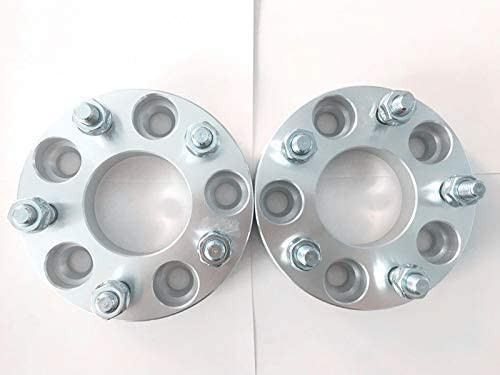
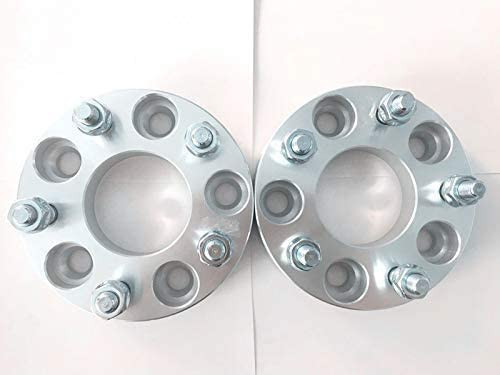
OEM wheel and tire fitment specs for the 2005 Buick LaCrosse, including bolt pattern (PCD), center bore diameter, thread size, rim diameter, rim width, wheel offset, and backspacing.
2005 Buick LaCrosse Fitment Specs
Baseline mounting dimensions used for interchange decisions.
Multiple OEM configurations exist for this vehicle. Fitment can vary by trim, brakes, and factory wheel package – confirm your exact setup before buying.
Wheels That Interchange With a 2005 Buick LaCrosse
Results are evaluated from bolt pattern, center bore direction, OEM width/offset envelope, and lug hardware – not bolt pattern alone.
Donor width/offset sits outside the known OEM envelope for this vehicle. Precomputed data suggested a spacer; geometry was re-checked against OEM envelope.
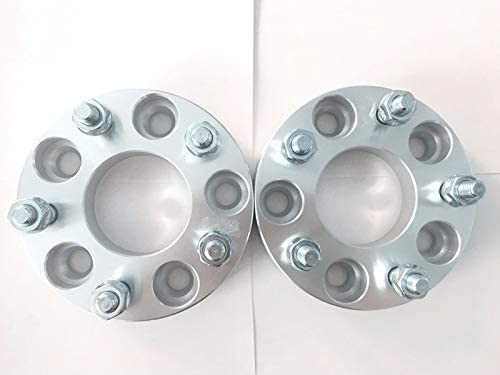
A normal wheel spacer does not change bolt pattern. Hub rings cannot enlarge a wheel bore that is smaller than the hub. Brake clearance and tire package fitment still require vehicle-specific checks when not confirmed in the dataset.
2005 Buick LaCrosse Wheel Interchange, Specs and Upgrade Guide
Known OEM Fitment For 2005 Buick LaCrosse
The values below reflect information available for the 2005 Buick LaCrosse. Trims and option packages may differ. If your exact equipment is unknown or different, use the calculator on this page and confirm with OEM sources before buying.
Bolt pattern (studs x PCD)
5x115
Center bore
70.3 mm
Thread size
M12 x 1.5
Known OEM wheel size
18 x 7.5 in
Wheel offset
ET 50 mm
Backspacing
5.72 in
Known OEM tire size
225/60R16
Notes:
Multiple OEM setups may exist. Some vehicles are shown with an 18 x 7.5 wheel, while a 225/60R16 tire is also known to be factory used. Verify your trim and options by checking the tire sticker in the driver’s door jamb and the wheel part number on the back of your wheel.
If any of your specs differ, treat the values above as references only and compare your actual sizes using the on-page calculator.
How To Use The Wheel Interchange Calculator
The calculator lets you compare a donor setup to your 2005 Buick LaCrosse and also try custom sizes. Follow these steps:
Pick your Installed on vehicle as 2005 Buick LaCrosse. If you are evaluating a swap, enter the donor vehicle’s wheel and tire in Wheels from.
If you know your current factory size, enter it first. If you are unsure, read the tire label on the door jamb and the cast-in wheel size on the back of a spoke.
Use Custom wheel size to adjust rim diameter, width, and offset. The tool will show inner and outer clearance changes compared to your baseline.
Use Custom tire size to change section width and aspect ratio. When you change rim diameter, the tool updates tire diameter in the comparison so you can keep overall diameter close.
Watch the differences for: inner clearance to strut and knuckle, outer poke to fender, tire diameter change, speedometer impact, and scrub radius trend.
Aim to keep overall tire diameter within a small percent of stock. Many installers target roughly within 3 percent, but always confirm clearances on your specific car.
Fitment Checklist Before You Buy
Bolt pattern: Must be exact 5x115. Do not substitute 5x114.3.
Center bore: 70.3 mm hub. If aftermarket wheels have a larger bore, use hub-centric rings that reduce to 70.3 mm.
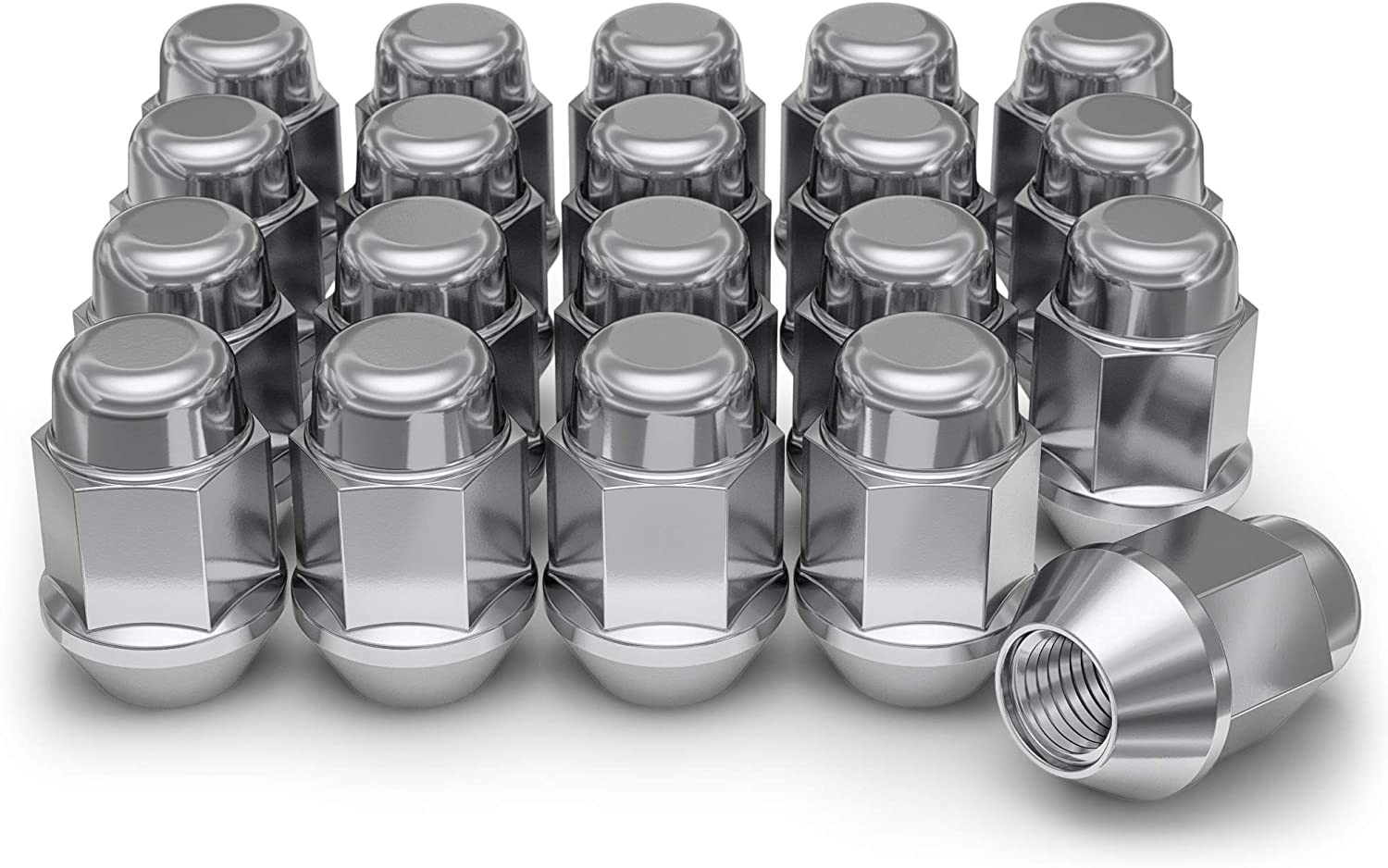
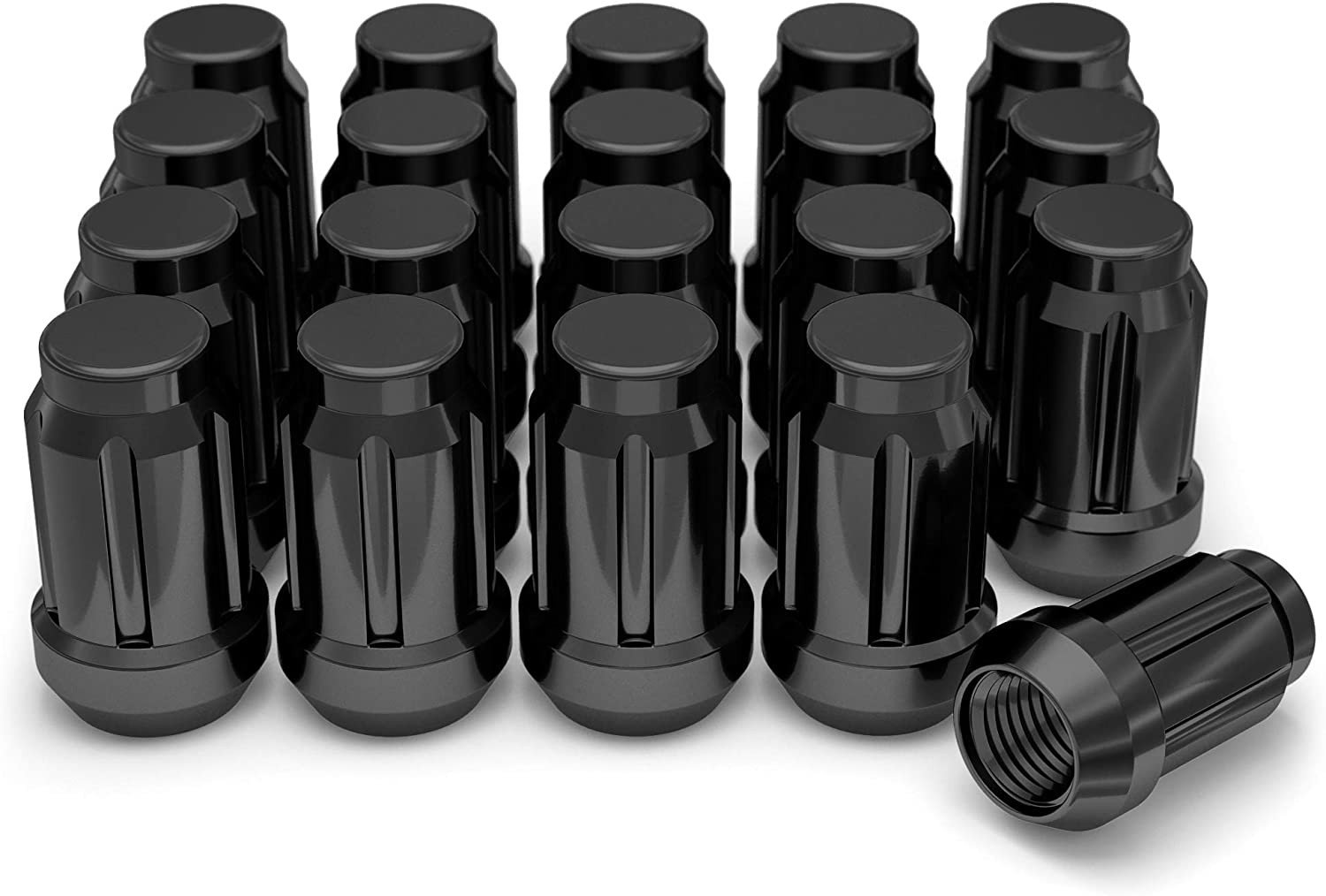
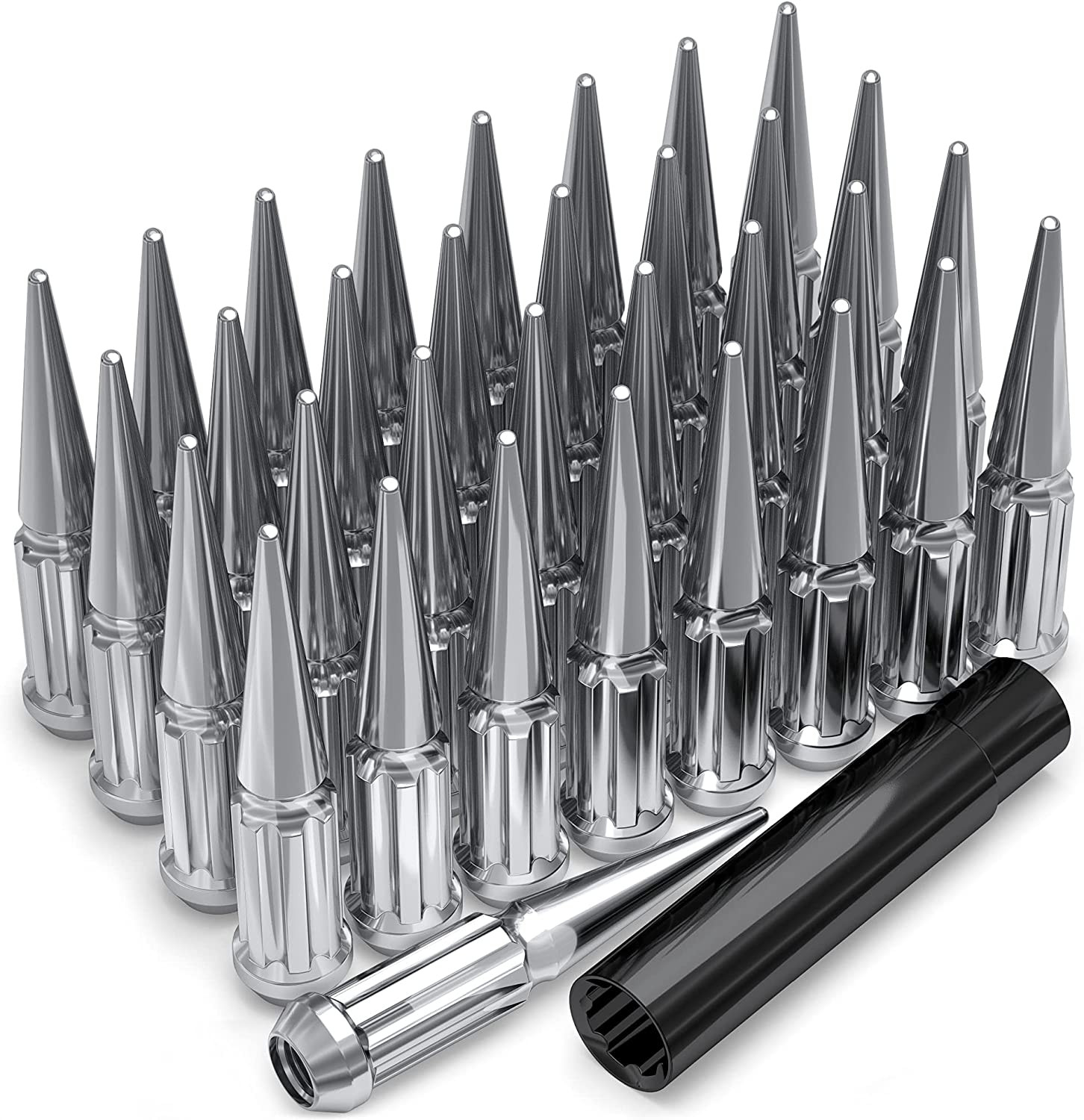
Thread and seat: Threads are M12 x 1.5. Verify the correct lug seat style for the wheel (often conical or bulge acorn on aftermarket, may differ on OE-style). Do not mix seat styles.
Offset and backspacing: Compare with the calculator to confirm inner clearance to the strut and outer fender poke. Brake caliper clearance depends on spoke design, not just numbers.
Brake package: Larger calipers or rotors on certain trims can limit wheel diameter and spoke shapes. Test-fit whenever possible.
Tire diameter: Keep overall diameter close to stock to maintain ride height, speedometer, and ABS behavior. Use the calculator to see the delta.
Load and speed ratings: Tires and wheels must meet or exceed OEM load index and speed rating for safety.
TPMS: If equipped, confirm sensor compatibility and torque for sensor nuts. Relearn procedure may be required after install.
Hardware length: Ensure lug nut or bolt engagement equals at least the thread diameter. For M12, target about 12 mm of full thread engagement.
Plus Sizing And Common Upgrades
Owners often consider moving between factory-style 16 and 18 inch setups or modest width changes. Because OEM equipment varies by trim, treat the following as general planning guidance and always verify with the calculator and a physical test-fit.
Plus 1 to Plus 2 steps: Increase rim diameter while lowering tire aspect ratio so overall tire diameter stays close to stock. Use the calculator to target a near-match in overall diameter.
Width changes: Small increases in wheel width can improve tire support. Confirm inner clearance to the strut and outer fender clearance, especially at full steering lock and with suspension compression.
Offset tuning: Lower offsets push the wheel outward and can risk fender contact. Higher offsets pull inward and can contact struts or control arms. Adjust in small steps and verify with the tool.
Hub-centric fit: If the aftermarket wheel bore is larger than 70.3 mm, add rings to maintain smoothness and reduce vibration.
If you are unsure which of the known OEM sizes your car shipped with, match the door-jamb tire label and compare that baseline in the calculator before selecting your upgrade.
Installation Tips
Park on level ground, chock wheels, and use jack stands under solid points. Never rely on a jack alone.
Clean the hub face and the wheel mounting pad to bare metal so the wheel sits flat. Remove rust scale and old anti-seize.
If using hub-centric rings, seat them fully in the wheel bore before mounting.
Hand-start all lug nuts to avoid cross-threading. Tighten in a star pattern.
Torque lugs to the OEM specification from the owner’s manual. Recheck torque after 50 to 100 miles.
Rotate the wheel by hand to confirm no contact with calipers, knuckles, struts, or fender liners before driving.
After changing overall tire diameter, compare GPS speed to the speedometer and consider calibration if there is a significant difference.
No. They are different bolt circles. Use exact 5x115 wheels for proper fit and safety.
Do I need hub-centric rings on a 2005 LaCrosse?
If your aftermarket wheel’s center bore is larger than 70.3 mm, use rings that reduce to 70.3 mm for a hub-centric fit. If the wheel is already 70.3 mm, rings are not needed.
What is my factory wheel or tire size?
This model shows more than one OEM setup. Check the tire label in the driver’s door jamb for the factory tire size and inspect the back of your wheel for the cast-in size and offset. Then enter those numbers as your baseline in the calculator.
Will OEM 18 x 7.5 ET50 wheels fit my 2005 LaCrosse?
That size appears as an OEM configuration for some vehicles. Verify your brake package and fender clearance using the calculator, then test-fit to confirm spoke-to-caliper clearance.
What lug nut torque should I use?
Refer to the owner’s manual or OEM service information for the correct torque. Re-torque after 50 to 100 miles.
How close should overall tire diameter be when upsizing?
Keep it close to stock to protect ABS, traction control, and speedometer accuracy. Many installers aim for a small percent change. Use the calculator to visualize the difference.
Why does my measured backspacing differ from the calculator?
Backspacing can vary with how rim width is measured and flange thickness. Use consistent methods and rely on physical test-fit around calipers and suspension.
Can I use my existing TPMS sensors?
Often yes if the wheels accept your sensor type and band or valve style. Check sensor compatibility and perform a relearn after installation.