OEM wheel and tire fitment specs for the 2013 Audi Q7, including bolt pattern (PCD), center bore diameter, thread size, rim diameter, rim width, wheel offset, and backspacing.
Recorded OEM specifications for the 2013 Audi Q7, donor years with overlapping ranges, and a calculator to compare a selected wheel. Range overlap is not a guaranteed fit.
Multiple OEM configurations exist for this vehicle. Fitment can vary by trim, brakes, and factory wheel package – confirm your exact setup before buying.
Center-bore records disagree: year-level hub 71.5 mm vs trim range 71.6–71.6 mm. Interchange below does not treat this as an unqualified match.
Thread-only product links are shopping examples, not verified fits. Seat style is not confirmed here. As an Amazon Associate we earn from qualifying purchases.
Donor vehicles with overlapping OEM specs
These are vehicle-year records whose recorded OEM ranges overlap this 2013 Audi Q7. Overlap is not a guarantee that a specific wheel will install. Selected-wheel comparison is in the calculator below.
Evaluated 8 donor years. Listed 8 eligible overlaps (not all evaluated years are compatible). Showing all listed.
Wheel geometryOEM width/offset ranges overlap (not a specific wheel)
Center-bore records disagree (target year-level hub 71.5 mm vs trim range 71.6–71.6 mm; donor year-level hub 71.5 mm vs trim range 71.6–71.6 mm). Unqualified overlap is not claimed until the conflict is resolved. Approximate position vs the mid OEM package: outer change -6.18 mm, inner change -0.17 mm. This uses aggregated width/offset ranges, not a specific wheel.
Audi Q7 Years With Compatible Wheels
Only years with evidence-based interchange relationships are listed. Adjacent years are not assumed compatible.
Compare a donor vehicle or custom wheel against this 2013 Audi Q7. Use Compare in calculator on a donor row above to fill the donor side of this same calculator.
Compare
Compare wheel compatibility between two vehicles
Wheels from (donor vehicle)
Selected Car:
Custom wheel size (optional)
Tip: change values here to simulate custom wheels and immediately see the impact in the comparison below.
Custom tire size (optional)
Installed on (your vehicle)
Selected Car:
2013 Audi Q7
Compare Rims
Specification
Wheels from
Installed on
Result (Click it)
Bolt Pattern
The total number of bolt holes and the diameter of the circle they form.
-
5x130
Center Bore
The hole in the center of the wheel that fits over the vehicle’s hub.
-
71.6 mm
Thread Size
The size and spacing of the threads on the bolts or nuts that hold the wheel in place.
-
M14 x 1.5
Rim Diameter
The wheel diameter in inches that determines which tire sizes will fit.
-
19"
Rim Width
The distance between the inner edges of the wheel is measured in inches.
-
8.5"
Wheel Offset
How far the wheel sits inward or outward relative to the hub mounting surface.
-
62 mm
Backspacing
Shows how much space the wheel takes up toward the inside of the vehicle.
-
-
Wheel Fasteners
The type of hardware used to secure the wheel to the vehicle.
-
-
Compare Tires
Specification
Wheels from
Installed on
Result (Click it)
Section Width
The width of the tire from sidewall to sidewall, measured in millimeters.
-
-
Aspect Ratio
The height of the tire’s sidewall expressed as a percentage of its width.
-
-
Diameter
The wheel diameter for which the tire is designed to fit.
-
-
Tire Pressure
The recommended air pressure for safe and efficient driving.
-
-
Overall Diameter
The total height of the tire and wheel combined affects clearance and speedometer accuracy.
-
-
Wheel Fitment Parts for the 2013 Audi Q7
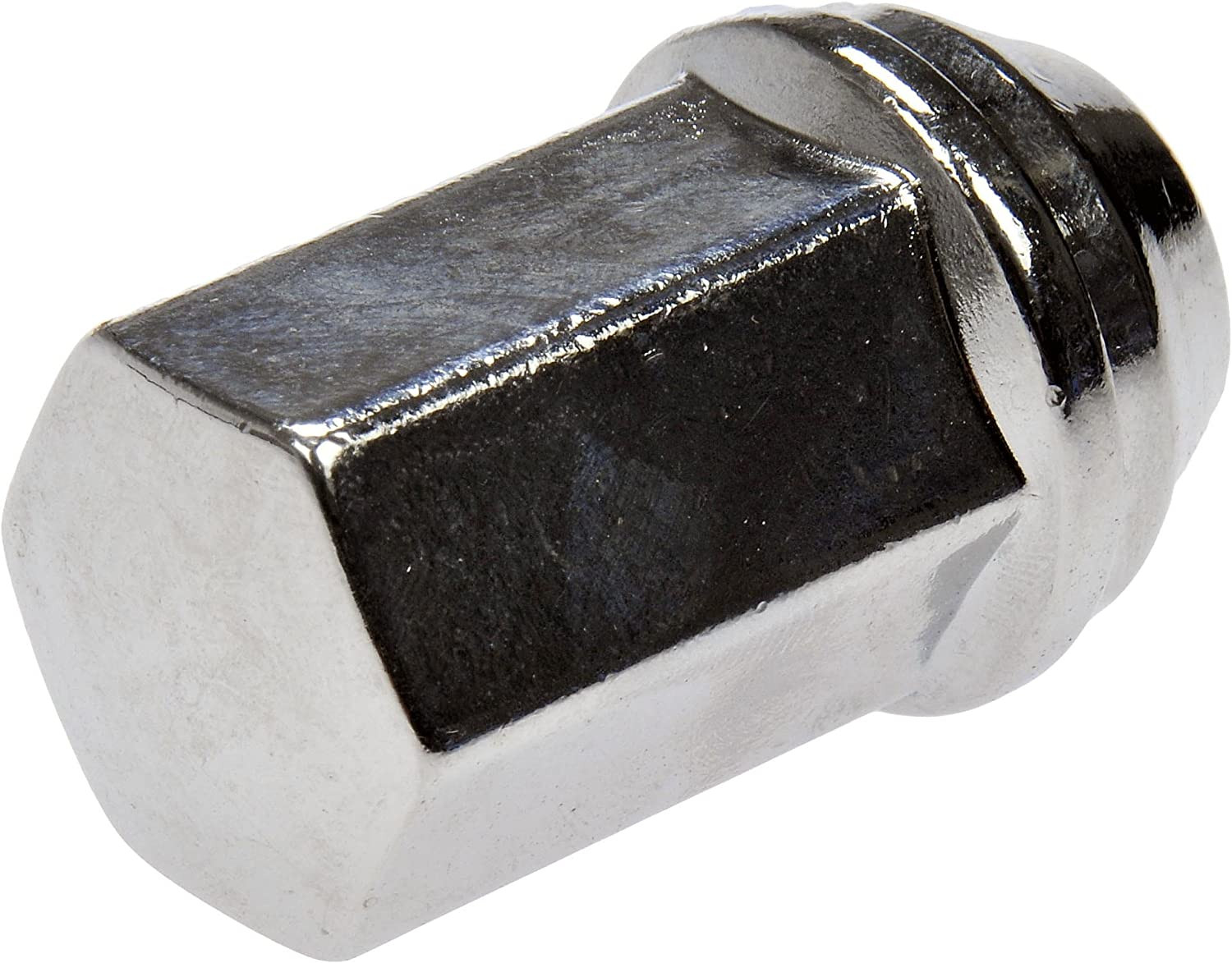
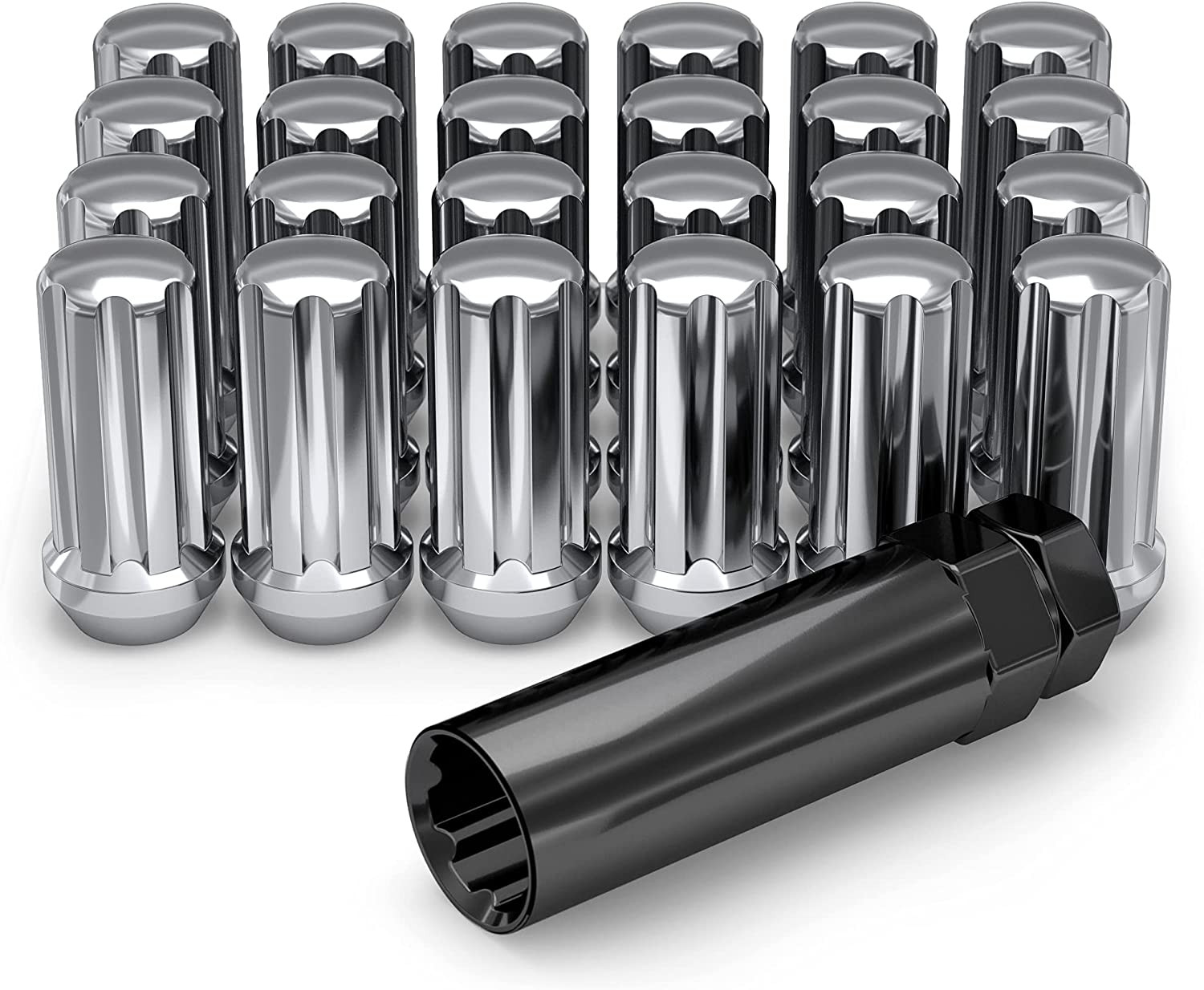
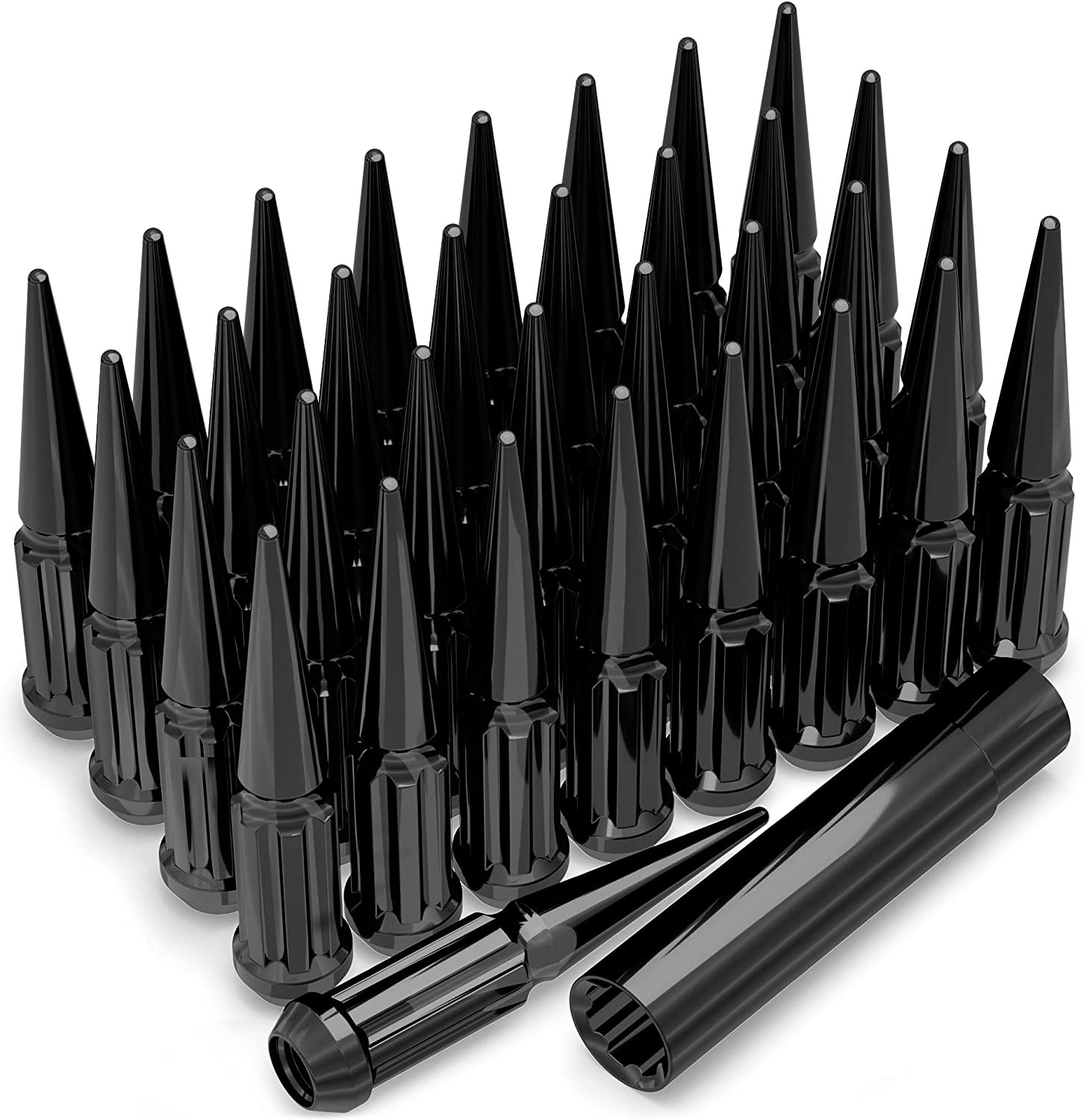
Example products matched to recorded thread, hub, or spacer dimensions. They are not verified fits. Confirm seat style, thickness, and clearance before ordering.
As an Amazon Associate we earn from qualifying purchases. Product availability and pricing may change.
2013 Audi Q7 Wheel Fitment Guide
Think of this page as a clear baseline and a practical check-list. It covers what is known for the 2013 Audi Q7 and how to verify anything that varies by trim or package using the on-page calculator and OEM sources.
Quick recap: OEM baseline for 2013 Audi Q7
Bolt pattern
5x130
Center bore
71.5 mm
Thread size
M14 x 1.5
Rim diameter
19 in
Rim width
8.5 in
Offset
ET 62 mm
Backspacing
6.69 in
OEM tire size
265/50R19
1. Misconception
Any Audi wheel will fit a 2013 Q7 if the diameter is right.
2. Why it seems true
Lots of Audis use a 5x112 pattern, and many owners swap wheels across models. The Q7 is an SUV, so a 19 inch wheel from another Audi feels like it should bolt up. The visual similarities make it convincing.
3. What is true
The 2013 Q7 uses a different specification set. The key baseline is 5x130 bolt pattern, 71.5 mm center bore, and M14 x 1.5 wheel bolts. The common factory size is 19x8.5 with ET 62 and 265/50R19 tires. Some equipment packages may differ on wheel size or offset, so use the calculator to compare any donor wheel against your Q7, and confirm against your owner’s manual or the door-jamb placard if your trim is uncertain.
Offset and hub bore are as important as diameter. A wheel can be the right diameter but still not fit if the bolt pattern, center bore, offset, or load rating are off. For hub-centric mounting, the wheel’s center bore must seat on the 71.5 mm hub or use proper hub-centric rings if the wheel bore is larger. If the bore is smaller than 71.5 mm, that wheel will not fit your hub.
4. Implications
Bolt pattern mismatch is a hard stop. 5x112 or 5x114.3 wheels will not fit a 5x130 hub.
Center bore matters for vibration control. Larger bores can be corrected with 71.5 mm hub-centric rings. Smaller bores cannot be used.
Offset affects inner clearance and fender poke. Your baseline is ET 62 on 8.5 in width. Moving to lower ET pushes the wheel outward. Higher ET pulls it inward toward suspension and brake components.
Brake clearance is non-negotiable. The Q7 uses large brakes. Even correct-diameter wheels can foul calipers if the spoke design is tight.
Load rating should meet or exceed the Q7’s requirement. Choose SUV-grade wheels and tires. If a vendor cannot provide a load rating, skip that wheel.
Thread engagement is safety critical. With M14 x 1.5 bolts, ensure proper engagement depth. If you add spacers, you will likely need longer, correct-seat bolts and hub-centric spacers to maintain safe mounting.
TPMS compatibility can vary by market. If reusing sensors, confirm valve type and frequency with your parts source or manual.
Speedometer and ABS tolerances depend on tire diameter. If you change rim size, match overall tire diameter closely using the calculator’s tire adjustments.
5. Quick tests
Identify your baseline: Check your current wheel’s back stamp for size and offset, for example “8.5Jx19 ET62”.
Bolt pattern check: Use a 5-lug PCD tool or measure carefully across the hub to confirm 5x130. A dedicated gauge helps avoid guesswork:
bolt pattern gauge 5 lug.
Center bore fit: The hub is 71.5 mm. If the new wheel’s bore is larger, plan for 71.5 hub-centric rings:
71.5 hub centric rings.
Offset reality check: Enter the donor wheel size in the calculator, then set “Installed on” to 2013 Audi Q7 with the OEM baseline. Adjust offset until it matches the donor wheel’s ET. Look at inner clearance and outer poke changes. As a rule of thumb, 10 mm offset change equals roughly 10 mm of inner or outer movement on the same width.
Width effects: If you change width, the calculator shows how half the added width moves inward and half outward when offset stays the same. Use this to predict fender or strut clearance.
Tire diameter match: If you change rim diameter, set a tire size in the calculator that keeps overall diameter close to your OEM 265/50R19. Keep speedometer error small and check for rubbing.
Brake and spoke clearance: Test fit the bare wheel on the hub. Hand snug two bolts to center it. Spin and check caliper clearance with a feeler or modeling clay. Do not force the wheel if it does not sit flush.
Final torque: Use a quality torque wrench and tighten in a star pattern to the factory spec listed in your owner’s manual:
1/2 inch torque wrench.
Thin wall 17 mm sockets help protect wheel bores:
thin wall 17mm lug socket.
Using the calculator for this Q7
Set “Installed on” to 2013 Audi Q7. Use the OEM baseline shown above. Enter the donor wheel and tire in “Wheels from” to see differences. If you want to try a custom setup, switch to “Custom wheel size” and “Custom tire size”. Changing rim diameter will update the tire comparison, so watch overall diameter and the inner and outer clearance readouts. If anything is unknown for your trim, confirm the stamped wheel size on your vehicle and cross-check with your owner’s manual or a dealer parts lookup.
Safety-first summary
The 2013 Q7’s fitment lives on 5x130, 71.5 mm center bore, M14 x 1.5 bolts, and an ET 62 baseline on a 19x8.5 wheel. Use hub-centric mounting, confirm load rating, and verify clearance with a physical test fit. The calculator gets you close, then a careful install finishes the job with confidence. If something feels off during test fit, stop and re-check the numbers before driving.
Methodology and sources
Wheel interchange depends on more than bolt pattern. Where data is available, this site compares recorded OEM values:
Bolt pattern / PCD
Center bore direction (donor wheel bore must not be smaller than the hub)
Wheel diameter, width, and offset against known OEM ranges
A normal wheel spacer does not change bolt pattern. Hub rings cannot enlarge a wheel bore that is smaller than the hub. Brake clearance and tire package fitment still require vehicle-specific checks when not confirmed in the dataset.