2019 BMW X6 Wheel Fitment Guide
Known OEM Fitment For 2019 BMW X6
BMW offered multiple factory wheel and tire packages on the 2019 X6. The values below are confirmed samples, but other trims and option packages may differ. If a spec on your vehicle does not match, use the on-page Wheel Interchange Calculator and confirm against your door-jamb tire placard and OEM sources before buying.
| Sample OEM Wheel Spec |
| Bolt pattern |
Center bore |
Thread size |
Rim diameter |
Rim width |
Wheel offset |
Backspacing |
| 5x120 |
74.1 mm |
M14 x 1.25 |
20 in |
10.0 in |
ET 40 mm |
6.57 in |
BMW also fitted other wheel and tire sizes on some trims. The tire size below is a confirmed example from a different package and uses a 19 inch rim.
| Sample OEM Tire Size |
| Section width |
Aspect ratio |
Rim diameter |
| 255 mm |
50 |
R19 |
Because factory configurations vary, always verify your exact specs on the driver door placard and by VIN or build sheet. Use the calculator on this page to compare your current setup to any donor or custom setup before purchase.
How To Use The Wheel Interchange Calculator
The calculator compares Wheels from (donor vehicle) against Installed on (your vehicle) and lets you test a Custom wheel size and Custom tire size.
- Start with your current wheel and tire as the Installed on vehicle. If unknown, read it from your tire sidewall and wheel stampings, or load a close match and edit.
- Choose a Donor vehicle or enter a Custom wheel size by setting rim diameter, rim width, and offset. You can also set a Custom tire size by section width and aspect ratio.
- When you change rim diameter, the tool updates overall tire diameter in the comparison. Adjust tire aspect or width to keep overall diameter close to stock.
- Review results for inner clearance to suspension and brakes, outer poke relative to the fender, and overall tire diameter change. A small diameter change is best. Many owners target within about 3 percent to help keep speedometer and ABS behavior consistent.
- Brake caliper clearance varies by trim and brake package. Use the inner clearance result and still perform a physical test fit before mounting tires.
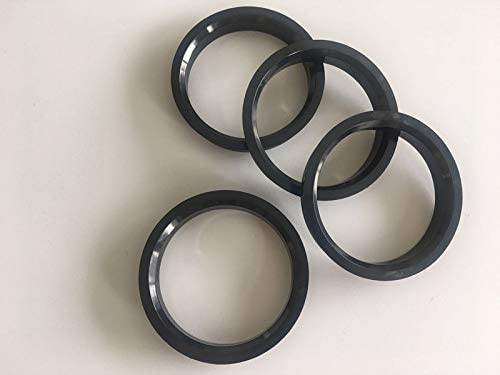
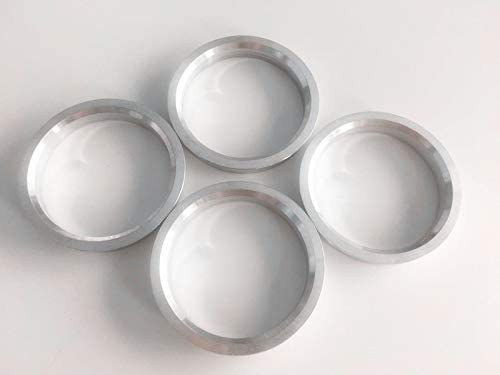
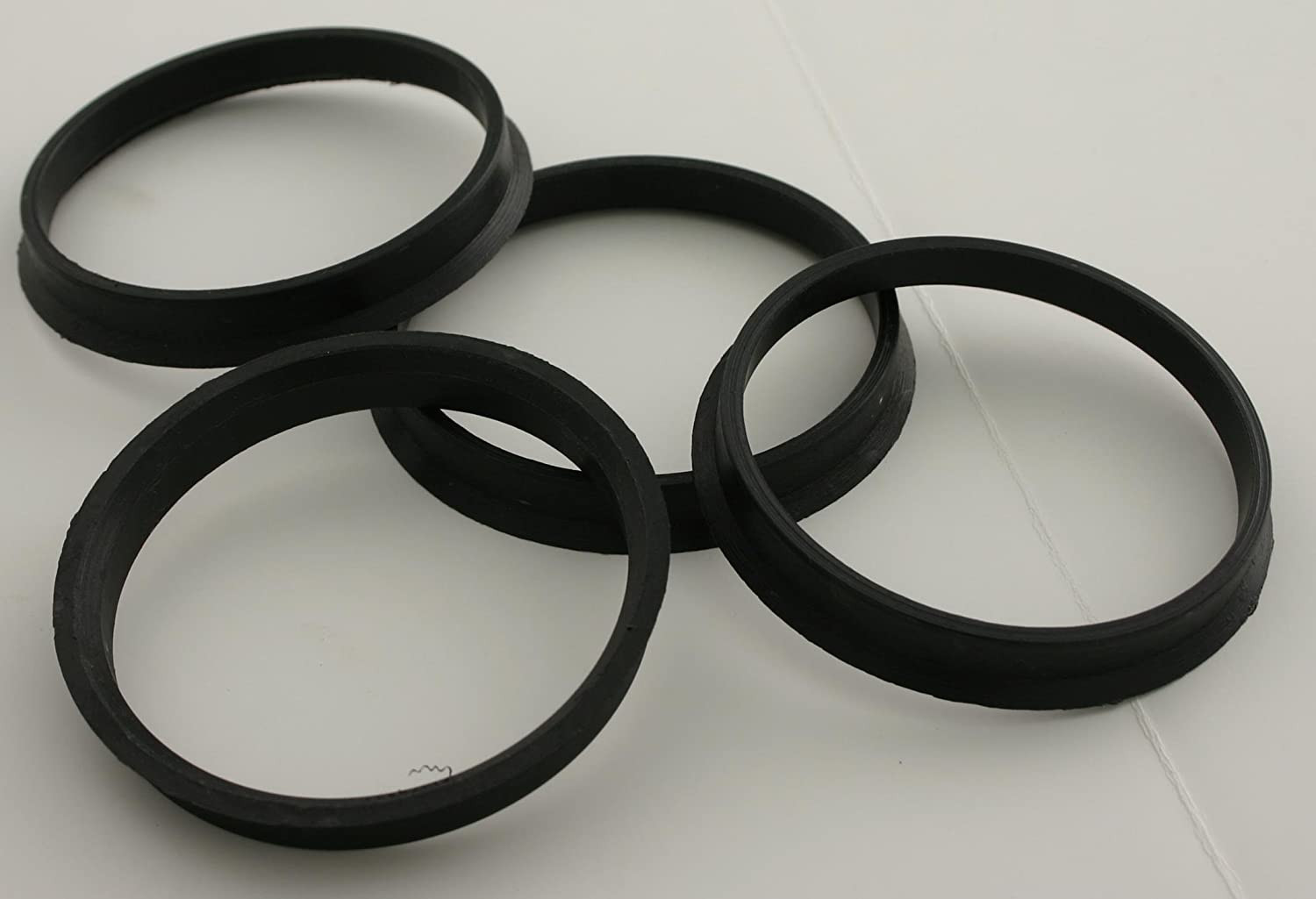
- If your donor wheel’s center bore is larger than 74.1 mm, plan on hub-centric rings with a 74.1 mm inner diameter to keep the wheel centered.
Fitment Checklist Before You Buy
- Bolt pattern must match 5x120.
- Center bore must seat on 74.1 mm. Larger bores require hub-centric rings. Smaller bores will not fit.
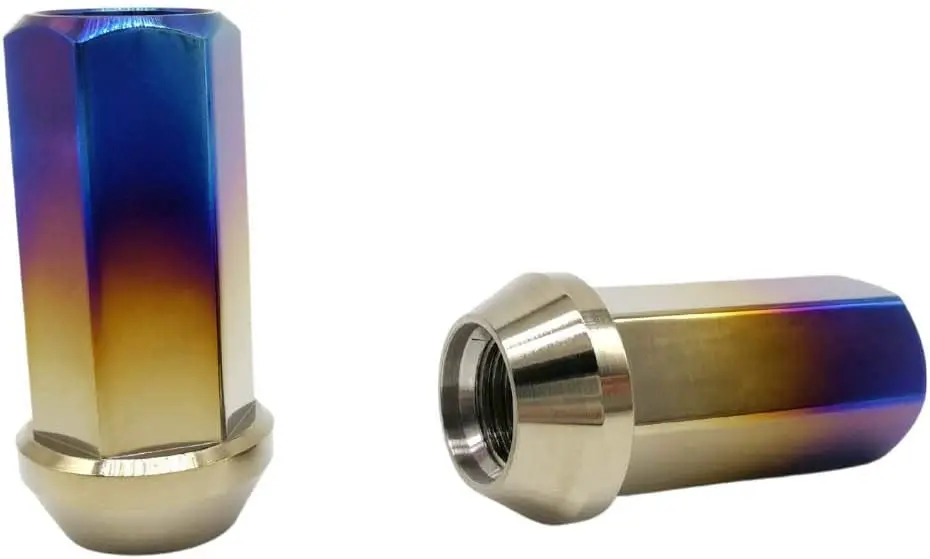
- Thread size is M14 x 1.25. Confirm correct-seat lug bolts for your wheels. Do not mix seat types.
- Offset and width must clear the inner strut, spring perch, and brake calipers, and must not poke past the fender. Use the calculator to check inner and outer changes.
- Overall tire diameter should stay close to stock. Large changes can affect speedometer, ABS, and xDrive systems.
- Load rating on wheels and tires must meet or exceed the vehicle’s GAWR values on the door placard.
- TPMS compatibility may be required. Reuse or program sensors as applicable for your market.
- If using spacers, ensure proper hubcentric design and longer bolts of the correct thread and seat. Verify legal compliance in your area.
- Staggered front and rear setups may be present on some trims. Keep rolling circumference closely matched side to side and confirm the sizes on your placard.
- Confirm return policy and perform a test fit on the hub before mounting tires.
Plus Sizing And Common Upgrades
Plus sizing increases rim diameter and often width while selecting a tire with a lower aspect ratio so the overall diameter stays near stock. This preserves speedometer accuracy and reduces the chance of rubbing. Use the Custom wheel size and Custom tire size fields to try plus-one or plus-two concepts and watch the calculator’s overall diameter and clearance outputs.
For xDrive vehicles, keep front and rear rolling circumference very close to minimize driveline stress. If you run a staggered setup, choose front and rear tire sizes that keep overall diameters closely matched and verify with the calculator.
Installation Tips
Do a dry test fit with the bare wheel first. Confirm the 74.1 mm hub seats fully, the center cap clears the hub dust cap, and the spokes clear the calipers. Spin by hand to check for interference before mounting tires.
Clean the hub face and center pilot with a wire brush. Do not lubricate lug bolt threads unless an OEM procedure specifies it. If allowed by OEM guidance, a very light film of high-temperature brake grease on the hub pilot can help prevent corrosion. Avoid getting any lubricant on the friction surfaces or bolt seats.
Use a wheel hanger alignment pin to support the wheel, start bolts by hand, and snug in a star pattern. Final torque should be to the BMW specification in your owner’s manual or service information. Re-check torque after 50 to 100 miles.
After installation, turn the steering from lock to lock and drive over gentle bumps to check for rubbing under load.
Tools And Helpful Supplies
- 1/2 inch drive torque wrench suitable for automotive wheels: Amazon search
- Wheel hanger alignment pin M14 x 1.25 for lug-bolt hubs: Amazon search
- M14 x 1.25 lug bolts in the correct seat style for your wheels: Amazon search
- Hub-centric rings with 74.1 mm inner diameter sized to your wheel bore: Amazon search
Also have a floor jack, jack stands, wheel chocks, a wire brush for the hub, a breaker bar, and the correct socket for your lug bolts.
FAQs
Q: What is the bolt pattern for the 2019 BMW X6?
A: 5x120.
Q: What center bore does the 2019 X6 use?
A: 74.1 mm.
Q: What is the lug bolt thread size?
A: M14 x 1.25. Use the correct-seat bolts that match your wheel design.
Q: Can I run 20 inch wheels on my 2019 X6?
A: Some packages use 20 inch wheels, while others differ. Verify your door placard and compare in the calculator to keep clearances and overall diameter appropriate for your trim.
Q: Do I need hub-centric rings?
A: Only if your wheel’s center bore is larger than 74.1 mm. Use rings with a 74.1 mm inner diameter and an outer diameter that matches your wheel bore.
Q: What is the largest tire I can fit without rubbing?
A: It depends on wheel width, offset, suspension, and trim. Use the calculator to check inner and outer clearance and keep overall diameter close to stock, then test fit and check full lock and compression.
Q: Can I use spacers on the X6?
A: Spacers can change offset and clearance but must be hubcentric and paired with proper-length M14 x 1.25 bolts. Verify brake and fender clearance in the calculator and via physical checks. Follow local laws.
Q: Will the TPMS work with new wheels?
A: You typically need compatible TPMS sensors. You can transfer existing sensors if the new wheels accept them or source compatible sensors and program them as required for your market.
Q: Are 2019 X6 setups staggered?
A: Some trims use different front and rear sizes. Check your placard. If staggered, keep rolling circumference closely matched front to rear and verify with the calculator.