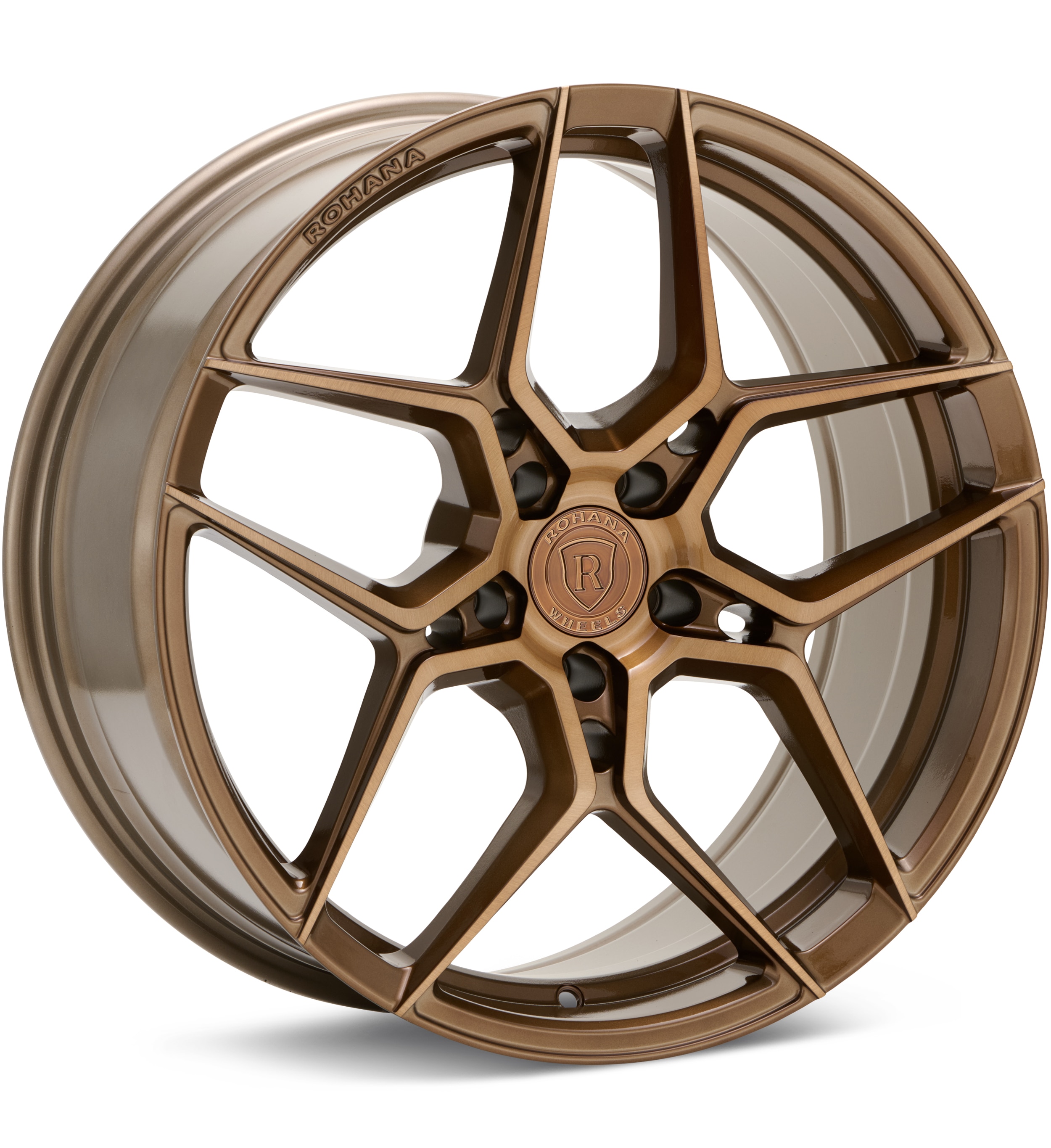
Rohana Wheels
RFX11
Brushed Bronze
20 × 10″ · ET +38
$758.00
View at Tire Rack ↗Recorded OEM specifications for the 2011 BMW X6, donor years with overlapping ranges, and a calculator to compare a selected wheel. Range overlap is not a guaranteed fit.
Save these wheel specs to your Ownery garage
Baseline mounting dimensions used for interchange decisions.
Multiple OEM configurations exist for this vehicle. Fitment can vary by trim, brakes, and factory wheel package – confirm your exact setup before buying.
Thread-only product links are shopping examples, not verified fits. Seat style is not confirmed here. As an Amazon Associate we earn from qualifying purchases.
Selected size: 20 × 10″ · ET +40
Showing matching bolt patterns and offsets up to 20 mm lower. Confirm center bore, load rating, and clearance at Tire Rack.
Rohana Wheels
Brushed Bronze
20 × 10″ · ET +38
$758.00
View at Tire Rack ↗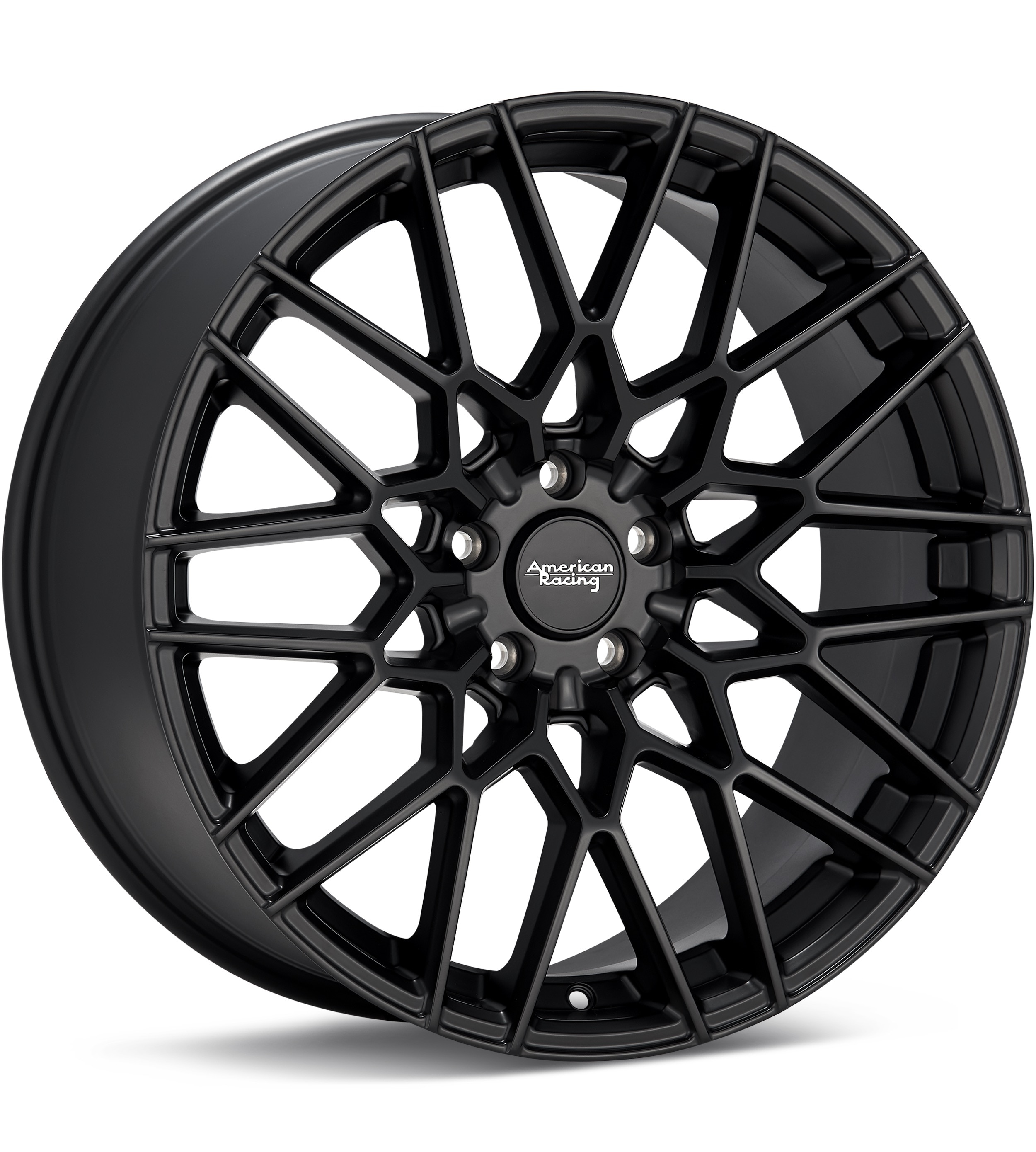
American Racing
Black
20 × 10.5″ · ET +40
$432.00
View at Tire Rack ↗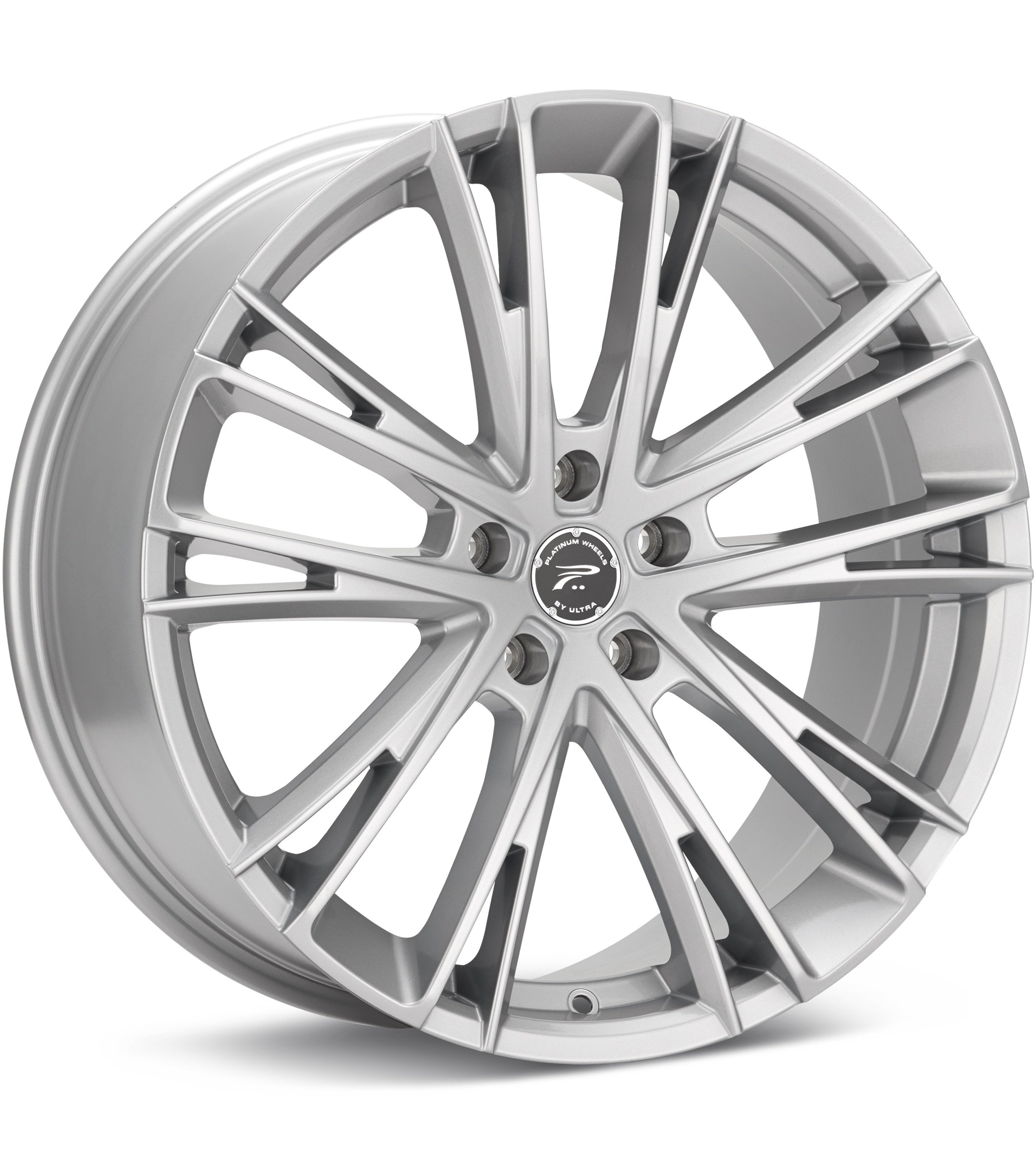
Platinum
Silver
20 × 8.5″ · ET +40
$269.03
View at Tire Rack ↗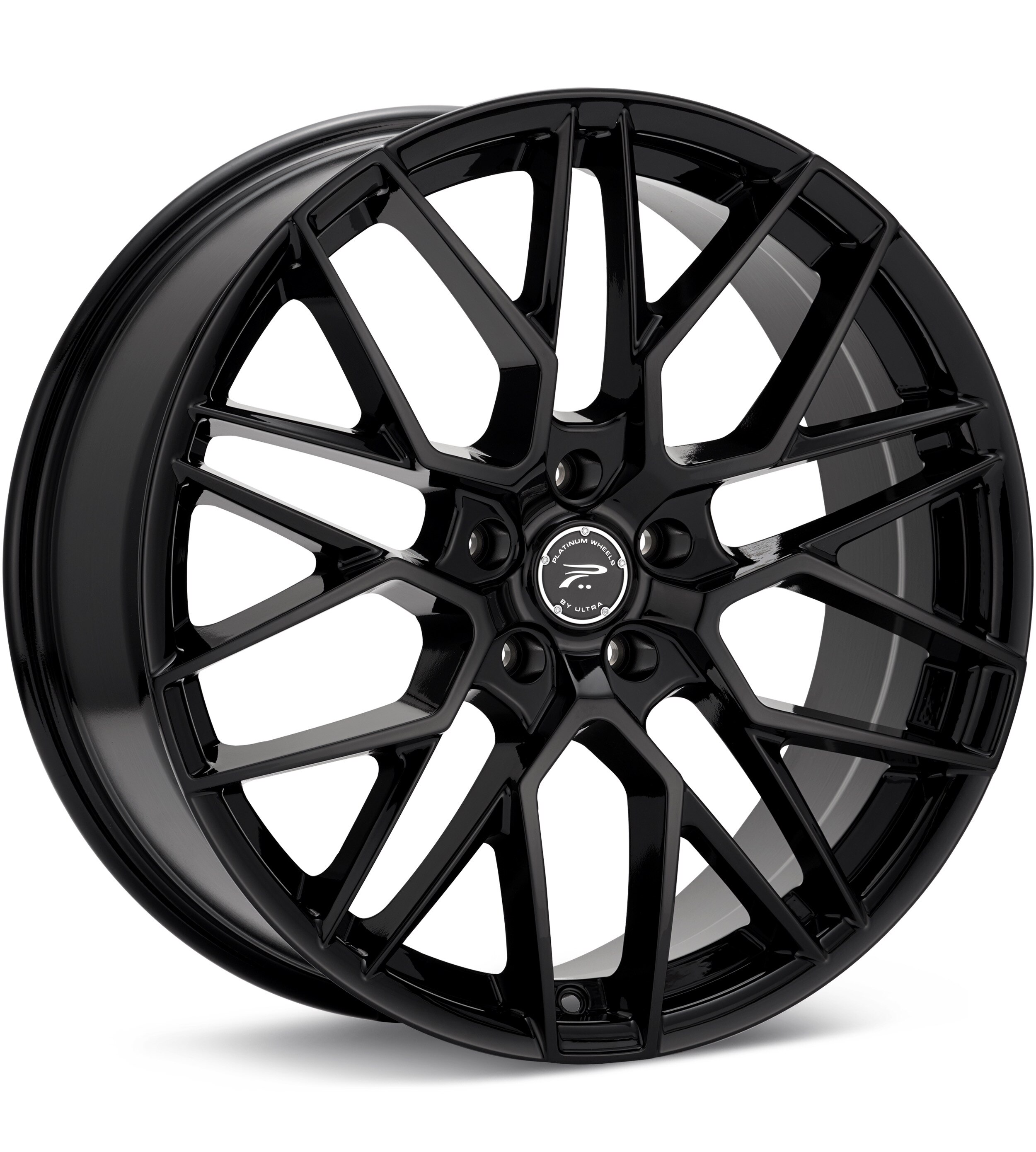
Platinum
Gloss Black
20 × 8.5″ · ET +40
$267.36
View at Tire Rack ↗We may earn a commission when you buy through these links. Prices and availability may change.
These are vehicle-year records whose recorded OEM ranges overlap this 2011 BMW X6. Overlap is not a guarantee that a specific wheel will install. Selected-wheel comparison is in the calculator below.
Evaluated 46 donor years. Listed 24 eligible overlaps (not all evaluated years are compatible). Showing all listed.
Years grouped because recorded compatibility evidence is equivalent. Each year keeps its own page.
Approximate position vs the mid OEM package: outer change -2.35 mm, inner change -10.35 mm. This uses aggregated width/offset ranges, not a specific wheel.
Years grouped because recorded compatibility evidence is equivalent. Each year keeps its own page.
Approximate position vs the mid OEM package: outer change -2.35 mm, inner change -10.35 mm. This uses aggregated width/offset ranges, not a specific wheel.
Approximate position vs the mid OEM package: outer change -2.35 mm, inner change -10.35 mm. This uses aggregated width/offset ranges, not a specific wheel.
Only years with evidence-based interchange relationships are listed. Adjacent years are not assumed compatible.
Compare a donor vehicle or custom wheel against this 2011 BMW X6. Use Compare in calculator on a donor row above to fill the donor side of this same calculator.
Compare wheel compatibility between two vehicles
2011 BMW X6





Example products matched to recorded thread, hub, or spacer dimensions. They are not verified fits. Confirm seat style, thickness, and clearance before ordering.
M14 x 1.25
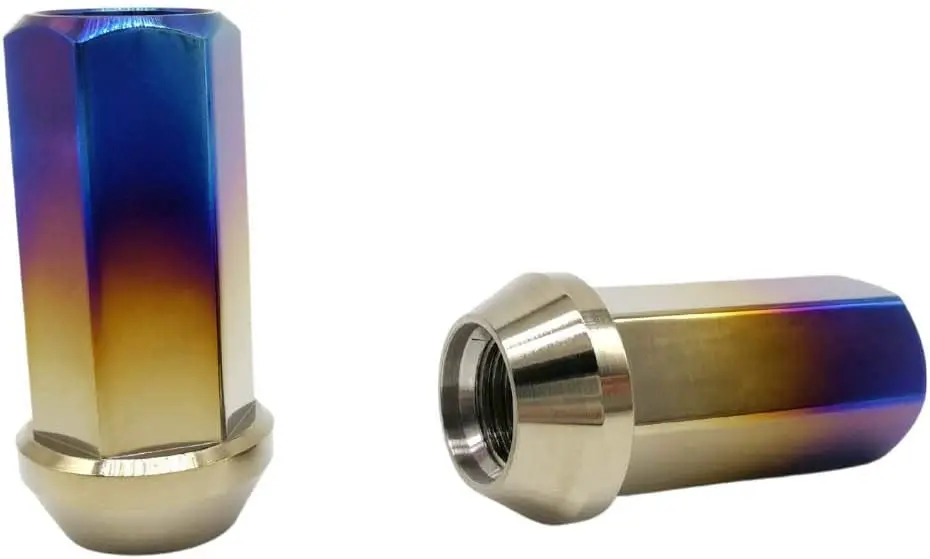
M14 x 1.25 · Thread match only; seat style is not verified
View on Amazon →As an Amazon Associate we earn from qualifying purchases. Product availability and pricing may change.
Use the following data as a starting point. Some values can vary by trim, brake package, and regional spec. If your vehicle has a different package or you are unsure, confirm with the door-jamb tire placard, your owner’s manual, and BMW service information. You can also load your vehicle in the on-page calculator to visualize clearances before buying.
| Bolt pattern (studs x PCD) | 5x120 | Verify on your VIN if unsure |
| Center bore (mm) | 74.1 | Hub-centric fit required |
| Thread size | M14 x 1.5 | Match fasteners to wheel seat type and OEM spec |
| Rim diameter (in) | 20 | One known OEM configuration shown below |
| Rim width (in) | 10.0 | May vary by package or front/rear position |
| Wheel offset ET (mm) | 40 | Backspacing depends on width and ET |
| Backspacing (in) | 6.57 | Derived from width and ET listed |
| Tire size | 275/40R20 | Other OEM sizes may exist by trim |
Note: The 20x10 ET40 with 275/40R20 tire is one OEM-style fitment. The 2011 BMW X6 may have different front and rear wheel widths or other factory options. Always compare against your door-jamb placard and use the calculator here to model your exact setup.
Many owners explore wider wheels or larger diameters. Exact sizes vary by trim and brake package on the 2011 X6, so do not assume a universal setup. Use these guidelines:
If you are unsure whether a larger wheel will clear your brakes, request drawings or a brake template from the wheel manufacturer and perform a physical test fit.
What is the bolt pattern for the 2011 BMW X6?
5x120.
What center bore do I need?
74.1 mm. Use hub-centric rings if your wheel bore is larger to ensure a vibration-free fit.
What is the thread size for the wheel fasteners?
M14 x 1.5. Match hardware to the wheel’s seat profile and follow BMW specifications.
What OEM wheel and tire size can I use as a baseline?
One known configuration is 20x10 ET40 with 275/40R20. Other factory options may exist by trim or axle. Verify on your door-jamb placard and model alternatives with the calculator.
Can I fit wheels from a different bolt pattern like 5x112?
Not directly. Adapters would be required and change effective offset and hardware requirements. Use the calculator to model the offset change and evaluate carefully before considering adapters.
How do I know if a wider wheel will rub?
Use the calculator to compare inner clearance to the suspension and outer poke to the fender. Then perform a physical test fit to confirm brake and liner clearance under steering and compression.
Do I need new TPMS sensors?
If your current sensors are compatible with the new wheels and are in good condition, you can often reuse them. Sensor type and frequency can vary by market and build, so confirm by VIN and with your parts supplier.
What torque should I use on the wheel fasteners?
Refer to the owner’s manual or BMW service information for the exact torque. Do not guess. Re-torque after a short drive interval.
Wheel interchange depends on more than bolt pattern. Where data is available, this site compares recorded OEM values:
A normal wheel spacer does not change bolt pattern. Hub rings cannot enlarge a wheel bore that is smaller than the hub. Brake clearance and tire package fitment still require vehicle-specific checks when not confirmed in the dataset.
