- Bolt pattern6x139.7 · Same recorded PCD
- Center bore78.1 mm · same recorded hub figure
- Wheel geometryNot fully recorded
Wheel width/offset data is incomplete.
Recorded OEM specifications for the 2023 Cadillac Escalade, donor years with overlapping ranges, and a calculator to compare a selected wheel. Range overlap is not a guaranteed fit.
Save these wheel specs to your Ownery garage
Baseline mounting dimensions used for interchange decisions.
Thread-only product links are shopping examples, not verified fits. Seat style is not confirmed here. As an Amazon Associate we earn from qualifying purchases.
These are vehicle-year records whose recorded OEM ranges overlap this 2023 Cadillac Escalade. Overlap is not a guarantee that a specific wheel will install. Selected-wheel comparison is in the calculator below.
Evaluated 23 donor years. Listed 15 eligible overlaps (not all evaluated years are compatible). Showing all listed.
Years grouped because recorded compatibility evidence is equivalent. Each year keeps its own page.
Wheel width/offset data is incomplete.
Only years with evidence-based interchange relationships are listed. Adjacent years are not assumed compatible.
Compare a donor vehicle or custom wheel against this 2023 Cadillac Escalade. Use Compare in calculator on a donor row above to fill the donor side of this same calculator.
Compare wheel compatibility between two vehicles
2023 Cadillac Escalade





Example products matched to recorded thread, hub, or spacer dimensions. They are not verified fits. Confirm seat style, thickness, and clearance before ordering.
M14 x 1.5
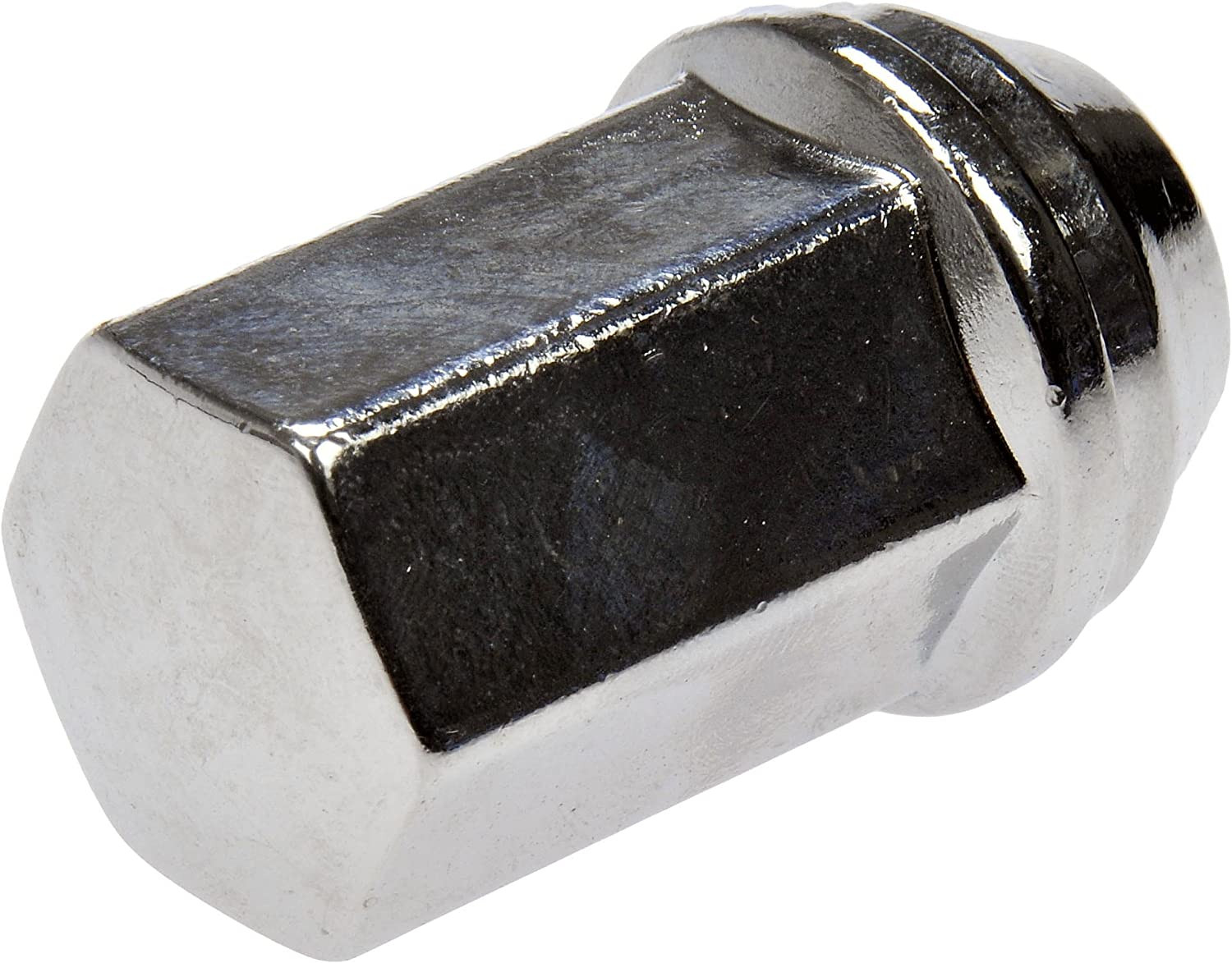
M14 x 1.5 · Thread match only; seat style is not verified
View on Amazon →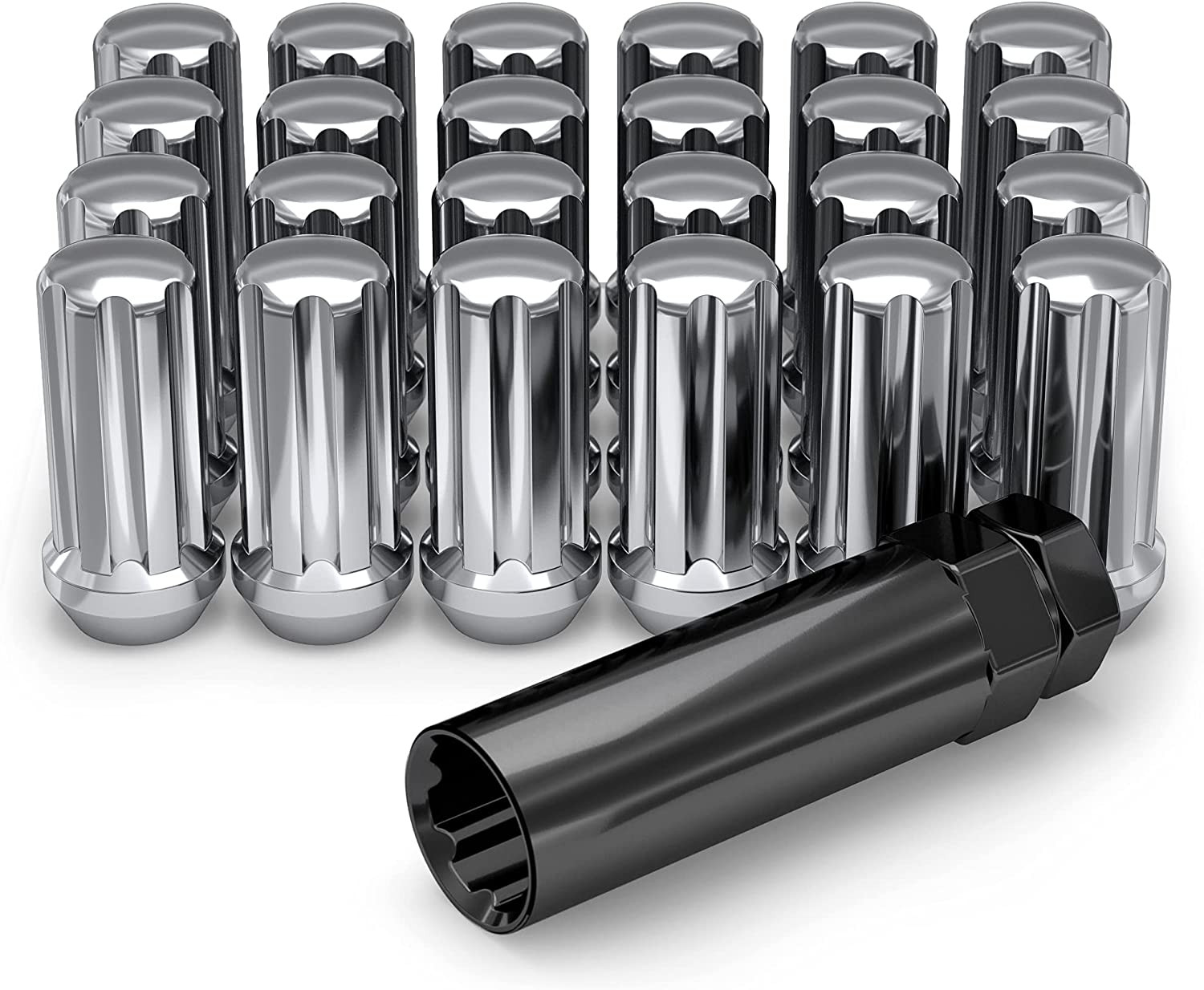
M14 x 1.5 · Thread match only; seat style is not verified
View on Amazon →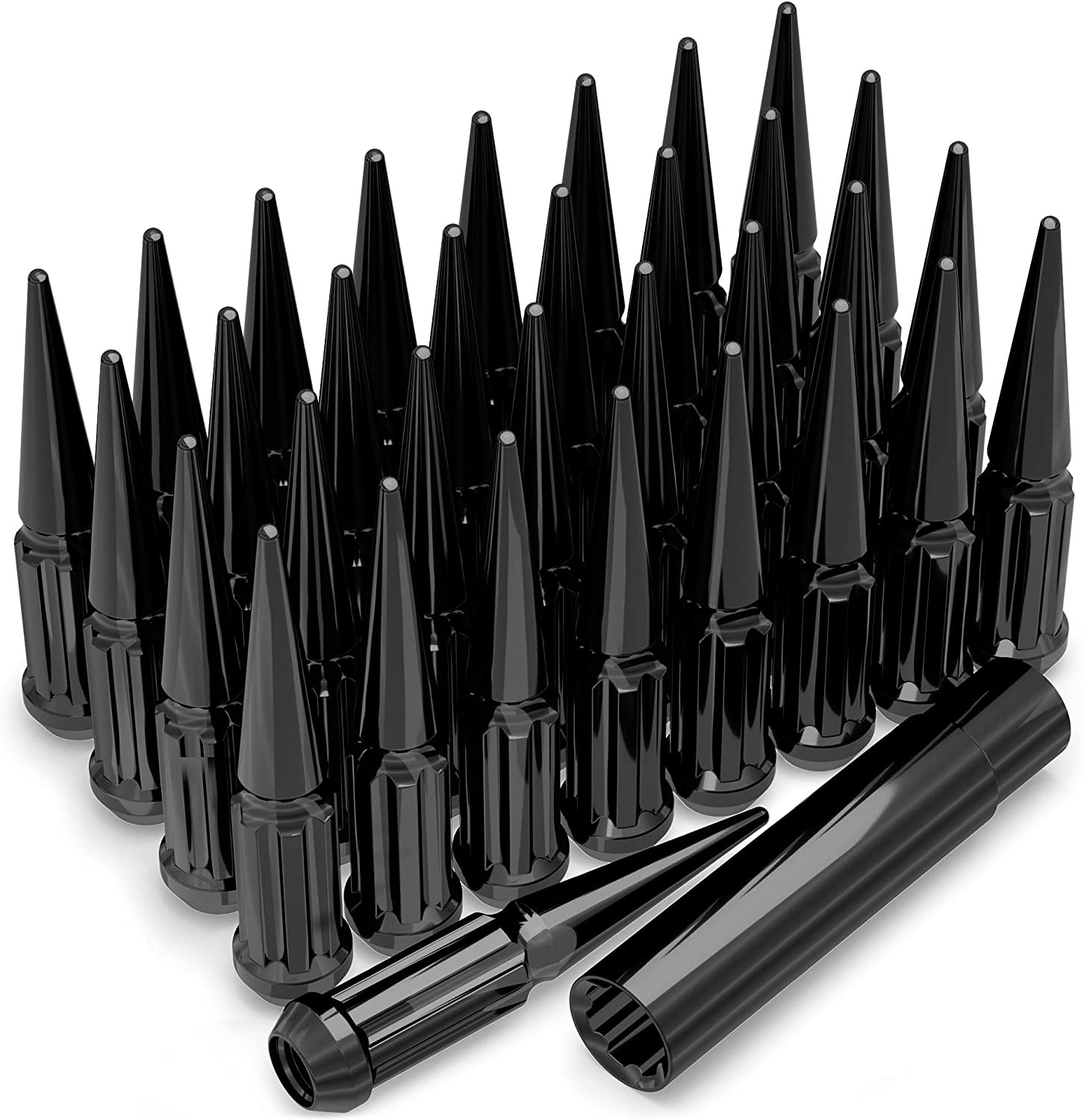
M14 x 1.5 · Thread match only; seat style is not verified
View on Amazon →As an Amazon Associate we earn from qualifying purchases. Product availability and pricing may change.
You want safe, correct wheel fitment for a 2023 Cadillac Escalade. The problem is some critical wheel and tire values are unknown. This guide shows what to confirm, how to test fitment with the on-page calculator, and how to avoid common failures during installation.
Gather these items and facts before making decisions. Missing values will block safe selection.
Follow these steps in order. The approach reduces risk and clarifies trade-off decisions.
Check the door jamb placard, owner’s manual, or dealer parts data for factory wheel and tire specs. If trim differences exist, use the VIN to get exact OEM wheel specs. This removes assumptions.
| Parameter | Value |
|---|---|
| Bolt pattern | 6x139.7 |
| Center bore | 78.1 mm |
| Thread size | M14 x 1.5 |
| Rim diameter | Unknown – confirm via placard or measurement |
| Rim width | Unknown – confirm via placard or measurement |
| Wheel offset (ET) | Unknown – confirm with dealer or measure |
| Backspacing | Unknown – can be measured |
| Tire size | Unknown – confirm factory tire spec |
Measure rim diameter and width from the inside of the barrel with a tape or caliper. Measure offset by finding the wheel centerline and comparing to the mounting face. Record backspacing with a straight edge and ruler. Take photographs for reference.
Enter the confirmed OEM wheel specs and the donor or custom wheel specs into the calculator. The tool compares wheel and tire diameters, track width change, and potential interference. Note: changing rim diameter updates tire diameter automatically in the calculator. Use this validation before buying wheels or tires.
Because the thread size is M14 x 1.5, purchase compatible lug nuts or adapters. Match seat type and length. If center bore differs, choose hub-centric rings rated for the load. Never rely solely on lug torque to center the wheel.
Verify inner barrel clearance from the inner lip to the brake caliper and suspension. Confirm spoke shape clears calipers. If a wheel is too close, change offset or width. Spacers are a last-resort and add trade-offs for hub load and stud engagement.
Mount one wheel by hand, torque lugs in a star pattern to the OEM recommended value, then lower the vehicle. Re-torque after 50 to 100 miles. Check TPMS sensor compatibility and ensure valve stems seat properly.
Validate fitment through measurement, the on-page calculator, and a physical test fit. Use these checkpoints.
If any of these validations fail, stop and correct before driving on the road.
Problems happen. Here are likely issues and practical fixes.
Reduce wheel width or increase positive offset. Alternatively, fit a narrower tire. Avoid aggressive spacers because they change hub load and can reduce stud engagement.
Check wheel runout and balance. Confirm center bore seating and correct hub-centric rings. Verify lug torque and full thread engagement.
Using the M14 x 1.5 thread specification, order matching nuts with the correct seat (tapered or ball) and length. Do not use incorrect thread or shallow nuts.
Confirm TPMS sensor compatibility or transfer OEM sensors. If ABS faults appear, check wheel speed sensor wiring and confirm tire diameter changes are within acceptable tolerance for the vehicle system.
If too small, do not machine the hub. If wheel bore is larger, use properly sized hub-centric rings. Ensure rings are fit for load; cheap rings can fail.
Summary and recommended next steps. You have partial OEM data and clear actions to remove unknowns. Use the on-page calculator to simulate changes. Confirm rim diameter, width, and offset from the VIN or wheel placard. Measure when OEM data is unavailable. Buy hardware that matches thread size M14 x 1.5 and ensure hub-centric seating. Always perform a test fit, torque and short road test, and re-torque. If unsure, get an OEM dealer or reputable wheel shop to validate load ratings and final fitment.
Following this process converts confusion into a validated fitment plan. Proceed deliberately and prioritize safety.
Wheel interchange depends on more than bolt pattern. Where data is available, this site compares recorded OEM values:
A normal wheel spacer does not change bolt pattern. Hub rings cannot enlarge a wheel bore that is smaller than the hub. Brake clearance and tire package fitment still require vehicle-specific checks when not confirmed in the dataset.
