2020 Chevrolet Malibu Wheel Fitment Guide
Known OEM Fitment For 2020 Chevrolet Malibu
The values below are the only fitment data provided for this page. The 2020 Malibu was sold in multiple trims, and wheel/tire specs can vary. Because the tire and wheel entries here point to different diameters, they likely represent different trim configurations. Always confirm your exact factory spec by VIN using the Wheel Interchange calculator on this page and your owner’s manual or OEM service information.
| Category | Spec | Value | Notes |
|---|
| Wheel | Bolt pattern | 5x115 | 5 studs on a 115 mm pitch circle |
| Wheel | Center bore | 70.3 mm | Use hub-centric rings if aftermarket wheels have a larger bore |
| Wheel | Thread size | M12 x 1.5 | Match lug nuts to wheel seat type and thread |
| Wheel (example) | Rim size | 17 x 7.5 in | Example factory wheel dimension provided |
| Wheel (example) | Offset (ET) | 45 mm | Example factory offset provided |
| Wheel (example) | Backspacing | 5.52 in | Derived from rim width and offset above |
| Tire (example) | Size | 205/65R16 | Example factory tire size provided; this implies a 16 in wheel on at least one trim |
Because a 17 x 7.5 wheel and a 205/65R16 tire cannot be used together, treat these as two separate OEM examples from different trims. Match your vehicle to the correct baseline before evaluating upgrades.
How To Use The Wheel Interchange Calculator
The calculator compares “Wheels from (donor vehicle)” against “Installed on (your vehicle)” so you can visualize offset, inner/outer clearance, and tire diameter changes.
- Select your 2020 Chevrolet Malibu as “Installed on (your vehicle).” If you know your exact OEM size, enter it first so the tool uses the right baseline.
- Pick a “Wheels from (donor vehicle)” or enter a “Custom wheel size” (diameter, width, offset). Adjust offset and width to see inner (suspension/brake) and outer (fender) clearance changes.
- Set a “Custom tire size” (section width and aspect ratio). When you change rim diameter, the tool updates the calculated tire diameter for comparison.
- Aim to keep overall tire diameter close to your OEM value to maintain speedometer and ABS behavior. Use the calculator’s diameter delta and speedometer error readouts as guides.
- Check inner clearance for struts, control arms, and brake calipers, and outer clearance for fenders and liners. The visual bars and measurements will show whether your changes move the wheel inboard or outboard.
- If your Malibu’s OEM size differs by trim, confirm yours by VIN, door-jamb placard, and owner’s manual, then plug that exact size into the calculator.
Fitment Checklist Before You Buy
- Bolt pattern: Must be 5x115. Do not attempt to fit 5x114.3 or other patterns.
- Center bore: Vehicle hub is 70.3 mm. If an aftermarket wheel has a larger bore, use quality hub-centric rings to 70.3 mm. Do not use a wheel with a smaller bore.
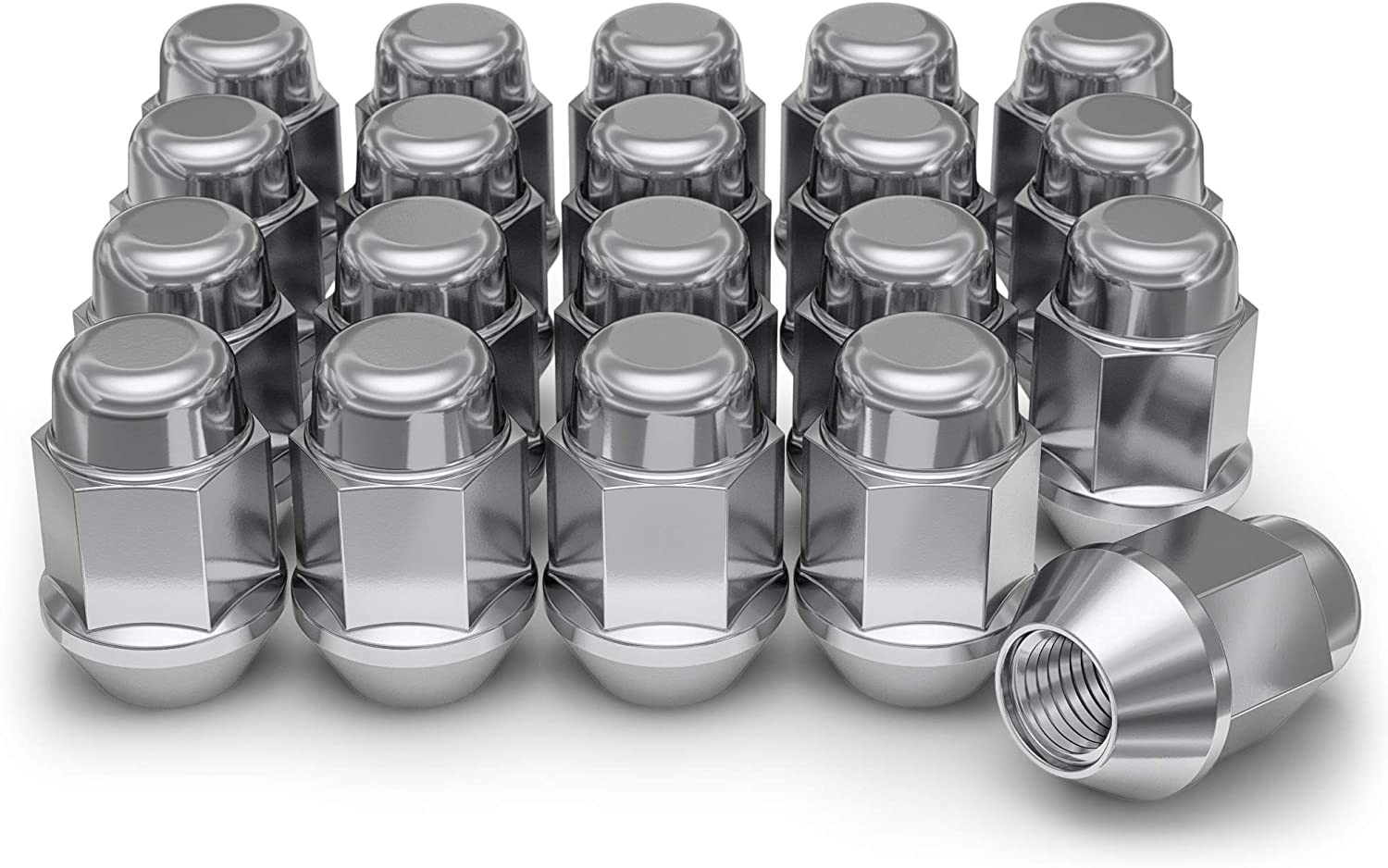
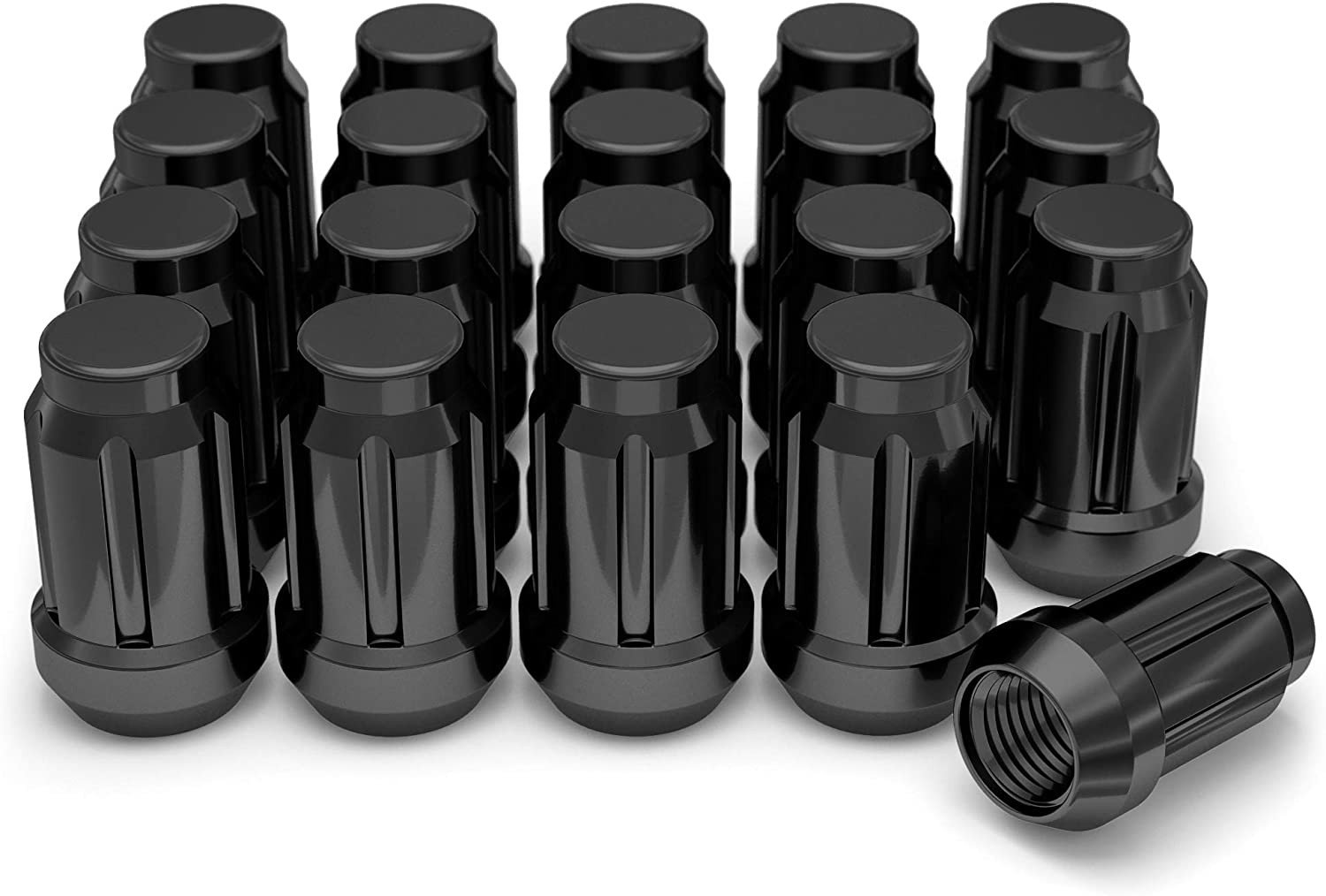
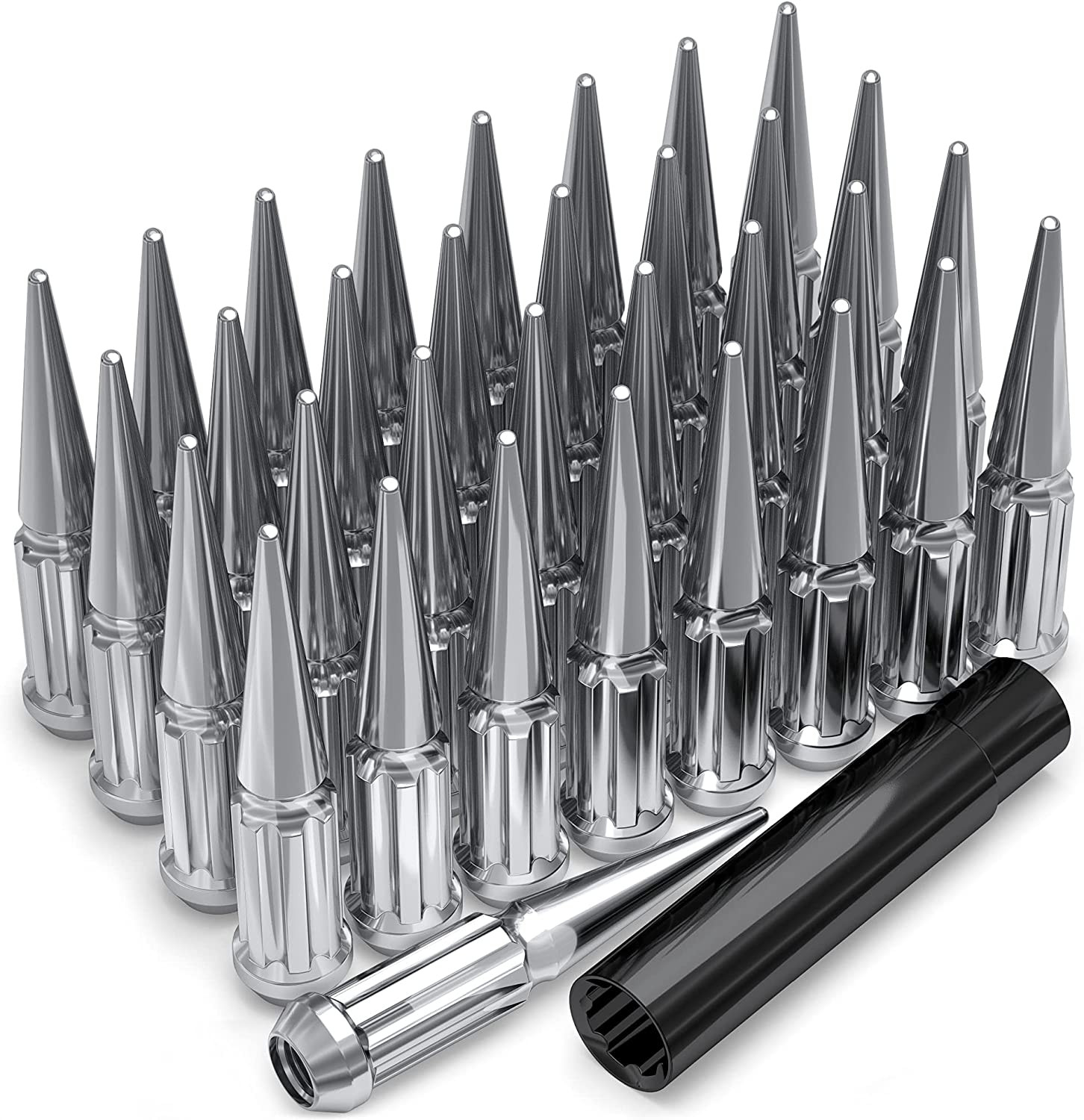
- Lug hardware: Threads are M12 x 1.5. Match nut seat type to the wheel (commonly 60-degree conical on aftermarket, but confirm with the wheel supplier).
- Offset and width: Use the calculator to ensure inner barrel and spoke clearance for brakes and suspension, and to prevent poke or rubbing at the fender.
- Overall tire diameter: Keep close to your OEM diameter. Verify speedometer error in the calculator.
- Brake clearance: Spoke profile and inner barrel must clear calipers. Test-fit whenever possible.
- Load and speed ratings: Tires must meet or exceed the OEM ratings on your door-jamb label.
- TPMS: Ensure sensors are compatible and plan for relearn after installation.
- Spacers (if used): Only hub-centric spacers of appropriate thickness with proper thread engagement. Re-check torque after a short drive.
Plus Sizing And Common Upgrades
Many owners explore larger-diameter wheels with lower-profile tires for sharper response and appearance, or narrower winter setups for snow performance. Because the 2020 Malibu was offered with different factory sizes by trim, start by confirming your exact OEM baseline (for example, the 17 x 7.5 ET45 wheel listed above is one provided example, while the 205/65R16 tire listed above indicates a different factory setup on another trim). Then, use the calculator to:
- Maintain overall tire diameter close to stock to keep the speedometer accurate.
- Balance width and offset to protect fender liners while keeping good inner clearance to struts and control arms.
- Evaluate staggered setups carefully; the Malibu’s FWD layout typically favors square setups for rotation and stability.
- Choose tire profiles that preserve adequate load index and ride quality for your roads.
Installation Tips
- Test-fit each wheel on the front and rear before mounting tires to verify caliper and hub clearance.
- Clean the hub face and the wheel mounting pad until free of rust and debris; a wire brush and brake cleaner help ensure the wheel seats flush.
- If using hub-centric rings, install snugly in the wheel bore and ensure they seat fully on the hub.
- Hand-start all lug nuts to avoid cross-threading. Tighten in a star pattern with a calibrated torque wrench to the specification in your owner’s manual or OEM service information.
- Re-torque the lug nuts after a short shake-down drive and again after your first commute.
- Perform TPMS relearn as described in the owner’s manual after wheel or sensor changes.
Tools And Helpful Supplies
FAQs
What is the bolt pattern on the 2020 Chevrolet Malibu?
5x115.
What is the center bore size?
70.3 mm. Use hub-centric rings if your aftermarket wheel bore is larger.
What lug nut thread does it use?
M12 x 1.5. Match the nut seat style to the wheel design.
My existing tires are 205/65R16 but I see a 17 x 7.5 ET45 wheel listed. Which is correct?
Both are provided examples that likely come from different trims. Confirm your exact OEM size by VIN, door-jamb placard, and owner’s manual, then set that size as the baseline in the calculator.
Can I use 5x114.3 wheels on a 5x115 hub?
No. Mixing bolt patterns is unsafe. Use wheels that are exactly 5x115.
What offset range fits the Malibu?
Offset requirements vary by wheel width, brake package, and trim. Start from your verified OEM baseline (for example, ET45 on a 17 x 7.5 wheel is one provided example), then use the calculator to model changes and perform a physical test-fit.
Do I need hub-centric rings?
Only if the aftermarket wheel’s center bore is larger than 70.3 mm. Choose rings that reduce the wheel bore precisely to 70.3 mm.
What is the correct lug nut torque?
Refer to your owner’s manual or OEM service information for the exact specification for your trim and wheels. Always tighten with a torque wrench in a star pattern.
Will bigger wheels affect my speedometer?
If overall tire diameter changes, the speedometer will read differently. Use the calculator’s diameter and speed readouts to keep your new setup close to OEM.
Are spacers safe to use?
Quality, hub-centric spacers can be used when necessary, provided you maintain proper thread engagement and re-torque after a short drive. Verify clearances with the calculator and a test-fit.