2009 Chevrolet Equinox Wheel Fitment And Interchange Guide
1. Known OEM Fitment For 2009 Chevrolet Equinox
The values below reflect one documented OEM configuration for the 2009 Chevrolet Equinox. Other trims or option packages may have different wheel or tire sizes. If your vehicle’s tire placard lists different sizes, use those as the baseline and compare them with the on-page calculator.
| Bolt pattern | 5x115 |
| Center bore | 70.3 mm |
| Thread size | M12 x 1.5 |
| Rim diameter | 16 in |
| Rim width | 6.5 in |
| Wheel offset | ET 46 mm |
| Backspacing | 5.06 in |
| Tire size | 235/65R16 |
Important: If your Equinox has a different OEM size on the driver’s door jamb sticker, start with that size in the calculator. This ensures accurate comparisons for clearance, speedometer impact, and scrub changes.
2. How To Use The Wheel Interchange Calculator
Our calculator lets you compare Wheels from a donor vehicle against those Installed on your vehicle. It also supports Custom wheel size and Custom tire size so you can test different options safely.
- Select Installed on and set it to 2009 Chevrolet Equinox. Enter your actual OEM tire and wheel details from the door placard if they differ from the table above.
- For a donor setup, choose Wheels from to match the other vehicle or the aftermarket wheel specs you are considering.
- Adjust Custom wheel size to test different rim diameter, width, and offset. The calculator shows inner clearance and outer poke changes so you can spot potential rubbing on struts, knuckles, fender liners, and lips.
- Adjust Custom tire size by section width and aspect ratio. When you change rim diameter, the tire’s overall diameter updates in the comparison so you can keep it close to stock.
- Review changes in overall tire diameter and circumference to understand speedometer and ABS sensitivity. Aim to stay close to OEM diameter.
- Confirm brake caliper and spoke clearance visually and with measurements. The calculator predicts position, but physical checks are still required.
- Use the results to decide if you need hub-centric rings, different lug hardware, or a different offset to maintain safe clearances.
3. Fitment Checklist Before You Buy
- Bolt pattern must be 5x115. Do not force 5x114.3 or any other pattern.
- Center bore on the Equinox hub is 70.3 mm. Aftermarket wheels typically have a larger bore and will need hub-centric rings sized down to 70.3 mm.
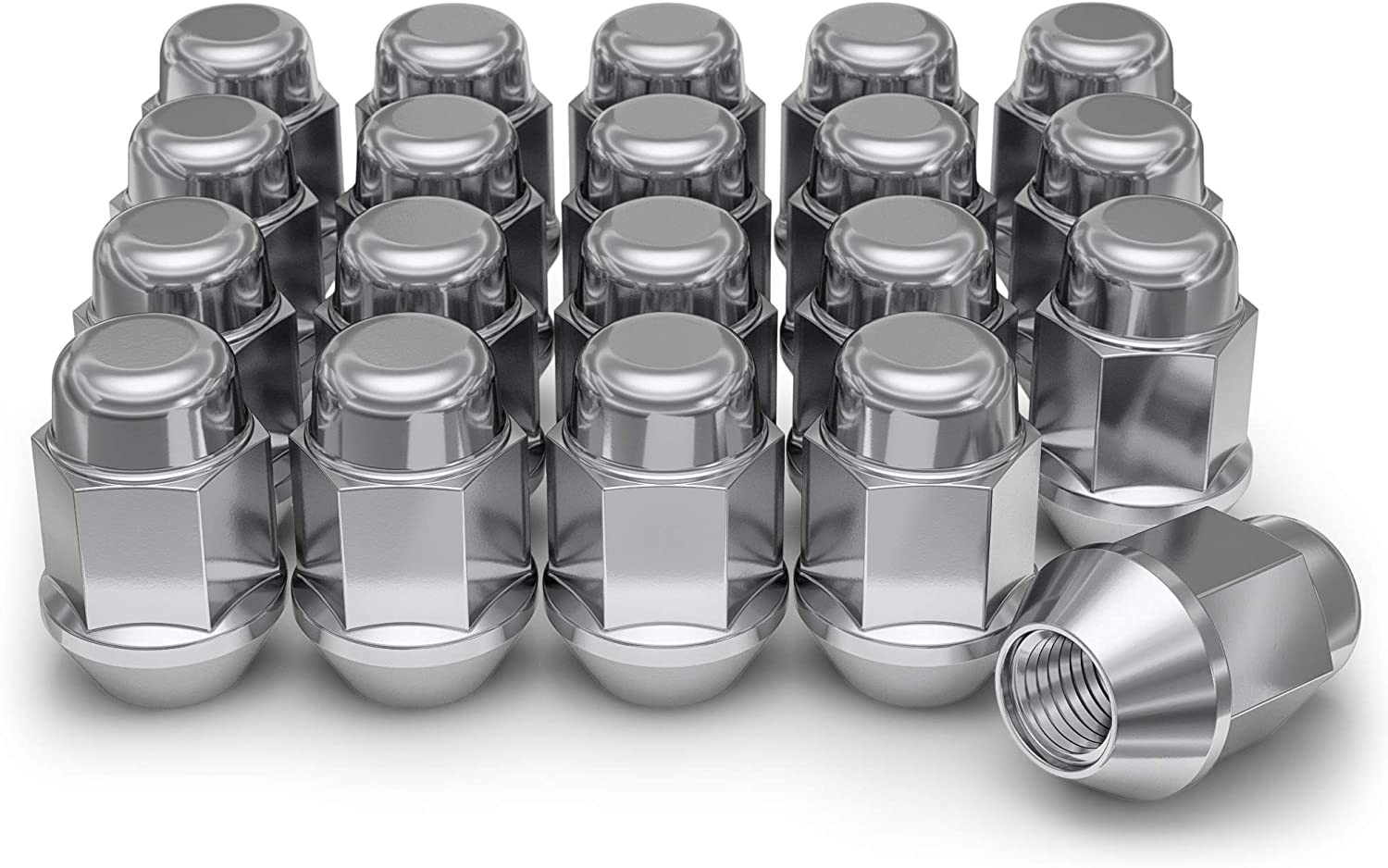
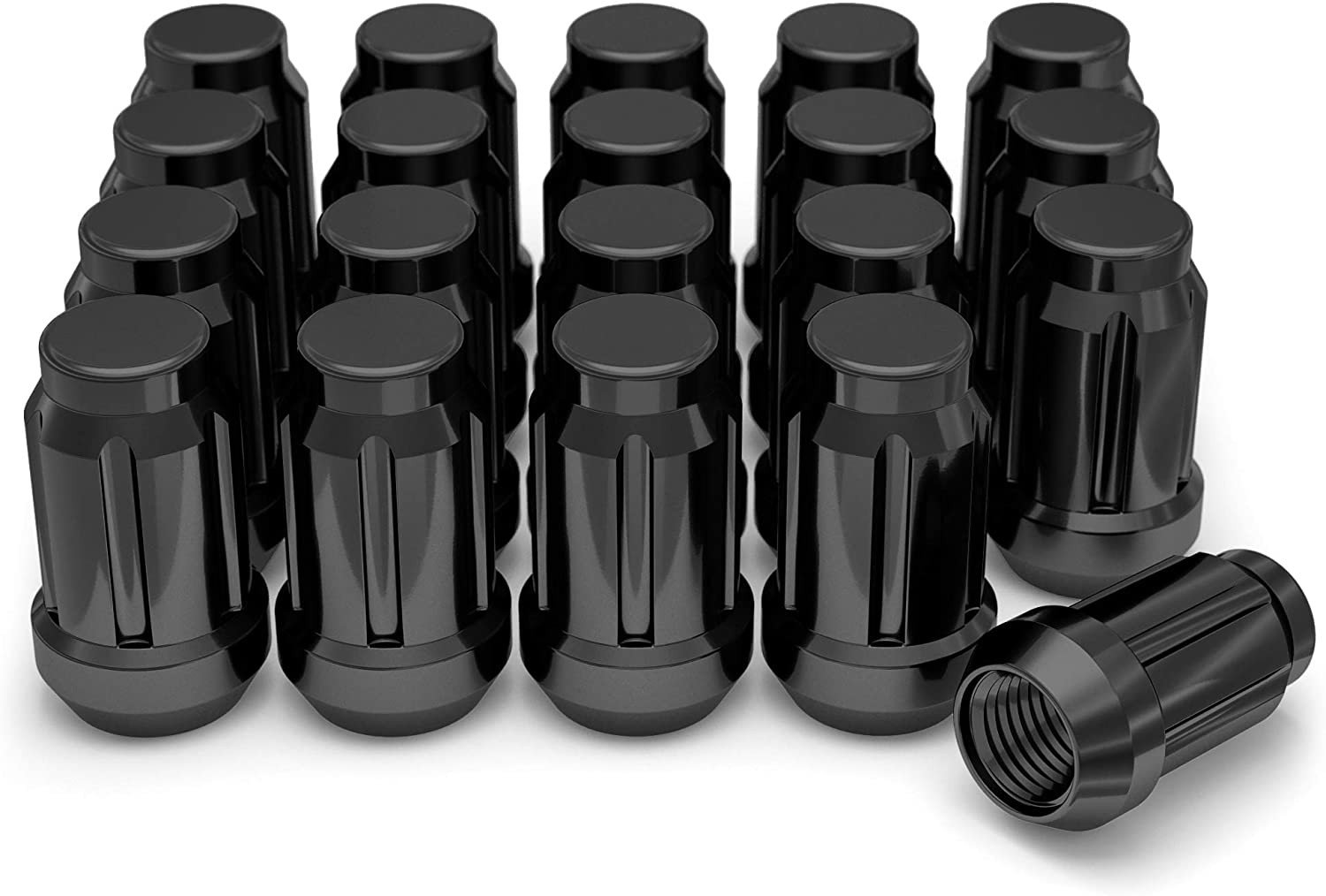
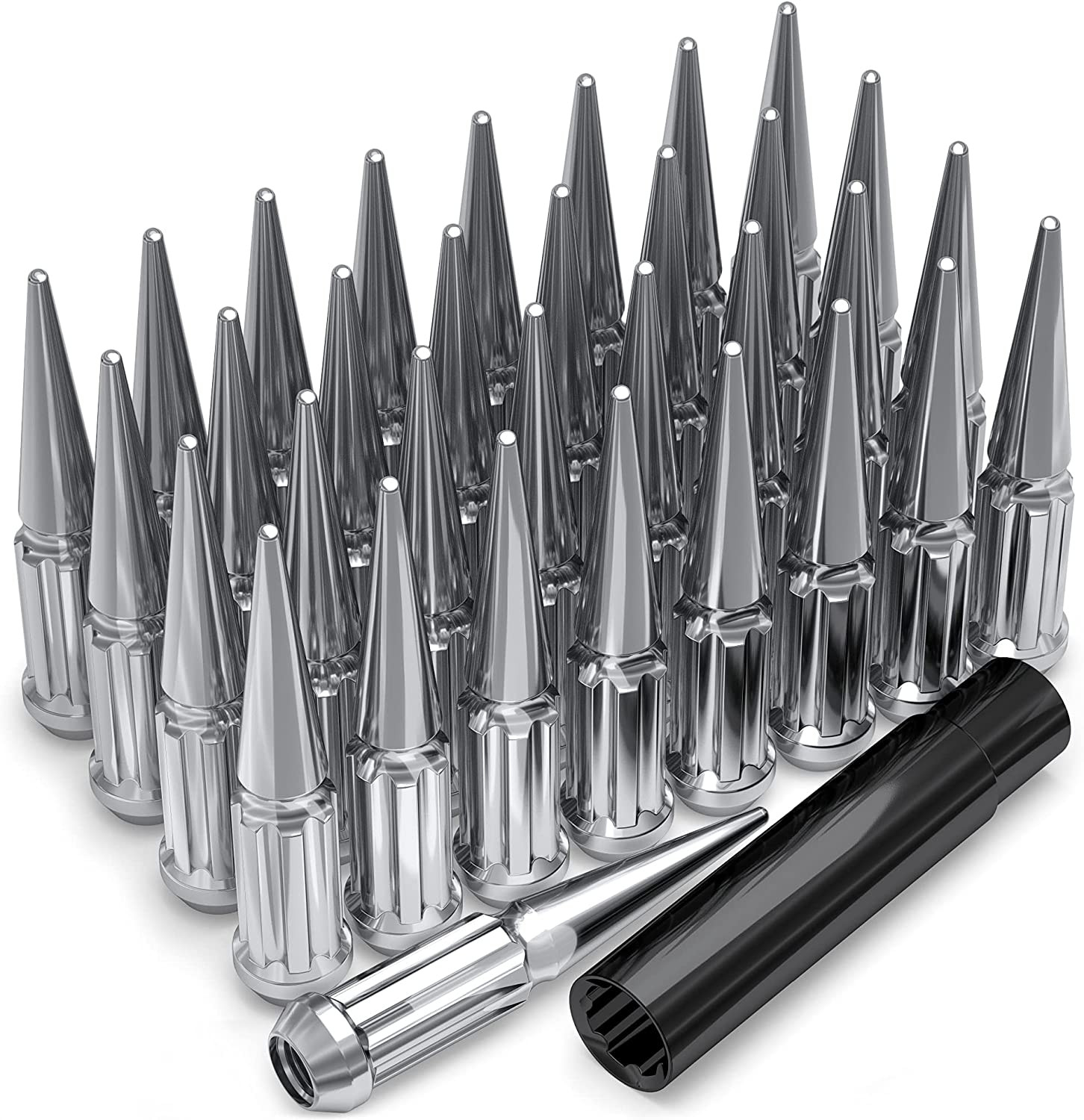
- Thread size is M12 x 1.5. Match lug nuts or bolts to both the stud thread and the wheel’s seat type as specified by the wheel manufacturer.
- Offset and width changes affect inner and outer clearance. Use the calculator to verify no contact at full steering lock and full suspension compression.
- Overall tire diameter should remain close to OEM to keep speedometer, ABS, and traction control behavior predictable. Many aim for within about 3 percent of stock.
- Load index and speed rating must meet or exceed the OEM ratings on your tire placard.
- Brake clearance: confirm spoke-to-caliper and barrel-to-caliper clearance. Some aftermarket spoke designs may interfere even if the diameter seems correct.
- TPMS: 2009 models use tire pressure monitoring. Plan to transfer sensors or use compatible replacements and perform a relearn per the owner’s manual.
- If your door placard differs from the table above, use your placard values as the baseline.
4. Plus Sizing And Common Upgrades
Many Equinox owners explore moving from 16 inch OEM wheels to larger diameters while keeping overall tire diameter close to stock for consistent ride height and speedometer accuracy. The examples below are size math illustrations, not guaranteed fitments. Always confirm with the calculator and a physical clearance check on your vehicle.
- Going to 17 inch: Example tire sizes that keep diameter near stock to explore in the calculator include 235/60R17 or 225/60R17.
- Going to 18 inch: Example sizes to evaluate include 235/55R18 or 225/55R18.
Wheel width and offset vary by wheel design. Wider wheels can improve handling but reduce inner clearance or increase outer poke. Use the calculator to visualize changes from the OEM 16x6.5 ET46 baseline and verify that inner clearance, fender coverage, and suspension geometry remain safe.
5. Installation Tips
- Test fit first. Mount one front and one rear wheel without tires if possible to confirm hub fitment, caliper clearance, and stud engagement.
- Clean the hub face and the wheel mounting pad to remove rust and debris. This helps prevent runout and vibration.
- If using hub-centric rings, ensure they seat fully on the 70.3 mm hub and inside the wheel bore. Rings are for centering, not for bearing load.
- Hand start all lug nuts to avoid cross-threading, then snug in a crisscross pattern. Final torque should follow the Chevrolet specification for your model year in the owner’s manual or OEM service information.
- Do not lubricate wheel studs or lug seats unless the manufacturer explicitly specifies it.
- After installation, recheck torque after 50 to 100 miles and again after any hard braking or heavy load event.
- Verify clearance at full steering lock in both directions and over bumps before regular driving.
6. Tools And Helpful Supplies
7. FAQs
Q: What is the bolt pattern for the 2009 Chevrolet Equinox?
A: 5x115.
Q: What center bore do I need for aftermarket wheels?
A: The Equinox hub is 70.3 mm. If your wheel’s center bore is larger, use hub-centric rings to step down to 70.3 mm.
Q: Can I fit wheels with a 5x114.3 pattern?
A: No. 5x114.3 is not the same as 5x115. Using the wrong pattern can cause vibration, stud stress, and safety issues.
Q: What is the stock offset?
A: One documented OEM setup is ET 46 mm on a 16x6.5 wheel. If your placard shows a different OEM size, use that as your baseline and compare offsets in the calculator.
Q: Do I need new lug nuts?
A: Thread size is M12 x 1.5. If your new wheels require a different seat style or use smaller lug holes, you may need different lug nuts that match the wheel manufacturer’s specification.
Q: Will my TPMS still work?
A: Yes, if you transfer or install compatible sensors and complete the relearn procedure described in the owner’s manual. Sensor type and programming can vary by wheel choice.
Q: How close should my new tire diameter be to stock?
A: Aim to keep overall diameter close to OEM so speedometer, ABS, and traction control behave normally. Many installers target within about 3 percent of OEM. Use the calculator to verify.
Q: Can I upgrade to 17 or 18 inch wheels?
A: Many owners explore 17 or 18 inch options. Use the calculator with example sizes like 235/60R17 or 235/55R18 to evaluate diameter, clearance, and offset changes. Always verify physically on your vehicle.