OEM wheel and tire fitment specs for the 2006 Chevrolet Tahoe, including bolt pattern (PCD), center bore diameter, thread size, rim diameter, rim width, wheel offset, and backspacing.
Recorded OEM specifications for the 2006 Chevrolet Tahoe, donor years with overlapping ranges, and a calculator to compare a selected wheel. Range overlap is not a guaranteed fit.
Multiple OEM configurations exist for this vehicle. Fitment can vary by trim, brakes, and factory wheel package – confirm your exact setup before buying.
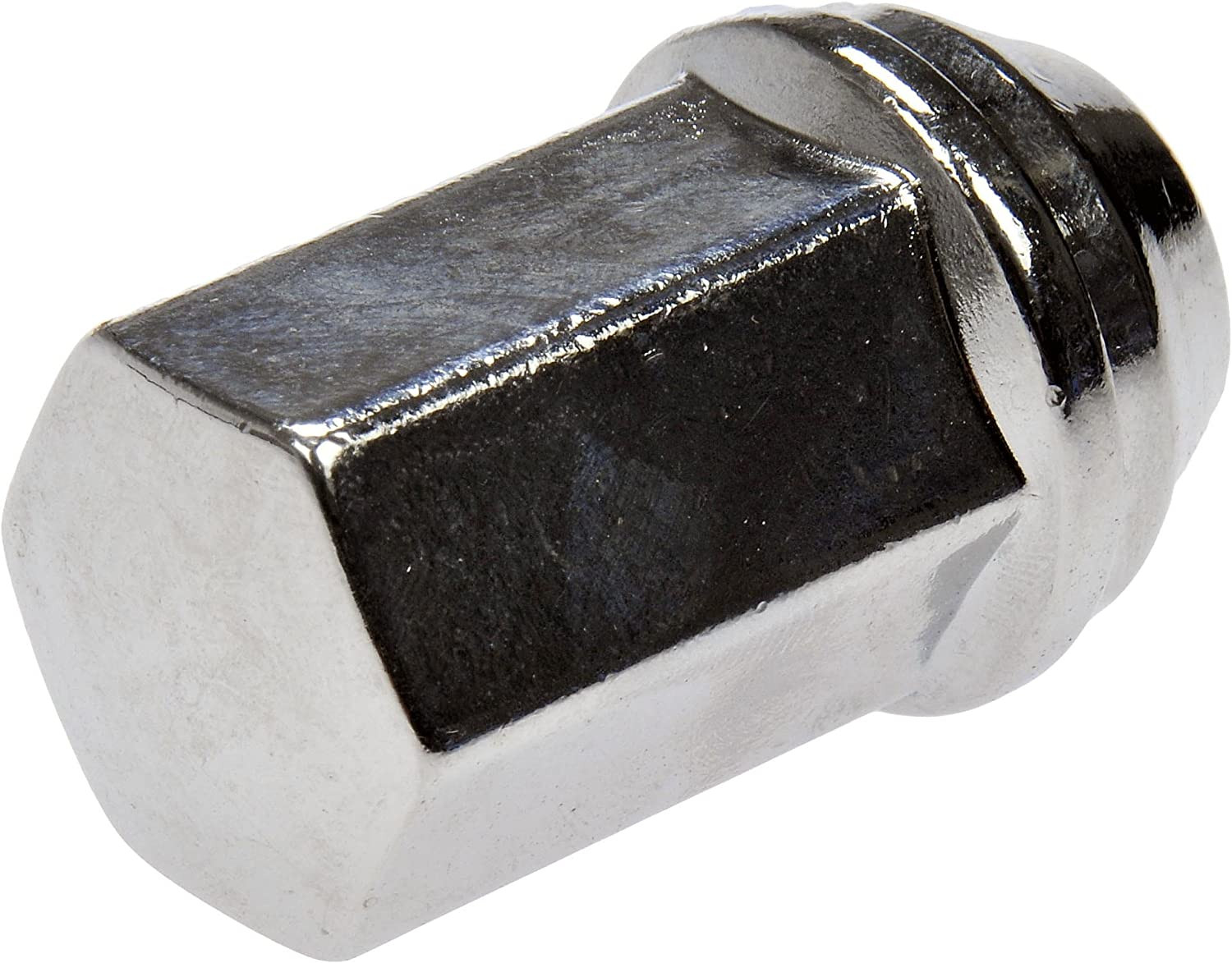
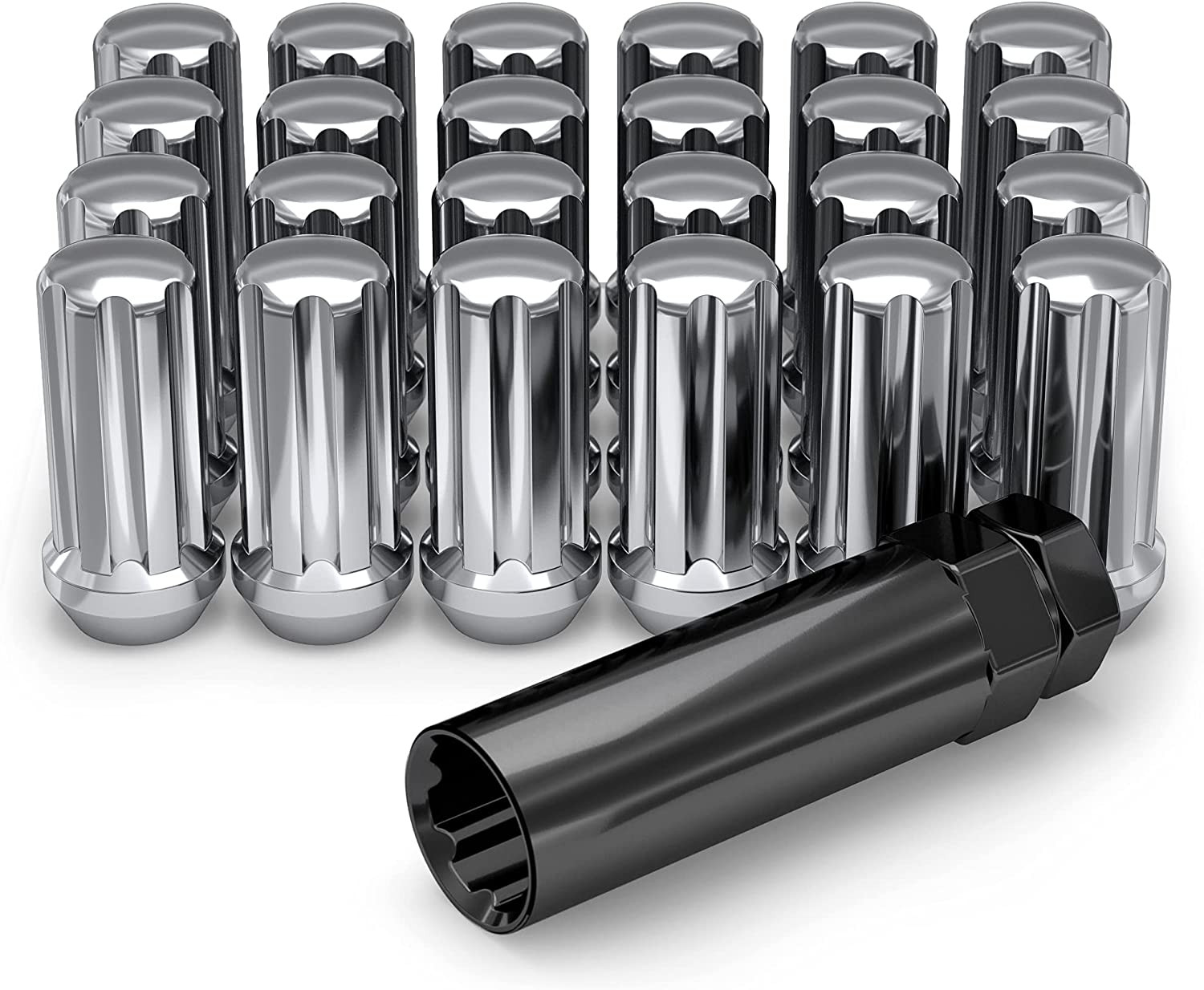
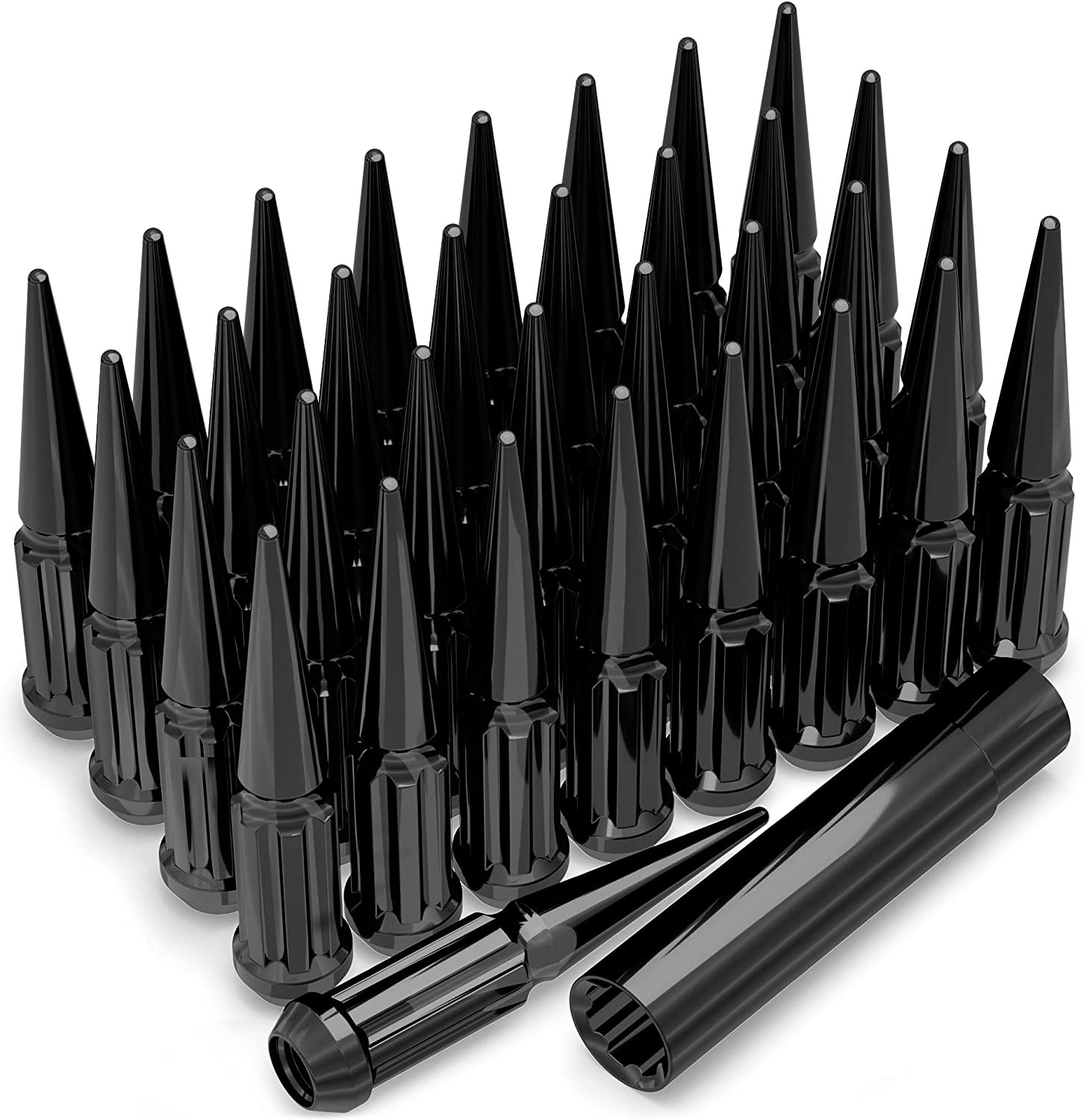
Thread-only product links are shopping examples, not verified fits. Seat style is not confirmed here. As an Amazon Associate we earn from qualifying purchases.
Donor vehicles with overlapping OEM specs
These are vehicle-year records whose recorded OEM ranges overlap this 2006 Chevrolet Tahoe. Overlap is not a guarantee that a specific wheel will install. Selected-wheel comparison is in the calculator below.
Evaluated 98 donor years. Listed 24 eligible overlaps (not all evaluated years are compatible). Showing all listed.
Wheel geometryOEM width/offset ranges overlap (not a specific wheel)
Recorded OEM bolt pattern, center bore, and width/offset ranges overlap. This is not a guarantee that every wheel from the donor year fits this vehicle.
Wheel geometryOEM width/offset ranges overlap (not a specific wheel)
Recorded OEM bolt pattern, center bore, and width/offset ranges overlap. This is not a guarantee that every wheel from the donor year fits this vehicle.
OEM specs overlapOEM ranges overlap – confirm the specific wheel
Bolt pattern6x139.7 · Same recorded PCD
Center bore78.1 mm · same recorded hub figure
Wheel geometryOEM width/offset ranges overlap (not a specific wheel)
Approximate position vs the mid OEM package: outer change 6.35 mm, inner change 6.35 mm. This uses aggregated width/offset ranges, not a specific wheel.
Wheel geometryOEM width/offset ranges overlap (not a specific wheel)
Recorded OEM bolt pattern, center bore, and width/offset ranges overlap. This is not a guarantee that every wheel from the donor year fits this vehicle.
Chevrolet Tahoe Years With Compatible Wheels
Only years with evidence-based interchange relationships are listed. Adjacent years are not assumed compatible.
Compare a donor vehicle or custom wheel against this 2006 Chevrolet Tahoe. Use Compare in calculator on a donor row above to fill the donor side of this same calculator.
Compare
Compare wheel compatibility between two vehicles
Wheels from (donor vehicle)
Selected Car:
Custom wheel size (optional)
Tip: change values here to simulate custom wheels and immediately see the impact in the comparison below.
Custom tire size (optional)
Installed on (your vehicle)
Selected Car:
2006 Chevrolet Tahoe
Compare Rims
Specification
Wheels from
Installed on
Result (Click it)
Bolt Pattern
The total number of bolt holes and the diameter of the circle they form.
-
6x139.7
Center Bore
The hole in the center of the wheel that fits over the vehicle’s hub.
-
78.1 mm
Thread Size
The size and spacing of the threads on the bolts or nuts that hold the wheel in place.
-
M14 x 1.5
Rim Diameter
The wheel diameter in inches that determines which tire sizes will fit.
-
16"
Rim Width
The distance between the inner edges of the wheel is measured in inches.
-
7.0"
Wheel Offset
How far the wheel sits inward or outward relative to the hub mounting surface.
-
31 mm
Backspacing
Shows how much space the wheel takes up toward the inside of the vehicle.
-
-
Wheel Fasteners
The type of hardware used to secure the wheel to the vehicle.
-
-
Compare Tires
Specification
Wheels from
Installed on
Result (Click it)
Section Width
The width of the tire from sidewall to sidewall, measured in millimeters.
-
-
Aspect Ratio
The height of the tire’s sidewall expressed as a percentage of its width.
-
-
Diameter
The wheel diameter for which the tire is designed to fit.
-
-
Tire Pressure
The recommended air pressure for safe and efficient driving.
-
-
Overall Diameter
The total height of the tire and wheel combined affects clearance and speedometer accuracy.
-
-
Wheel Fitment Parts for the 2006 Chevrolet Tahoe
Example products matched to recorded thread, hub, or spacer dimensions. They are not verified fits. Confirm seat style, thickness, and clearance before ordering.
As an Amazon Associate we earn from qualifying purchases. Product availability and pricing may change.
2006 Chevrolet Tahoe Wheel Fitment Guide
Known OEM Fitment For 2006 Chevrolet Tahoe
The values below reflect one documented OEM configuration for the 2006 Chevrolet Tahoe. Other trims or option packages may differ. If any spec on your vehicle does not match, verify against your owner’s manual, the driver-door placard, RPO build sheet, or a GM dealer before purchasing wheels or tires.
Bolt pattern
6x139.7 mm
Center bore
78.1 mm
Wheel studs and thread
M14 x 1.5
Rim diameter
16 in
Rim width
7.0 in
Wheel offset, ET
31 mm
Backspacing
4.72 in
OEM tire size
265/70R16
Notes and cautions:
Other factory wheel and tire sizes may have been available for certain trims or packages in 2006. Do not assume this table covers all variants.
If you find different specs on your Tahoe, use the on-page calculator to compare your actual baseline to any candidate wheels.
Confirm brake rotor and caliper clearance with any non-OEM wheel, even if bolt pattern and offset look correct.
How To Use The Wheel Interchange Calculator
The calculator on this page lets you compare a donor wheel setup against your 2006 Tahoe and also try custom wheel and tire sizes. Follow these steps:
Set Installed on to 2006 Chevrolet Tahoe. If your current wheel or tire size differs from the table above, enter your real baseline.
If you are evaluating wheels from another vehicle, select that as Wheels from. Otherwise, leave donor blank and use the custom fields.
Under Custom wheel size, adjust rim diameter, width, and offset to the candidate wheel’s specs.
Under Custom tire size, change section width and aspect ratio to the tire you plan to run. When you change rim diameter, the calculator updates tire diameter in the comparison so you can keep overall diameter consistent.
Review the comparison to understand how poke and inner clearance will change relative to your current setup, and how overall tire diameter affects speedometer and ABS behavior.
Iterate until the results show safe inner clearance, acceptable outer poke, and an overall tire diameter close to your baseline.
Fitment Checklist Before You Buy
Bolt pattern match: New wheels must be 6x139.7 mm.
Center bore: The Tahoe hub is 78.1 mm. If the new wheel’s center bore is larger, use 78.1 mm hub-centric rings. If it is smaller, the wheel will not seat without machining.
Thread size and lug seats: Studs are M14 x 1.5. Verify your wheel’s lug seat type and use matching lug nuts or bolts. Do not mix conical, mag, or ball seats.
Offset and backspacing: Start from the OEM ET 31 mm and use the calculator to see how changes affect inner clearance to struts and outer fender poke. Avoid contact at full lock and full compression.
Brake clearance: Test-fit to ensure spoke and barrel clear the front calipers and rear drums/rotors. Paper specs alone cannot guarantee clearance.
Load rating: Choose wheels and tires with load indexes that meet or exceed the Tahoe’s GAWR and GVWR. This is critical for SUV safety.
Overall tire diameter: Keeping total diameter close to stock helps preserve speedometer accuracy and transmission shift points. As a general guideline, try to stay within about 3 percent unless you have gearing and calibration plans.
TPMS: If your Tahoe is equipped with TPMS, confirm sensor compatibility and band vs valve-stem style before mounting tires.
Spare tire and chains: If you upsize, consider spare tire well clearance and snow chain clearance if applicable.
Final test-fit: Install one corner, torque by hand, spin the wheel, and steer lock-to-lock to check for rub before mounting tires or committing to a full set.
Plus Sizing And Common Upgrades
Baseline tire diameter from 265/70R16 is approximately 30.6 inches. If you plus-size your wheels, choose tire sizes that keep overall diameter similar and verify clearance on your specific trim and suspension.
Diameter-match examples to try in the calculator (not guaranteed to fit without checks):
17 inch example: 265/65R17 is about 30.6 in total diameter.
18 inch example: 265/60R18 is about 30.5 in total diameter.
20 inch example: 265/50R20 is about 30.4 in total diameter.
These are starting points to experiment with. Always verify offset, brake clearance, fender clearance, and load rating.
Installation Tips
Prepare the hub: Wire-brush rust from the hub face and the wheel mounting pad. A clean, flat interface prevents vibration.
Test-fit dry: Do not use lubricants or anti-seize on studs. Start lug nuts by hand to avoid cross-threading.
Torque with a calibrated wrench: Tighten in a star pattern in 2 to 3 stages. Use the torque spec in your owner’s manual for M14 x 1.5 studs. Re-torque after 50 to 100 miles.
Thread engagement: Ensure at least full nut depth of thread engagement, roughly equal to the stud diameter, for safe clamping.
Hub-centric rings: If your aftermarket wheels have a larger center bore than 78.1 mm, install correct rings during mounting.
Clearance check: After mounting, turn the steering wheel lock-to-lock and drive over a speed bump at low speed to confirm no rubbing under compression.
TPMS handling: Use compatible sensors and new seals as needed. Perform relearn procedures per the service manual if required.
6x139.7 mm. Any replacement wheel must match this pattern.
What is the center bore size?
78.1 mm. If your wheel has a larger bore, use 78.1 mm hub-centric rings. A smaller bore will not fit without machining.
What thread size are the wheel studs?
M14 x 1.5. Match lug nuts to both the thread and the wheel’s seat type.
Will 17, 18, or 20 inch wheels fit my 2006 Tahoe?
Fitment can vary by trim, brakes, suspension, and offset. Use the calculator with your actual baseline and test-fit for caliper and fender clearance. Keep overall tire diameter close to stock unless you plan to recalibrate.
What offset should I choose?
The documented OEM example is ET 31 mm. Safe aftermarket offset depends on wheel width and brake and fender clearances. Use the calculator to see inner and outer changes from your baseline, then test-fit.
Can I reuse the factory lug nuts on aftermarket wheels?
Only if the lug seat type matches. Many aftermarket wheels use 60-degree conical seats, but verify your wheel’s requirements and lug nut shank length before use.
Do I need hub-centric rings?
If your new wheels have a center bore larger than 78.1 mm, yes. Rings help center the wheel and reduce vibration. They are not a substitute for correct lug torque.
What torque should I use on the lug nuts?
Refer to the 2006 Tahoe owner’s manual or GM service information for the correct torque for M14 x 1.5 studs. Always finish with a calibrated torque wrench and re-torque after 50 to 100 miles.
Can I use wheel spacers or adapters?
Only high-quality, hub-centric spacers that match 6x139.7 and 78.1 mm hub can be considered, and they must provide proper stud engagement and fender coverage per local regulations. Spacers reduce clearance to fenders and increase bearing load. Use with caution and re-torque frequently.
How do I convert offset to backspacing?
Backspacing in inches is roughly rim width divided by 2 plus offset in inches. Example for the OEM 16x7 ET31: 7 in divided by 2 is 3.5 in, plus 31 mm which is about 1.22 in, equals about 4.72 in backspacing.
Methodology and sources
Wheel interchange depends on more than bolt pattern. Where data is available, this site compares recorded OEM values:
Bolt pattern / PCD
Center bore direction (donor wheel bore must not be smaller than the hub)
Wheel diameter, width, and offset against known OEM ranges
A normal wheel spacer does not change bolt pattern. Hub rings cannot enlarge a wheel bore that is smaller than the hub. Brake clearance and tire package fitment still require vehicle-specific checks when not confirmed in the dataset.