2013 Chevrolet Avalanche Wheel Fitment And Interchange Guide
Known OEM Fitment For 2013 Chevrolet Avalanche
The Avalanche used a 6-lug truck pattern and large hub bore. Multiple factory wheel and tire packages were offered. Values below are the verified specs provided for this page. If a value is shown as varies or unknown, confirm it on your vehicle placard, owner manual, or by using the on-page calculator with your VIN or door-jamb tire size.
| Package |
Wheel size |
Bolt pattern |
Center bore |
Thread size |
Offset |
Backspacing |
Tire size |
Notes |
| Factory 20 inch wheel |
20 x 8.5 in |
6 x 139.7 mm |
78.1 mm |
M14 x 1.5 |
ET 31 mm |
5.47 in |
Varies by trim - confirm |
Common on higher trims. Verify tire size on door placard. |
| Factory 17 inch tire package |
Varies by trim - confirm |
6 x 139.7 mm |
78.1 mm |
M14 x 1.5 |
Varies by trim - confirm |
Varies by trim - confirm |
265/70R17 |
Common on base trims. Verify wheel specifications by VIN or casting marks. |
Important notes:
- 6x139.7 is also known as 6x5.5 inch.
- Center bore must be at least 78.1 mm to sit on the hub. If larger, use hub-centric rings sized to 78.1 mm.
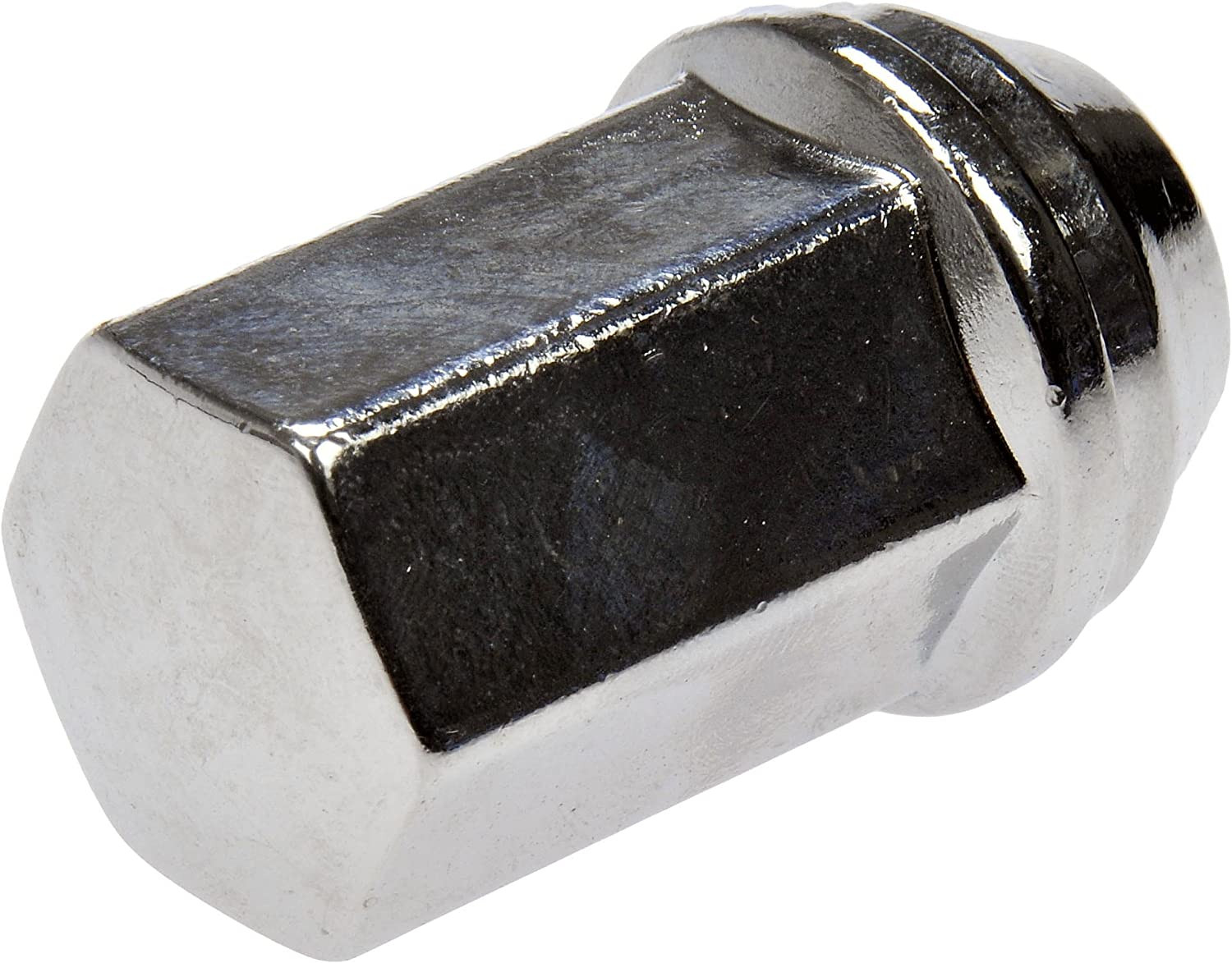
- Lug hardware must match the wheel seat type. Most GM OE wheels use 60 degree conical seat nuts. Aftermarket wheel seat styles can differ, so confirm before installation.
How To Use The Wheel Interchange Calculator
The calculator on this page lets you compare a donor wheel and tire setup to your Avalanche. It models offset, backspacing, poke, inner clearance, and tire diameter changes.
- Step 1 - Set Installed on to 2013 Chevrolet Avalanche. Enter your current factory setup from your door-jamb placard or the Known OEM Fitment table. If your exact wheel specs vary, use the placard tire size and leave wheel specs blank until you identify them on the wheel casting.
- Step 2 - In Wheels from, enter the donor vehicle or the aftermarket wheel specs you are considering. If you do not know the donor vehicle, use Custom wheel size to enter rim diameter, width, and offset directly.
- Step 3 - Adjust Custom tire size. The tool updates overall tire diameter as you change rim diameter or aspect ratio, helping you keep tire diameter within a safe tolerance.
- Step 4 - Review inner clearance and outer poke. Make sure inner clearance to the strut or control arm remains safe and outer poke stays within the fender line. The calculator will show millimeter differences from your baseline.
- Step 5 - Verify brake and suspension clearance. The calculator aids offset and diameter comparisons, but always test fit a wheel to confirm caliper and spoke clearance.
Tip: If your Avalanche came with 17 inch tires (265/70R17) and you are considering the factory-style 20 x 8.5 ET31 wheel, use the calculator to compare your current setup to the 20 inch wheel with an appropriate tire size. Aim to keep overall tire diameter close to stock for speedometer accuracy and to avoid rubbing.
Fitment Checklist Before You Buy
- Bolt pattern: Must be 6x139.7 mm.
- Center bore: Wheel must be 78.1 mm or larger. Use hub-centric rings if the wheel bore is larger.
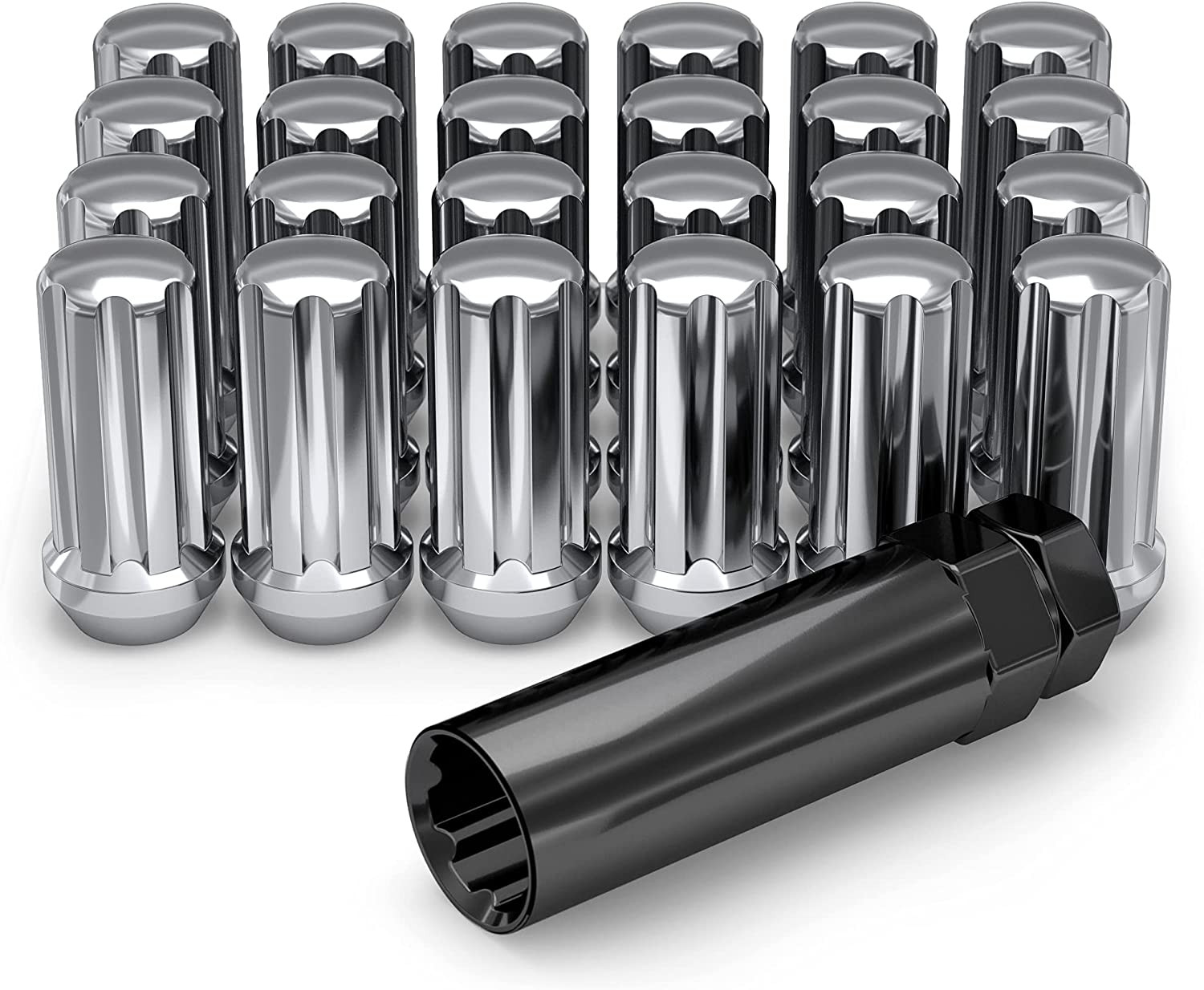
- Thread size and seat: M14 x 1.5 studs. Match lug nut seat to the wheel design. Do not mix conical, mag, or ball seats.
- Offset and backspacing: Compare to your baseline using the calculator. Keep inner clearance safe for suspension and brake components and avoid excessive outer poke.
- Brake caliper clearance: Spoke shape and barrel profile vary. Always test fit one wheel before mounting tires.
- Load rating: Wheel and tire load ratings must meet or exceed the Avalanche’s GAWR. Check wheel manufacturer specs and tire sidewall ratings.
- Tire diameter: Keep overall diameter close to stock. The calculator will flag significant changes. Large deviations can affect ABS, speedometer, and gearing.
- TPMS compatibility: Plan for compatible sensors or sensor transfers. Relearn procedure required after installation.
- Spare compatibility: If changing to a significantly different diameter, verify that your spare still fits safely, or plan for a matching spare.
Plus Sizing And Common Upgrades
Factory packages included both 17 inch and 20 inch options. Many owners move between these two sizes. Use the calculator to compare your current setup to the target size and tire combination, watching inner clearance and overall diameter changes.
- Moving from 17 to 20 inch factory-style wheels: Start with 20 x 8.5 ET31 as a reference and select a tire that keeps overall diameter close to your stock 17 inch package. The calculator will help you dial in a tire aspect ratio that maintains diameter.
- Staying with 17 inch: You can choose all-terrain tires in the same or slightly different widths. Confirm that wider tires clear the upper control arm and fender liners using the calculator and a physical test fit.
If your trim’s original wheel specs are unknown, confirm them by reading the casting marks on the inside of the wheel, cross-checking your VIN with a dealer, and referencing the calculator’s baseline with your door placard tire size.
Installation Tips
- Inspect and clean the hub face and wheel mounting pad. Remove rust and debris so the wheel sits flush. Do not apply grease or anti-seize to the studs unless specified by OEM.
- Dry, clean threads only. Install correct-seat lug nuts and hand-start to avoid cross-threading. Ensure adequate thread engagement. A good rule is engagement at least equal to the stud diameter.
- Tighten in a star pattern and torque to the Chevrolet OEM specification from your owner manual or service information. Re-torque after 50 to 100 miles.
- Use hub-centric rings when the wheel center bore exceeds 78.1 mm to improve centering and reduce vibration.
- Before mounting tires, test fit one bare wheel on the front and rear to confirm caliper and suspension clearance through a full steering sweep.
- Perform TPMS relearn after installation and set cold pressures to the door placard unless your tire load range requires a different setting per tire manufacturer guidance.
Tools And Helpful Supplies
FAQs
What bolt pattern do I need for a 2013 Avalanche?
6x139.7 mm. This is the same as 6x5.5 inch.
Will a wheel with a smaller center bore than 78.1 mm fit?
No. The bore cannot be smaller than 78.1 mm. A larger bore can fit if you use hub-centric rings sized down to 78.1 mm.
What offset should I run?
Factory 20 inch wheels are ET 31 mm. Other factory packages vary by trim. For aftermarket setups, use the calculator to compare inner clearance and outer poke to your baseline, then test fit to confirm brake and suspension clearance.
Can I move from the 17 inch package to 20 inch wheels?
Yes, this was a factory option on some trims. Use 20 x 8.5 ET 31 mm as a reference and use the calculator to select a tire size that keeps overall diameter close to your current setup.
Do I need new lug nuts?
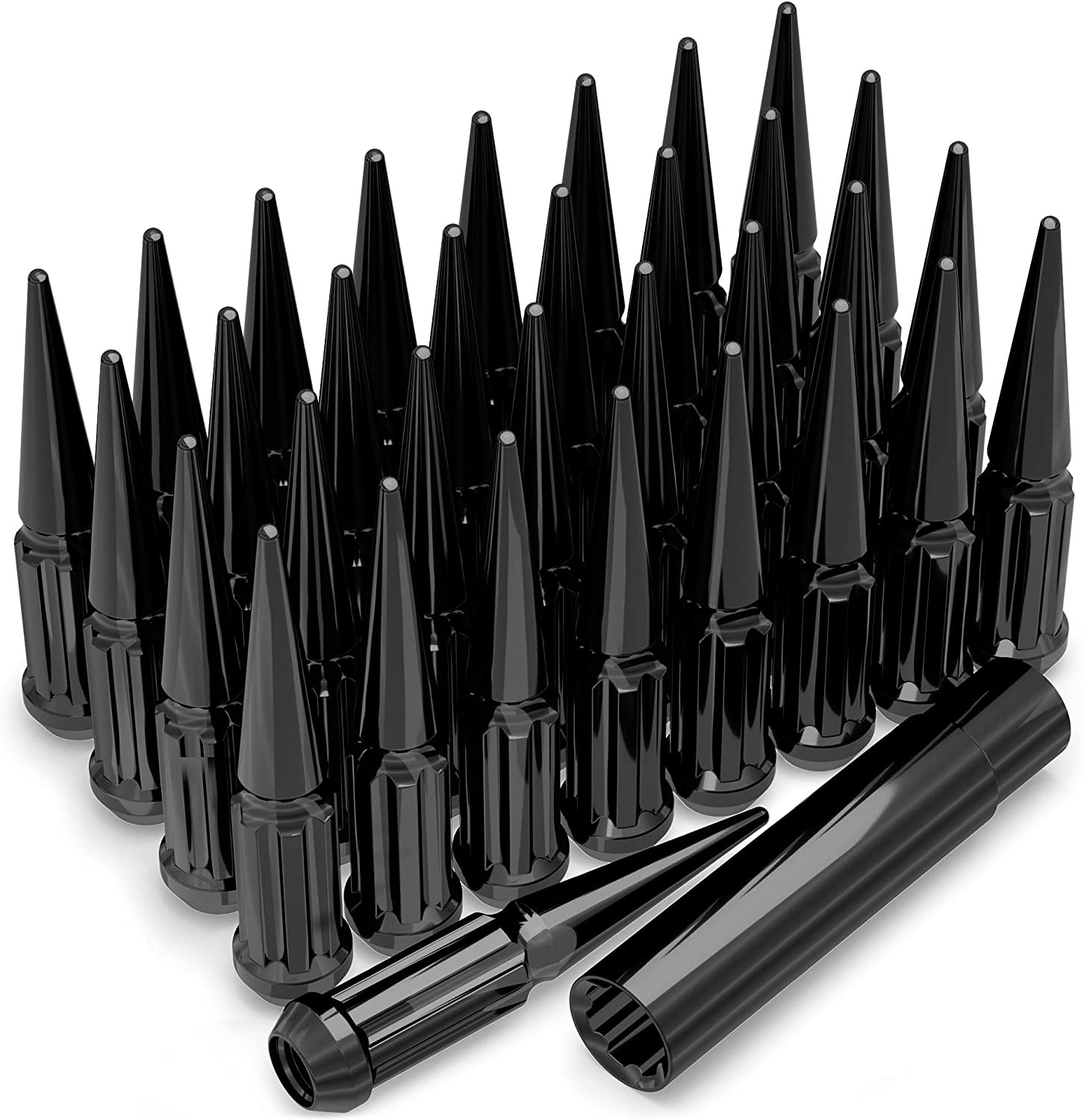
Possibly. Lug nut seat style must match the wheel. If you switch to aftermarket wheels, verify whether they require conical, mag, or ball seat nuts and use M14 x 1.5 thread.
Will bigger wheels affect towing and ride?
Potentially. Heavier wheels and lower-profile tires can change ride quality and acceleration. Always ensure wheel and tire load ratings meet or exceed the vehicle’s requirements.
What torque should I use on the lug nuts?
Follow the Chevrolet specification in your owner manual or OEM service information for the 2013 Avalanche. Do not guess. Re-torque after 50 to 100 miles.
Are the TPMS sensors reusable?
Yes, you can reuse them if compatible with the new wheels. You will need to perform a TPMS relearn after installation. If using new sensors, confirm compatibility with the Avalanche’s TPMS system.
How do I confirm my exact factory wheel size?
Check the tire placard on the driver door jamb for tire size, read casting marks on the back of the wheel for width and offset, and verify by VIN with a Chevrolet dealer. Use these values as the baseline in the calculator.