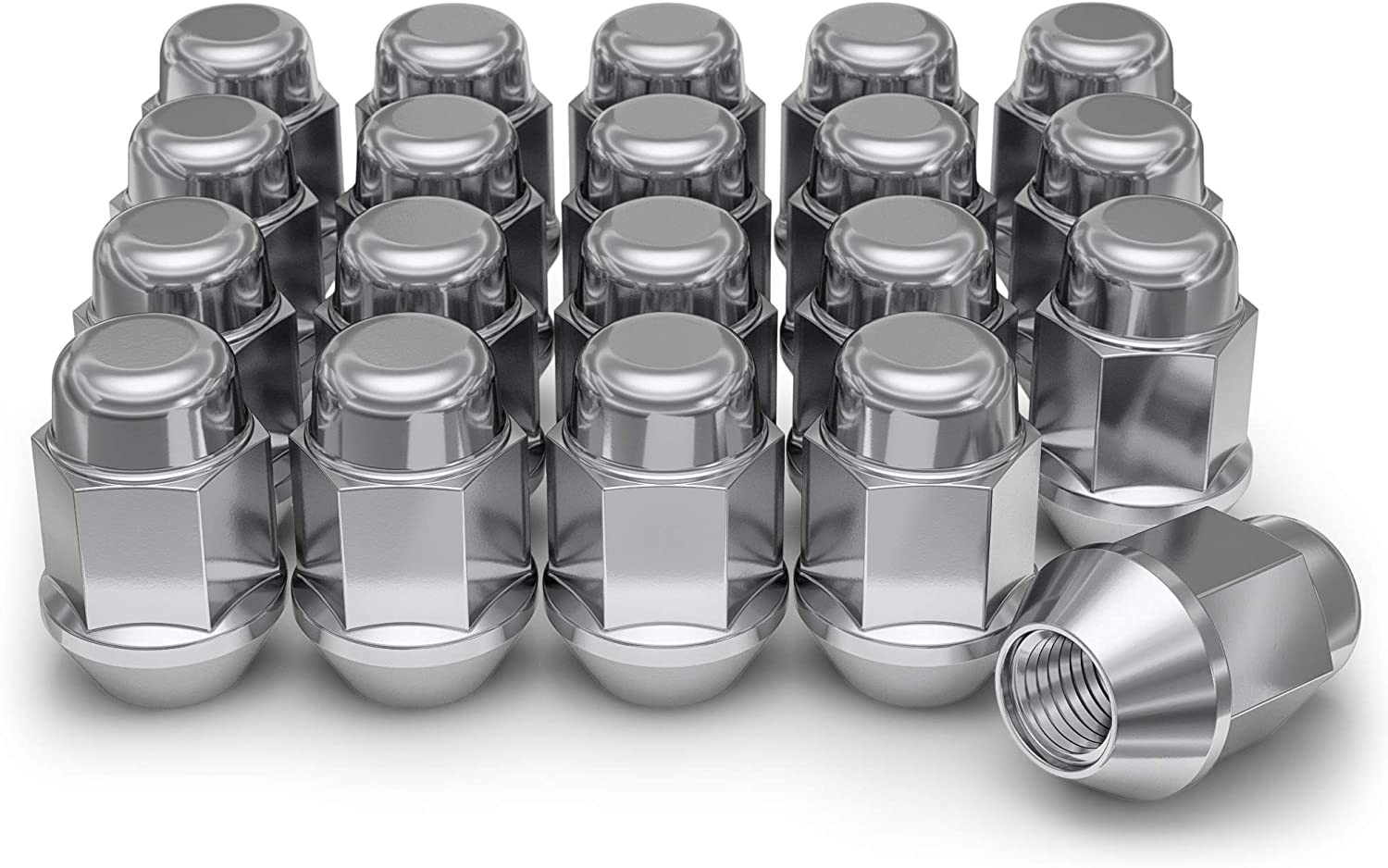
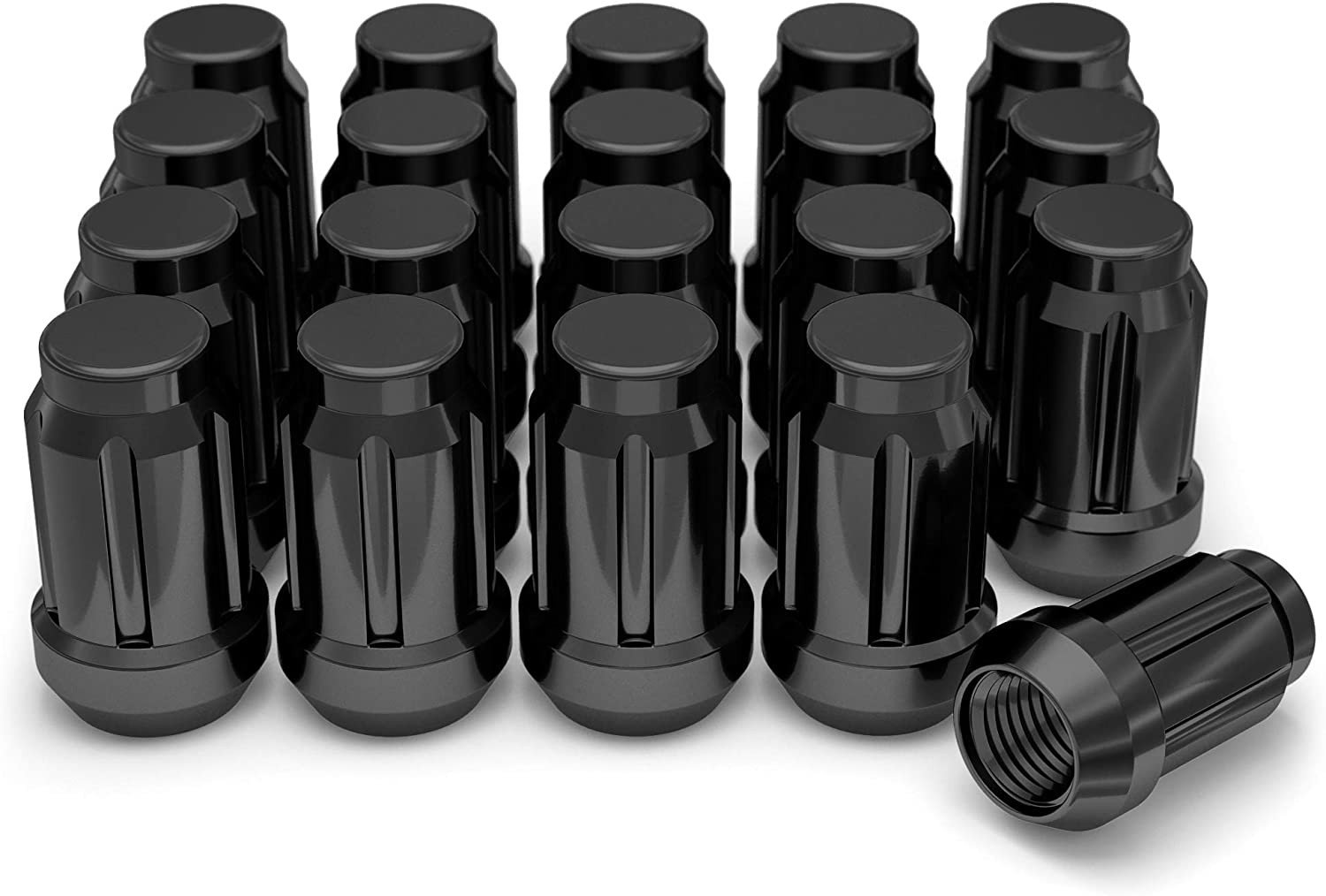
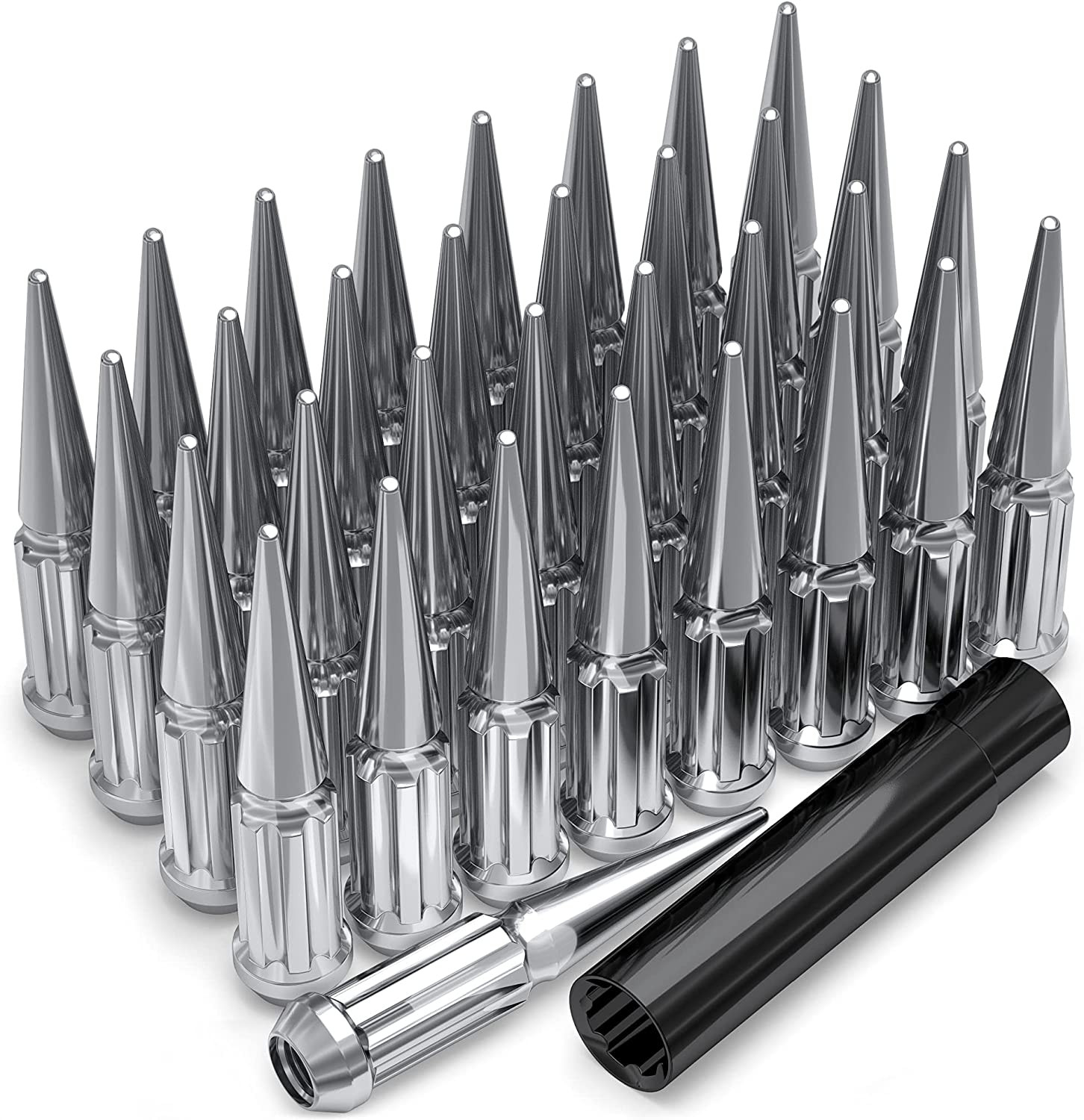
OEM wheel and tire fitment specs for the 2019 Chevrolet Volt, including bolt pattern (PCD), center bore diameter, thread size, rim diameter, rim width, wheel offset, and backspacing.
Recorded OEM specifications for the 2019 Chevrolet Volt, donor years with overlapping ranges, and a calculator to compare a selected wheel. Range overlap is not a guaranteed fit.
Thread-only product links are shopping examples, not verified fits. Seat style is not confirmed here. As an Amazon Associate we earn from qualifying purchases.
Donor vehicles with overlapping OEM specs
These are vehicle-year records whose recorded OEM ranges overlap this 2019 Chevrolet Volt. Overlap is not a guarantee that a specific wheel will install. Selected-wheel comparison is in the calculator below.
Evaluated 36 donor years. Listed 24 eligible overlaps (not all evaluated years are compatible). Showing all listed.
Wheel geometryOEM width/offset ranges overlap (not a specific wheel)
Recorded OEM bolt pattern, center bore, and width/offset ranges overlap. This is not a guarantee that every wheel from the donor year fits this vehicle.
OEM specs overlapOEM ranges overlap – confirm the specific wheel
Bolt pattern5x105 · Same recorded PCD
Center bore56.6 mm · same recorded hub figure
Wheel geometryOEM width/offset ranges overlap (not a specific wheel)
Recorded OEM bolt pattern, center bore, and width/offset ranges overlap. This is not a guarantee that every wheel from the donor year fits this vehicle.
Compare a donor vehicle or custom wheel against this 2019 Chevrolet Volt. Use Compare in calculator on a donor row above to fill the donor side of this same calculator.
Compare
Compare wheel compatibility between two vehicles
Wheels from (donor vehicle)
Selected Car:
Custom wheel size (optional)
Tip: change values here to simulate custom wheels and immediately see the impact in the comparison below.
Custom tire size (optional)
Installed on (your vehicle)
Selected Car:
2019 Chevrolet Volt
Compare Rims
Specification
Wheels from
Installed on
Result (Click it)
Bolt Pattern
The total number of bolt holes and the diameter of the circle they form.
-
5x10⁵
Center Bore
The hole in the center of the wheel that fits over the vehicle’s hub.
-
56.6 mm
Thread Size
The size and spacing of the threads on the bolts or nuts that hold the wheel in place.
-
M12 x 1.5
Rim Diameter
The wheel diameter in inches that determines which tire sizes will fit.
-
17"
Rim Width
The distance between the inner edges of the wheel is measured in inches.
-
7.0"
Wheel Offset
How far the wheel sits inward or outward relative to the hub mounting surface.
-
41 mm
Backspacing
Shows how much space the wheel takes up toward the inside of the vehicle.
-
-
Wheel Fasteners
The type of hardware used to secure the wheel to the vehicle.
-
-
Compare Tires
Specification
Wheels from
Installed on
Result (Click it)
Section Width
The width of the tire from sidewall to sidewall, measured in millimeters.
-
-
Aspect Ratio
The height of the tire’s sidewall expressed as a percentage of its width.
-
-
Diameter
The wheel diameter for which the tire is designed to fit.
-
-
Tire Pressure
The recommended air pressure for safe and efficient driving.
-
-
Overall Diameter
The total height of the tire and wheel combined affects clearance and speedometer accuracy.
-
-
Wheel Fitment Parts for the 2019 Chevrolet Volt
Example products matched to recorded thread, hub, or spacer dimensions. They are not verified fits. Confirm seat style, thickness, and clearance before ordering.
As an Amazon Associate we earn from qualifying purchases. Product availability and pricing may change.
2019 Chevrolet Volt Wheel Fitment Guide
Known OEM Fitment For 2019 Chevrolet Volt
The following specifications reflect the known factory fitment for the 2019 Chevrolet Volt. If any value differs on your vehicle due to trim level, wheel option package, or regional spec, verify against your door-jamb tire placard, the owner’s manual, and by using the on-page calculator.
Bolt pattern (studs x PCD)
5x10⁵
Center bore (mm)
56.6
Thread size
M12 x 1.5
Rim diameter (in)
17
Rim width (in)
7.0
Wheel offset ET (mm)
41
Backspacing (in)
5.11
OEM tire size
215/50R17
Notes:
Always match the center bore. If the aftermarket wheel bore is larger than 56.6 mm, use hub-centric rings sized to your wheel’s bore.
Use only M12x1.5 hardware that matches the wheel’s seat type. Do not mix conical, ball, or mag seats.
If any of the above values are unknown for your specific trim, confirm with OEM sources and the calculator before purchase.
How To Use The Wheel Interchange Calculator
The calculator on wheelinterchange.com lets you compare a donor wheel and tire against your 2019 Chevrolet Volt to visualize clearances and diameter changes.
Set Installed on (your vehicle) to 2019 Chevrolet Volt and confirm the OEM size fields match your placard.
If you are evaluating a takeoff or donor set, choose that vehicle under Wheels from (donor vehicle). The calculator will load its known specs, when available.
Testing aftermarket sizes:
Use Custom wheel size to enter rim diameter, width, and offset you are considering.
Use Custom tire size to enter a tire width and aspect ratio that fits the new rim. The tool will update the resulting tire diameter and compare it to stock.
Review the results:
Inner clearance change shows how much closer the wheel moves toward the strut and suspension.
Outer poke change shows how far the wheel moves toward the fender edge.
Tire diameter difference affects speedometer, gearing feel, and potential rubbing. Many technicians try to keep overall diameter within about 3 percent of stock, but always verify on the vehicle.
Save or print the summary to compare multiple options before you buy.
Fitment Checklist Before You Buy
Bolt pattern: Wheel must be 5x10⁵. Adapters change geometry and add risk. Avoid unless professionally engineered and installed.
Center bore: 56.6 mm hub required. If the wheel bore is larger, use proper hub-centric rings. If smaller, it will not fit.
Offset and backspacing: Compare against ET 41 mm and 5.11 in backspacing. Large changes can cause rubbing or bearing and steering feel issues.
Brake and suspension clearance: Confirm inner barrel and spoke clearance over calipers and struts using the calculator and a physical test fit.
Fender and liner clearance: Turn lock to lock and compress the suspension to check for contact under load.
Tire load and speed ratings: Match or exceed the OEM ratings on your tire placard.
TPMS: The 2019 Volt uses tire pressure monitoring. Plan to transfer compatible sensors or install new ones and perform a relearn.
Lug hardware: Use M12x1.5 hardware that matches the wheel seat type and required shank depth if applicable.
Spare and rotation strategy: Ensure your chosen sizes allow front to rear rotation if desired.
Range and efficiency: Larger, heavier wheels and wider tires can reduce EV range and fuel economy. Consider low rolling resistance options if efficiency is a priority.
Plus Sizing And Common Upgrades
Plus sizing can change handling, ride quality, and efficiency. Because real-world clearance varies by tire model and wheel design, evaluate each setup with the calculator and a test fit. The following are general considerations rather than vehicle-specific endorsements.
Plus one or two rim sizes may require a lower aspect ratio tire to keep overall diameter near stock. Use the calculator to monitor diameter change and inner/outer clearance.
Wider wheels can improve grip but may reduce efficiency and increase the chance of fender contact. Check both inner strut clearance and outer poke.
Offset changes:
Lower ET pushes the wheel outward. This can reduce inner rub but may contact the fender.
Higher ET pulls the wheel inward. This can improve fender clearance but risk strut or brake interference.
If the aftermarket wheel center bore is larger than 56.6 mm, plan for hub-centric rings to maintain smoothness.
After any significant change, verify speedometer accuracy and recalibrate if necessary where supported.
Installation Tips
Test fit each wheel on the hub before mounting tires to verify center bore fit and caliper clearance.
Clean the hub face and the wheel mounting pad. Remove corrosion to ensure the wheel sits flush.
If using hub-centric rings, seat them fully on the wheel or hub per the ring design before mounting.
Hand start all M12x1.5 nuts or bolts and snug in a star pattern. Final torque should follow the Chevrolet service specification for your vehicle. If you do not have the spec, consult the owner’s manual or a dealer.
After 50 to 100 miles, recheck torque on all fasteners.
Perform a TPMS relearn after rotating or changing wheels and sensors.
What is the bolt pattern on a 2019 Chevrolet Volt?
The 2019 Volt uses a 5x10⁵ bolt pattern.
What center bore do I need for aftermarket wheels?
The hub bore is 56.6 mm. If your wheel’s center bore is larger, use hub-centric rings to 56.6 mm. If it is smaller, the wheel will not fit.
What lug nut thread size does it use?
M12 x 1.5. Match the seat type and length to the wheel manufacturer’s requirement.
Can I install a wheel with a different offset?
The OEM offset is ET 41 mm. Small changes may work, but you must check inner clearance to the strut and outer fender clearance with the calculator and a physical test fit.
Will 5x114.3 wheels fit my Volt?
Not without adapters, which add thickness and can change geometry. Using adapters or redrilling is not recommended for most street applications. Choose wheels with the correct 5x10⁵ pattern.
What is the stock tire size?
215/50R17 is the known OEM tire size for the 2019 Volt listed here. Verify with your door-jamb placard in case your trim differs.
Do I need new TPMS sensors with aftermarket wheels?
You can often transfer compatible sensors. If installing new sensors, ensure compatibility and perform a TPMS relearn after installation.
What torque should I use on the lug nuts?
Follow the Chevrolet service specification for your specific vehicle. If you are unsure, check the owner’s manual or contact a Chevrolet dealer.
How much tire diameter change is acceptable?
Many technicians try to stay within about 3 percent of the OEM overall diameter. Use the calculator to see exact differences and confirm clearance on the car.
Methodology and sources
Wheel interchange depends on more than bolt pattern. Where data is available, this site compares recorded OEM values:
Bolt pattern / PCD
Center bore direction (donor wheel bore must not be smaller than the hub)
Wheel diameter, width, and offset against known OEM ranges
A normal wheel spacer does not change bolt pattern. Hub rings cannot enlarge a wheel bore that is smaller than the hub. Brake clearance and tire package fitment still require vehicle-specific checks when not confirmed in the dataset.