2007 Chrysler Crossfire Wheel Fitment Guide
Known OEM Fitment For 2007 Chrysler Crossfire
The values below reflect OEM-spec data provided for this specific year and model. Some trims and option packages can differ. If a value is not listed here or if your vehicle has different equipment, confirm with the on-page calculator and your owner’s manual or Chrysler OEM sources before purchasing.
| Bolt pattern | 5x112 |
| Center bore | 66.6 mm |
| Thread size | M12 x 1.5 |
| Rim diameter | 18 in |
| Rim width | 8.0 in |
| Wheel offset (ET) | 35 mm |
| Backspacing | 5.38 in |
| Tire size | 225/40R18 |
Note: If your Crossfire has different factory wheels or a staggered setup, specs may vary by trim or axle. Measure your current wheels and verify part numbers to be sure.
How To Use The Wheel Interchange Calculator
The calculator on wheelinterchange.com lets you compare a potential donor setup against your 2007 Chrysler Crossfire. It also allows you to try custom wheel and tire sizes and instantly see how changes affect clearance and tire diameter.
- Set Installed on (your vehicle) to 2007 Chrysler Crossfire.
- Choose Wheels from (donor vehicle) to compare an incoming wheel and tire set against your Crossfire.
- Use Custom wheel size to adjust rim diameter, width, and offset. The tool shows inner clearance to the strut and outer poke relative to your fender.
- Use Custom tire size to set section width and aspect ratio. When you change rim diameter, the calculator updates tire diameter in the comparison so you can maintain an overall diameter close to stock.
- Target overall tire diameter within about 2 to 3 percent of stock for accurate speedometer readings and proper ABS and transmission behavior.
- Review brake and fender clearances before committing. If the new wheel sits closer to the suspension or further out toward the fender, the tool will show the exact change in millimeters.
Fitment Checklist Before You Buy
Go through this list to reduce returns and avoid rubbing or vibration issues.
- Confirm bolt pattern is 5x112.
- Confirm center bore of wheel is 66.6 mm or larger. If larger, plan to use hub-centric rings sized to 66.6 mm at the vehicle hub and your wheel’s bore on the wheel side.
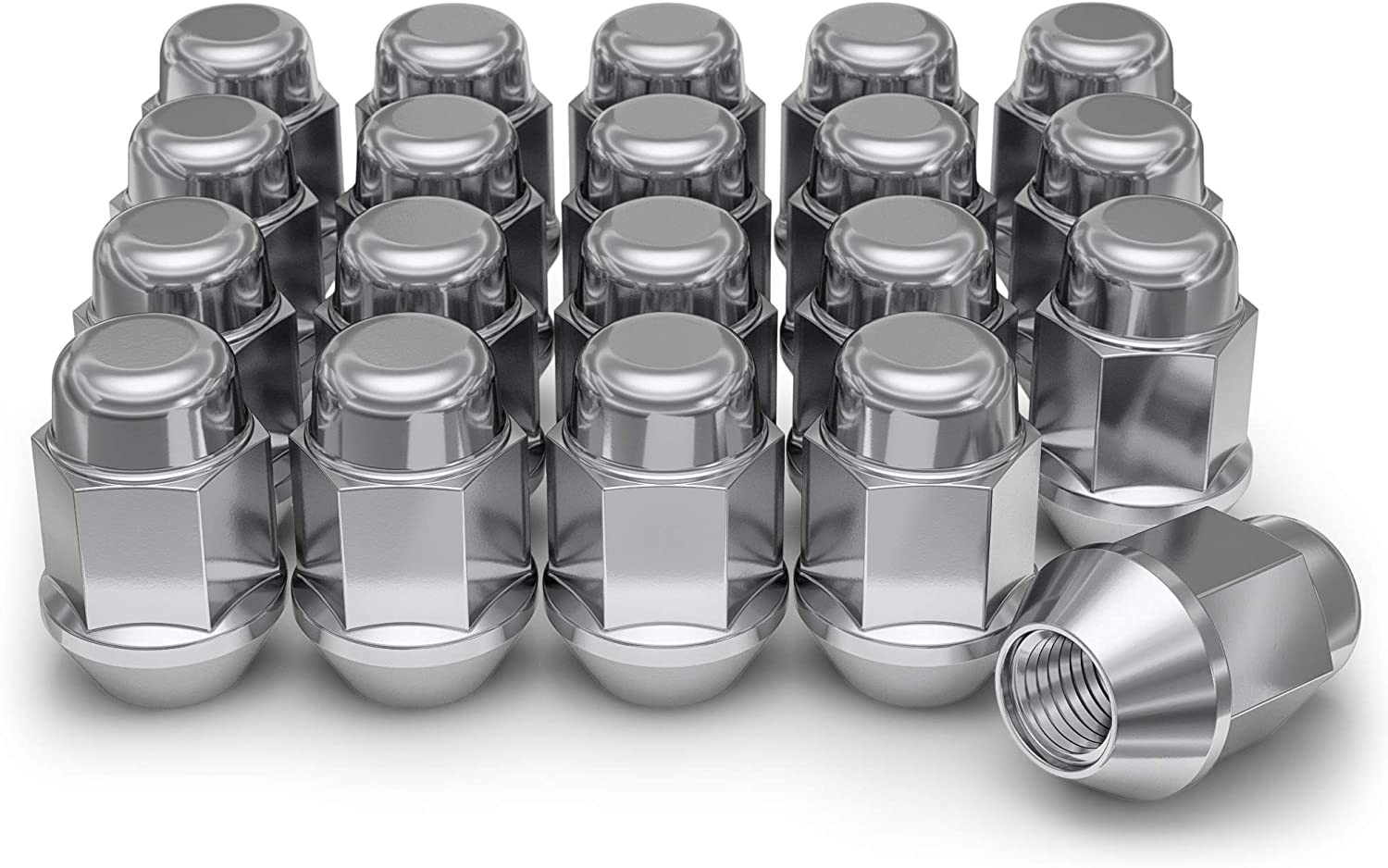
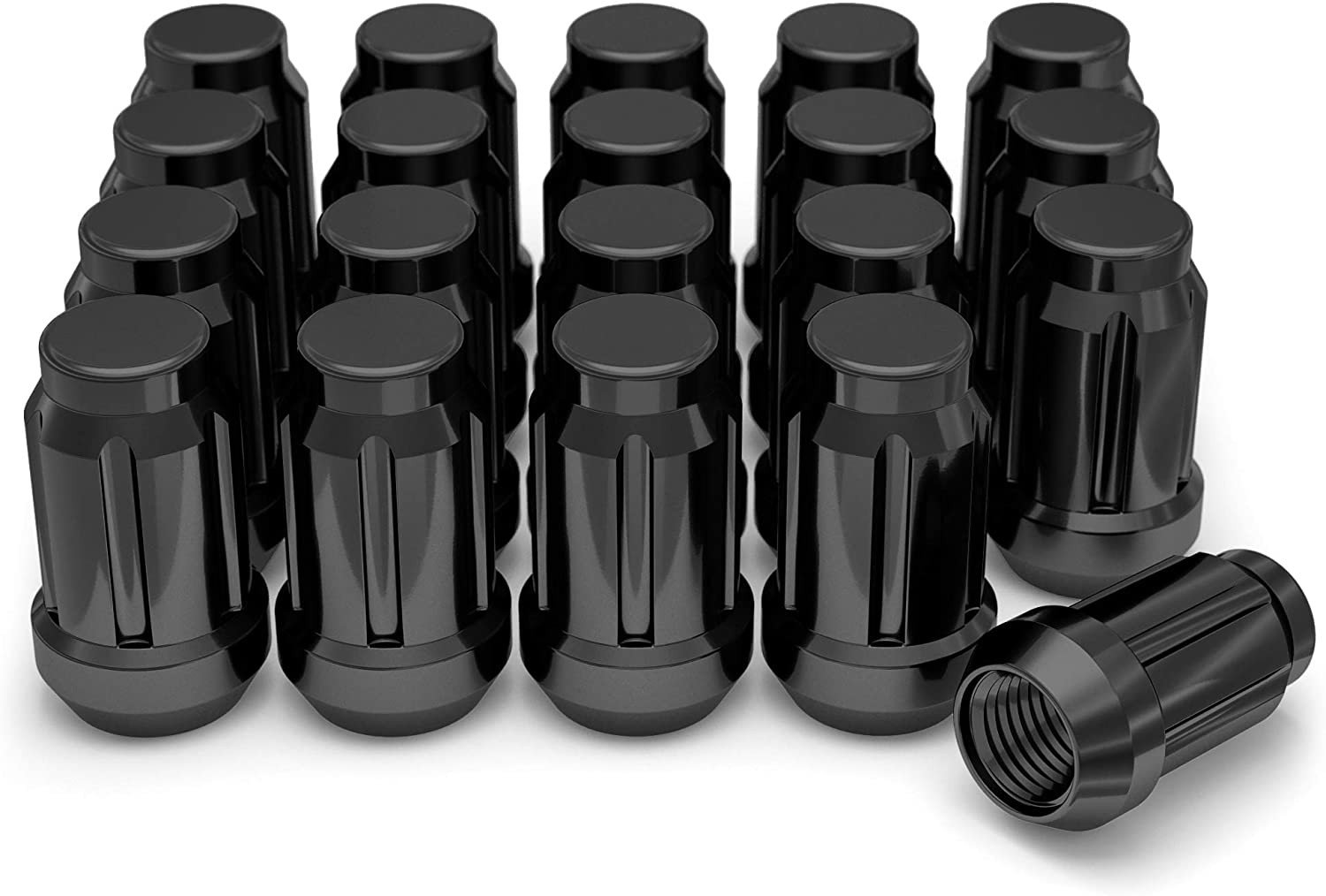
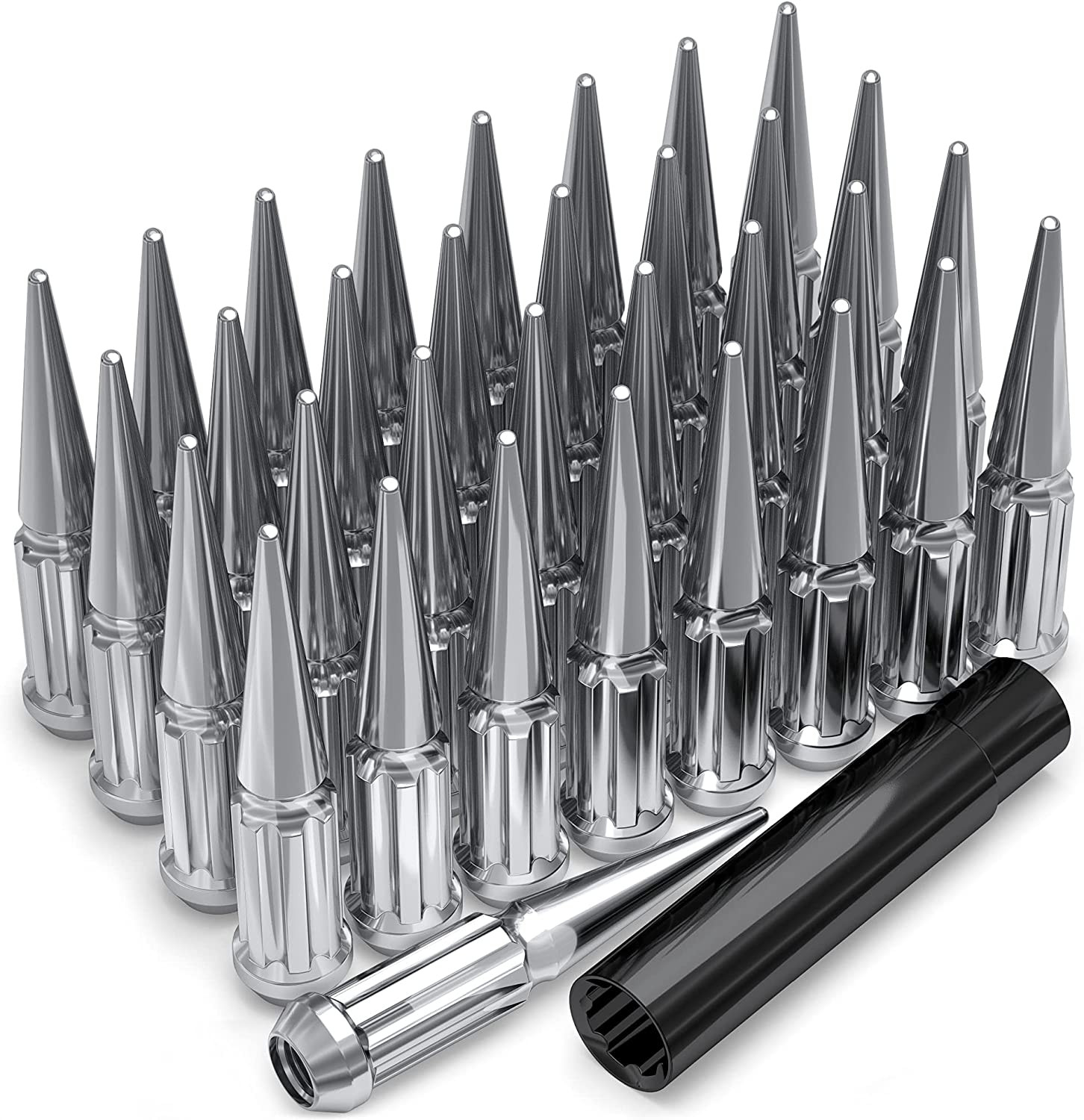
- Match hardware to the wheel seat type. Do not mix conical and ball-seat hardware. Use M12 x 1.5 hardware that matches your wheel’s seat type and length requirements.
- Check offset and width against stock. Use the calculator to see inner clearance to struts and outer poke to the fender. Aim for safe clearance to suspension, liners, and brake calipers.
- Verify brake caliper and barrel clearance if changing spoke design or diameter. Some designs have less room inside the barrel.
- Keep overall tire diameter close to stock. Large changes affect speedometer and gearing.
- Load and speed ratings should meet or exceed OEM specs. Check your door placard and tire manufacturer data.
- If your vehicle is equipped with TPMS, ensure sensor compatibility and plan for programming or relearn.
Plus Sizing And Common Upgrades
Many owners explore wider wheels or larger diameters for appearance and handling. Actual safe sizes depend on offset, tire choice, suspension condition, and whether your Crossfire has unique trim equipment. The known OEM reference listed here is 18x8 ET35 with 225/40R18. If you consider a plus-size setup, use these guidelines:
- Plus one diameter: Move from 18 to a larger rim only if the calculator confirms adequate brake and fender clearance. Choose a tire with a lower aspect ratio so overall diameter stays close to stock.
- Wider wheels: Increasing width changes inner and outer positions. Adjust offset in the calculator so inner clearance remains safe and outer poke does not contact fenders under compression or steering.
- Staggered setups: If your vehicle currently uses a square setup based on the provided data, a staggered upgrade may be possible but is trim dependent. Confirm with OEM documentation and test in the calculator axle by axle.
- Ride and handling: Lower profile tires can sharpen steering feel but may ride firmer and be more impact sensitive.
If exact factory specs for your trim differ, enter your current wheel and tire sizes into the calculator as the baseline, then compare potential upgrades to that baseline.
Installation Tips
- Use proper jacking points and support the vehicle on rated jack stands. Chock wheels and work on a flat surface.
- Clean the hub face and the wheel mounting pad. Remove rust and debris so the wheel seats flush.
- If using hub-centric rings, seat them fully on the hub before mounting the wheel.
- Hand start all fasteners to avoid cross-threading. Do not lubricate lug threads or seats unless the manufacturer explicitly specifies it.
- Tighten in a star pattern and torque to the OEM specification from your owner’s manual using a calibrated torque wrench.
- Re-torque after 50 to 100 miles of driving.
Tools And Helpful Supplies
FAQs
What is the bolt pattern for the 2007 Chrysler Crossfire?
It is 5x112 based on the provided OEM data.
What hub-centric ring size do I need?
The vehicle hub is 66.6 mm. If your aftermarket wheel has a larger center bore, use rings sized 66.6 mm to the wheel’s bore size. If the wheel already has a 66.6 mm bore, rings are not needed.
Can I use wheels from another vehicle if the bolt pattern matches?
Possibly, but matching 5x112 alone is not enough. You must also verify center bore, offset, brake clearance, width, load rating, and hardware seat type. Use the calculator to compare and confirm clearances.
What tire size keeps my speedometer closest to stock?
The provided OEM tire is 225/40R18. If you change wheel diameter or width, choose a tire that keeps overall diameter close to the OEM baseline. The calculator shows the percentage change so you can stay within about 2 to 3 percent.
Do I need new lug bolts or nuts?
Use hardware that matches M12 x 1.5 thread and the seat type of your wheels. Length must be appropriate for the wheel design and any spacers if used. Do not mix seat types.
Will spacers help if my wheel sits too far inward?
Spacers can move the wheel outward, but they introduce additional requirements. You must maintain sufficient thread engagement or use extended hardware, keep hub-centric location, and verify fender clearance. Measure with the calculator first.
What torque should I use on the wheel fasteners?
Follow the OEM torque specification in your owner’s manual or Chrysler service information. Always use a calibrated torque wrench and re-torque after 50 to 100 miles.
Can I run a staggered setup?
It may be possible, but fitment can vary by trim and brake package. Use your current setup as the baseline in the calculator and compare proposed front and rear sizes separately. Confirm with OEM documentation if your trim supported staggered configurations.