2001 Chrysler Sebring Wheel Fitment and Interchange Guide | wheelinterchange.com
Known OEM Fitment For 2001 Chrysler Sebring
The values below reflect known factory specifications for at least one 2001 Chrysler Sebring configuration. Fitment may vary by trim, body style, brake package, and market. If your vehicle differs, use the on-page calculator and confirm with the tire placard on the driver’s door jamb, the owner’s manual, or an OEM parts catalog before purchasing.
| Bolt pattern |
5x100 |
| Center bore |
57.1 mm |
| Thread size |
M12 x 1.5 |
| OEM rim size |
15 x 6.0 in |
| Wheel offset (ET) |
42 mm |
| Backspacing |
4.65 in |
| OEM tire size |
205/65R15 |
| Approx. overall tire diameter |
About 25.5 in (based on 205/65R15) |
Important: Some 2001 Sebring trims may use different wheel specs. If anything on your car does not match the table, treat your vehicle as “varies by trim” and verify specs using the calculator and OEM sources before buying wheels or tires.
How To Use The Wheel Interchange Calculator
The calculator lets you compare “Wheels from (donor vehicle)” versus “Installed on (your vehicle)” and also test custom sizes. It updates tire diameter when you change rim diameter so you can see speedometer and clearance changes clearly.
- Set “Installed on” to 2001 Chrysler Sebring. Confirm the OEM fields match your car’s placard or manual.
- For a known donor wheel, select that vehicle under “Wheels from.” If you are exploring aftermarket options, use “Custom wheel size” and “Custom tire size.”
- Adjust Custom wheel: rim diameter, rim width, and offset. The tool shows inner clearance and outer poke versus stock, plus backspacing change.
- Adjust Custom tire: section width and aspect ratio. When you modify rim diameter, the tool recalculates tire diameter in the comparison so you can keep overall diameter near stock.
- Review the outputs: change in ride height, speedometer error, inner clearance to strut and knuckle, and outer poke to fender and liner.
- Aim to keep overall tire diameter close to stock and verify that inner and outer clearances remain safe through suspension travel and steering lock.
Fitment Checklist Before You Buy
- Confirm your exact trim and brake package using the door-jamb tire placard, VIN lookup, or OEM parts catalog. 2001 Sebring fitment can vary by trim.
- Bolt pattern: must match 5x100 for this configuration. Do not force-fit other patterns.
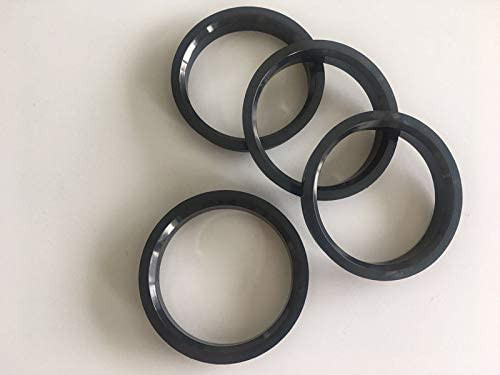
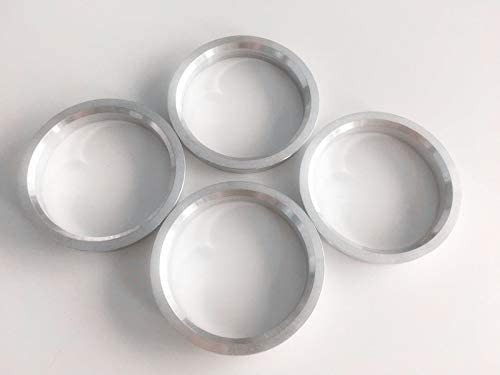
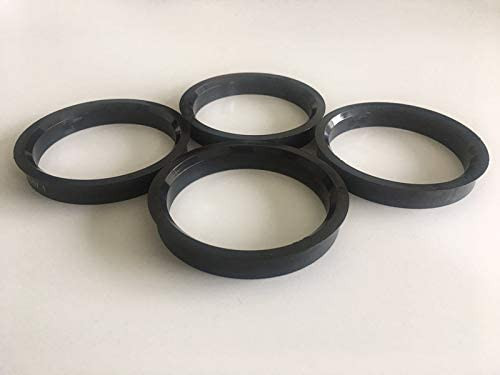
- Center bore: wheel must be 57.1 mm or use hub-centric rings to 57.1 mm if the wheel bore is larger. Never use a smaller bore.
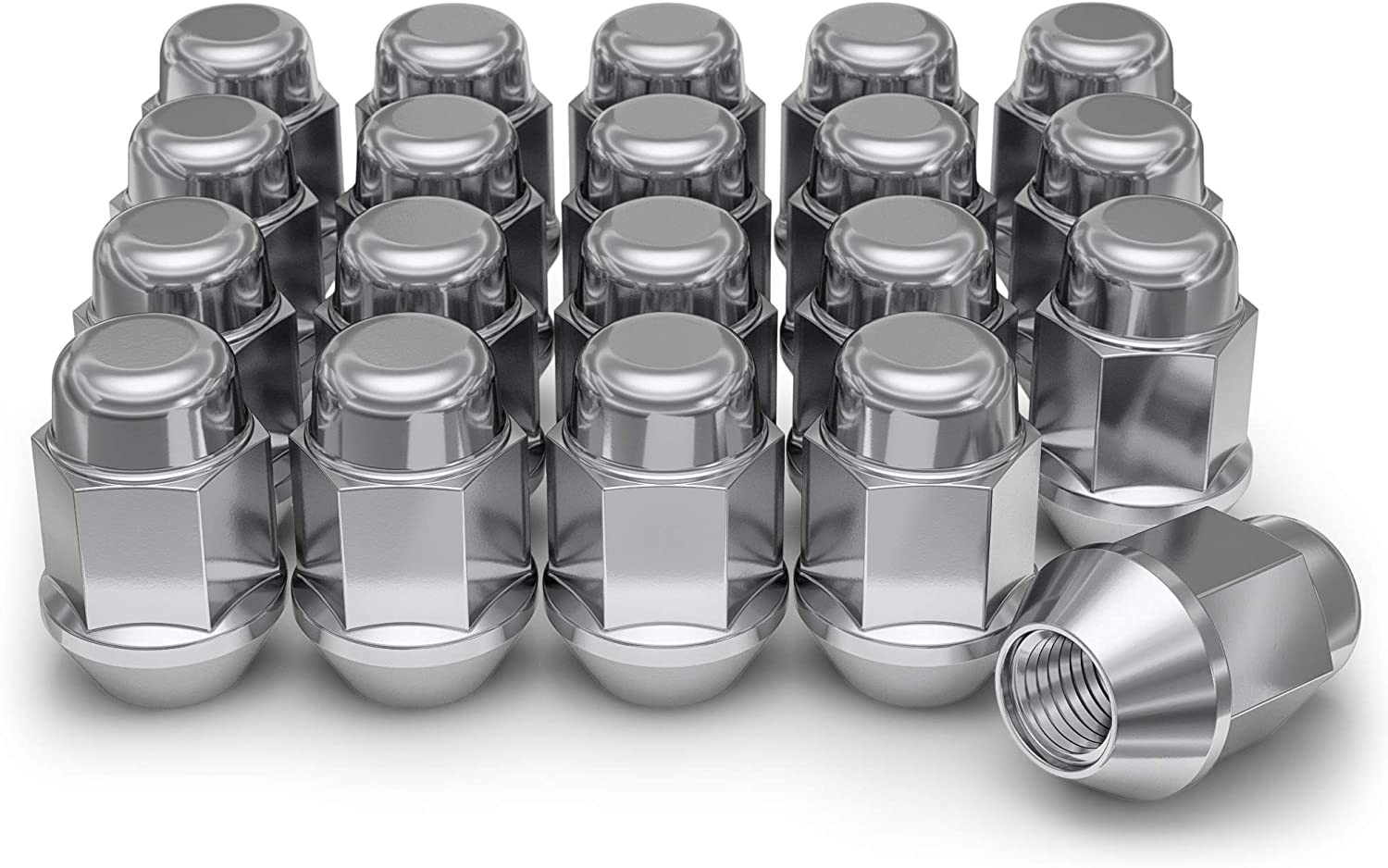
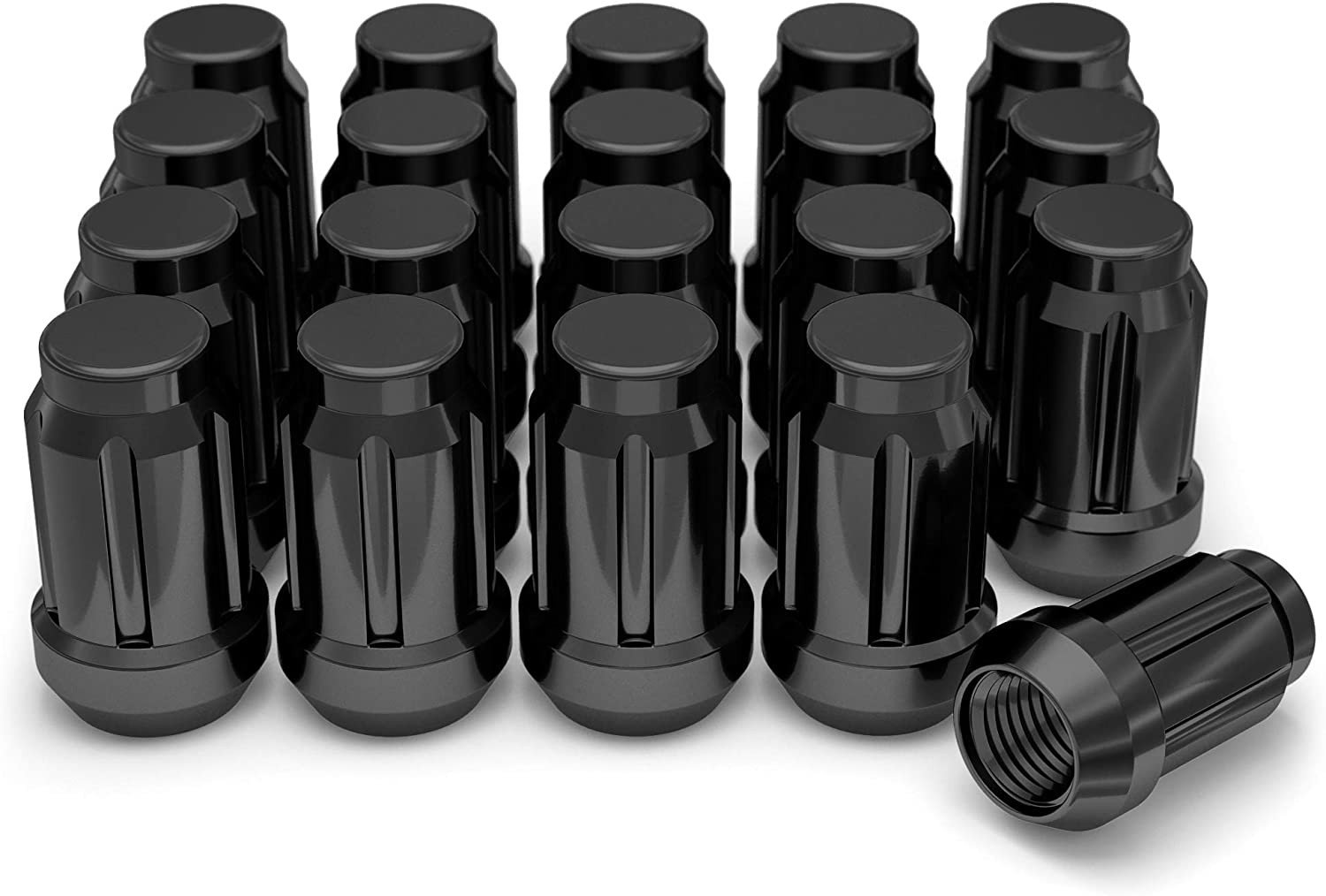
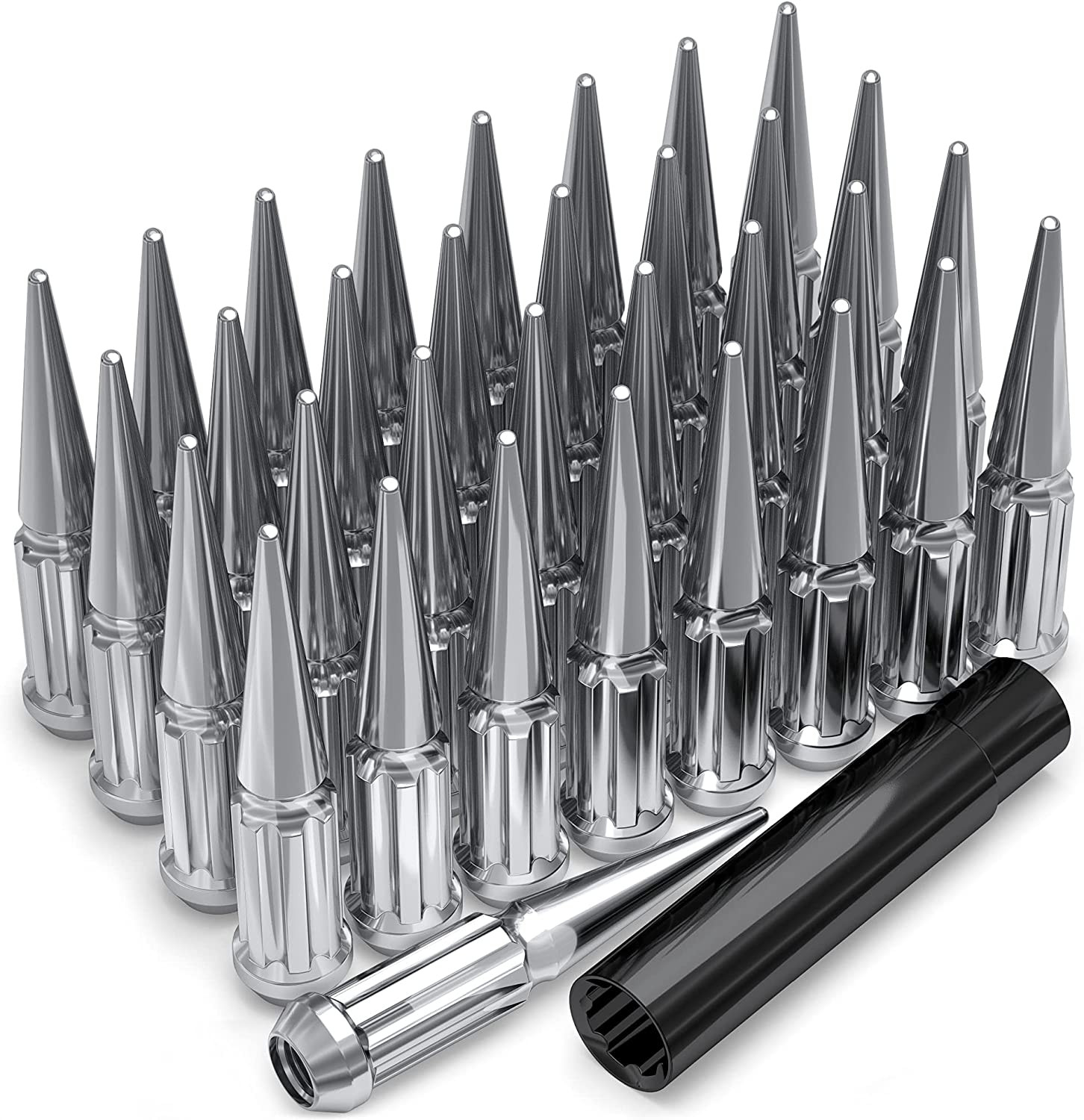
- Thread size and fasteners: M12 x 1.5. Match lug nut seat type to the wheel design and follow OEM torque specs from the owner’s manual.
- Offset and backspacing: compare new offset and width to the OEM 15x6 ET42 (4.65 in backspacing) using the calculator. Ensure safe inner clearance to strut, spring perch, knuckle, brake lines, and sway bar.
- Outer clearance: check fender and liner with suspension compressed and at full steering lock.
- Tire diameter: keep overall diameter close to stock to limit speedometer and ABS impacts. Many aim for about ±2 percent. Use the calculator’s diameter and speedometer readouts.
- Load and speed ratings: tires and wheels must meet or exceed OEM ratings.
- TPMS: if equipped, plan for sensor transfer or new compatible sensors. Sensor presence may vary by trim and market year.
- Test fit: always test fit one corner before mounting tires when possible. Verify that the wheel seats fully on the hub and spins freely.
Plus Sizing And Common Upgrades
Many owners explore 16 inch or 17 inch packages for tire availability or aesthetics. The safe way to do this is to replicate the OEM overall diameter and maintain proper clearances. Because 2001 Sebring specs can vary by trim, do not assume a universal size will fit.
- Use the calculator to try a larger rim diameter and then choose a tire aspect ratio that keeps overall diameter near the stock 205/65R15 value of about 25.5 in.
- Wider wheels and tires reduce inner clearance and may increase outer poke. Compare both inner and outer changes against OEM using the calculator and physical measurements.
- If you must change offset to clear brakes or suspension, confirm that the new scrub and fender clearance remain acceptable.
- Keep a square setup on front-wheel-drive cars for rotation and balanced handling unless you have a specific reason and have verified clearance front and rear.
Installation Tips
- Safety first: park on level ground, use a proper jack and quality jack stands, and chock wheels.
- Clean the hub face with a wire brush so the wheel seats flush. Do not remove material from the hub.
- If your aftermarket wheels have a larger center bore, install 57.1 mm hub-centric rings to maintain hub-centric mounting.
- Hand start all lug nuts to avoid cross-threading. Tighten in a star pattern.
- Torque to the OEM specification from your owner’s manual using a calibrated torque wrench. Do not lubricate studs or nuts unless the OEM procedure specifically calls for it.
- After installation, turn the steering from lock to lock and check for any rubbing. Road test carefully and re-torque after 50 to 100 miles.
Tools And Helpful Supplies
FAQs
What is the bolt pattern for the 2001 Chrysler Sebring?
Known OEM bolt pattern for at least one 2001 Sebring configuration is 5x100. Some trims may differ. Verify against your door-jamb placard, owner’s manual, or OEM parts catalog.
What center bore do I need?
57.1 mm for this configuration. If an aftermarket wheel has a larger bore, use hub-centric rings that step down to 57.1 mm. Never use a wheel with a smaller bore than the hub.
What lug nuts does it use?
Thread size is M12 x 1.5. Match the lug nut seat style to the wheel design and torque to the OEM spec in the owner’s manual. Do not guess torque values.
Can I run wheels with a different bolt pattern, like 5x114.3?
No, not directly. Pattern-mismatch mounting is unsafe. Adapters and spacers change geometry and require careful engineering, hub-centric fitment, and adequate stud engagement. Use the calculator to check clearances if considering an adapter, and follow professional guidance.
Will 15 inch wheels clear my brakes?
The listed OEM size is 15 inch for this configuration, so it should clear brakes that originally came with 15 inch wheels. If your trim has a different brake package, verify caliper clearance with a test fit or a brake template.
What offset should I choose for aftermarket wheels?
The factory offset is 42 mm on a 15x6 wheel. Any change in width or offset must be validated using the calculator and a test fit to ensure inner and outer clearances remain safe.
How close should I keep overall tire diameter when plus-sizing?
Many installers target about ±2 percent from stock to keep speedometer and ABS behavior consistent. Use the calculator to monitor diameter and speedometer change.
Do I need hub-centric rings?
If the wheel’s center bore is larger than 57.1 mm, yes. Rings help the wheel center on the hub and reduce vibration. They do not replace the need for correct lug hardware and torque.
What if the information on my car does not match this page?
Treat your vehicle as varies by trim. Enter your actual OEM tire and wheel info into the calculator and verify with the door placard, owner’s manual, and an OEM parts catalog or dealer using your VIN.