2001 Dodge Grand Caravan Wheel Fitment And Interchange Guide
Known OEM Fitment For 2001 Dodge Grand Caravan
The values below reflect information available for this model year. Some trims and option packages may differ. If a value is not listed for your exact configuration or appears to conflict, verify it on your tire placard (driver door jamb), the owner’s manual, or through the on-page calculator using your current wheel and tire as the baseline.
| Bolt pattern (studs x PCD) | 5x114.3 |
| Center bore (mm) | 71.6 |
| Thread size | M12 x 1.5 |
| Known OEM wheel offset (ET, mm) | 40 |
| Known OEM backspacing (in) | 4.82 |
| Known OEM rim size (example) | 17 x 6.5 |
| Known OEM tire size (example) | 215/70R15 |
Note: The presence of a 17 inch rim size and a 15 inch tire size indicates multiple OEM packages were available in 2001. Your vehicle may have left the factory with 15, 16, or 17 inch wheels depending on trim. Always confirm your exact OEM size on the door placard and match that in the calculator before comparing alternates.
How To Use The Wheel Interchange Calculator
The Wheel Interchange calculator on wheelinterchange.com lets you compare a donor setup against your 2001 Grand Caravan and test custom wheel and tire sizes before buying.
- Set “Installed on (your vehicle)” to 2001 Dodge Grand Caravan.
- Pick a “Wheels from (donor vehicle)” if you are checking a swap, or leave it blank if you are only testing sizes.
- Use “Custom wheel size” to enter rim diameter, rim width, and offset you want to try.
- Use “Custom tire size” to enter section width and aspect ratio. Changing rim diameter updates the tire diameter in the comparison so you can keep overall diameter close to stock.
- Compare inner clearance to the suspension and outer “poke” relative to the fender line. If the custom setup moves inward too much, it can hit struts or control arms. If it moves outward too much, it can rub fenders or sliding door tracks when loaded.
- Repeat with different widths and offsets until the model shows acceptable clearances. Then verify physically on the vehicle before driving.
Fitment Checklist Before You Buy
Work through this list to reduce the chance of rubbing, vibration, or hardware issues.
- Bolt pattern: Must be 5x114.3. Do not force 5x115 or 5x112 wheels.
- Center bore: The hub is 71.6 mm. Wheels with a larger bore need hub-centric rings sized to 71.6 mm at the hub side. Wheels with a smaller bore will not fit.
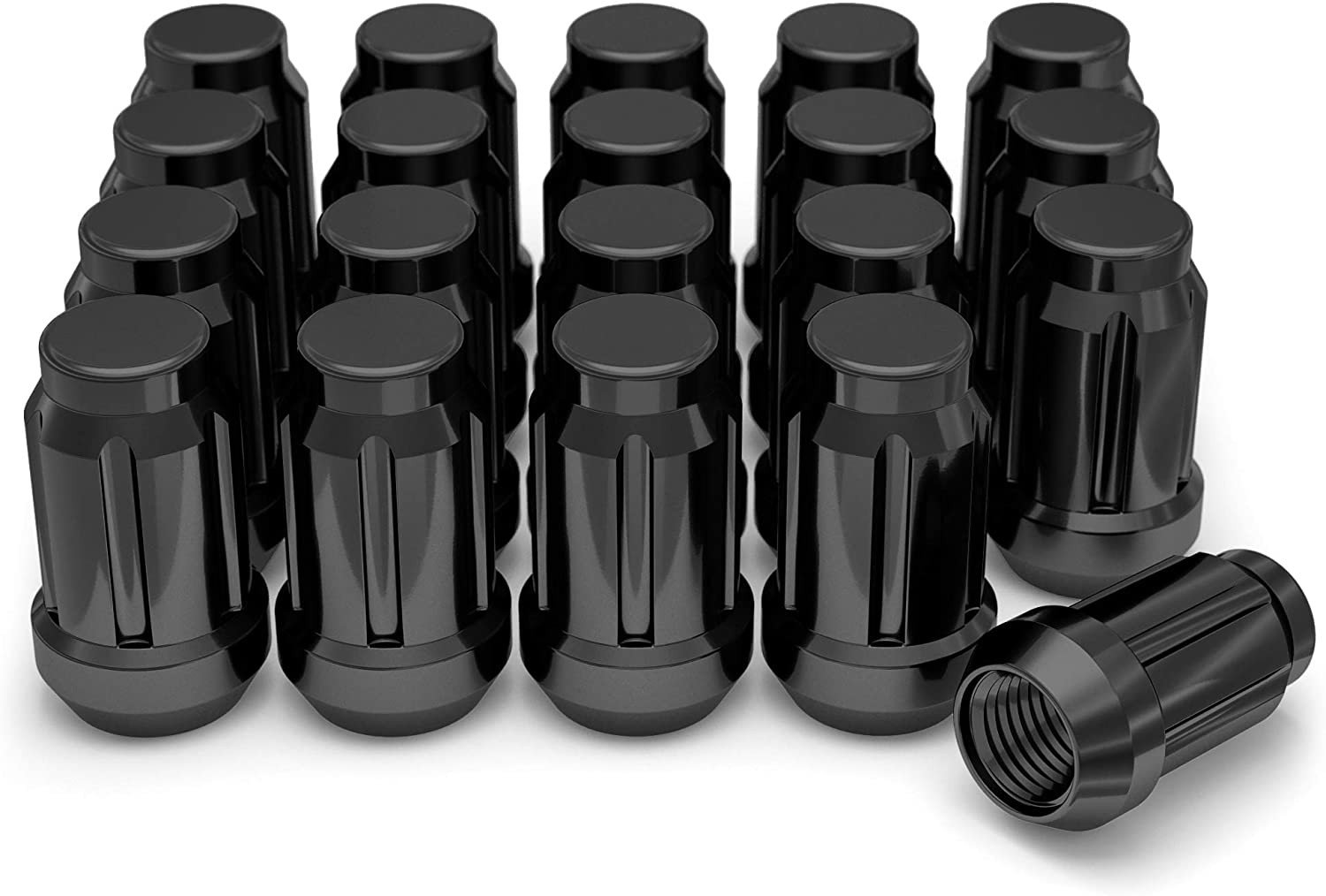
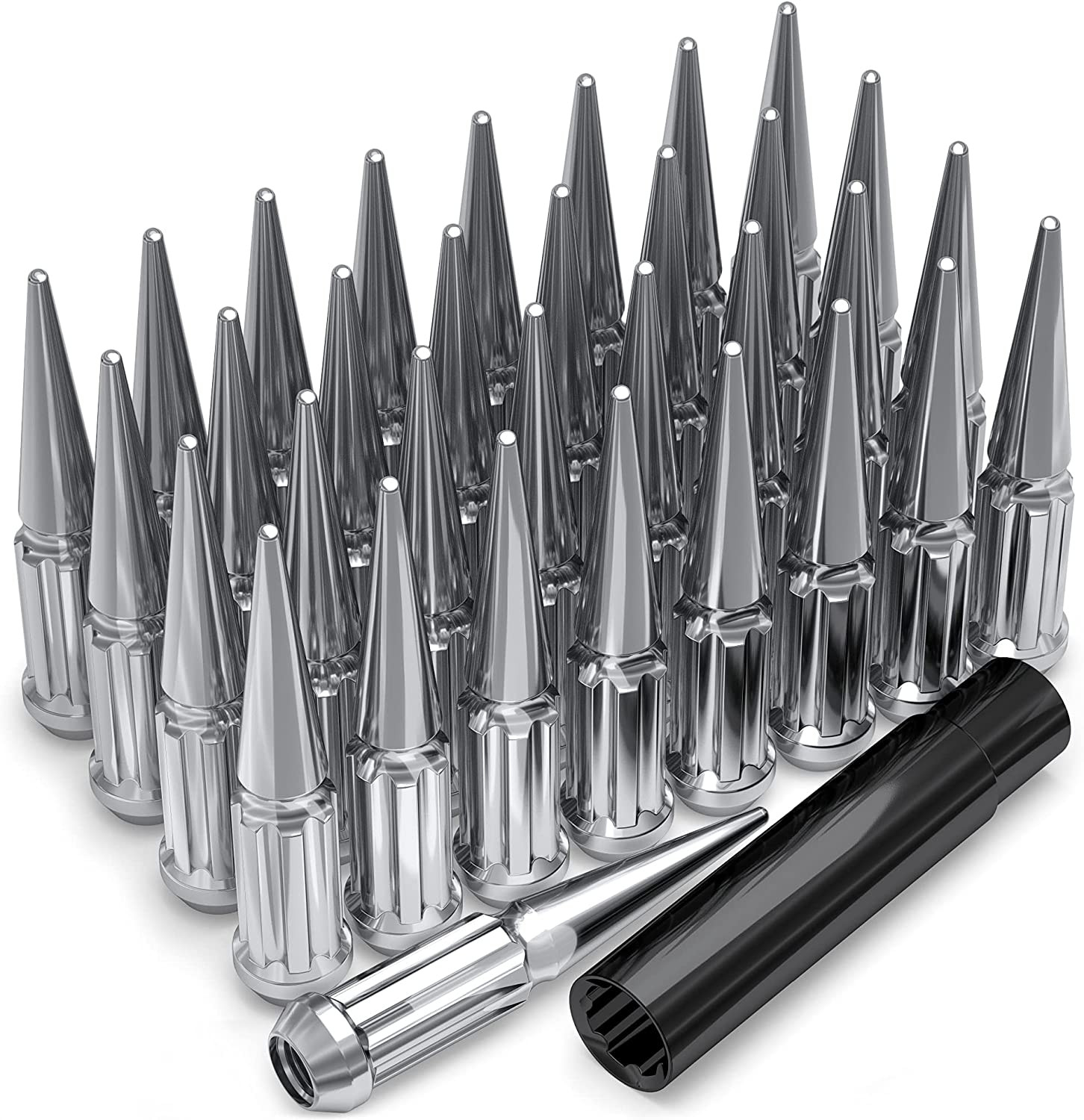
- Thread size and lug seat: M12 x 1.5 studs. Match the lug nut seat style to the wheel design (commonly 60 degree conical for many aftermarket wheels, but verify with the wheel manufacturer).
- Offset and width: Known OEM example is 17x6.5 ET40. If you change width or offset, use the calculator to check inner and outer clearance.
- Brake clearance: Verify spoke and barrel clearance to calipers. Test-fit one front wheel and spin it by hand to confirm no contact.
- Suspension and body: Measure strut, spring perch, and sliding door track clearance with the calculator’s inner and outer movement as a guide, then verify on the vehicle.
- Tire load index and speed rating: Choose tires that meet or exceed the OEM load index for a minivan. This is critical for safety.
- Ride height and alignment: Worn springs or altered ride height change clearances. Align after installing new wheels and tires.
- TPMS: Many 2001 vehicles did not use direct TPMS. If your vehicle has an aftermarket TPMS, ensure sensor compatibility with the new wheels.
Plus Sizing And Common Upgrades
If your door placard shows 215/70R15, the overall diameter is about 26.9 inches. When plus sizing, aim to keep overall diameter within about 3 percent of your OEM value so speedometer and gearing remain reasonable. Use the calculator to change rim diameter and then adjust tire section width and aspect ratio until the overall diameter matches your baseline. Because 2001 Grand Caravan trims may have shipped with different wheel sizes, start by confirming your exact OEM tire size on the placard, enter that into the calculator, and then try a plus one or plus two setup that preserves overall diameter and clears the suspension and body. Do not rely on visual estimation alone; always test-fit if possible.
Installation Tips
- Clean the hub face and the wheel mounting pad to remove rust and debris. This helps the wheel sit true.
- If using hub-centric rings, seat them fully in the wheel bore before mounting.
- Hand-thread lug nuts to avoid cross-threading. Tighten in a star pattern.
- Torque to the specification in the owner’s manual or service information. Recheck torque after 50 to 100 miles.
- Spin the wheel by hand to confirm brake and suspension clearance, then road test for vibration at various speeds.
Tools And Helpful Supplies
FAQs
What is the bolt pattern on the 2001 Dodge Grand Caravan?
It is 5x114.3.
What center bore do I need?
The hub bore is 71.6 mm. If your wheels have a larger bore, use quality hub-centric rings sized to 71.6 mm at the hub side.
What is the lug nut thread size and type?
The studs are M12 x 1.5. The lug nut seat style must match the wheel design. Many aftermarket wheels use a 60 degree conical seat, but confirm with the wheel manufacturer.
Will 5x115 wheels fit a 5x114.3 hub?
No. Mixing bolt patterns is unsafe unless the wheel is specifically manufactured for both patterns and installed with hardware approved by the wheel maker. Do not attempt to force fit.
What offset should I use?
The known OEM offset is ET40 with a 6.5 inch wide wheel. If you change width or offset, use the calculator to model inner and outer movement and then test-fit to confirm clearance.
Can I run 17 inch wheels?
A 17x6.5 OEM example exists in the data, and some trims used different sizes. Confirm your original tire size on the placard, set that as the baseline in the calculator, and then select a 17 inch package that keeps overall diameter close and clears brakes and bodywork.
What tire size keeps my speedometer accurate when upsizing?
Match overall diameter to your OEM baseline. For example, if your placard shows 215/70R15 at about 26.9 inches, target a 17 inch tire with a similar overall diameter. Use the calculator to fine tune section width and aspect ratio.
Do I need new lug nuts with aftermarket wheels?
Often yes. Many aftermarket wheels require conical seat lug nuts with different shank depths or head sizes. Ensure M12 x 1.5 thread and the correct seat for the wheel.
What torque should I use on the lug nuts?
Follow the torque specification in the owner’s manual or OEM service information for your vehicle. Re-torque after 50 to 100 miles.