2012 Dodge Grand Caravan Wheel Fitment
Known OEM Fitment For 2012 Dodge Grand Caravan
The following specifications are the known fitment data provided for the 2012 Dodge Grand Caravan. Equipment can vary by trim, package, wheel design, and market, so confirm the original specifications for your vehicle before ordering wheels or tires.
| Specification |
Provided value |
| Bolt pattern |
5x127 |
| Center bore |
71.6 mm |
| Thread size |
M12 x 1.5 |
| Rim diameter |
17 inches |
| Rim width |
7.5 inches |
| Wheel offset |
ET38, or 38 mm |
| Backspacing |
5.25 inches |
| Tire section width |
225 mm |
| Tire aspect ratio |
65 percent |
| Tire rim diameter |
R16, or 16 inches |
There is an apparent diameter difference in the supplied data: the wheel entry lists a 17-inch rim, while the tire entry lists a 16-inch rim. A 16-inch tire cannot be mounted on a 17-inch wheel. Treat these as separate data points until you verify the exact wheel and tire package on your vehicle. Check the tire sidewall, the driver's door-jamb label, the owner's manual, and Dodge parts information for the VIN and trim.
The 5x127 bolt pattern means five wheel studs are arranged on a 127 mm pitch circle diameter. The replacement wheel must also provide suitable clearance for the M12 x 1.5 studs and have a center bore that fits the vehicle hub. A larger center bore may require correctly sized hub-centric rings, while a smaller bore will not fit over the hub.
How To Use The Wheel Interchange Calculator
Use the calculator to compare a donor vehicle's wheels with the wheels installed on your 2012 Dodge Grand Caravan. Select the donor vehicle under “Wheels from” and select the Grand Caravan under “Installed on.” Review bolt pattern, center bore, wheel width, diameter, offset, and tire information together rather than relying on a single matching number.
For a custom setup, enter the proposed rim diameter, rim width, and offset under “Custom wheel size.” Enter the proposed tire section width and aspect ratio under “Custom tire size.” When you change rim diameter, the calculator updates the tire diameter in the comparison. This helps show how the proposed assembly differs from the reference setup, but it does not replace a physical clearance check.
Use the calculator as a screening tool. Before purchase, verify brake, suspension, hub, fender, and tire clearance on the actual vehicle. The calculator cannot confirm every spoke profile, brake-caliper shape, tire brand contour, suspension condition, or body modification.
Fitment Checklist Before You Buy
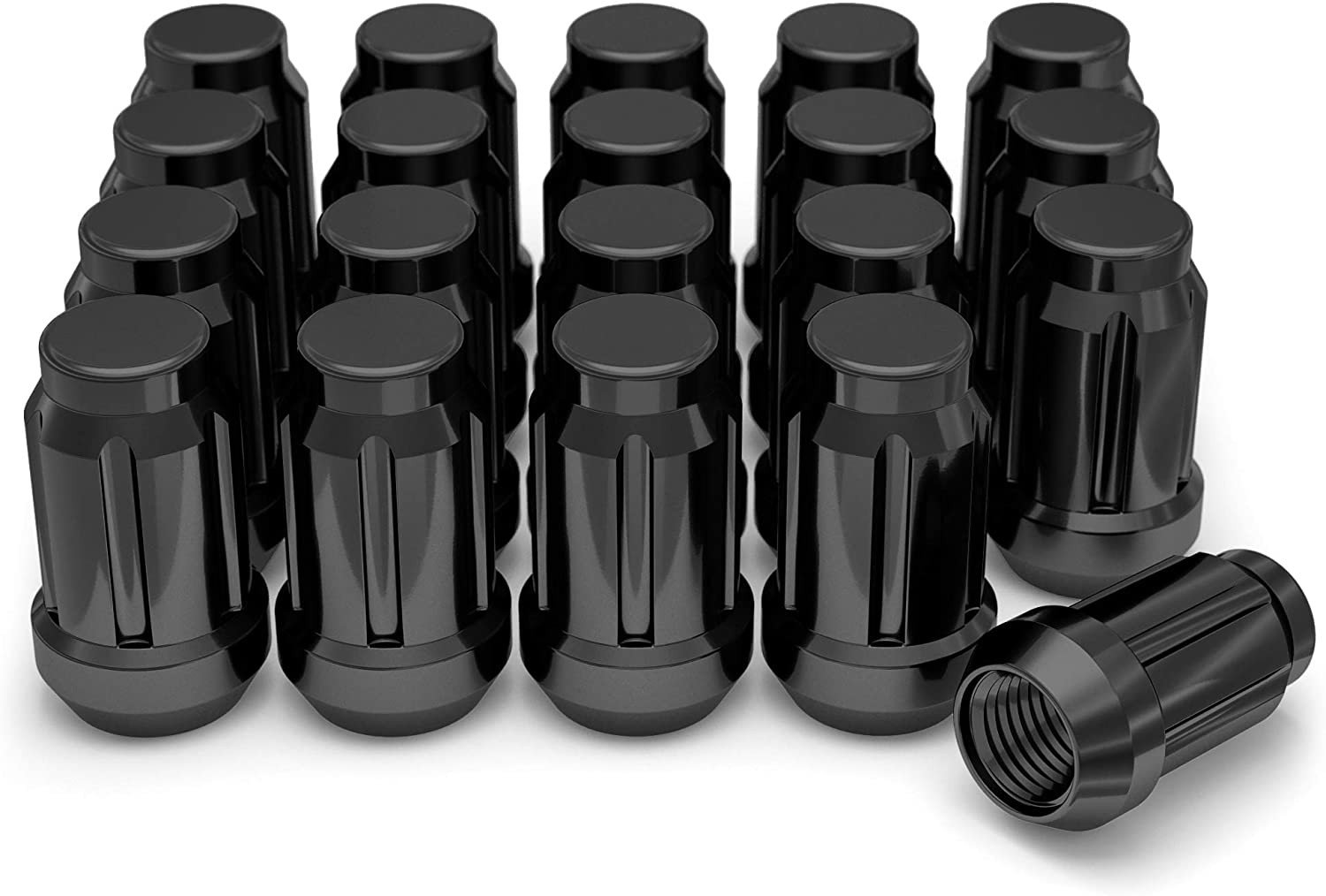
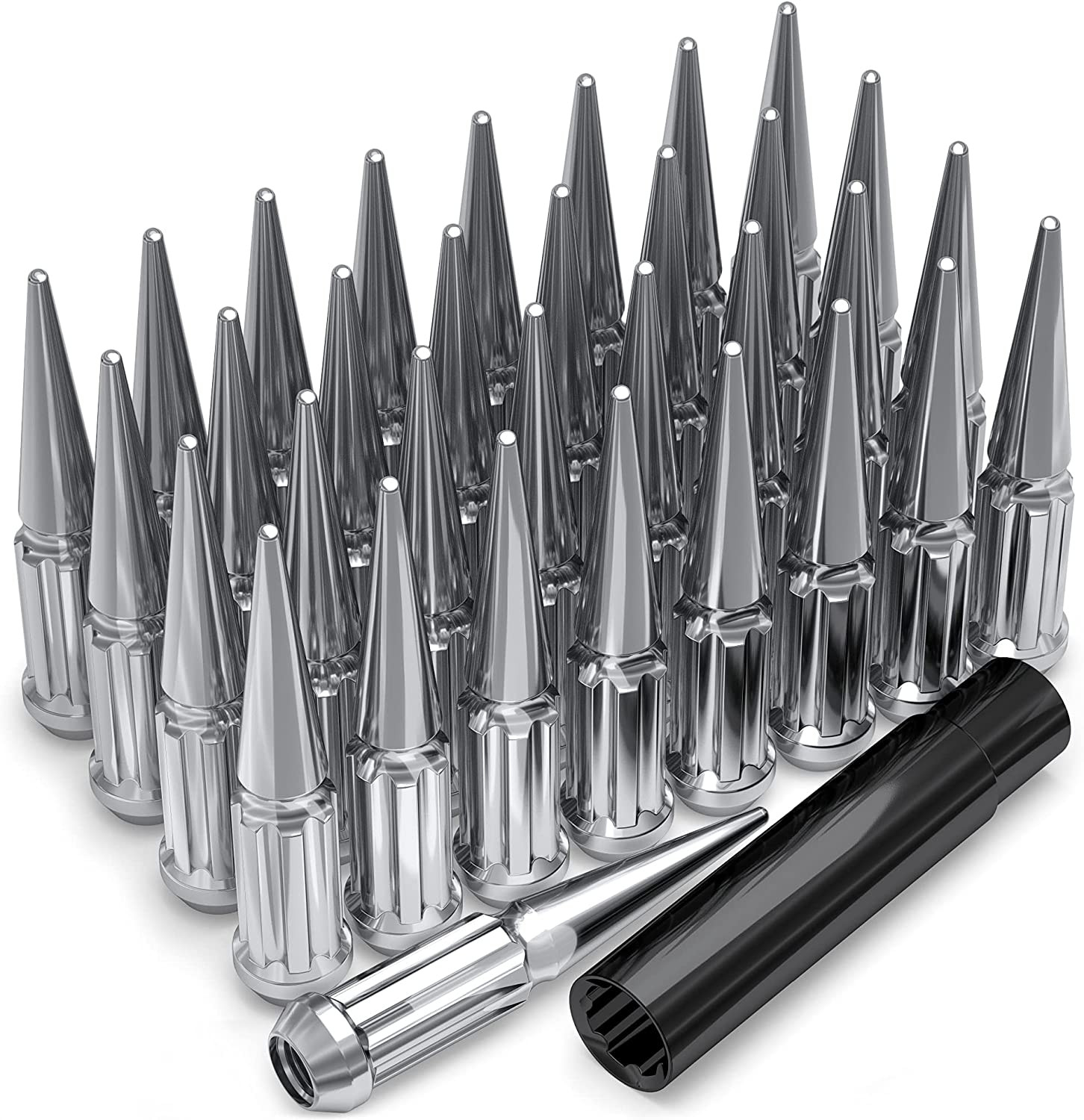
Confirm the 5x127 bolt pattern and verify that the replacement wheel's center bore is compatible with the 71.6 mm hub specification. Check that the wheel uses the correct M12 x 1.5 hardware and that the wheel maker approves the hardware seat type. Do not assume that a wheel with the correct bolt pattern uses the correct lug nuts.
Compare the proposed diameter, width, and offset with the verified original setup. Offset changes move the wheel and tire inward or outward and can affect strut, control-arm, brake, fender, and inner-liner clearance. Confirm the wheel's load rating is suitable for the vehicle and intended use.
Verify the complete tire size on the sidewall or vehicle label. The supplied information includes both a 17-inch rim entry and an R16 tire-rim entry, so do not order a tire until the correct rim diameter is confirmed. Check the tire's load index, speed rating, inflation requirement, and approved rim-width range.
Ask the seller or wheel manufacturer for a vehicle-specific fitment confirmation when the wheel design is unfamiliar. A generic “fits 5x127” statement is not enough to establish safe fitment.
Plus Sizing And Common Upgrades
Plus sizing generally means using a larger wheel diameter with a lower-profile tire while keeping the overall tire diameter close to the verified original. It can change steering response, ride comfort, road-noise levels, wheel vulnerability, and speedometer behavior. The replacement tire must still carry the vehicle's required load and fit the approved wheel width.
Because the supplied OEM data contains both 17-inch wheel information and a 16-inch tire-rim designation, do not select a plus-size package from these values without confirming which package applies to the vehicle. Enter the verified original wheel and tire data into the calculator first, then compare the proposed assembly.
Common replacement considerations include a wheel with a suitable load rating, a compatible center bore, the correct lug-seat hardware, and a tire approved for the selected rim width. Do not use wheel spacers, adapters, or replacement studs unless their manufacturer provides vehicle-specific instructions and the resulting assembly is professionally checked.
Installation Tips
Inspect each wheel for cracks, bends, corrosion, damaged lug seats, and deformation around the mounting holes. Clean rust and debris from the hub and wheel mating surfaces before installation. Do not apply grease, paint, or anti-seize to the lug-seat surfaces unless the vehicle or hardware manufacturer specifically instructs you to do so.
Install the correct M12 x 1.5 lug hardware by hand first to prevent cross-threading. Tighten the lugs in a star pattern with a calibrated torque wrench using the vehicle or wheel manufacturer's specified torque. The correct torque value was not provided here, so obtain it from the owner's manual, service information, or the wheel and hardware manufacturer.
After installation, rotate each wheel by hand where practical and check for contact with the brake caliper, suspension, inner liner, and fender. Lower the vehicle, recheck tire pressure, and have the assembly balanced. Recheck lug torque after the initial driving interval specified by the vehicle or wheel manufacturer, and stop immediately if you notice vibration, rubbing, pulling, or looseness.
Tools And Helpful Supplies
A calibrated torque wrench, suitable socket, jack, jack stands, wheel chocks, and a tire-pressure gauge are useful for a safe wheel installation. Use jack stands on a solid, level surface and follow the lifting points in the owner's manual. Never work beneath a vehicle supported only by a jack.
For installation supplies, see automotive torque wrenches and digital tire-pressure gauges. Confirm tool ratings and compatibility before use.
FAQs
What is the bolt pattern for the 2012 Dodge Grand Caravan?
The provided bolt pattern is 5x127. Confirm the specification for your exact trim and replacement wheel before ordering.
What is the center bore?
The provided center-bore specification is 71.6 mm. A smaller wheel bore will not fit over the hub. A larger bore may need correctly sized hub-centric rings if approved for the wheel application.
What wheel offset is listed?
The provided offset is ET38, or 38 mm, with a listed backspacing of 5.25 inches. Verify the original wheel marking or OEM documentation because offset and backspacing affect clearance.
Can I use any wheel with a 5x127 bolt pattern?
No. Bolt pattern alone does not confirm fitment. You must also check center bore, offset, width, diameter, load rating, lug-seat type, brake clearance, and tire compatibility.
Why do the supplied specifications show a 17-inch rim and an R16 tire?
Those entries identify different rim diameters and cannot describe one mounted tire-and-wheel assembly. Verify the actual vehicle package using the tire sidewall, door-jamb label, owner's manual, VIN-based OEM information, and the calculator.
How do I compare aftermarket wheels?
Enter the donor vehicle in “Wheels from” and the 2012 Dodge Grand Caravan in “Installed on.” For a custom wheel, enter its diameter, width, and offset, then enter the proposed tire section width and aspect ratio. Use the results as a comparison, followed by a physical clearance inspection.
Do I need new lug nuts with replacement wheels?
Possibly. The correct lug hardware depends on the wheel's lug-seat design and the vehicle's thread specification. The provided thread size is M12 x 1.5, but confirm the required seat type, shank design, length, and torque before installation.
Where can I confirm the factory fitment?
Check the driver's door-jamb tire and loading label, owner's manual, wheel markings, Dodge service information, and VIN-specific OEM parts sources. If those sources conflict, do not install the replacement assembly until the discrepancy is resolved.