2011 Dodge Nitro Wheel Fitment Guide | wheelinterchange.com
Known OEM Fitment For 2011 Dodge Nitro
The values below reflect a factory 16-inch wheel and tire setup reported for the 2011 Dodge Nitro. Trims and appearance packages can vary by market and build date. Always confirm against the driver’s door jamb placard, the owner’s manual, and OEM parts information before purchasing.
| Bolt pattern (studs x PCD) | 5x114.3 |
| Center bore (mm) | 71.6 |
| Thread size | M12 x 1.5 |
| Rim diameter (in) | 16 |
| Rim width (in) | 6.5 |
| Wheel offset (ET, mm) | 43 |
| Backspacing (in) | 4.94 |
| Tire size (section/aspect/R) | 225/75R16 |
If your Nitro did not ship with 16-inch wheels, or if it has a special package, some dimensions could differ. Use the on-page calculator and your OEM sources to verify.
How To Use The Wheel Interchange Calculator
The calculator lets you compare a potential donor setup to your 2011 Dodge Nitro and test custom wheel and tire sizes before you buy.
- Set Installed on (your vehicle) to 2011 Dodge Nitro and confirm the stock values shown above.
- Pick a donor setup in Wheels from (donor vehicle) if you are evaluating take-off wheels. This shows how that wheel’s geometry compares to your Nitro.
- To model aftermarket parts, use Custom wheel size to change rim diameter, width, and offset. Use Custom tire size to adjust section width and aspect ratio. When you change rim diameter, the calculator updates tire diameter in the comparison so you can keep overall height in check.
- Review the comparison results for inner clearance to strut/suspension, outer position relative to the fender, and overall tire diameter change versus stock.
- Aim to keep overall tire diameter close to stock for speedometer accuracy and to avoid clearance issues. If the calculator shows a significant change, reconsider size or offset.
The calculator is a planning tool. Final confirmation requires physical test-fit and checking against OEM brake, hub, and fender clearances.
Fitment Checklist Before You Buy
Work through this list to reduce the chance of returns or safety issues:
- Match bolt pattern exactly: 5x114.3. Do not attempt to “make fit” other patterns.
- Verify hub bore: vehicle hub is 71.6 mm. Wheels with a larger center bore can be used with the correct 71.6 mm ID hub-centric ring. Wheels with a smaller bore will not fit.
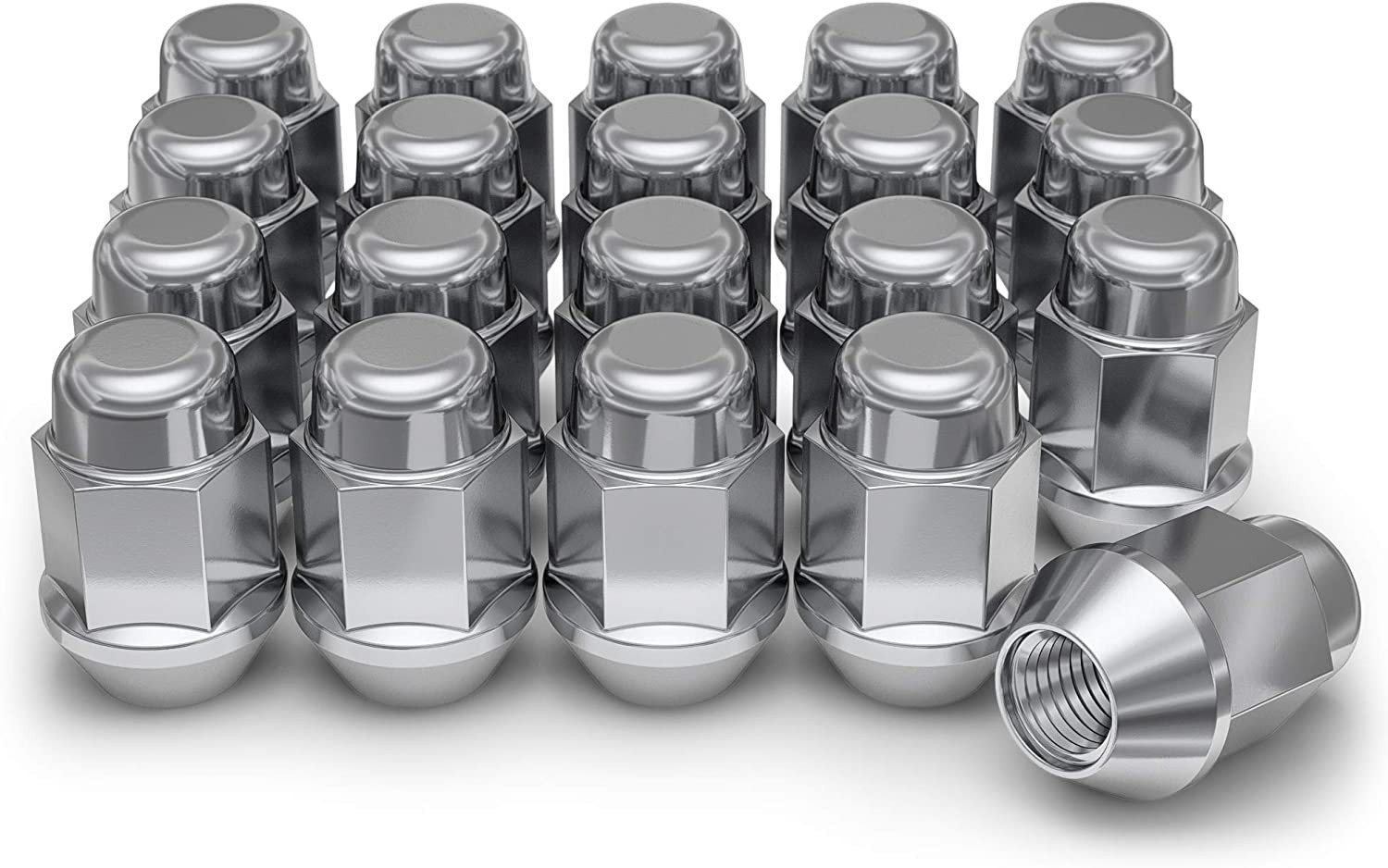
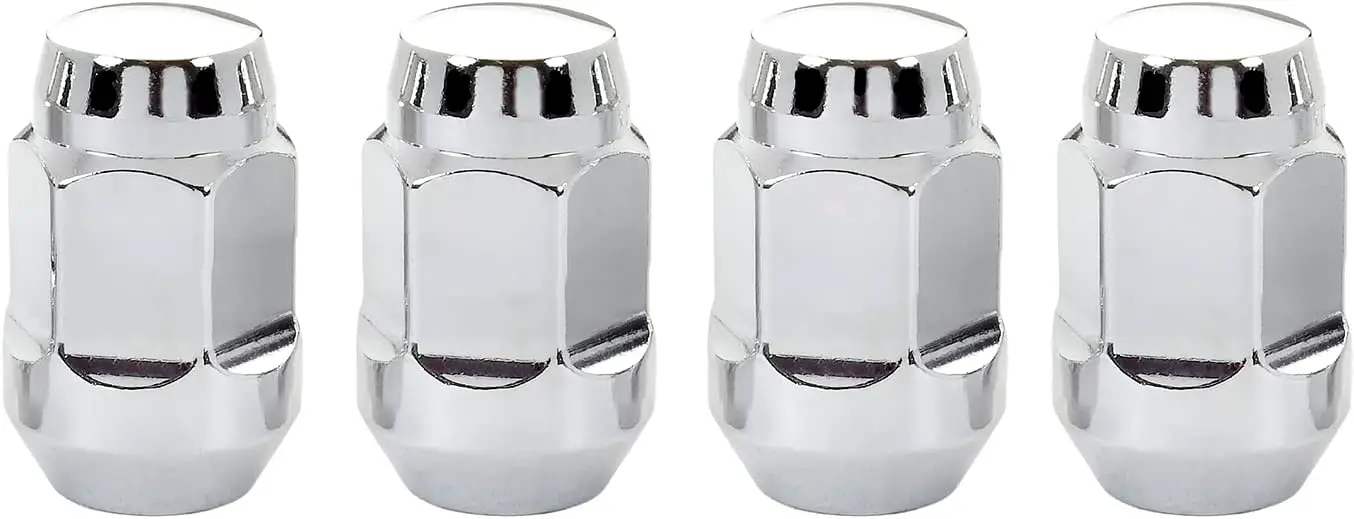
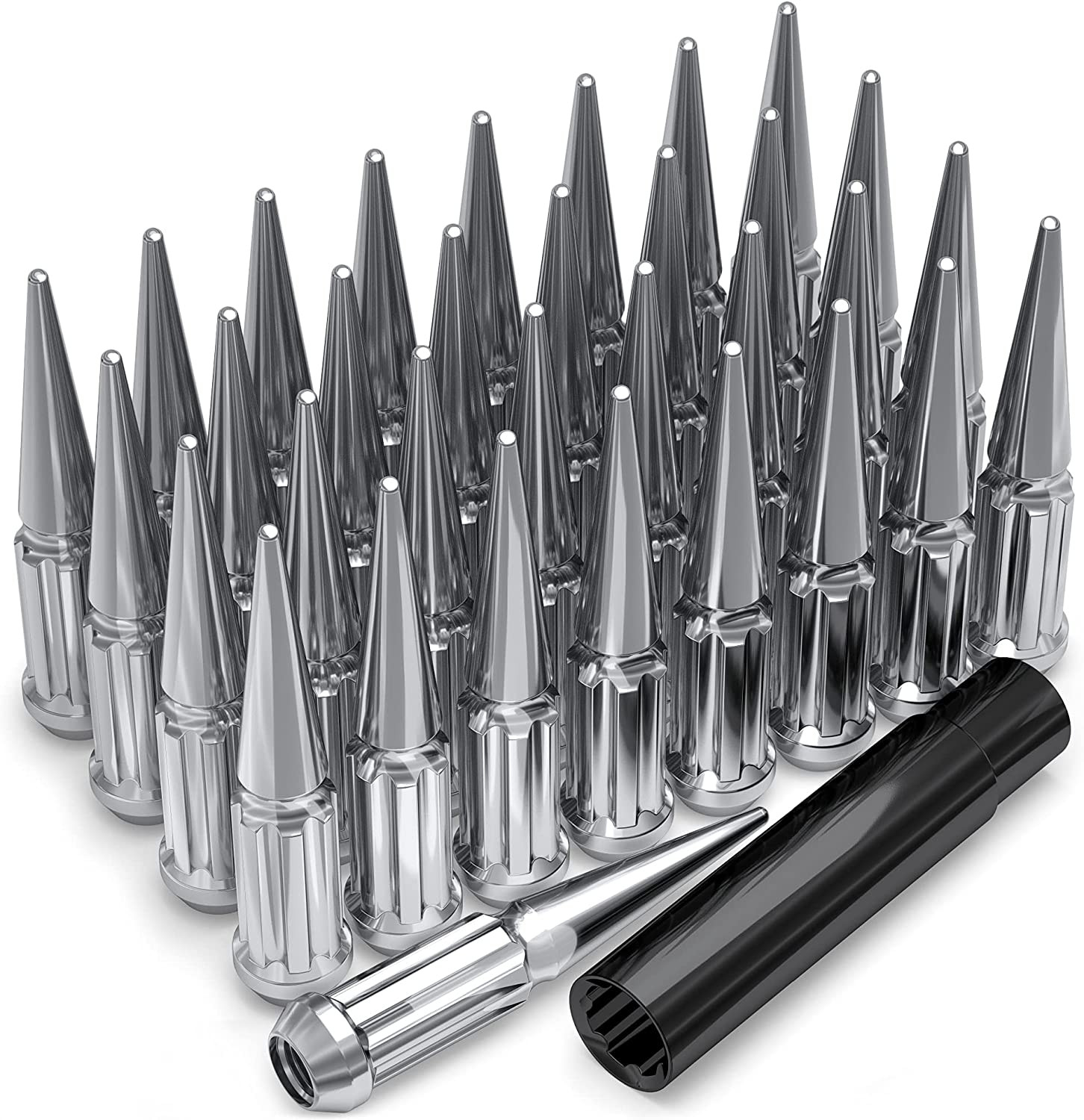
- Confirm thread size: M12 x 1.5. Use lug nuts that match both thread and the wheel’s seat type (conical, ball, or mag). If the seat type is unknown, consult the wheel manufacturer.
- Offset and width: the listed OEM wheel is 16x6.5 ET43. If you change width or offset, use the calculator to check inner clearance to suspension and outer poke relative to fenders and liners.
- Brake clearance: spoke design and barrel shape affect caliper clearance. Test-fit every wheel and spin by hand to confirm no contact.
- Load rating: wheel and tire load ratings must meet or exceed the Nitro’s OEM requirement on the door placard.
- Tire sizing: start from 225/75R16 OEM. Use the calculator and keep overall diameter close to stock unless you intentionally want a change and have verified clearance through full steering and suspension travel.
- TPMS: if equipped, plan to transfer sensors or use compatible replacements and perform relearn/programming as required.
- Spare tire and chains: verify your new setup fits the spare location (if applicable) and that snow chains, if used, will clear safely.
Plus Sizing And Common Upgrades
The factory reference setup is 16x6.5 with 225/75R16 tires. Many owners explore larger diameters for appearance or tire selection. Use the calculator to model a +1 (17-inch) or +2 (18-inch) concept and select a tire size that keeps overall diameter near stock for speedometer accuracy and to maintain clearance. Do not assume any particular size will fit; confirm against brakes, fenders, and suspension on your specific Nitro.
Helpful rules while modeling in the calculator:
- Each 1 inch change in wheel width adds roughly 0.5 inch to inner and 0.5 inch to outer position if offset stays the same.
- Changing offset by 1 mm moves the wheel in or out by 1 mm. More positive ET pulls the wheel inward; more negative ET pushes outward.
- Try to keep overall tire diameter close to stock to minimize speedometer error and rubbing risk. If you deviate, inspect lock-to-lock steering and full compression clearance.
If your Nitro’s trim has different factory brakes or suspension, acceptable sizes and offsets may change. Confirm with the door label, VIN-based OEM data, and a physical test-fit.
Installation Tips
Park on level ground, set the parking brake, and use proper jack points and rated jack stands. Test-fit one corner first before mounting tires on all four wheels.
Clean the hub face and the wheel mounting pad so they are free of rust and debris. If using hub-centric rings, seat the ring fully in the wheel’s center bore and ensure it’s the correct 71.6 mm inner diameter. Hand-thread M12 x 1.5 lug nuts to avoid cross-threading. Tighten in a star pattern and torque to the factory specification from your owner’s manual or service manual. Re-torque after 50–100 miles of driving. Verify TPMS operation and set tire pressures to the door placard values.
Tools And Helpful Supplies
These can make the job safer and smoother:
FAQs
What is the bolt pattern on the 2011 Dodge Nitro?
It is 5x114.3. Wheels must match this exactly for safe installation.
Will a 5x115 wheel fit a 5x114.3 Nitro hub?
No. The patterns are different. Do not force-fit or rely on hardware to compensate. Use only 5x114.3 wheels.
Do I need hub-centric rings?
If your aftermarket wheel’s center bore is larger than 71.6 mm, use rings with a 71.6 mm inner diameter and the correct outer diameter for the wheel. If the wheel’s bore is smaller than 71.6 mm, it will not fit the hub.
What lug nuts should I use?
Thread size is M12 x 1.5. The lug nut seat type must match the wheel’s seat (for example, conical or ball). Using the wrong seat type can loosen the wheel or damage it.
What offset will work on my Nitro?
The listed factory wheel is ET43 at 16x6.5. Acceptable offsets for other widths vary by brake and fender clearance. Use the calculator to model inner and outer positions, then test-fit the wheel on your vehicle.
What tire size should I run with new wheels?
Start from the OEM 225/75R16 reference. If you change wheel diameter or width, use the calculator to choose a tire that keeps overall diameter near stock and verify clearance through full steering and suspension travel.
Do I need to reprogram TPMS?
If you reuse your original sensors, you may only need a relearn. New sensors must be compatible with the Nitro and may require programming and relearn per the service manual.
What torque should I use on the lug nuts?
Follow the factory torque specification in your owner’s manual or service manual. Tighten in a star pattern and re-torque after 50–100 miles.
How do I confirm these specs for my exact trim?
Check the driver’s door jamb placard for tire and pressure info, your owner’s manual for wheel and torque data, and verify part numbers by VIN in an OEM catalog. Then use the on-page calculator to model any changes before purchase.